
Explore interior trends, AI design insights, styling guides and real transformations
Minimalism for European Homes: Space, Light and Calm
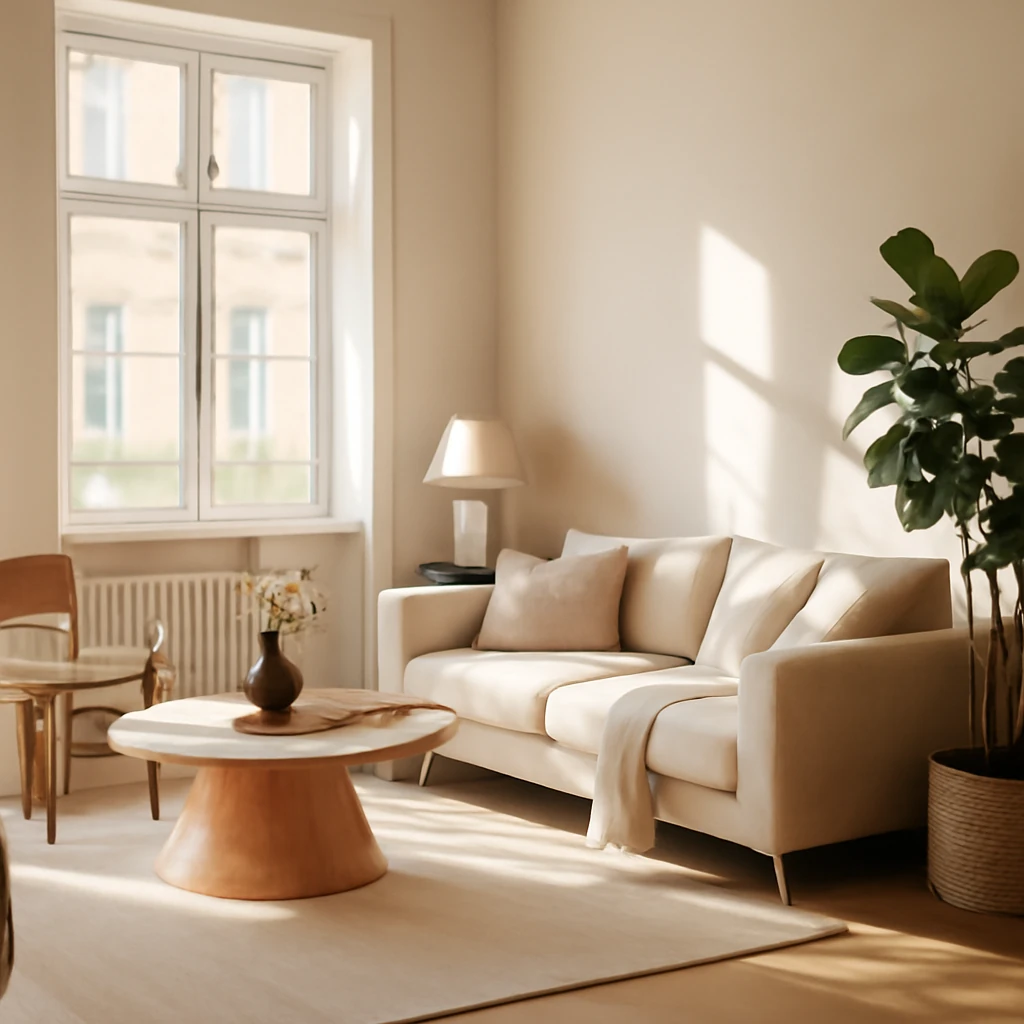
What minimalist interior design means in Europe
Minimalism is both a style and a philosophy: value space, function, and calm. Across European homes, from compact city flats to airy lofts, minimalism has grown as a practical, aspirational approach to living. It asks us to remove the unnecessary, letting light, material quality and precise geometry define the space.
Core characteristics
The movement arose in the 20th century as a reaction to ornament and complexity. Its core principles are simplicity, clarity and usability. In a minimalist interior there is nothing superfluous: only essential items, a restrained colour palette and well-considered lighting. But what does classical minimalism look like in a European home?
- Fewer possessions. The defining feature is absence of clutter, every item has a purpose.
- Empty surfaces. No open shelves with clutter, surfaces remain clear. You may leave one or two items that are used daily visible.
- Interesting geometry. Architectural shapes, sculptural furniture and non-traditional forms add depth and volume.
- Note: Well-planned lighting and airiness are essential to avoid sterile spaces.
Real-world note: In European city dwellings of 40–90 m², the balance between open space and functional zones can be achieved through careful zoning, not walls alone.
Reasons for the popularity of minimalism
1. Generational aesthetic shift
In several European markets, younger buyers who grew up in varied post-war housing are drawn to calm, neutral interiors that feel timeless and easy to navigate. Conversely, some observers who remember more saturated and eclectic spaces often drift towards more expressive, maximalist languages.
2. Seemingly simple, but demanding
Minimalism is deceptively straightforward, implementing it well is harder than it looks. Materials, furniture, and lighting with sculptural forms cost more, spaces need careful planning to avoid a clinical, empty result. A truly successful minimalist interior uses high-quality materials and carefully chosen pieces to create warmth and character.
Lakonicity in interiors is a hallmark of minimalism, but laconic does not mean dull.
Furniture for neutral zones When selecting pieces, aim for clean lines and thoughtful geometry. Consider a straight sofa with refined tailoring, a sculptural coffee table, and seating that invites lingering rather than shouting for attention.
3. Content fatigue and digital overload
Daily exposure to ads and bright palettes can exhaust the eye. A minimalist interior provides a sanctuary: calm surfaces, restrained textures and a palette that reduces visual noise, helping to lower stress and improve focus.
In a 68.5 m² duplex example in a major European city, the architect designed a cohesive living area with a quiet palette, the space feels generous rather than sparse.
4. Universality
Minimalism is celebrated for its versatility. It can anchor modern, contemporary and even traditional interiors, simply by adjusting materials and tones. It’s a favourite among homeowners, landlords and designers for its timeless appeal and easy adaptability.
- Aesthetic beauty: spaces feel refined and cohesive.
- Sustainability: fewer items and deliberate purchases reduce consumerism.
- Ease of cleaning: flat surfaces are easier to wipe down.
- Timelessness: less prone to quick fashion changes.
- Adaptability: add colour and texture through accents or textiles to shift the style.
- Calming atmosphere: neutral tones reduce visual noise.
- Cost considerations: can be cheaper long-term if well planned, though initial materials may be higher.
In a typical European two-bedroom apartment of around 50 m², a modular sofa, a pared-back coffee table and a restrained rug create a calm living zone without feeling sterile.
Key features of minimalist design in European apartments
Finishes - restraint and clarity
Spaces are often made seamless by using one colour on walls or textures with a matte finish. For walls, a monochrome palette - white, greys or beiges - is paired with matte plaster or microcement for a tactile, restrained look. Concrete surfaces or timber panels in natural tones can act as architectural accents without overpowering the space.
Flooring: Typically timber with a soft texture, or poured concrete with a gentle sheen. For delineating zones, neutral ceramics or large-format tiles are common.
Ceiling: Painted to match wall colour, recessed lighting is standard. Glossy effects or multi-layered ceiling configurations are avoided in strict minimalist interiors.
- A 68.5 m² duplex in a central European city by a respected studio.
- A 43.6 m² one-bedroom in a small town, a straight sofa, low TV wall and a rug provide warmth and scale.
- A 54 m² living room in a large city apartment, a sculptural armchair and a streamlined coffee table anchor the seating zone.
- A 41 m² euro-two-bedroom in a new-build, neutral sofas, a simple coffee table and a flat rug complete the scheme.
Lighting - multi-layered
Effective lighting creates depth and a subtle light-drawing throughout the room. Minimalist lighting is organised in three layers:
- General lighting: recessed fixtures, flat-track lights, occasional statement pendant.
- Functional lighting: minimalist pendants, wall lights and lamps with daylight or warm-tone LEDs.
- Decorative lighting: subtle perimeter lighting, under-furniture illumination, or restrained decorative fixtures.
In a 43.6 m² apartment, the layering supports a sense of airiness even with a compact footprint.
Furniture - sculptural shapes
Minimalist furniture often features distinctive geometry. Case pieces are usually built-in or flush with walls, with handleless fronts and concealed openings. Tables and chairs are elegant and may incorporate natural timber or a mix of light and dark tones.
- A 159 m² kitchen-living space in a metropolitan development, a linear island and sculptural seating.
- A 62 m² living room in a city apartment, a modular sofa and a unique coffee table define the focal zone.
- A 37.6 m² kitchen-dining space in a panelled block, a straight sofa and a walnut coffee table anchor the area.
- A 54 m² living room in a city apartment, a cohesive suite of clean-lined furniture.
Soft furnishings - minimal and refined
Upholstery tends to be plain and tactile rather than decorative. Sofas and armchairs are often low-profile, with soft, monochrome fabrics. If a piece has legs, they are slim and unobtrusive. Materials span solid-colour velvet, wool blends, or muted textiles in natural fibres.
In a 55 m² minimalist living space in a northern European city, a modular sofa and a low-profile rug create a cocoon-like lounge.Small objects - restrained accents
Small decorative items are carefully chosen to avoid clutter. Small-scale furniture, stones, wood or metal accents, and calm ceramics are used as focal points rather than fill the space.
- A 54 m² living room in Europe, a sculptural side table and a single decorative vase.
- A 43.6 m² apartment, a minimal coffee table and an artful textile throw act as accents.
- A 37.6 m² kitchen-living in a city, a small sculptural object on the shelf.
- A 68.5 m² duplex, a geometric wall panel and a neutral rug.
Textures - tactile variety
Texture enriches a space without adding colour. Materials include:
- Wood – smooth, non-glossy, used in furniture and cabinetry, natural grain adds warmth.
- Stone and imitants – natural stone or a stone-look ceramic, unobtrusive textures to convey natural quality.
- Rough yet refined textures – wool velour, jute, microcement, these add depth to large surfaces.
- A 54 m² living room, stone-look tiles and a wooden dining table.
- A 37.6 m² kitchen-living, ceramic floor with a matte finish and stone-textured backsplash.
- A 62 m² apartment, microcement walls with a soft texture complement timber cabinetry.
- A 41 m² euro-two-bedroom, warm wood accents balance cool surfaces.
Colour palettes - varied yet controlled
Mono-chrome with tonal depth: one base colour with varied shades from light to dark.
Mono-chrome with contrast: predominantly white/grey or black-white schemes, with dark details to define scale.
Contrasted with a bold accent: a neutral base punctuated by strong hues on furniture or focal pieces.
Colour as decor: selective colour use, often in small areas or as an accent against a subdued base.
- A 30 m² apartment, a tonal palette with a bold accent in a single piece of furniture.
- A 43 m² entrance hall, a restrained palette with a bright accent door or rug.
- A 41 m² kitchen-dining, a bright colour on the island as a focal point.
- A 50 m² three-bedroom, muted base with a saturated accent on cushions or art.
Decor - restrained and curated
Decor plays a purposeful role: sculptural furniture, abstract art, and natural objects. Soft vases, quiet statuary, and wall panels create visual interest without clutter.
- Vessels and small sculptures in plaster or natural finishes, often with dried botanicals or stems.
- Live plants in pots with sculptural forms or textures that echo the space, pots should have architectural character, perhaps a concrete or textured finish.
- Panels and posters – abstract, monochrome or minimised imagery, subtle backlighting can enhance their depth.
- A 42 m² apartment, abstract framed panel above the sofa anchors the wall.
- A 56 m² living room, a single sculptural vase instead of multiple decorative objects.
- A 39 m² kitchen-living, a minimal framed print over a sideboard.
- A 70 m² master suite, a single art piece with a light wash to anchor the bed wall.
Textiles - solid and refined
Textiles in minimalist interiors are either solid colours or restrained patterns, such as narrow stripes or checks in tonal hues. Durable weaves such as herringbone or jute add texture without noise. Avoid piling on too many textiles, otherwise the space can feel busy.
In a 40 m² apartment, a simple bed and a plain duvet in muted tones maintain the calm aesthetic.
Textiles from a European upholstery range
- Plain rug or throw in warm or cool neutral tones.
- One-colour drapes with a matte finish to maintain a clean frame.
- Soft cushions in solid hues or subtle textures, kept to a small number.
Designing rooms in the minimalist style
Here are guiding principles for common spaces.
Kitchen and bathroom
Natural tile and stone: use materials that feel unpretentious and enduring. A subtle veining on marble or a stone-look tile adds depth without competing with other elements.
Furniture - smooth and seamless: flush, handleless cabinetry in neutral tones. Countertops may be marble or wood, avoid ornamental surfaces.
Lighting - diffuse and layered: a combination of recessed lighting, linear fixtures and soft ambient sources creates a generous sense of space.
Accents - restrained two-tone or contrasts: consider a single bold hue for a focal element, applied sparingly.
Fronts - hidden storage: avoid wall shelves, keep storage behind closed doors to maintain the uncluttered look.
- A 63.6 m² kitchen in a northern city, a clean, built-in cabinetry layout.
- A 159 m² kitchen-dining in a metropolitan development, a refined island with hidden storage.
- A 64 m² bathroom in a suburban project, a wall-hung vanity in a matte stone finish.
- A 35 m² studio bathroom, a compact, pared-back arrangement with a concealed cistern.
Tables and chairs for kitchen spaces
Tables and chairs in minimalist kitchens favour simple, ergonomic forms and neutral finishes. A foldable or extendable table in a pale wood or composite surface aligns with the pared-back aesthetic.
Bedroom or nursery
A minimalist bedroom is a calm retreat: simple, neutral and uncluttered. The bed is often low and close to the floor, reflecting influences from East Asia and modern Nordic design.
Hidden storage: built-in wardrobes or a dedicated dressing room keep the room neat. Lighting should be layered to support relaxation and reading before bed.
- A 43 m² European duplex, low bed, soft lighting and hidden storage create an uncluttered sleep zone.
- A 159 m² family apartment, a dedicated kids' area with simple storage and a neutral palette to maintain calm.
The living room in minimalist design
Comfort and openness define the living room. The furniture should be welcoming, not rigid, with zones for lounging, reading, and conversation. A dominant sofa with soft curves or a cloud-like silhouette can create a cosy anchor, add a single, well-considered occasional chair or a slim coffee table to create focal points without clutter.
- A 68.5 m² duplex, a generous sofa plus a sculptural armchair define the main seating cluster.
- A 50 m² apartment, a low, expansive sofa anchors the space and a slim coffee table keeps sightlines clear.
- A 88 m² kitchen-living, a modular sofa and an airy rug create a relaxed living zone.
- A 41 m² euro-two-bedroom, a light-lacquered media wall with hidden components.
Hallways and entryways
The entry is typically understated but highly organised. Keep openings closed, storage behind flush fronts, and mirrors to multiply light and space. A large built-in wardrobe near the door helps maintain order while enhancing perceived space.
- 107 m² apartment, a wide, flush-front wardrobe near the entrance.
- Euro-townhouse, a corridor with a single decorative surface and hidden storage behind a panelled wall.
Study or workspace
Minimalist work zones rely on clarity and light. The space should be calm, well-lit, and uncluttered to support focus. Consider a dedicated desk, a comfortable chair, and a single accent piece that draws the eye away from the computer screen.
- 50 m² workplace apartment, a clean desk with a simple task lamp and a single gallery wall.
- 165 m² contemporary home office, a zoned area with daylight-coloured finishes and hidden storage.
- 72 m² family apartment, a quiet corner with a desk and a hidden cabinet.
10 mistakes to avoid when styling a minimalist space
Avoid these missteps to ensure a true minimalist interior remains refined and inviting.
- Low-quality finishes that undermine the overall impression, invest in materials with texture and depth.
- Overly decorative furniture, aim for built-in or concealed pieces with clean lines.
- One central chandelier as the sole lighting solution, lighting should be layered and varied.
- Absence of decoration, you still need thoughtfully chosen, restrained accents.
- More than three colours in the palette, a base + one accent + a neutrals set is sufficient.
- Open storage, all flat surfaces should be kept clear except for essential items.
- Excess belongings, curate and store regularly.
- Unbalanced composition, ensure furniture and decor balance across the room.
- Inappropriateness for the space, minimalist design can work in small spaces with clever storage planning.
- Ignoring proportion, scale mismatches undermine the minimalist feel.
A well-placed wardrobe behind the headboard in a 63.6 m² city apartment demonstrates how built-in storage can preserve calm and maximise floor area.
Conclusions
- Minimalism requires careful selection of every element: furniture should have laconic design with bold geometry, and decor must be meaningful, not filler. Even flat surfaces deserve intent.
- It is not enough to have few items. High-quality materials (solid wood, stone, premium textiles), layered lighting and precise proportions are essential. Cheap finishes will ruin the effect.
- The best canvases for this style are spacious rooms with ample daylight. In smaller flats, the idea can be adapted with clever storage, but genius planning is required.
- Colour and texture replace decor in minimalist spaces. Instead of abundance of ornaments, use restrained monochrome palettes, depth of textures, and light play.
- Minimalism suits living rooms, bedrooms and studies best, it is harder to express in children’s rooms due to toys, clothing and clutter.
A bright, calm bedroom designed for restful sleep demonstrates how built-in wardrobes and low-profile beds help maintain a serene spectrum in a city apartment of around 38 m².
Q&A
What zoning principles are used in minimalist interiors?
Principally it is about lighting scenarios (general, functional, decorative) - these visual cues define different zones without physical partitions. Low, long furniture helps maintain sightlines and flow.
What are the current trends in minimalist interior design?
Instead of a strict monochrome, deeper tones such as terracotta, olive, or navy are appearing in furniture or decor. Curved forms (soft sofas) and asymmetrical compositions are increasingly used. Natural materials (unvarnished wood, linen, stone), textures mixing (matte microcement, rough jute, metal) are common, and smart technologies for concealed lighting and storage are standard.
Which textiles suit minimalist design?
Natural fibres - linen, cotton, wool - in neutral tones (beige, grey, white). Subtle patterns (stripes or checks) or plain surfaces. To add touch, use textures such as boucle, jute, or velvet. Textiles are functional and understated, curtains tend to be simple, with smooth drape.
In a well-edited 40 m² apartment, a simple bed and a plain duvet in muted tones maintain the calm aesthetic.
You may also like these articles
 Colour & Materials
Colour in interiors: a definitive guide to palettes and schemes
A sophisticated guide to palettes, tones and room-ready colour schemes.
Colour & Materials
Green Interiors: Mastering Colour and Materials in European Homes
A design-forward guide to greens: from natural forest tones to emerald luxury.
Small Spaces
From One Room to Two: Simple Zoning Techniques for European Homes
Transform a single room into two stylish, functional zones.