
Explore interior trends, AI design insights, styling guides and real transformations
Beige Kitchens: Timeless Warmth, Modern European Style and Practical Tips
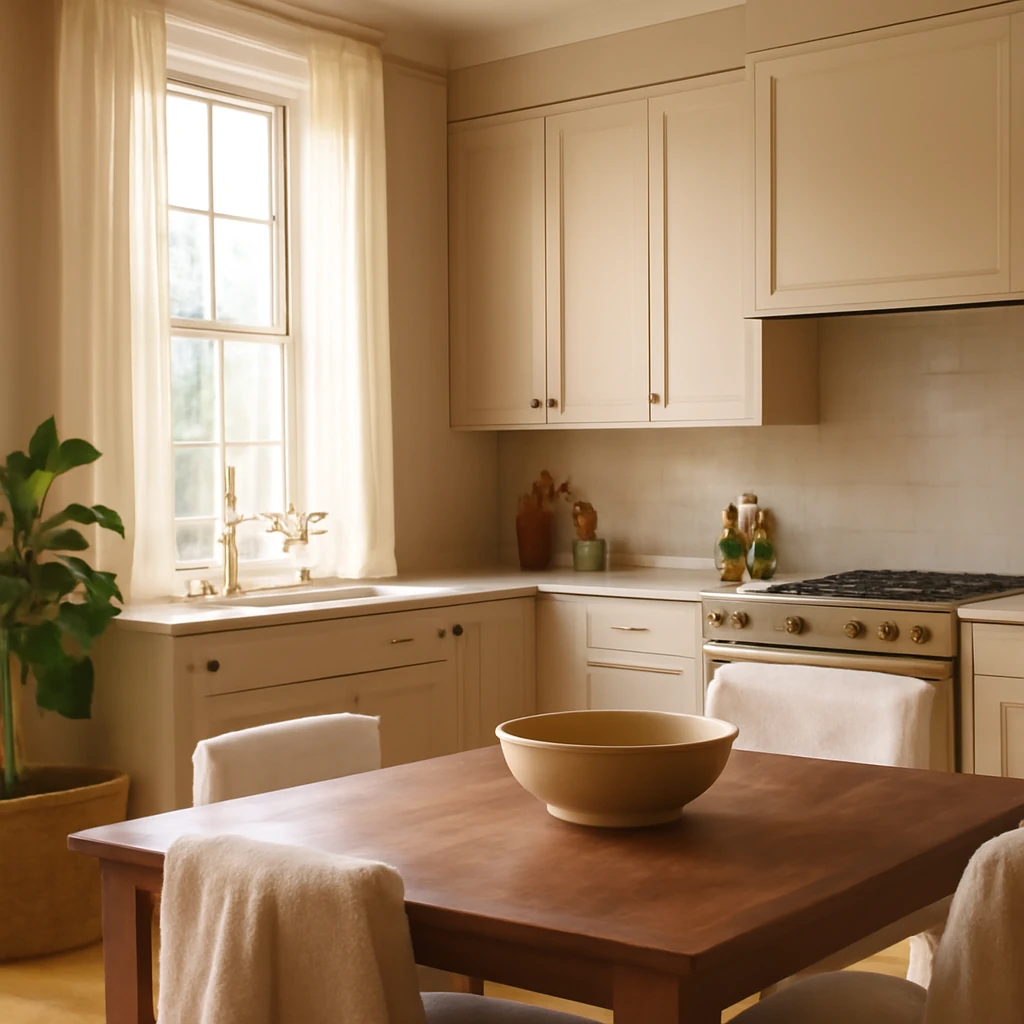
Beige kitchens: timeless warmth for European homes
Across Europe, beige kitchens have proven their staying power. From light-filled Parisian flats to compact Scandinavian apartments, the neutral tone offers warmth without fuss, and it sits gracefully alongside a wide range of materials and textures. A well-considered beige scheme can feel both classic and contemporary, depending on how it is paired with surfaces, lighting and furnishings. In this guide we explore the why, the how, and the how-not, helping you create a beige kitchen that remains serene and stylish year after year.
Understanding beige: undertones, mood and psychology
Beige is not a single colour but a family of warm, light browns with varying undertones. The psychology of beige is built on comfort, safety and approachability. In interiors it can soften hard lines, anchor bright accents, and blur boundaries between living and cooking zones. The undertone matters: a hint of yellow or orange will feel sunny and uplifting, while cooler notes with a touch of grey can bring a calm, almost contemplative ambience. When planning a beige kitchen, think of three factors - the space’s orientation, the quantity of natural light, and the duration you expect to live with the palette before updating hardware or textiles.
Practical applications in the kitchen
Finishes
Beige works best when it isn’t an absolute match between wall, floor and cabinetry. A parchment, wheat or oatmeal base is a versatile backdrop that accepts textures and reflections from different materials. Durable wall coverings and washable paints with a matte or satin finish are ideal for kitchen areas to resist daily grime, while glossy tiles or glass can be introduced in the splashback to catch light and delineate zones. For European kitchens that prioritise longevity, choose finishes with easy maintenance and documented durability, especially in high-traffic corridors and near the sink and cooker.
Flooring in a beige scheme should be considered as a grounded counterweight. A warm oak or pale stone-look tile provides texture without stealing focus from cabinetry. If the floor is very light, consider a slightly warmer beige or light grey to prevent a washed-out effect, if the floor is darker, a lighter wall and cabinet tone can create a balanced, breathable space.
Mouldings, doors and hardware
Beige responds well to subtle variance in texture. Use doors with a gentle woodgrain or a softly brushed lacquer to add depth. In terms of hardware, nickel, brushed brass or antique bronze finishes pair nicely with beige tones, providing a refined contrast without shouting for attention. In kitchen islands, a slightly darker beige or warm taupe can ground the space, while keeps the overall palette cohesive.
Cabinetry and furniture
Avoid an entirely monochromatic beige kitchen, which can feel flat if not carefully balanced. Instead, mix cabinet fronts in a related beige family with different textures - matte painted bodies, timber veneers, or glass-fronted uppers. Consider introducing a second, slightly cooler tone for the work zone to accentuate the boundary between cooking and dining areas. In small European kitchens, compact, soft-close cabinetry with clean lines and integrated handles can maximise perceived space while maintaining warmth.
Backsplash and worktops
The backsplash is a key opportunity to introduce contrast without breaking the beige mood. A light beige or ivory tile with subtle veining or a warm, living texture - such as brick, terracotta mesh or ribbed ceramic panels - adds tactile interest. For worktops, the rule is balance: if the cabinetry is very uniform in tone, opt for a slightly contrasting material (e.g., a warm stone or a subtle veined quartz). If the furniture features a natural wood or stone surface, a neutral, matte worktop in beige or off-white can harmonise the scheme. Where the entire kitchen reads as light beige, a dark or patterned backsplash can provide necessary drama without overwhelming the room.
Lighting and ambience
Lighting plays a critical role in beige kitchens. Warm white (2700–3000K) LEDs will heighten the cosy, homey feel, cooler temperatures (3500–4000K) can emphasise a modern, crisp atmosphere when used sparingly in task areas. Layer lighting - ambient ceiling, task under-cabinet and decorative accents - enables you to adjust the mood from morning routines to relaxed evening meals. In European homes with limited daylight, consider windows that frame the palette rather than compete with it, reflective surfaces, pale walls and well-placed lighting will keep the space bright without stark contrasts.
Beige combinations: how it works with other colours
Monochrome interiors
A monochrome beige scheme can be richly nuanced with varied tones. Don’t rely on a single shade throughout, instead mix tones ranging from pale almond to toasted almond and soft caramel. Subtle variations create depth and avoid visual fatigue. Introduce contrast with textures and finishes - velvets for soft furnishings, a matte wall, and a glossy splashback - to keep the look dynamic.
With brown hues
Beige and brown pairings read as stately and nourishing, reminiscent of natural wood and baked goods. A caramel or coffee-beige palette works particularly well in open-plan kitchens that connect to living spaces. If the room lacks natural light, warm browns can help to preserve a sense of intimacy and prevent sterility.
With white
White and beige together create an airy, refined ambience. White uppers or walls can brighten a beige base and reflect daylight, while beige keeps the space from feeling clinical. This pairing is popular in coastal towns and central European cities where daylight levels vary throughout the year.
With black
Beige softened with black or charcoal accents yields a sophisticated, contemporary look. Use black for a single feature - such as an island or a cooker hood - to create a focal point while keeping the rest of the space warm. The contrast should be balanced, avoid overpowering the beige with too much darkness.
Greys and other neutrals
Grey tones can temper beige for a modern, refined effect. A soft grey wall or a cement-look tile within a beige framework can read as architectural and stylish, perfect for city apartments where space needs to feel intentional and calm at the same time.
Accent colours
Beige plays well with accents inspired by nature - olive greens, mossy tones, muted ochres and burnt oranges. In small spaces, use these as textiles, ceramics or small detail colours to bring life without overpowering the palette.
Beige kitchen styles across Europe
Beige is a versatile base for a range of traditional and contemporary interiors. Here are common European directions and how beige adapts to them.
- Classical: A light-beige foundation with white or grey undertones, refined mouldings, and symmetrical layouts create a timeless, elegant kitchen.
- Minimalist: Beige can temper stark geometry and introduce warmth. Keep surfaces clean and materials tactile but restrained - think flat-panel cabinets, matte finishes, and a restrained colour punctuated by one or two accents.
- Scandinavian: In Nordic contexts, beige serves as a soft counterpoint to white walls and pale timbers, producing a calm, welcoming atmosphere ideal for compact homes.
- Country and Provencial: Beige works beautifully with natural textures - wood grains, ceramic tiles and handmade textiles - to evoke rustic charm without heaviness.
- Contemporary rammed-earth and natural-texture interiors: Beige complements stone, cork and warm stone surfaces, giving a grounded, artisanal quality to the kitchen.
Layout, space planning and adaptability in European homes
European kitchens vary widely - from genuine open-plan spaces in Mediterranean cities to compact galley kitchens in northern townhouses. Beige can be a unifying language across these contexts because it visually expands spaces while remaining forgiving of wear. For smaller kitchens, consider a U- or L-shape with an island to define zones without isolating the cooking area. For long, narrow kitchens, a lighter beige along with reflective surfaces can create the illusion of width. In renovated apartments, beige walls with lighter cabinetry can brighten a space that previously relied on heavy wood or saturated colour palettes.
Proportion and scale
In all sizes, balance is key. If you opt for very light beige cabinetry, bring in depth through floor tones, benchtop material, and a darker splashback. Conversely, a more saturated beige can be balanced with pale stone countertops and white or pale-grey walls to prevent heaviness. In vehicles of single-sink, single-countertop arrangements surrounded by a compact footprint, ensure there is at least 60 cm of clearance around the work area for comfortable movement and appliance access.
Small-spaces and multi-functional kitchens
In homes with multifunctional layouts, beige can harmonise both cooking and living areas. A beige base palette works equally well in an apartment that doubles as a dining room or home office. The trick is to maintain clear zones: one area devoted to food preparation, another to dining or work, and a third for social activity. Integrate soft-close cabinetry, streamlined handles, and concealed storage to maintain a calm, uncluttered aesthetic.
Materials, durability and maintenance for European living
European homes increasingly prioritise sustainable materials and durable finishes. For beige kitchens, practicality is as important as beauty. Consider these material guidelines:
- Cabinets: Durable laminates or wide-board veneers with freestanding edges can deliver warmth and longevity. Choose finishes that resist staining and water marks in high-traffic zones.
- Countertops: Quartz, solid surface, or treated natural stone in beige tones offer durability and ease of maintenance. Matte surfaces tend to hide fingerprints better in busy kitchens, while a polished stone can introduce subtle luxury.
- Backsplash: Use ceramic or porcelain tiles with gentle textures or a glass panel with a soft sheen to reflect light. A subtle veining or warm-toned grout can add depth without discord.
- Flooring: Wood-look tiles or natural stone in light beige to mid-brown can anchor the space and age gracefully with limited maintenance. In kitchens with radiant heating, ensure flooring is compatible with underfloor systems.
Materials and sustainability: ethical sourcing and longevity
Sustainable design is increasingly important in European homes. When sourcing beige kitchen components, prioritise responsibly produced materials, certified for low emissions and durable finishes. Timber should come from responsibly managed forests, and surfaces should be chosen for lifecycle performance. A beige kitchen is an investment, durability and timeless appeal reduce the need for frequent refreshes, saving resources over time.
Renovation and procurement tips for beige kitchens
Planning a beige kitchen - whether updating an existing space or fitting out a new one - benefits from a clear, practical approach. Here are steps used by professional designers across Europe to achieve a balanced, durable result.
- Define the palette: select a base beige with a clear undertone, test in daylight and under artificial light at different times of day. Include a couple of accent colours through textiles or ceramics to avoid monotony.
- Specify materials early: cabinet finish, countertop material, and splashback must harmonise. If you choose a natural stone or timber, be mindful of maintenance requirements and sealing needs.
- Plan lighting carefully: combine ambient, task and accent lighting. A well-lit cooking workspace reduces visual fatigue and reveals the warmth of beige more richly.
- Think about handles and hardware as design accents: a small change in metal finish can refresh the entire look without altering the core palette.
- Consider procurement timing: in many European markets, delivery times for bespoke panels or premium finishes can extend. Plan the timeline to avoid project delays and ensure a harmonious handover with plumb, electrical, and plumbing works completed in the right sequence.
Case study concepts: translating beige into real European homes
To illustrate how beige kitchens translate across contexts, here are three conceptual scenarios that reflect typical urban European settings.
- Parisian apartment, open-plan, refined beige: A compact kitchen facing a living area uses a light beige base with white uppers and a warm oak floor. A charcoal splashback adds drama, while integrated appliances keep lines clean. Lighting is layered with under-cabinet LEDs and a central ceiling fixture that softens the space from day to night.
- Hamburg town flat, practical beige with texture: Here, a matte beam of beige cabinets contrasts with a stone-look countertop and a glass mosaic splashback in warm sand tones. Furniture is streamlined, and textiles in mossy greens provide a natural accent, echoing harbour-side palettes.
- Milan loft, contemporary beige with Italianate warmth: A larger space with beige cabinetry in a woodgrain veneer, a light travertine worktop, and a warm beige floor tile. A statement range hood in black or bronze introduces contrast, while soft, velvet dining chairs complete the inviting mood.
Practical tips for achieving lasting beige appeal
- Test across light conditions: daylight changes the tone of beige. See how the palette reads in morning sun, late afternoon, and under artificial lighting before committing.
- Use texture to prevent flatness: combine matt paints, wood, stone and ceramic textures to add depth without deviating from the neutral mood.
- Plan for longevity: choose materials and finishes that resist everyday wear, particularly around sinks and cooktops.
- Embrace subtle contrasts: introduce a darker or cooler shade in the work zone or as a feature element to keep the space visually engaging.
- Maintain proportion: in smaller rooms, a lighter ceiling helps to expand the space while a warmer floor adds grounding.
Final reflections: beige as a living palette
Beige is not simply a backdrop, it is a versatile language that can be warm, sophisticated or gently contemporary depending on how it is executed. The European kitchen often serves as the hub of home life, blending cooking, dining and socialising. When designed thoughtfully, beige can support this multifaceted role - offering calm, flexibility and longevity while letting textures, light and form take the lead. Whether you favour the understated grace of a traditional scheme or the pared-back elegance of a modern layout, beige can be the soft spine that holds the entire home together.
Glossary of considerations for beige kitchens
- Undertone: the subtle warmth (yellow, peach, apricot) or coolness (grey, taupe) that underpins the beige you choose. Undertones drive how the colour looks in light and with other materials.
- Texture: vary finishes to prevent monotony - gloss, matte, woodgrain, or stone-like textures create depth without introducing loud colour.
- Maintenance: opt for durable, easy-clean surfaces near cooking zones to ensure longevity and ease of care.
- Lighting: layer light to manipulate warmth and mood, be mindful that warm lighting can skew beige toward more golden tones, while cooler lighting emphasises ash and grey undertones.
- Scale and proportion: align cabinet height and depth with room proportions to create a balanced, uncluttered feel.
In summary
A beige kitchen is a practical canvas for European living, offering warmth, adaptability and resilience. By selecting undertones with care, balancing textures, and pairing with well-chosen materials and lighting, a beige kitchen can evolve from a simple cooking space into a refined, welcoming heart of the home. It invites gathering and daily ritual, while remaining remarkably timeless in the face of changing fashion. If you are redesigning a kitchen in a city apartment or a family home, beige - used thoughtfully - can deliver the serene, cosmopolitan ambience that many European households seek.
You may also like these articles
 Small Spaces
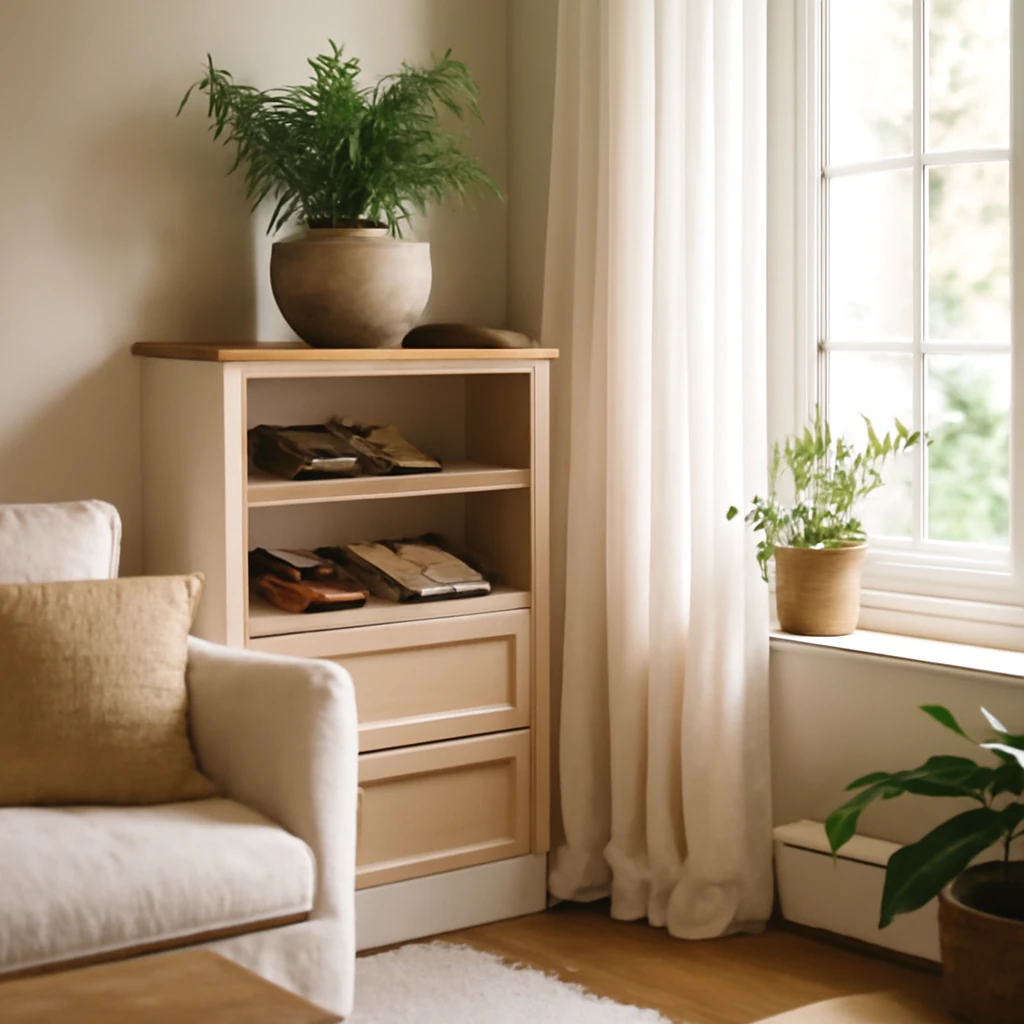
From Open Shelves to Hidden Drawers: Building a European Shoe Cabinet
Plan, build, and personalise a versatile shoe cabinet for compact European homes.
Tips & How-To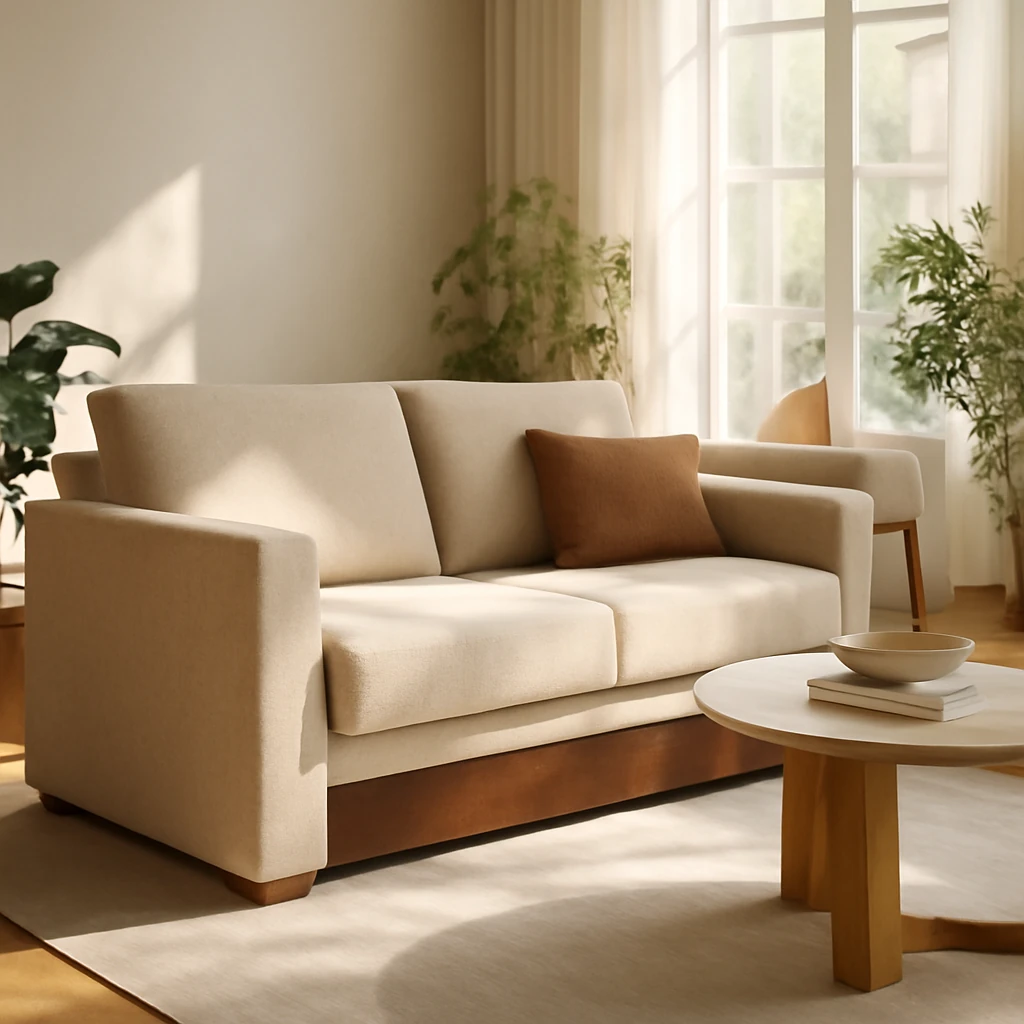
The Tik-Tak sofa mechanism: a practical guide for European living rooms
Compact, dependable and adaptable, discover the Tik-Tak mechanism for flexible European interiors.
Colour & Materials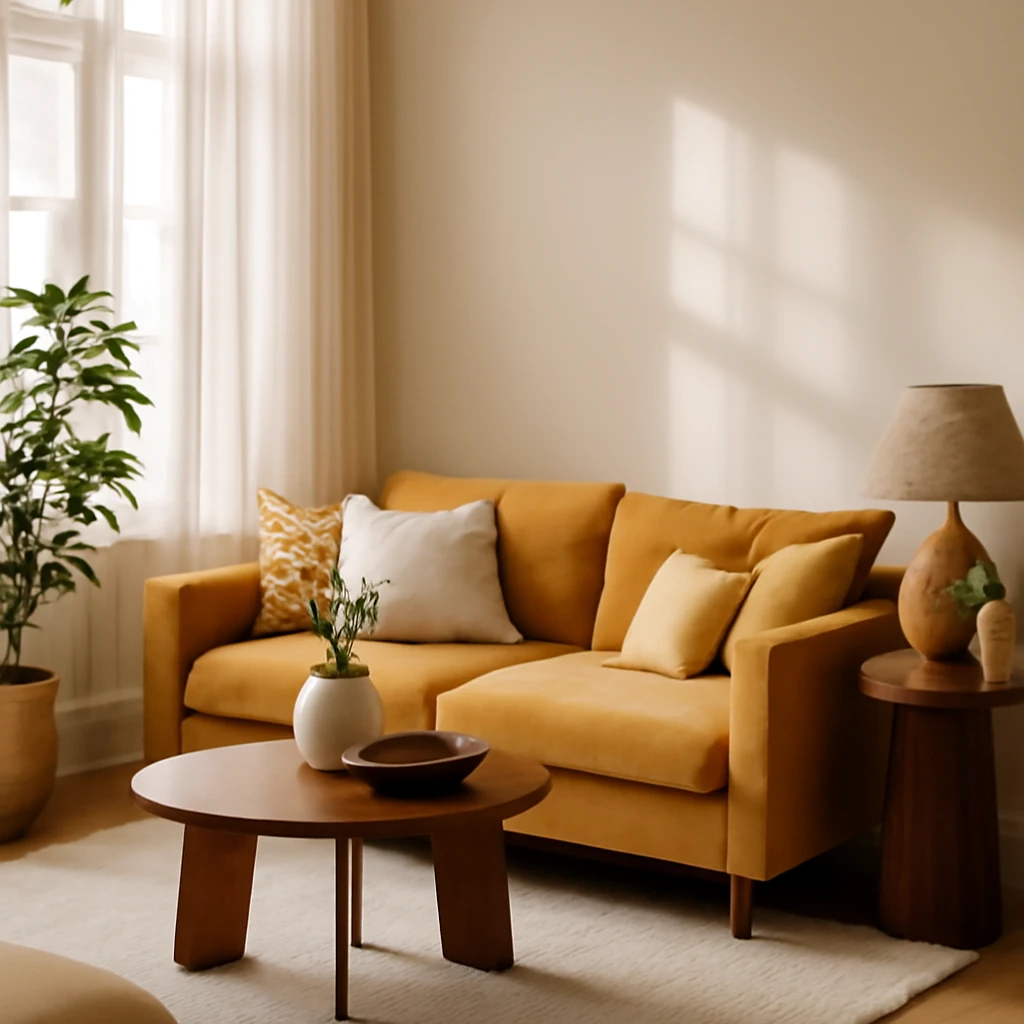
Yellow as a Design Tool: Temperature, Tone and Timeless Combinations
Master yellow in European interiors with temperature, tone, and versatile pairings.