
Explore interior trends, AI design insights, styling guides and real transformations
Kitchen wall finishes: durable, stylish options for European homes
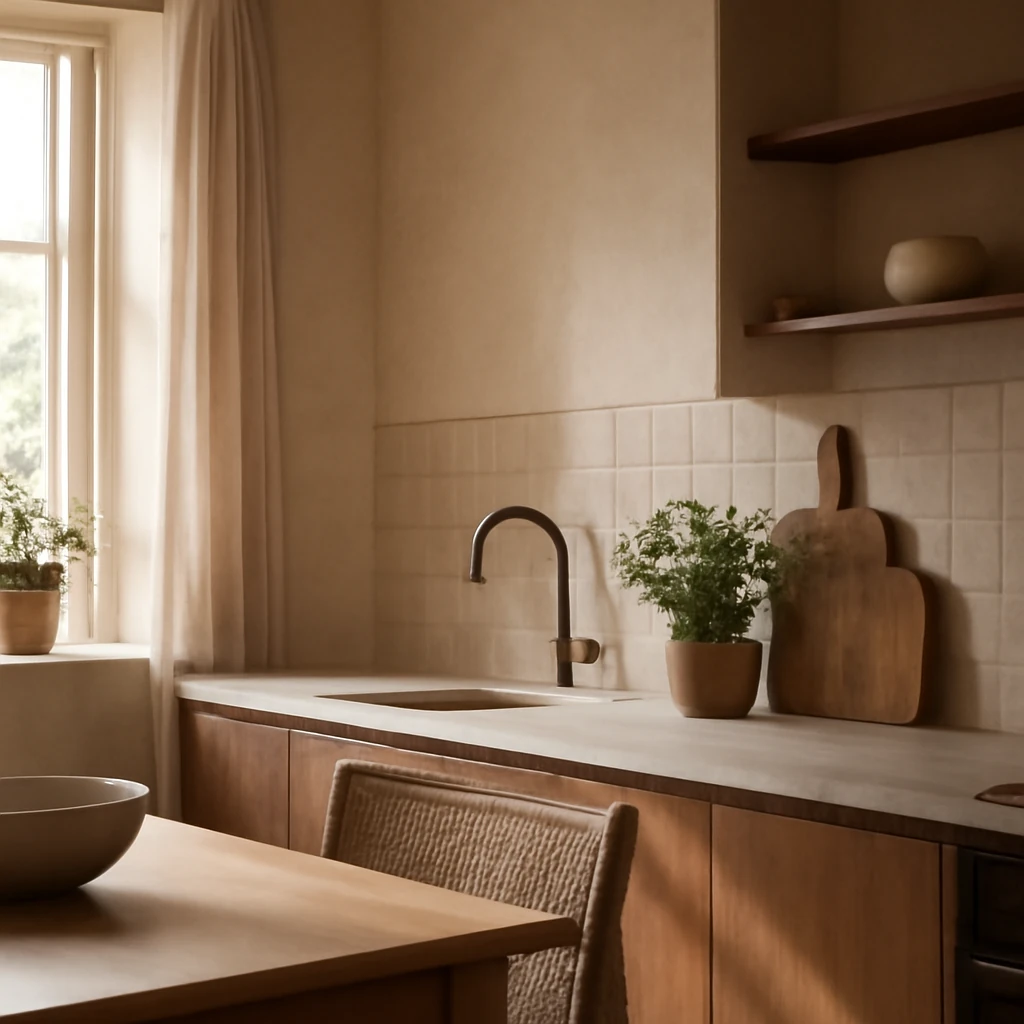
Wall finishes for the kitchen: material overview
When planning a kitchen remodel, one of the most persistent questions concerns how to finish the walls. The kitchen is a demanding space: humidity from steam, temperature fluctuations, airborne grease, and everyday wear all take their toll. Yet today’s options for robust and stylish wall coverings have never been more diverse. The right choice will not only withstand the demands of cooking but will also complement cabinetry, lighting, and flooring to create a coherent, lasting look. This guide walks through ten popular finishes, their advantages, and practical considerations for a European context, where moisture, cleaning, and durability are paramount concerns.
Wall finishes for the kitchen: material overview
1. Paint
Paint remains the most universal and forgiving wall finish for kitchens. Modern kitchen paints are formulated to be washable, scrub-friendly, and more resistant to humidity than traditional bedroom or living room products. They offer a remarkable range of colours, enabling you to tailor the space precisely to your cabinet shades and overall palette.
Advantages:
- easy to apply: suitable for DIY projects or professional teams, you can refresh a space with a weekend project or a careful update.
- cleanability: most kitchen paints can be wiped with a damp sponge and mild detergents.
- longevity: with proper surface preparation and sealing, a painted wall can perform for many years.
- colour freedom: a vast spectrum means you can harmonise with cabinetry or create an accent wall.
- cost flexibility: budget options exist, and premium ranges are available for exacting colour and finish requirements.
Disadvantages:
- surface preparation is essential: walls must be smooth and well sealed, imperfections show through paint unless properly corrected.
2. Decorative plaster
Decorative plasters have long been valued for a refined, even finish. In kitchens, mineral-based plasters can be surprisingly durable and resilient when properly formulated. They create a smooth or subtly textured surface that pairs well with contemporary or traditional cabinetry.
Advantages:
- universal application: suitable for most wall types, including plaster, concrete, brick, or gypsum board.
- ease of maintenance: a wipe-down with a damp cloth is often sufficient, some formulations are designed to be sealed for added protection.
- mould resistance: mineral components can help inhibit mould growth when combined with appropriate additives or sealants.
- durability: with proper sealing, decorative plaster can endure for decades.
- repairability: small damaged areas can be repaired without re-plastering the entire wall.
Disadvantages:
- cost: decorative plasters typically require skilled application and can be more expensive than paint or standard wallpapers.
3. Wallpaper
Wallpaper remains a popular kitchen choice, particularly when vinyl or non-woven (fleece-backed) options are used. Paper-based wallpapers are generally not recommended for kitchens due to moisture, but vinyl and non-woven varieties offer good washability and UV resistance. The appeal lies in the wealth of patterns, textures, and finishes available today, from delicate florals to bold geometric prints.
Advantages:
- moisture resistance: vinyl and some non-woven wallpapers can be washed and are suitable for damp environments.
- sunlight durability: many designs resist fading when adequately protected from direct sunlight.
- design flexibility: wide range of patterns, textures, and scales to suit any style.
- repaintable options: some wallpapers can be overpainted, allowing updates without complete removal.
Disadvantages:
- surface maintenance: textured wallpapers can trap dust and grease and require more careful cleaning.
- non-adhesion challenges: certain wall substrates or high-humidity kitchens demand professional adhesive formulations and precise installation.
- vinyl peeling risk: if the adhesive is not matched to the substrate or if there is moisture intrusion, panels may lift.
4. MDF panels
Medium-density fibreboard (MDF) panels, often finished with laminate or veneer, are a modern solution for both the splash zone and broader wall areas. They offer a tactile alternative to tile while lending warmth and texture to a kitchen interior.
Advantages:
- no special wall preparation required: MDF panels can be applied over uneven surfaces, provided the substrate is sound.
- ease of cleaning: laminated surfaces are wipeable with standard kitchen cleaners.
- DIY friendly: panels are straightforward to install with basic carpentering tools.
Disadvantages:
- moisture sensitivity: MDF can swell if exposed to high humidity or direct water exposure, ensure proper sealing and ventilation.
5. Ceramic tile
Ceramic tile is a classic, robust choice for kitchen walls. While traditionally used as a splashback, modern tiling schemes extend across larger wall areas, thanks to a broader range of textures and sizes. Neutral-toned tiles with simple grouts are particularly adaptable for long-term design.
Advantages:
- exceptional durability: ceramic tiles handle moisture, heat, and routine cleaning without degradation.
- wide design variety: tiles come in countless shapes, textures, and finishes, enabling designers to craft a tailored look.
- fire resistance: ceramic is non-combustible, adding an extra layer of safety for kitchens.
- valued longevity: properly installed tiles can retain their appearance for many years.
- cost options: a broad price spectrum makes tiling accessible across budgets.
Disadvantages:
- grout maintenance: grout lines can stain and require periodic cleaning or regrouting for a pristine finish.
- installation complexity: tiling over irregular walls or large areas may require professional expertise and additional time.
6. Porcelain stoneware (keramogranit) for walls
Porcelain stoneware is known for its density and strength. While often used as flooring, it is increasingly utilised on walls as panels or large-format tiles to achieve a seamless, high-end effect. Heavier than standard ceramic, it is best applied over suitable backing boards or tile backers rather than standard plasterboard.
Advantages:
- extreme durability: highly resistant to moisture, heat, and staining.
- low maintenance: non-porous surface cleans easily with common cleaners.
- versatile aesthetics: available in natural stone looks, minimal concrete styles, and a range of colours.
- large formats: fewer joints create a streamlined, contemporary appearance.
Disadvantages:
- weight and substrate requirements: panels require a strong backing and precise installation, not ideal for all existing walls.
7. Porcelain stoneware panels as decorative panels
Beyond full-wall coverage, porcelain stoneware can be used as decorative panels combined with reflective surfaces such as mirrors or glass. This approach creates a focal point - an architectural feature that elevates a kitchen without overwhelming the space.
Advantages:
- design versatility: panels can be cut into shapes, mosaics, or artful compositions to suit the room.
- impactful aesthetics: high-resolution textures and natural finishes impart luxury without heavy maintenance.
- durable performance: panels maintain their integrity under steam, splashes, and cleaning cycles.
Disadvantages:
- installation precision: requires experienced installers to achieve flush, seamless joints.
8. Porcelain stoneware “under concrete”
To recreate an industrial, pared-back look, many choose porcelain stoneware panels designed to mimic polished concrete. Large-format panels minimise joints and can create a continuous surface with a refined texture. This option is particularly effective in open-plan spaces and urban apartments where a subtle, monochrome backdrop works with varied lighting and materials.
Advantages:
- minimal joints: large panels reduce visual breaks and make cleaning easier.
- industrial chic: the concrete aesthetic pairs well with metal, glass, and timber accents.
- maintenance efficiency: resistant to moisture and daily wear, with simple wipe-downs.
Disadvantages:
- design commitment: this look is bold, it may limit future colour choices for cabinetry and decor.
9. Decorative brick
Decorative brick or brick veneer offers tactile warmth and an authentic texturescape. Real or engineered bricks with a protective coating are both viable, especially in loft-inspired or rustic schemes. Bricks withstand daily use well, and with the right sealant, can resist moisture and grease, while still presenting an easy-to-clean surface.
Advantages:
- long-lasting veneer: brick surfaces are durable and easy to wipe down with gentle cleaners.
- textural richness: brick adds depth and warmth that complements timber and metal accents.
- installation ease: many bricks are designed for DIY or straightforward adhesive installation.
Disadvantages:
- regular upkeep: textured brick surfaces collect dust and grease, requiring periodic cleaning and occasional sealing.
- cost considerations: authentic bricks or premium veneers can be pricey, especially for larger walls.
10. Wood cladding (tongue-and-groove or shiplank)
Wood cladding continues to emerge as a favourite for those seeking warmth and tactility. Tongue-and-groove or shiplap profiles finished with a durable, washable coating provide a natural, living texture. Wood brings a sense of craftsmanship and comfort, however, it requires careful treatment to withstand kitchen humidity and heat.
Advantages:
- timeless warmth: natural timber makes spaces feel inviting and high-end.
- ease of maintenance: with the right finish, wooden walls can be cleaned and renewed over time.
- versatility: balances well with metal, stone, and soft textiles, enabling a wide range of styles from Scandi to coastal.
Disadvantages:
- environmental sensitivity: timber can warp or stain if exposed to excessive moisture without proper sealing.
- perceived intimate scale: dark or heavily structured timber can visually reduce room size if not contrasted with light colours or reflective surfaces.
How to choose the right finish for your kitchen
With so many options, the decision often hinges on practical constraints as much as on aesthetics. Here are key guidelines to help you select a finish that will perform well in a European kitchen while remaining visually cohesive with the rest of your home.
- Assess the environment: consider the kitchen’s orientation, ventilation, and proximity to the sink or hob. Spaces with high humidity and frequent splashes benefit from washable, non-porous finishes such as tiles, porcelain stoneware, composite panels, or high-quality paints formulated for kitchens.
- Balance durability and style: materials like porcelain stoneware, ceramic tile, and vinyl wallpaper offer robust performance, but they come with installation considerations. Pair them with softer textures in other zones to avoid a clinical feel.
- Plan for maintenance: some finishes - particularly textured bricks, timber, or plaster - require routine care. Build a maintenance schedule into your kitchen routine to preserve the look over time.
- Coordinate with cabinets and flooring: ensure that the wall finish harmonises with cabinetry, handles, countertop materials, and flooring. This creates a unified palette and a sense of finish quality across the room.
- Consider light and scale: large formats and light-reflecting surfaces can brighten a compact kitchen, while darker tones may make a large space feel cozier or more intimate.
- Think about installation and budget: some finishes demand professional installation and a higher upfront cost, but they may deliver longer-term value through durability and reduced maintenance.
Practical tips for European kitchens
Across Europe, kitchens vary from compact city flats to generous suburban spaces. The following practical tips will help you realise a high-performing, aesthetically coherent kitchen, no matter the context:
- Waterproofing and vapour barriers: wherever possible, ensure that wall substrates behind finishes are properly prepared with moisture barriers. This is especially important behind splash zones and near dishwashers or steam ovens.
- Ventilation alignment: choose wall finishes that respond well to ongoing exposure to steam and heat, and confirm that any sealing or lacquer applied is rated for kitchen use.
- Maintenance-friendly choices: in busy family kitchens, opt for finishes that are easy to wipe, resistant to staining, and not prone to rapid wear in high-use areas.
- Sustainability: consider European certifications for finishes, especially paints and wood products. Low-VOC formulations can improve indoor air quality and comfort.
- Future-proofing: plan for redecoration by selecting finishes that can be renovated or refreshed without full demolition. For example, large-format porcelain panels or modular MDF systems allow changes to colourways or accents with minimal disruption.
Maintenance and care: keeping finishes in peak condition
Maintenance strategies vary by material, but some universal practices apply across finishes. Regular cleaning, prompt addressing of stains, and careful attention to grout or sealant joints can significantly extend the life of a kitchen wall finish.
- Paint: dust with a soft cloth, wipe with a slightly damp sponge and mild soap if needed. Avoid abrasive cleaners that could dull the surface.
- Decorative plaster: follow the manufacturer’s guidance regarding sealing and washability. Avoid harsh solvents, use pH-neutral detergents when cleaning.
- Wallpaper: routinely remove grease and dust with a soft cloth. For vinyl wallpapers, light cleaning with a non-abrasive cleaner is usually safe, avoid soaking the surface if the adhesive is not fully sealed.
- MDF panels: clean with a damp cloth and mild cleanser, avoid saturating the edges to prevent swelling. Re-seal periodically according to the finish used.
- Ceramic and porcelain tiles: grout lines may need occasional sealing, use non-acidic cleaners suitable for tile to preserve the grout color and integrity.
- Brick and timber: periodic sealing or protective coatings can extend life. For timber, monitor for swelling or warping in humid conditions and address with ventilation and humidity control.
Conclusion: finding your kitchen’s lasting finish
Choosing a kitchen wall finish is about balancing performance, aesthetics, and lifestyle. A robust, low-maintenance option such as porcelain stoneware panels or ceramic tile can anchor a contemporary kitchen, while warm timber cladding or decorative brick can introduce character and texture in a way that keeps the space feeling lively and inviting. For smaller kitchens, lighter palettes, larger format panels, and reflective surfaces help maximise perceived space and light. In larger kitchens, you can afford to experiment with contrasting textures and bolder accents without compromising durability.
Ultimately, the right finish is one that harmonises with the room’s natural light, appliances, and cabinetry, while standing up to the rigours of daily use. With careful planning, you can create a kitchen that not only performs exceptionally but also remains beautifully timeless for years to come.
You may also like these articles
 Outdoor & Terrace
Terraces and Verandas: Designing European Outdoor Living
A comprehensive guide to designing European terraces and enclosed verandas.
Interior Design
Designing a European Country Home: Spaces, Styles and Practical Planning
Timeless ideas for cosy, practical European country homes.
Kitchen Design
Ergonomic kitchen design for daily joy: layout, height and harmony
Practical guidance on ergonomic kitchen layouts for European homes.