
Explore interior trends, AI design insights, styling guides and real transformations
Designing a European Country Home: Spaces, Styles and Practical Planning
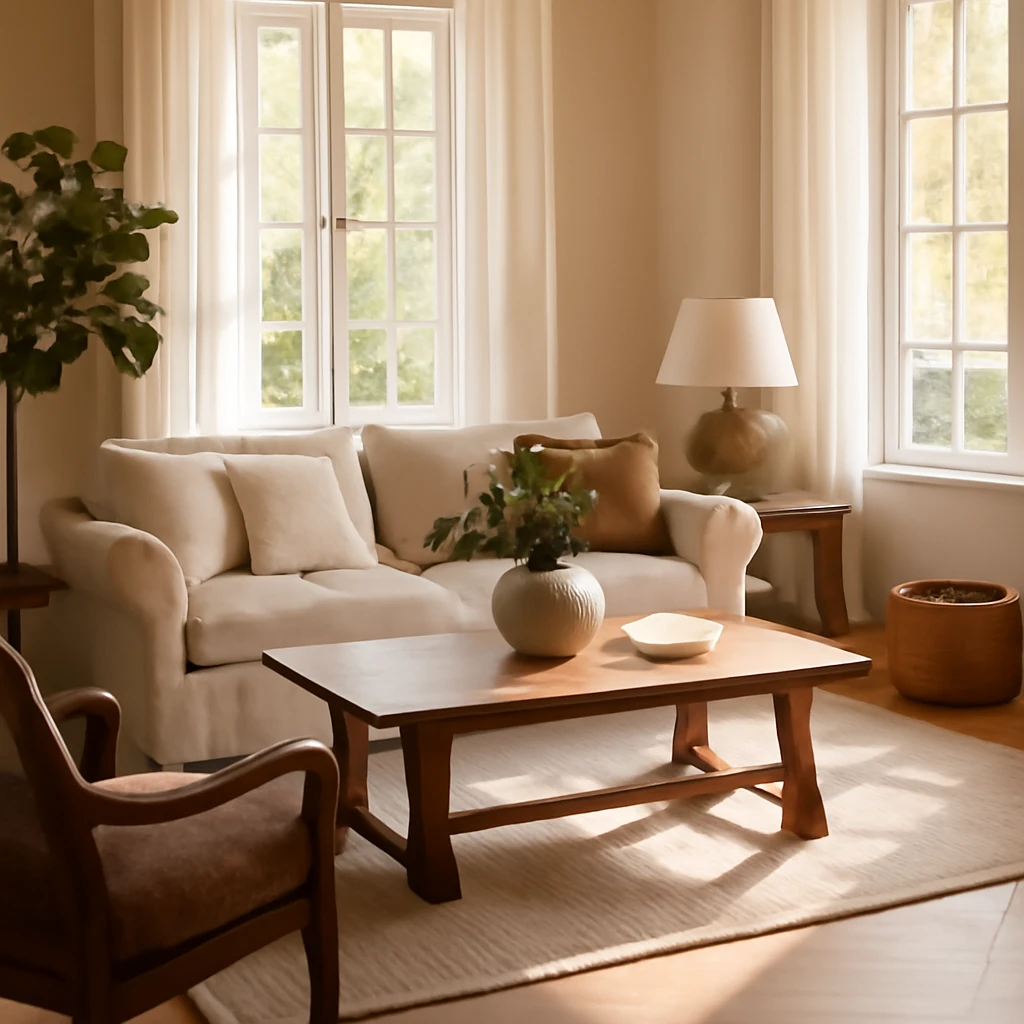
Introduction: designing a European country home for all seasons
The allure of a country house across Europe lies in the prospect of quiet moments, natural materials and spaces that breathe with the seasonal rhythm of the landscape. Whether perched among rolling hills, tucked beside a pine forest or standing on a sunlit coastal plain, a well-considered country home feels both restful and resilient. The design approach here is practical rather than precious: maximise light, create flexible zones, choose durable finishes, and plan with storage, maintenance and energy efficiency in mind. From compact weekender cottages to generous farmhouses, the goal remains the same - rooms that invite relaxation, gesture to the outdoors and age gracefully with you.
What follows is a European-focused guide to starting the project, selecting enduring styles, laying out space intelligently, and choosing palettes and materials that harmonise with the local environment. The emphasis is on adaptability, so you can live well whether you are entertaining guests in the summer or warming a chilly mid-winter evening indoors.
Where to begin: essential planning for a country home
Before committing to finishes, furniture or window treatments, establish the foundations that will influence every decision to follow. A thoughtful start reduces risk, keeps budgets realistic and ensures the final result feels cohesive in years to come.
Budget
Country homes span a wide range of budgets, from economical refreshes to substantial renovations. In many European contexts, modest upgrades that improve insulation, heating efficiency and durability can transform a space without a total overhaul. Consider a phased plan: initial improvements to essentials (heating, waterproofing, moisture control), followed by targeted updates to interiors (soft furnishings, lighting, storage). Emphasise materials that wear well and retain beauty over time, such as timber, natural stone, lime plaster and high-quality textiles. A clear budget with contingency for unforeseen damp, wiring or structural checks will save both time and stress.
Size and zoning
Country houses come in various footprints - from tiny, efficient cottages under 50 m² to light-filled farmhouses of 200 m² or more. The approach to space should respond to size: in smaller homes, open-plan configurations with clearly defined zones work best, in larger properties, consider a central hub (kitchen-dining-living) flanked by quiet rooms (bedrooms, study, snug). Seasonal occupancy can influence layout: plan for flexible spaces that can scale up when guests arrive or down when quiet weekends are preferred.
Style and practicality
Many European country homes borrow from rural, historic or alpine traditions. Practicality often guides the aesthetic choice: rustic charm, robust textiles, and natural finishes that withstand wear and easy cleaning. Styles such as country farmhouse, Provencal-inspired, chalet or Nordic-influenced interiors each offer a distinctive flavour, but the common thread is warmth, texture and a sense of belonging. A unified style should be interpreted through a palette, materials and furniture that you can maintain and replace over time without a complete rebuild.
Materials and durability
Natural materials that age gracefully are particularly well-suited to country homes. Timber framing and cladding, stone floors or stone-look tiles, lime or clay-based plasters, wool or linen textiles, and ceramic or quarry tiles provide texture, warmth and resilience. For exterior and high-traffic zones, select coatings and finishes that resist weather, damp and UV exposure. Where moisture is a concern, combine breathable, thermally efficient layers with modern vapour barriers to support indoor air quality and comfort.
Seasonality and occupancy
A country home in Europe is frequently enjoyed across seasons, from light-filled summers to cosy winter weekends. Design with transitions in mind: outdoor spaces that connect to interiors, light management for shoulder seasons, and heating strategies that balance comfort with energy use. If the home is not used year-round, consider removable or modular furnishings and surfaces that can be easily stored or refreshed when occupancy changes.
Popular styles for European country homes
In European markets, country homes often blend heritage cues with contemporary practicality. The following styles remain perennial favourites, each with defining elements you can adapt to your site and climate.
Farmhouse / Country
Rustic warmth identified by substantial timber, exposed beams, stone or brick floors, and natural fabrics. Furnishings are sturdy and comfortable, with a preference for upholstery in linen and wool, natural wool rugs, ceramic pottery, and a mix of antique and modern pieces. The colour palette tends to be earthy: warm beiges, soft browns, creams, with occasional greens or deep reds to anchor the scheme.
Provencal-inspired
French provincial influence brings lightness and airiness: plastered walls plastered in white or pale pastels, tiled floors, ceramics, and soft, faded fabrics. Distinctive features include arched doorways, distressed wood, distressed white-painted furniture, and a palette of pale blues, lavender, mint and sun-warmed whites. Materials skew toward natural textures and a sun-washed patina rather than formal polish.
Chalet / Alpine
Wood-forward interiors with a sense of solidity and hearth-centric comfort. Expect expansive timber walls, heavy beams, stone fireplaces, and cosy textiles - think shearling, faux fur throws, and woven fabrics. The colour story leans toward browns, creams, slate greys and forest greens, with the occasional red accent to echo alpine warmth.
Retro
Mid-20th-century influences reappear in country settings through vintage furniture, warm chromatic contrasts, and playful accents. A retro country mood embraces mixed eras, bright highlights, and artisan crafts. The palette leans into oranges, olives, teals and sunshine yellows, used sparingly to avoid overwhelming a calm environment.
Nordic / Scandi country
Minimalist comfort with light spaces, clean lines, and a strong connection to nature. Expect light timber, white and pale neutrals, simple furnishings, and a focus on daylight and acoustics. Introduce colour through textiles, artwork, and small architectural accents rather than large-scale features.
Compact country homes on a sensible budget
Europe hosts a spectrum of country residences that are friendly to budgets while still offering character. Two common scenarios emerge: traditional, older cottages and modular or prefab-inspired structures. Each has strategies to maximise comfort and durability without sacrificing charm.
- Older cottages - frequently arising from historic plots or inherited properties, these homes require attention to structure, insulation and damp proofing. Prioritise improvements that improve energy efficiency and comfort: roof insulation, wall insulation or lime plaster updates, draught-free windows, and a reliable heating system. Within these limits, a country style such as farmhouse or Provencal can flourish with well-chosen textiles, soft furnishings and updated lighting.
- Modular or prefab country homes - often rectangular or pitched-roof forms with timber frames or panel construction. They heat well and admit daylight, but may need careful treatment for sound insulation in densely populated areas. For these, contemporary or Nordic-influenced aesthetics often work best, paired with durable flooring, robust kitchen elements and modular storage that can adapt over time.
How to plan space for comfort and practicality
A successful country home centres on spaces that work for living, socialising and resting - with an emphasis on easy maintenance, robust materials, and a design that celebrates the surrounding landscape.
Outdoor rooms as extensions. In milder climates, a well-planned terrace, veranda or pergola can function as a “room” in its own right. Plan access from the living area to a sheltered dining zone, with lighting, heating and weather protection that extend the usability of outdoor spaces well into autumn and spring.
- Dedicated summer dining area under a pergola or lightweight roof
- Flexible seating arrangements that invite conversation and viewlines to gardens or countryside
Summer kitchens and outdoor cooking. A practical approach for long weekends and holidays is to allocate a dedicated outdoor cooking zone - with a robust grill or fireplace, a prep counter, and protected storage for utensils and cookware. A covered workspace with weatherproof surfaces and adequate lighting makes al fresco cooking enjoyable and efficient.
- Weather-protected prep surfaces for salads, dressings and quick meals
- Nearby sheltered storage for fuel, cookware and fire safety equipment
Storage and utility zones. Country homes accumulate tools, garden supplies and seasonal wares. A practical plan allocates space for storage either inside the home (mudroom, utility room) or in a dedicated outbuilding. Accessibility from the exterior reduces the need to traverse through living spaces for everyday items.
Guest sleeping arrangements. When friends and family visit, comfortable sleeping options are essential. Sofas with good support, fold-out beds with added mattress comfort, and a designated space for air mattresses provide flexibility without clutter.
- Consider a compact guest room or a dual-purpose space (study/guestroom) depending on needs
- Invest in mattresses and cushions that endure regular use and maintain comfort
Basements, attics and lofts. A cellar or basement offers climate-stable storage for preserves, wines and non-perishable goods. An attic or loft can become a light-filled bedroom, a cosy study or a playful children’s zone, subject to head height and eaves. Plan with safe access and adequate ventilation to maximise usable space.
Room-by-room planning: practical layouts for a country home
Thoughtful planning begins with the core rooms and extends to ancillary spaces. The following guidance helps you create a cohesive, comfortable home without sacrificing practicality.
Entrance and hallways
The entry should be robust and easy to clean: tile, quarry or enamelled finishes are reliable choices for flooring in high-traffic zones. A mudroom or small vestibule helps to keep dirt at the threshold. Provide ample hooks, seating, and a mirrored or glass-fronted storage solution to keep coats and footwear organised. A well-designed transition between exterior and interior sets the tone for the rest of the house.
Kitchen-dining-living hub
In many European country homes, the kitchen-dining-living space forms the social centre. A large, comfortable sofa or sectional facing a fireplace or focal point creates a natural gathering zone. A long dining table supports family meals and entertaining guests. When space is tighter, consider an island with seating that can double as a buffet for informal meals. Choose durable, easy-care cabinetry and worktops, with subdued hardware to maintain a timeless, lived-in feel. If you opt for open storage, use a balanced mix of closed cabinetry and display shelving to maintain order.
Bedroom settings
Bedrooms in country homes benefit from a calm, insulated atmosphere. Prioritise blackout window treatments, acoustic-aware laminates or carpeting for comfort, and breathable bedding fabrics. A timeless bed frame, functional storage and a nightstand on each side create balance. Where space allows, include a small seating area or a reading corner to complete the retreat-like quality of the room.
Guest rooms and flexible spaces
For families and friends who stay over, flexible layouts are invaluable. A sofa bed in a living room, a pull-out bed in a guest room, or a multi-purpose daybed can accommodate varying group sizes without dominating the main living areas.
Storage and workshop zones
Allocate spaces for tools, garden equipment and seasonal items. A well-organised utility room or a dedicated workshop should be near the exterior access to reduce frequent trips through living spaces. Use tall shelving, labelled bins, and modular cabinetry to maintain order and easy reach of frequently used items.
Attic or loft spaces
Lofts offer opportunities for sleep areas, home offices or hobby rooms. Ensure adequate head height and daylight through skylights or dormer windows, with storage solutions that sit within the eaves to maximise square footage.
Colour and materials: palettes that suit European country homes
Palette decisions influence mood and perceived space more than any other detail. The right combination of colour and material creates harmony with the landscape while supporting practical living. Below are widely adopted directions that translate well across European contexts.
Brown and timber tones
Wood is the true measure of warmth in rustic interiors. Use timber hues to echo cabinetry, floors or furniture frames. Mix light and dark woods to avoid visual monotony and to create depth. Balance strong timber with lighter textiles to keep spaces from feeling heavy.
- Feature a lighter stone or plaster wall to offset dark woods
- Pair wooden surfaces with textiles in neutral or warm hues
Green and botanical notes
Green, from sage to olive, connects interiors with nature. It pairs nicely with natural stone, wicker, linen and warmth from wood. Accent greens with warm taupe or terracotta to keep the mood grounded rather than overly fresh.
White and pale neutrals
Whites and off-whites create a sense of space, especially in compact layouts or rooms with limited daylight. In European settings, white-washed walls, ivory plaster or pale stone floors reflect light and read as timeless backdrops for layered textures.
Pinks, blush and soft corals
Blush tones add warmth and softness without overpowering. Used sparingly on textiles, cushions or a feature wall, they can brighten traditional schemes with modern sensibilities.
Blue and cool neutrals
Soft blues or powder tones evoke sea air or alpine skies, lending calm to bedrooms and living areas. Pair with natural materials and warm lighting to prevent the palette from feeling chilly.
Warm accents and textures
Use ceramics, woven rugs, terracotta tiles, and textured plaster as accents that deepen the sense of place. A well-chosen rug or throw can anchor a room without dominating the overall palette.
Materials and finishes: built to endure and age gracefully
In European country homes, the material philosophy leans toward authenticity and longevity. Prioritise breathability, tactile textures and ease of maintenance. Some reliable combinations include:
- Timber flooring or timber-clad walls with natural oil or wax finishes
- Stone or ceramic floor tiles in high-traffic zones
- Lime or clay plaster walls for breathable, warm interiors
- Natural fabrics such as wool, linen and cotton for upholstery and curtains
- Ceramic or stone countertops with durable voids for cleaning convenience
Interior design rules of thumb for a country home
To create a cohesive country home that remains welcoming over time, consider these practical guidelines:
- Declutter and curate. A well-edited space feels calmer and more liveable. Eliminate non-essential items that will date quickly or complicate cleaning and upkeep.
- Choose sustainable, repairable materials. Select finishes that can be refreshed rather than replaced when keys change hands or styles shift.
- Harmonise interior with exterior. Soften architectural transitions by using materials and colours that reflect the landscape, whether a fields edge, forest, or coastline.
- Plan storage thoughtfully. Allocate dedicated spaces for garden tools, seasonal wares and preserves, with convenient exterior access to minimise daily disruption inside the home.
Final thoughts: turning a country house into a timeless home
A successful European country home weathers changing seasons and evolving needs with grace. It is a place to gather, to slow down, and to feel connected to the land around it. Start with a solid plan, keep materials durable and timeless, and allow spaces to adapt to how you live today and in years to come. Embrace the gentle tension between rustic warmth and contemporary comfort: this balance is what makes a country home feel truly lived-in, resilient and endlessly inviting.
Colour and mood: quick palette references
- Brown timber palette: warm wood tones, soft creams and stone accents to create a grounded base.
- Green and botanical: sage, olive, and moss with natural textures to echo gardens and hedgerows.
- White and pale neutrals: reflective surfaces and breathable textures to maximise light in smaller spaces.
- Pastel accents: gentle pinks, powder blues, and muted lilacs as tactful highlights.
- Blue and terracotta: coastal or hillside schemes that celebrate outside-in living and warmth.
Checklist: quick reference for planning a European country home
- Assess the site, climate and orientation to inform layout and glazing choices.
- Define a sustainable budget with contingencies for structural upgrades and insulation.
- Choose a unifying style that can evolve with you over time.
- Prioritise durable, breathable materials and easy-to-clean finishes.
- Design flexible spaces - living zones that can adapt to guests, work, or quiet time.
- Plan outdoor rooms as extensions of the interior to extend living space year-round.
- Balance natural textures with comfortable modern amenities for everyday living.
- Implement smart storage strategies to keep spaces uncluttered.
- Develop a lighting plan that blends ambient, task and accent levels to suit seasonal needs.
Conclusion
In Europe, a country home offers a unique opportunity to blend traditional craft with modern comfort. By anchoring design decisions in durable materials, adaptable layouts and nature-inspired palettes, you create spaces that feel at once rooted in place and beautifully contemporary. Whether you favour the farmhouse warmth, Provencal lightness, Alpine cosiness, or Nordic simplicity, the most lasting beauty comes from a thoughtful plan, honest materials and a style that will grow with you year after year.
You may also like these articles
 Interior Design
Choosing European Interior Styles: A Practical Guide
A practical, European-focused guide to selecting and applying interior styles.
Bedroom
Choosing the Right Orthopaedic Pillow for a Healthier Sleep in Europe
A comprehensive guide to selecting the perfect orthopaedic pillow for European beds.
Kitchen Design
How to Create a Budget Kitchen with Taste: Practical Tips
Smart, stylish kitchens that don’t break the bank.