
Explore interior trends, AI design insights, styling guides and real transformations
Terraces and Verandas: Designing European Outdoor Living
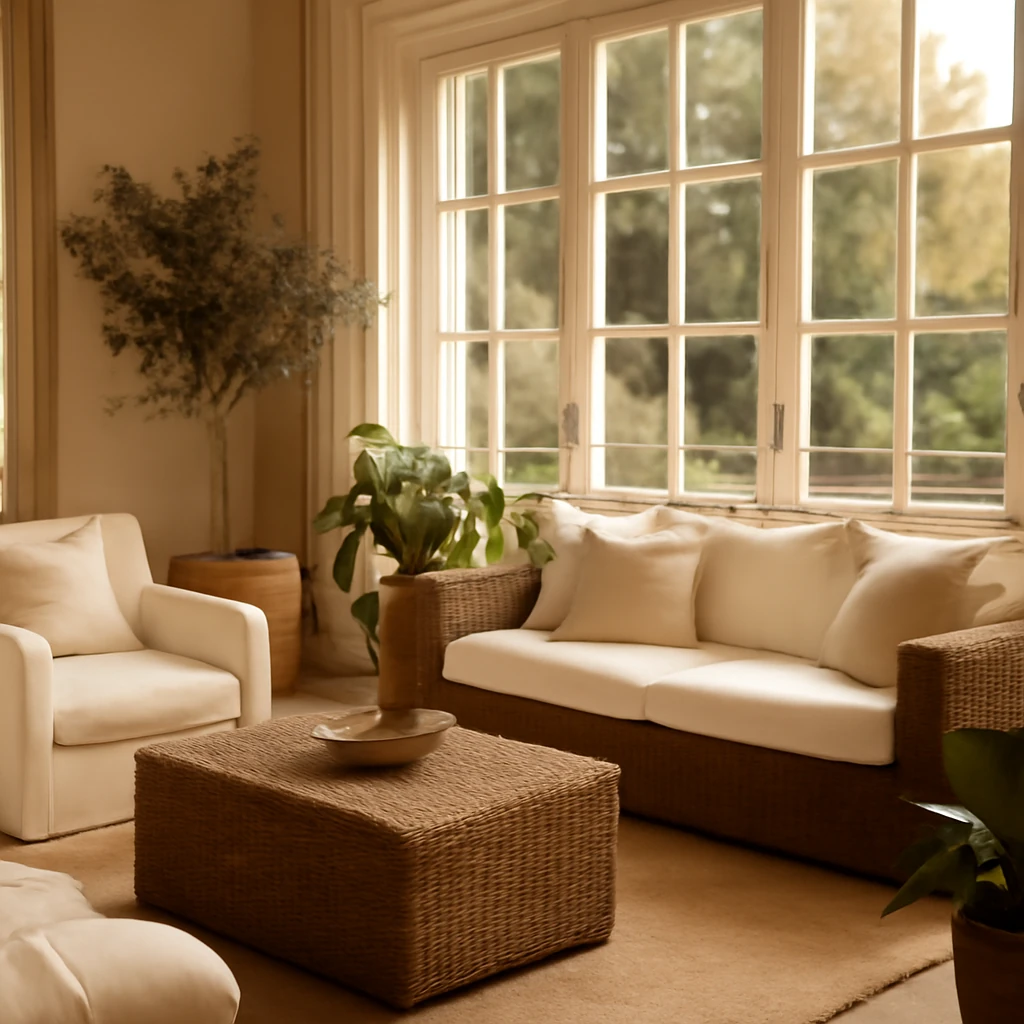
Terraces and verandas: designing European outdoor living
Across Europe, homeowners increasingly extend living space beyond four walls. A well-planned terrace or veranda can transform how we enjoy the seasons, connect with the garden, and improve a home’s value. Yet these two structures serve different purposes and respond to different needs. This guide walks you through the distinctions, materials, and practical ideas for creating durable, beautiful outdoor spaces that feel coherent with European architecture and climate realities.
What distinguishes a terrace from a veranda?
Though the terms are often used interchangeably, a terrace and a veranda describe two distinct architectural concepts. For clarity, we’ll treat them as two separate spaces with specific characteristics that influence design decisions, budget, and long-term adaptability.
Terrace - an open-air space
A terrace is an outdoor space that may be attached to the home or be a freestanding extension. It can have a roof or be entirely open to the sky. The defining feature is openness: no fully enclosed glazing along the perimeter, and often only a simple barrier such as a low balustrade or fence. Terraces are ideal for outdoor dining, sunbathing, barbecuing, and casual lounging when the weather cooperates. They invite a direct connection with the garden or surrounding landscape.
Key advantages include enjoying genuinely outdoor conditions, keeping the house visually uncluttered from outside, and the freedom to create flexible seating arrangements. The downsides are exposure to rain, wind, and insects, which can limit comfort during less-than-perfect weather. In many parts of Europe, terraces perform best when designed with intelligent shade, durable weatherproof furniture, and practical drainage.
Veranda - the enclosed, glazed option
A veranda is an enclosed, often unheated space, protected by walls and glazing. It is typically connected to the main house and topped with a roof, and it may feature sliding or opening glazing. The essential difference from a terrace is the climate-controlled environment: the interior walls and windows reduce wind and thermal exchange, making the veranda a more versatile space for all seasons. Verandas can function as year‑round living rooms, a sunroom, or a transitional space between indoors and outdoors.
In Europe, verandas are commonly designed as light-filled extensions that preserve daylight while offering shelter from wind and rain. They can poorly impact the energy balance if not properly insulated, but when thoughtfully planned, they widen usable space without a full, heated extension. A well-executed veranda is a seamless bridge between garden and home, enhancing comfort in spring and autumn when temperatures are mild but the weather is still changeable.
Materials: what to build terraces and verandas from
Material choice shapes the character, durability, maintenance, and integration with the existing house. The most common materials are stone, brick, timber and metal. Each has its own performance profile in a European context, from northern climes with frost to warmer southern regions with intense sun.
Stone and brick - durable and timeless
Stone and brick are classic choices, especially when the terrace or veranda uses the same material language as the house. If a home is brick-built, continuing the same brick into the terrace walls creates a cohesive extension, stone can be used for detailing or for the terrace floor itself. Both materials offer long-term durability, fire resistance, and a sense of permanence that suits traditional European aesthetics.
Stone and brick structures often require a substantial foundation and proper drainage. The initial investment is higher than for some other materials, but the payoff is in longevity and aesthetic versatility. Brick and stone terraces and verandas pair well with a range of seating, planters, and timber or metal features, ensuring a timeless look that remains current across design cycles.
Timber - warm, natural, and versatile
Timber terraces and verandas are among the most popular options because they are quick to install and easy to adapt. Timber can be used for decking, framing, fencing, and even cladding. It blends seamlessly with many European house styles - from timber-framed homes in central Europe to contemporary brick or stone houses with a wooden terrace edge.
Wood is renewable and tactile, offering a warm, natural feel that softens modern architecture. However, timber requires protection against moisture and pests. Treatments include water-repellent finishes, UV protectants, and anti-rot coatings. For longevity, choose durable timber species, such as hardwood or treated softwoods, and schedule regular maintenance intervals. Fire safety is also an important consideration in some regions, consult local regulations about timber treatments and coatings.
Metal - structural strength with modern edges
Metal is often used for structural elements, frames, roofing supports, or as an accent in combination with timber or stone. A metal framework provides a lean, contemporary silhouette and integrates well with glass and timber. It is essential to protect metal components from corrosion, especially in coastal or rainy climates, through galvanisation, powder coatings, or other protective finishes.
Metal structures can be lighter than masonry, enabling easier extensions or sunrooms. When paired with glass or timber, metal can convey a crisp, modern look that complements many European architectural styles while delivering durability and low maintenance.
What to organise on a terrace
An open terrace can be a bold statement of outdoor living, but planning is essential to ensure it remains comfortable through the year. The following ideas cover zones for relaxation, dining, cooking, sunbathing, and greenery, with practical notes on climate and usability across Europe.
Relaxation zone
A terrace benefits from a dedicated seating area: a sofa or modular lounge, a couple of armchairs, and a robust coffee table. For more compact spaces, a cosy corner with a pair of chairs and a small side table can be enough to create an inviting outdoor room. Materials should be weather‑resistant and easy to clean. Common choices include powder-coated aluminium frames, synthetic wicker, and treated timber. Natural rattan is a beautiful option but can swell with moisture and may require shelter from heavy rain or constant sun, consider placing it under a roof or using it with protective covers.
Shade and wind protection are essential. Consider a pergola, louvred panels, outdoor sails, or tall planting to reduce glare and add privacy. A well-shaded terrace invites use throughout the day and through different European seasons.
Barbecue and cooking area
Outdoor cooking is a timeless delight in Europe, from Italian country houses to Scandinavian homes with robust grill setups. For safety and comfort, position a barbecue or grill on a level, well-drained surface with clearance from walls and overhangs. Create a weather-protected prep zone with a weatherproof work surface, sinks, and storage for tools and fuel. It is wise to design a dedicated zone that can be closed off or shielded in adverse weather, helping to prevent wind-driven smoke from entering the living spaces.
Sunbathing and a solarium corner
Sunloungers or recliners are a staple on spacious terraces. When selecting loungers, prioritise adjustable backs, durable fabric, and quick-drying materials. In sunny climates, consider shading options such as adjustable parasols, screens, or lightweight trellises to prevent heat build‑up and protect furniture from fading.
Summer garden and greenery
Live plants bring colour, fragrance, and a sense of calm. On terraces, plant containers in a variety of heights create lush vertical interest and soften hard edges. Choose weather‑hardy species appropriate for your climate, including evergreen shrubs for year‑round structure and seasonal blooms for colour. A raised bed or a trellis with climbing plants can add privacy without sacrificing light. In drier climates, select drought-tolerant species and use efficient irrigation or self-watering planters to minimise maintenance.
Storage and utility
Weatherproof storage benches, cabinets, and sideboards help keep cushions, tools, and outdoor accessories tidy. A dedicated storage area reduces clutter on the terrace and protects textiles from humidity and sun exposure. Integrate concealed electrical outlets and lighting controls to simplify multi‑zone lighting and power needs without compromising aesthetics.
Verandas: turning a covered space into a year‑round room
A veranda transforms a partially outdoor zone into a year‑round extension of the home, particularly in climates where winter insulation and shading are important. Thoughtful glazing, flooring, and heating can convert a veranda into a comfortable living room, a dining area, or a cosy retreat during the shoulder seasons. Below are key ideas for making the most of a veranda while preserving architectural harmony with the main house.
Year‑round lounge on a veranda
Glazing systems designed for thermal performance help keep a veranda warm in the cooler months and comfortable when breezes pick up in spring and autumn. Consider double or triple glazing, low-emissivity coatings, and a high-performance door system that can open fully to merge with the terrace in milder weather. To maintain an inviting atmosphere, choose outdoor‑design furniture that shades easily from the indoor style, such as lightweight sofas and chairs with removable, washable covers. A plush rug and soft lighting can create a living room mood even in cool seasons.
Kitchen and dining on a veranda
A veranda makes a delightful semi‑outdoor kitchen and dining area. Install a weatherproof cooking station with a protected shelter for smoke exhaust, a durable dining table, and seating for family meals. A veranda kitchen should be designed with efficient ventilation and easy maintenance in mind, so consider integrated drainage for cleaning and shells of materials that resist damp and staining. A pantry or storage wall can house grills, cookware, and dining ware for quick entertaining without leaving the space.
Summer bedroom on a veranda
For warm European nights, a veranda can become a sleeping nook with proper privacy, airflow, and temperature control. Use breathable textiles, light bedding, and a decorative screen to create a calm atmosphere. When the climate cools, consider a compact daybed or a sofa that converts into a cosy sleeping spot. If the veranda is properly glazed and insulated, it can serve as a comfortable daytime resting place or a night-time retreat during milder seasons.
Ideas for verandas and terraces: practical tips and style notes
With open or enclosed spaces, the right furniture, lighting, and details are vital to balance durability, comfort, and aesthetics. Here are practical guidelines to help you select durable, weather-ready pieces and achieve a timeless European look.
Furniture: low-maintenance and adaptable
Outdoor furniture should withstand sun, rain, and temperature fluctuations. In most European climates, materials such as powder-coated aluminium, synthetic wicker, and treated timber offer good performance. Plastic or resin furniture has progressed considerably and now provides a light footprint, easy maintenance, and a wide range of finishes. If you prefer natural textures, choose teak or other durable hardwoods with protective finishes, but be prepared for periodic maintenance.
On open terraces, keep a modular approach: lightweight pieces that can be rearranged for different occasions. For verandas, you can lean into a more refined, plan-friendly setup with durable cushions and removable covers that are easy to wash. Remember to store cushions during heavy rain or winter to prolong their life, or opt for quick-drying fabrics designed for outdoor use.
Lighting: safe, efficient, and atmospheric
Lighting on outdoor spaces should be both functional and atmospheric. Outdoor lighting comes with IP ratings that indicate resistance to dust and water. For terraces under a roof, IP54 is typically sufficient, for uncovered terraces, IP65 or higher is advisable. Verandas benefit from lighting that is protected against humidity and temperature shifts, with lower IP values acceptable in well-sealed spaces. LED LEDs with warm colour temperatures create a welcoming glow, while energy efficiency helps reduce running costs. Plan layered lighting: ambient, task, and accent lighting to highlight architectural features or landscaping.
Decor and textiles: washable, easy-care choices
Choose textiles with removable, washable covers and fade-resistant fabrics. Lamps and light fixtures should be easy to wipe clean, ideally with glass shades or coated surfaces. Use large, durable planters for greenery that can thrive in your climate, and consider seasonal accents such as pumpkins, herbs, or flowering containers to refresh the look without heavy investment. For verandas, a few textiles and soft furnishings can soften the space and invite lounging, while on a terrace you may want to keep a simpler, weather-ready palette.
Plants and greenery: microclimates and sustainability
Plants on terraces and verandas contribute to the microclimate, offering shade, fragrance, and colour. Use a mix of evergreen structure plants and seasonal blooms to maintain visual interest year-round. Consider vertical gardening, window boxes, and trellises to maximise growing space in smaller plots or urban plots where floor area is limited. Irrigation strategies - drip systems, self-watering containers, or simple rainwater collection - help reduce maintenance while supporting healthy plant growth.
Storage, shade, and weather protection
Shading mechanisms - louver systems, pergolas with retractable canopies, and tall planting - help manage sun exposure and maintain comfort. Weather protection for furnishings includes breathable, water-repellent covers and storage for cushions during heavy rain. A well-thought-out storage plan keeps outdoor spaces neat, prolongs the life of textiles, and makes it easier to enjoy the space in changing weather.
Practical planning tips for European homeowners
- Plan for foundations and drainage early. Terraces and verandas are extensions of the home, so ensure the substrate and drainage align with the existing structure and local climate conditions.
- Choose materials that respond well to your climate - consider frost resistance in northern regions, and sun exposure in southern areas. European markets offer a wide range of certified options for durability and sustainability.
- Think about year-round usability. If you live in a temperate climate, a well-insulated veranda with efficient glazing can function as a transitional living room, while a terrace can still be enjoyed for summer gatherings with flexible shade options.
- Consider energy efficiency. A well-insulated veranda can reduce heat loss from the adjacent interior spaces, while a properly shaded terrace helps moderate indoor temperatures. Integrate blinds, screens, or green cover to manage solar gain.
- Respect the architectural language of the home. Match materials and proportions with the house to achieve cohesion rather than a disparate addition. This approach is particularly important in conservation areas or where local planning guidelines apply.
What to remember: a quick recap
- Terrace and veranda are distinct spaces. A terrace is open-air, a veranda is enclosed with glazing and walls.
- Foundations matter for extensions. Brick or metal-and-brick additions require appropriate footings and drainage to integrate with the existing building.
- Outdoor furniture should be durable and adaptable. Invest in weather‑resistant collections that can be reconfigured for entertaining, relaxing, or dining.
- Protection is essential. For terraces, plan for rain and wind, for verandas, ensure thermal performance and humidity control to maximise year-round usability.
- Greenery enhances both spaces. Plan for pots, planters, and vertical planting to soften edges and create microclimates that suit European climates.
In summary, a terrace and a veranda can both enrich living spaces, but the best choice depends on climate, lifestyle, and how you want to use the space most of the year. By selecting materials with durability and beauty in mind, planning zones carefully, and incorporating flexible lighting and soft furnishings, you can create outdoor rooms that feel as integral to the home as any interior. European homes benefit from spaces that harmonise with the landscape, respect architectural language, and offer comfort across the seasons.
You may also like these articles
 Bathroom Design
Five design concepts for European bathrooms: partitions, niches and tile patterns
Five stylish bathroom ideas blending light, texture and clever zoning.
Tips & How-To
Epoxy Resin in European Interiors: Ideas, Techniques and Projects
Versatile epoxy resin ideas for stylish European homes.
Kitchen Design
Designing a Tiny Kitchen: Space-Smart Solutions for European Homes
Space-saving strategies for European small kitchens.