
Explore interior trends, AI design insights, styling guides and real transformations
The Rise of Chenille: Soft Luxury for European Living Rooms
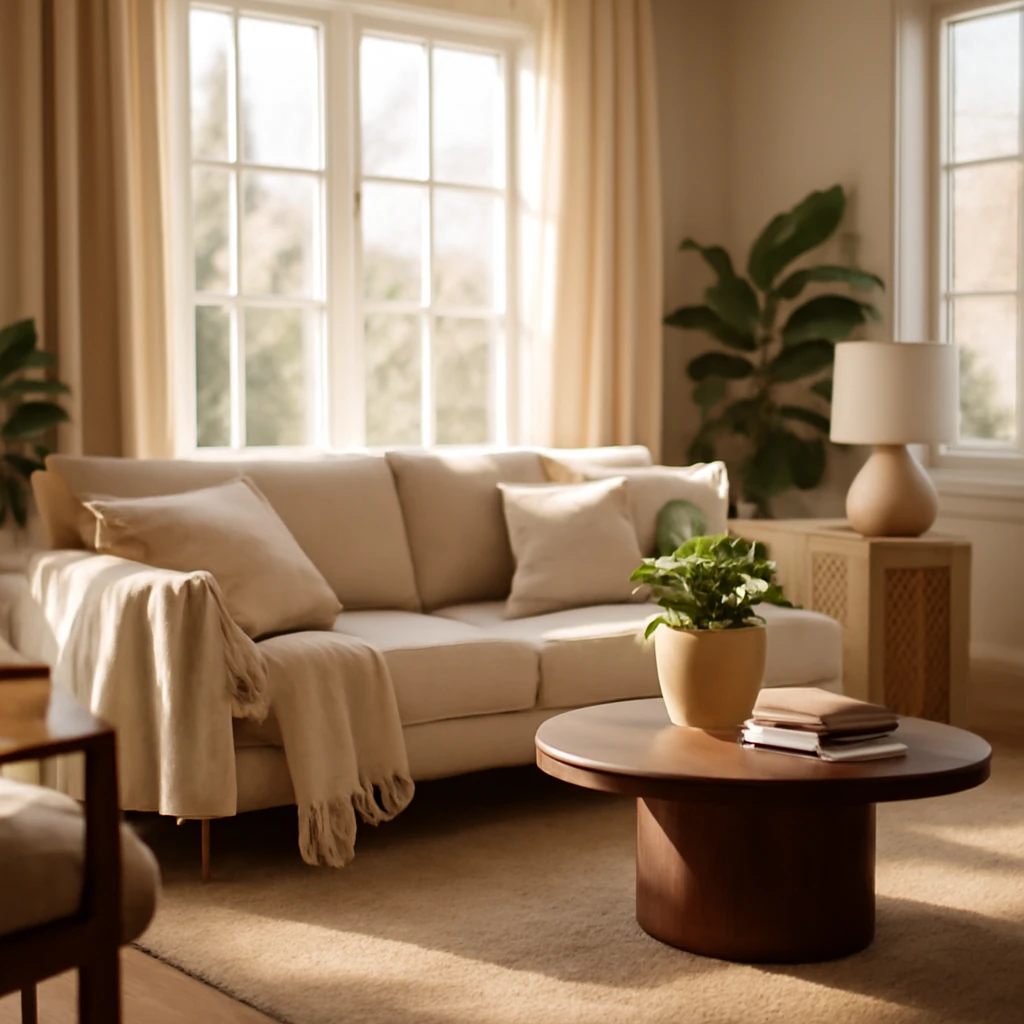
The Rise of Chenille: Soft Luxury for European Living Rooms
Soft, tactile and quietly luxurious, chenille upholstery has moved from the periphery to the very centre of contemporary interior design across Europe. Its plush handle, rich depth of colour and ability to read as both cosy and refined make it a natural choice for living spaces that aim for both comfort and quiet elegance. Yet the appeal goes beyond mere aesthetics. Modern European homes demand fabrics that combine longevity with performance, easy maintenance with beauty, and chenille delivers on several of these criteria in a convincing package.
Chenille is not new to design. It emerged in the United States over two centuries ago as a way of crafting a bold, resilient fibre. The name itself - the French chenille, meaning caterpillar - speaks to its distinctive fuzzy pile that sits softly between a durable base yarn and a delicate surface finish. Today, chenille fabrics are created in Europe and around the world through blends of natural fibres like cotton with synthetic or regenerated fibres such as polyester, viscose, or acrylic. The result is a fabric that can be soft to the touch yet robust enough for daily living, one that looks equally comfortable in a modern apartment and a refined, classic interior.
What is chenille for sofas? Characteristics and overview
Historically, chenille fibers are woven or woven-in pile fabrics that produce a raised, fluffy surface. The core structure may be a smooth warp or pile yarn with napped fibres bound into it, creating that distinctive, lush texture. In European production, chenille is commonly produced through a range of weaves - satin, twill, jacquard or gobelin (tapestry) - each imparting a different visual depth and hand. The resulting textile can appear velvety, tactile and slightly iridescent, depending on the light and colour chosen. The versatile nature of chenille makes it suitable for sofas, armchairs and other upholstered pieces, inviting both bold and restrained design approaches.
From a practical perspective, chenille is typically offered in blends that include natural and synthetic fibres. A higher cotton content tends to feel softer and more breathable, while synthetic components can enhance durability and stain resistance. The textile’s capacity to hold colour well is highly valued in Europe, where many markets prize rich, lasting hues that resist fading under daylight. The weave and fibre mix determine a fabric’s performance in terms of stain resistance, abrasion, drape and ease of cleaning, all of which matter when selecting upholstery for a family living room, a rental property, or a high-traffic lounge at home.
Types of chenille for sofas
Fibre origin and weave define chenille’s performance characteristics. In European practice, chenille for furniture is commonly categorised into three broad families based on fibre composition:
- Natural chenille. This contains a substantial proportion of cotton - typically no less than 60% cotton. Natural chenille feels superbly soft, is generally more breathable and comfortable in warm climates or sunlit rooms. It is environmentally friendly and hypoallergenic, but it can be less resistant to abrasion than some blends, and it often commands a premium price due to the cost of the natural fibres.
- Artificial chenille. A blend of natural and synthetic fibres, engineered to improve durability while retaining the plush hand and colour range. This category balances softness with resilience, making it a popular choice for sofas and other seating where daily use is expected but luxury remains a priority.
- Synthetic chenille. Composed mainly of polyester, acrylic or olefin, with possible additions of viscose and other synthetics. These fabrics tend to be the most robust and stain-resistant, with strong abrasion resistance and colourfastness. They can feel more structured than natural chenille and are generally more affordable, though some users may prefer the warmer tactile quality of natural blends.
Across Europe, fabric suppliers often tailor chenille blends to suit specific environments - living rooms with large windows, city apartments with variable humidity, or family spaces where children and pets are present. The weave determines texture and depth: satin chenille offers a smooth, glossy surface, twill provides a slightly diagonal pattern with a soft bounce, jacquard chenille introduces decorative weaves with richer, more elaborate surfaces, gobelin (tapestry) chenille creates ornate, textile-art-like faces that lend a sense of luxury and tradition to a room.
In practice, the choice between natural, artificial or synthetic chenille is guided by how the fabric will be used, how much maintenance one is prepared to perform, and how the colour and texture align with the room’s character. A living room with frequent daily use and light exposure from large windows might benefit from a durable synthetic or blended chenille with a slightly brushed surface that feels indulgent yet resilient. A snug apartment lounge might embrace a warmer natural chenille for a cosier, more tactile atmosphere.
Durability and wear: how chenille performs over time
Durability is a key consideration for sofa upholstery in European homes. The wear performance of chenille is typically assessed using a Martindale-type abrasion test, which counts the number of cycles a fabric can withstand before abrasion shows. European manufacturers often report a wide performance range for chenille, from tens of thousands to well over a hundred thousand cycles, depending on fibre content and weave. A well-constructed chenille sofa commonly achieves substantially higher cycles than many conventional upholstery fabrics, translating into a practical lifespan of well over a decade with proper care in normal living conditions.
In practical terms, this means that chenille can remain visually appealing and comfortable for many years, even in households with children and pets, provided the weave and finish are appropriate for the expected level of use. The fabric’s ability to maintain its colour and structure - resisting pilling, sagging and surface wear - will hinge on the blend, the finish, and the sofa’s construction (frame, springs, cushion cores) as much as on the surface textile alone.
Advantages of chenille for sofas
Advantages
- Durability and abrasion resistance. When well-made, chenille offers impressive wear resistance. European specifications for upholstery fabrics aimed at heavy-use spaces often position chenille among the more robust textile choices, with modern blends achieving high cycle counts in Martindale testing.
- Colour retention and depth. Chenille’s pile and fibre blend allow rich, saturated colours that stay true over time, resisting dulling from light exposure when paired with appropriate room placement and window treatments.
- Softness and tactile appeal. The characteristic nap provides a feeling of luxury under touch, making sofas inviting for daily use as well as special occasions.
- Low tendency to wrinkle. Chenille tends to maintain a smooth appearance, particularly when backed by a well-constructed frame and sufficient seat support, making it attractive for modern, streamlined interiors.
- Comfort under different climates. The natural fibres paired with appropriate blends offer comfort across temperate European climates, with breathable textures that can feel pleasantly cool in summer and cosier in cooler months, especially when used with a well-draped space.
- Colour versatility. A wide palette - from soft neutrals to deep jewel tones and contemporary brights - lets designers weave the fabric into a range of styles, from minimalist to maximalist, without sacrificing legibility of the space.
- Hypoallergenicity and ecological options. When using cotton-rich or carefully selected blends, chenille can be friendly to sensitive users, and European producers increasingly prioritise low-emission, eco-conscious finishing processes.
A well-chosen chenille sofa can serve as a durable anchor in a living room, providing a high-status feel without the maintenance demands of more delicate fabrics. The fabric’s depth of colour and the way light plays across the surface can elevate a room, emphasising the furniture’s silhouette and the architecture around it.
Disadvantages and caveats
- Sun exposure and fading. Like most textiles with a nap, chenille can fade with prolonged direct sun. In European interiors, generous daylight is common, so thoughtful placement and lighting control (such as sheer curtains or UV-filtering glazing) help preserve colour integrity over time.
- Cleaning considerations. Chenille is not typically designed for aggressive, all-purpose cleaning. Spot cleaning and careful maintenance are advisable, with professional cleaning for more persistent soiling. The fibres may respond differently to moisture depending on blend, so always test a hidden area first.
- Pet claws and snagging. Cats and dogs with sharp claws can snag piles, leading to pulls or fuzzing in high-use zones. Selecting a tougher blend or reinforcing the sofa with a robust weave can mitigate this risk, while keeping the aesthetic intact.
- Care and attention. Chenille surfaces benefit from routine maintenance - gentle vacuuming, avoidance of high heat, and periodic professional cleaning to retain structure and colour. Improper cleaning can cause matting or fibre lift in some blends.
In short, chenille is a fabric that rewards care and thoughtful use. When properly specified for the use-case, it brings a refined, tactile luxury that enhances any European interior, from pared-back contemporary to plush, traditional schemes.
How chenille compares with other popular upholstery fabrics
To help with decision-making, it’s useful to position chenille against other frequently chosen materials. The following comparisons draw on common European design practice and performance expectations.
Chenille vs velvet
| Pleasures of velvet | Drawbacks of velvet |
|
|
Chenille offers a different tactility - soft with a slightly lifted nap that reads as luxurious but less prone to some nap-related changes than Velvet. Where velvet can feel more formal and opulent, chenille tends to be more forgiving for everyday living while still delivering a high-end aura. For high-traffic areas or homes with children and pets, a synthetic or blended chenille usually holds colour and structure better than many velvet variants, though both fabrics can be excellent options depending on the room’s use and the design intent.
Chenille vs coarse weave (rough-weave / rustic textures)
A common European consideration is whether to opt for chenille or a coarse, textured weave (often described as a rustic or rough-weave fabric). Both have a place in contemporary interiors, but they serve different purposes.
| Coarse weave advantages | Chenille advantages |
|
|
The choice depends on the room’s character and maintenance philosophy. A lively family space might benefit from a robust, textured weave that hides wear, while a living room aiming for a refined, intimate mood may lean towards chenille for its tactile warmth and luxe appearance. In many European schemes, designers combine both textures - using a textured sofa as a foundation piece supplemented with chenille cushions or throws - to achieve depth without compromising practicality.
Chenille vs flock
Flock is a non-woven textile with a short, dense pile that can resemble velvet and is valued for its structured, easy-clean surface. It tends to be more affordable and is commonly used for darker colours and high-contrast interiors. However, flock can be more susceptible to snagging and may show wear more quickly in high-traffic zones, unless treated with protective finishes.
| Pro flock | Con flock |
|
|
In comparison, chenille ranks well for everyday comfort, crease resistance, and a more forgiving nap. For homes with kids and pets, selecting a chenille with a robust synthetic component or a plateau of protective finish can offer an appealing balance of aesthetics and practicality.
Chenille vs jacquard
Jacquard refers to fabrics where the pattern is woven into the fabric itself. It can be produced in chenille blends as well, offering decorative depth without the need for printed surfaces. Jacquard presents a more structured look, with a range of patterns - from geometric to floral - built into the cloth. Chenille with jacquard weave can deliver an elevated, tactile surface that reads as sophisticated and refined. However, jacquard fabrics are often more expensive and may require more careful cleaning to protect the pattern from wear over time.
| Jacquard advantages | Jacquard drawbacks |
|
|
Ultimately, the selection between chenille and jacquard depends on the balance you seek between visual impact, ease of care and budget. For interiors that prioritise texture and warmth with a high level of comfort, chenille alone or in blends often provides the most versatile performance, while jacquard can offer a statement piece when used selectively in cushions or upholstered panels.
Care and maintenance guidance
A key advantage of chenille is that, with the right care, it can retain its beauty for many years. European households typically pursue a maintenance routine that respects the fabric’s nap, built-in resilience and finish. The following guidance reflects common practice among professional designers and upholsterers across the region.
- Avoid heat sources. Do not place chenille sofas near radiators or direct heat sources. Excessive heat can cause the nap to melt, flatten or distort. The same guideline applies to ironing, steaming is not recommended for most chenille surfaces.
- Vacuum regularly. Use a soft brush attachment to remove dust and daily grime. Vacuuming helps prevent dust, fibres and pet hair from embedding in the nap, preserving colour and texture.
- Spot cleaning with care. For spills, blot immediately with a clean, dry cloth. Use a mild upholstery-cleaning product or a diluted solution of mild soap and water, then blot again. Always test a hidden area first and follow the product’s instructions. Avoid aggressive scrubbing or bleaches, which can damage the nap and colour.
- Professional cleaning for stains and odours. When in doubt, a professional upholstery cleaning service is advisable. They can apply the appropriate solvent and techniques to avoid distortion or colour fading while addressing stubborn stains.
- Sunlight and colour longevity. Prolonged exposure to strong daylight can fade chenille. Use window treatments or strategic furniture placement to manage sun exposure, especially for darker or highly saturated colours.
- Pet considerations. If pets are present, consider micro-suspension finishes or blends engineered for higher abrasion resistance and easier cleanability. Regular nail maintenance and a covered seating area can also help protect the fabric’s nap and structure.
To maintain a pristine look, consider a blended chenille with synthetic components that increase resistance to abrasion and staining while keeping a soft, luxurious hand. This approach supports longevity for high-use living rooms across European homes, where daily life often involves a mix of family activity, social gatherings and quiet evenings alike.
Guidance for selecting a chenille sofa for different spaces
The ideal chenille sofa for your space depends on how you intend to use it, the light it receives, and the design language you want to express. Below are practical guidelines to help you match fabric, style and construction to several common European scenarios.
- Open-plan living areas with high daylight. Choose chenille blends with strong colourfastness and a pile that reads softly under bright light. Lighter neutrals with subtle sheen can illuminate the space, while avoiding overly pale hues that show every mark. Pair with smart storage, low-profile furniture, and layered textiles to create depth while keeping the room bright.
- Family rooms with children and pets. Prioritise durable blends with higher abrasion resistance and anti-stain finishes. A darker chenille or one with a denser weave can disguise minor marks more effectively, while still offering a welcoming tactility. Consider a sofa with removable, washable cushion covers for practical everyday life.
- Urban apartments with a refined aesthetic. A lacquered wood or metal frame with a compact, well-proportioned chenille sofa can anchor a sleek living room. Subtle, sophisticated colours - stone, slate, or muted blues - balance with architectural features and ensure the space remains versatile for different occasions.
- Cozy traditional or classic interiors. Chenille can read as both comfortable and elegant. Rich, warm tones - deep olives, burgundies, or chestnut - paired with soft lighting create a timeless ambience. In these schemes, a slightly more generous cushion density supports long periods of seating without compromising the chair’s silhouette.
Final considerations: how to choose with confidence
When selecting a chenille sofa, designers in Europe emphasise three core questions: how the fabric will perform in daily life, how it complements the room’s architecture and lighting, and how the sofa’s construction harmonises with the fabric to ensure longevity. The frame quality, springs, and cushion cores matter as much as the textile chosen for the exterior. A well-made sofa with a high-quality chenille cover can perform beautifully for many years, maintaining comfortable seating and an elegant profile as interior trends evolve.
In practice, the most successful european interiors place chenille within a broader material strategy. Use chenille to establish warmth and tactility in the main seating area, but balance it with other textures - velvet for accents, weave textures for ground, and smooth leathers or faux leathers for contrast in a modern context. Fabrics that complement each other in colour, weight and texture create a cohesive, resilient environment that ages gracefully while retaining a sense of luxury.
In conclusion
Chenille sofas offer a distinctive combination of plush comfort, robust performance and timeless appeal. In European design practice, the fabric’s versatility translates into living rooms that feel both sophisticated and welcoming - rooms that adapt to changing needs without losing their character. With careful selection of blend, weave and finish, and a considered approach to care, chenille can be the anchor of a modern interior that remains elegant for years to come.
Whether you favour a softly shimmering neutral or a bold, saturated tone, chenille provides a tactile luxury that enhances both everyday living and special moments. It is a fabric that invites touch, holds colour beautifully, and, when paired with a thoughtful design strategy, elevates any space from functional to unforgettable.
You may also like these articles
 Colour & Materials
Wallpaper or Paint: Choosing the Right Wall Finish for European Homes
A designer weighs walls' worth: paint vs wallpaper across Europe.
Kitchen Design
Loft Kitchen Design: Industrial Chic for European Homes
Industrial chic meets European homes: loft kitchens reimagined
Tips & How-To
A European Christmas Wreath: 2025 Trends, Materials and How-To
A practical guide to stylish Christmas wreaths for European homes.