
Explore interior trends, AI design insights, styling guides and real transformations
How to Create a Provençal Bedroom: A Simple DIY Guide for European Homes
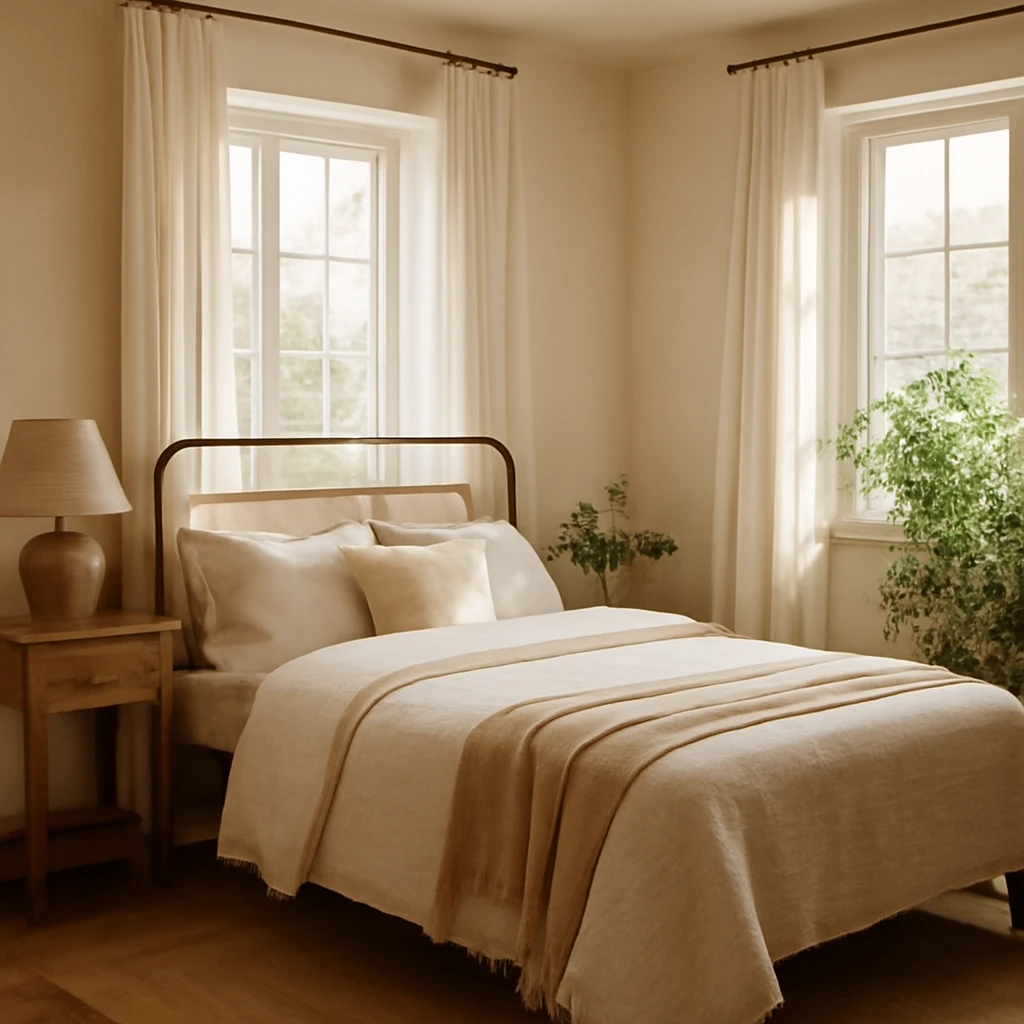
Introduction: Provence-inspired serenity for European bedrooms
The romance of Provence has long influenced European interior design: sun-washed palettes, delicate textures, and a sense of light that makes small spaces feel expansive. A Provençal bedroom blends countryside simplicity with refined charm, inviting rest and gentle moments of daily luxury. This article offers a practical path to achieving a Provençal-inspired sleeping sanctuary in a contemporary European home. It emphasises accessibility, materials, and proportion, so you can realise a personalised look without compromising on comfort or function.
Traditionally, Provençal design embraces a light footprint: airy rooms bathed in daylight, soft textiles, natural timber, and understated ornament. It is not about replicating a tourist postcard but about translating a sensibility - comfort, warmth, and a quiet elegance - into a modern, usable space. While rooted in southern France, its principles translate well across Europe, from the Alpine valleys to the Mediterranean coast, and into city apartments that crave spaciousness and a touch of rustic charm.
Core characteristics of a Provençal bedroom
To create intimacy, comfort and unobtrusive beauty, it helps to know what defines Provençal interiors. The following guidelines serve as a practical checklist when planning or refining a bedroom project:
- Palette: Neutral bases such as cream, ivory, and pale greys, with soft colour accents drawn from nature. Greenish tints, olive, sky-blue, and blush pink can be layered carefully to maintain a calm, sunlit atmosphere.
- Pattern language: Smaller-scale florals and muted botanical motifs are welcome on upholstery and drapery, provided they remain gentle and well integrated with the overall colour scheme.
- Focal point: The bed is the room’s heart. It should be substantial yet comforting, crafted in natural wood and adorned with textiles that emphasise texture and detail rather than loud contrast.
- Furniture silhouettes: Avoid overly ornate pieces, favour carved, simple shapes or slender wrought-iron accents that echo rural craftsmanship without overwhelming the space.
- Materials: Embrace natural materials - wood, linen, wool, jute, and ceramic. Surfaces should have soft finishes that reveal texture rather than shine.
- Light and air: Abundant daylight is essential. Window treatments should frame light rather than block it, with fabrics that feel breathable and casual.
- Decor restraint: Curated decor, botanical touches, and vintage finds work best in measured doses. The goal is a lived-in elegance, not a cluttered antique shop.
These characteristics are deliberately adaptable. In contemporary European homes, you’ll often balance Provençal warmth with modern storage, energy-efficient lighting, and compact layouts, ensuring the style remains timeless rather than nostalgic.
Colours and patterns
The Provençal colour story originates in the sun-soaked climes of southern France and translates beautifully to European interiors. A well-composed palette uses light, neutral foundations with gentle, nature-inspired accents. Consider the following approach when selecting paints, wallpapers and fabrics:
- Base hues: Cream, ivory, warm white, and pale beige form the bedrock of the scheme, creating an instant sense of airiness.
- Secondary tones: Subtle greens (sage or olive), soft blues (pale turquoise or sky), and delicate pinks or blush tones add warmth without overpowering the light-filled ambience.
- Contrasts: If needed, introduce contrast through textures and finishes rather than bold colours. For example, an off-white wall with a slightly textured plaster or a muted wallpaper can add depth without shouting.
- Floral prints: If used, keep flowers small-scale and understated. Apply motifs sparingly to upholstery, curtains or select wall coverings so they feel intimate rather than assertive.
When planning colour blocks across walls or ceilings, aim for balance: if walls feature multiple gentle tones, keep furniture white or pale, and vice versa. The aim is harmony, with colour acting as a soft cue that unifies the room.
Textures and textiles
Textiles are central to the Provençal mood. Linen and cotton fabrics with natural textures emit a cool touch and an easy, lived-in look. Rugs and throws in soft weaves - wool, cotton or jute - help to layer warmth without visual heaviness. Consider a canopy or light-weight drapery around the bed to create a cosy, intimate nook that invites daydreaming and restful sleep.
Finishes and materials
The tactile quality of surfaces is crucial in a Provençal bedroom. The finish should celebrate the beauty of imperfection rather than conceal it. Here are recommended finishes for key surfaces:
- Walls: Textured plaster or wallpapers with gentle relief, simulating a rustic, sun-aged look. Subtle nicks and irregularities are charming if they feel deliberate and pacey rather than neglected.
- Flooring: A parquet floor in light oak remains a classic base. In smaller spaces, pale timber or even large-format wood-effect tiles can mimic the traditional feel while offering practical maintenance. Pair with simple, warm-toned rugs to soften the room.
- Ceiling: Exposed wooden beams - perhaps lightly whitewashed - add architectural interest and reinforce the rustic character. Where beams aren’t feasible, consider timber ceiling boards with a matte finish.
- Doors and windows: Natural timber frames with understated hardware work best. For privacy and light control, opt for frosted or textured glass in light-filled rooms to preserve moderation of daylight.
Walls, floors and ceilings in detail
Walls
The walls should resist the temptation to be perfectly flat. A tactile surface - plaster with a soft texture or wallpaper with a gentle relief - adds depth and character. Consider two-colour schemes with a lighter tone on the ceiling to amplify the sense of space, or one wall finished in a warmer tone to create a feature without overpowering the room.
Flooring
Wooden floors in pale finishes are quintessential to Provençal bedrooms. White oak or ash tones work well with toned-down textiles, while natural woven rugs anchor the space and introduce warmth underfoot. The floor should feel cohesive with the furniture, not competing for attention.
Ceiling
Timber beams, particularly when left visible and simply finished, are a defining feature. If authentic beams aren’t feasible, consider a painted ceiling with a shallow timber relief or a decorative beam structure that hints at the same rural aesthetic. The goal is to keep the ceiling visually calm and continuous with the rest of the room.
Doors and windows
In a Provençal bedroom, doors and windows are treated as part of the architectural frame rather than utilitarian openings. Natural timber is preferred, with minimal mouldings. Glass details can be frosted, etched, or lightly textured to soften daylight. The aim is to let as much natural light as possible in while maintaining privacy and thermal comfort.
Lighting: soft, ambient and sculptural
Lighting in a Provençal space should feel abundant and nuanced. The aim is to create a warm, even glow that mimics the theatre of the late afternoon sun. Layer light sources to avoid harsh shadows and to support different activities - from morning preparations to evening reading. Consider the following:
- Centrepieces: A statement chandelier or a pair of wide-shaded pendants can evoke a refined, timeless feel without diagrammatic modernity.
- Wall lighting: Sconces with soft metal finishes in warm tones pair nicely with carved wood or wrought iron accents.
- Lamps and task lighting: Bedside lamps or small floor lamps with fabrics in linen or cotton provide gentle light and texture.
- Natural light: Use light, breezy curtains or voile drapes that soften daylight while maintaining visibility and airiness.
Ensure lighting temperatures stay warm (around 2700–3000 Kelvin) to reinforce the cosy, welcoming atmosphere that defines Provençal interiors.
Furniture: proportion, texture and refined simplicity
Furnishings in a Provençal bedroom strike a balance between functionality and delicate elegance. Choose pieces that communicate craftsmanship and restraint rather than opulence. Here are practical guidelines for selecting and arranging furniture:
- Bed as focal point: The bed is typically a crafted wooden piece with carved details or a wrought-iron headboard. It should be substantial but not overpowering, with a clear emphasis on textile finishes - the bedding, cushions, and canopies that frame it.
- Nightstands: Place small, gracefully carved or simple metal-framed side tables on each side of the bed. They should be functional and proportionate, offering space for lamps, books, and small personal objects.
- Storage: Choose light, unobtrusive storage such as a slim dresser, a dresser with a curved silhouette, or a small armoire. If space is limited, consider wall-mounted cabinetry and floating shelves to keep the floor area open.
- Seating: A woven rocking chair, a small upholstered bench at the foot of the bed, or a compact wooden chair can add comfort and a touch of rural charm without crowding the room.
- Finishes and upholstery: Preference for natural woods, with surfaces slightly lighter than the bed to keep visual balance. Upholstery should be fabrics like tapestry, calico, or linen in gentle prints or solid colours that complement the palette.
Proportion is essential. In European homes, many bedrooms are compact, so scale matters: furniture should enhance the sense of space, not crowd it. Leave generous footpaths and ensure a comfortable flow between the bed, wardrobe, and seating area.
Bed design and textiles: the heart of Provençal comfort
The bed is not merely a place to sleep, it is the stage for textiles that convey the Provençal mood. Wood carvings, wrought-iron details, and soft, layered fabrics create the room’s visual narrative. Consider the following design cues:
- Headboard and frame: A carved wooden headboard or a delicately shaped metal frame can serve as the focal point. Look for natural finishes and gentle patination that accents the room’s softness.
- Bedding: Embroidered or appliqué details, lace trim, and pale-toned textiles set the tone. Choose covers in white or pale cream with subtle floral embroidery or delicate trims to reinforce the feminine, romantic feel.
- Textile layering: Start with a flat sheet and a light duvet cover in a solid neutral. Add cushions in varying textures and a light throw or quilt for depth on the foot of the bed.
- Canopy and drapery: If space allows, a light canopy or sheer curtains can enhance intimacy and create a gentle cocoon effect around the bed.
Decor and accessories: controlled romance
A Provençal bedroom thrives on curated, meaningful objects rather than a surplus of trinkets. The aim is to evoke memory and place - simple, well-chosen pieces that tell a quiet story. Here are ideas for decorative elements that feel authentic and refined:
- Textiles and cushions: Layer cushions in different textures - twill, linen, linen-blend fabrics - with subtle floral motifs or delicate stripes. Linen curtains, soft throws, and a mix of textures add warmth without visual heaviness.
- Storage and display: Use shuttles and small chests, wicker baskets, and open shelves to display ceramics, porcelain, and vintage-inspired objects. Reserve shelves for a few treasured pieces rather than a wide collection.
- Curios and keepsakes: A few well-chosen items - handcrafted figurines, small boxes, and hand-painted plates - bring character without clutter.
- Art and landscapes: Soft landscape paintings or prints with pastoral scenes integrate seamlessly with the colour story while keeping the mood serene.
- Floral life: Fresh flowers or realistic artificial arrangements in ceramic vases bring vitality, but keep arrangements simple and evenly spaced to avoid visual overload.
- Mirrors: Framed mirrors, particularly in carved wood or wrought iron, help reflect light and extend the sense of space. Place them opposite windows to amplify daylight.
Importantly, avoid turning the bedroom into a museum by overloading surfaces. Provençal style honours memory and practicality: every object should have a reason to be present, contributing to a sense of calm and invitation to linger.
DIY approach: planning and executing a Provençal-inspired makeover
Translating Provençal elegance into a real home requires a thoughtful, phased approach. The following guide offers practical steps to achieve a cohesive result, whether you are re-decorating a master bedroom or giving a guest room a Provençal refresh:
- Define the scope: Assess the space, noting natural light, existing furniture, and architectural details such as beams, window sizes, and door styles. Decide which elements will be preserved and which will be updated to support the Provençal mood.
- Establish a palette: Choose a soft base (for example, warm white or cream) and select three accent colours drawn from nature. Ensure the tones work well with the floor and existing timber features.
- Plan the layout: Prioritise the bed as the room’s anchor. Ensure there is a comfortable circulation path around the bed to the wardrobe and seating area. In compact rooms consider a wall-mounted storage solution to free floor space.
- Texture strategy: Curate textures across walls, floors and textiles. A textured wall finish, a timber floor, linen curtains, and a woven rug create depth and warmth.
- Materials and finishes: Select furniture in natural wood with light finishes. If metal accents are included, choose warm-toned wrought iron or antique brass to maintain cohesion with the rustic mood.
- Lighting plan: Layer light sources for different times of day. Combine ambient, task and accent lighting to achieve a flexible and inviting atmosphere.
- Decorational balance: Curate a few well-chosen pieces per category (textiles, decor, artwork) and group them thoughtfully to avoid visual noise.
- Execution and maintenance: Work in stages, starting with walls and ceiling, followed by flooring, and finally furniture and textiles. Select durable fabrics and easy-care finishes to sustain the look with minimal effort.
By approaching the project with deliberate restraint and a clear sense of proportion, you can realise a Provençal-inspired bedroom that feels both timeless and entirely contemporary.
Practical tips for European homes
While Provence-inspired design is rooted in a specific regional character, it translates well across Europe. A few practical considerations help adapt the style to urban apartments, coastal homes, and countryside houses alike:
- Small spaces: Emphasise vertical elements - tall curtains, high-mounted shelves, and slender bed frames - to create a sense of height and airiness. Use mirrors to reflect light and extend the perception of space.
- Climate considerations: In warmer climates, lighter fabrics and breathable textiles reduce heat retention. In cooler regions, layer textures to insulate softly without creating heaviness.
- Storage strategy: European bedrooms often require compact storage solutions. Choose multipurpose furniture - beds with drawers, ottomans with hidden compartments, or slim chests that maintain openness.
- Sustainability: Prioritise responsibly sourced wood, natural fibres, and finishes with low chemical impact. Furniture and fabrics with a durable, timeless appeal reduce the need for frequent replacements.
- Personalisation: Infuse the space with pieces that reflect local craft traditions or family memory, ensuring that the overall mood remains calm and cohesive rather than eclectic.
Decorative motifs and accessory ideas
Provençal styling thrives on a curated collection of decor that speaks to heritage and quiet luxury. Here are adaptable ideas to help you refine the room’s character without drifting into clutter:
- Ceramics and porcelain: Display a small selection of hand-thrown dishes or figurines on a dresser or a shelf. Choose pieces with soft glazes and subtle patterns that complement the palette.
- Floral textiles: Use floral upholstery or drapery sparingly. Pair with solid-colour cushions to balance visual weight and preserve a serene environment.
- Art and landscapes: Choose gentle landscape paintings or prints with pastel tones. Frames in natural wood or antique finishes support the rustic mood without drawing attention away from the bed.
- Plants and botanicals: Incorporate potted herbs or small flowering arrangements to bring fresh life and a hint of Provence into the room.
- Lighting accents: Candles or candlesticks add warmth and a sensory layer, but use them thoughtfully to avoid overpowering the practicality of daily use.
Maintenance and care
A Provençal-inspired bedroom should age gracefully. Regular care keeps textures and finishes looking as intended rather than becoming weathered or neglected. Consider these practical maintenance guidelines:
- Wood surfaces: Dust and wipe with a soft cloth, treat occasionally with a gentle wax or oil suitable for the wood type to maintain its warm patina.
- Fabrics: Choose fabrics with durable weaves and easy-care properties. Follow washing instructions for linen and cotton blends to preserve texture and colour.
- Beams and ceilings: Inspect timber beams for any signs of wear or moisture. Clean beams with a soft brush and avoid harsh cleaning agents that can damage the finish.
- Windows and curtains: Regularly wash or dry-clean curtains and inspect window frames for draughts. Light-filtering fabrics help maintain a comfortable climate while preserving a bright atmosphere.
Conclusion: a Provençal sanctuary for modern European living
Translating the Provençal language of light, texture and quiet luxury into a contemporary European bedroom is a rewarding endeavour. By focusing on a restrained colour scheme, tactile finishes, and thoughtfully selected furniture, you can create a space that feels both timeless and modern. The key is balance: allow room for light, texture, and personal objects, but avoid overcrowding. In doing so, your bedroom becomes a serene escape - a refined, understated reflection of Provençal charm that works effortlessly within diverse European settings.
You may also like these articles
 Tips & How-To
Four DIY tables from boards: four models with plans and practical guidance
Four practical board-based tables you can build at home, with clear plans and finishing tips.
 Trends
Rethinking Ceilings: European Trends in Finishes, Light and Form
A guide to European ceiling design trends, materials, lighting and colour.
Outdoor & Terrace
This is beautiful: 30+ ideas for stylish garden beds
Ideas to elevate every European garden with practical, stylish raised beds.