
Explore interior trends, AI design insights, styling guides and real transformations
Wall finishes for European hallways: eight top materials and ideas
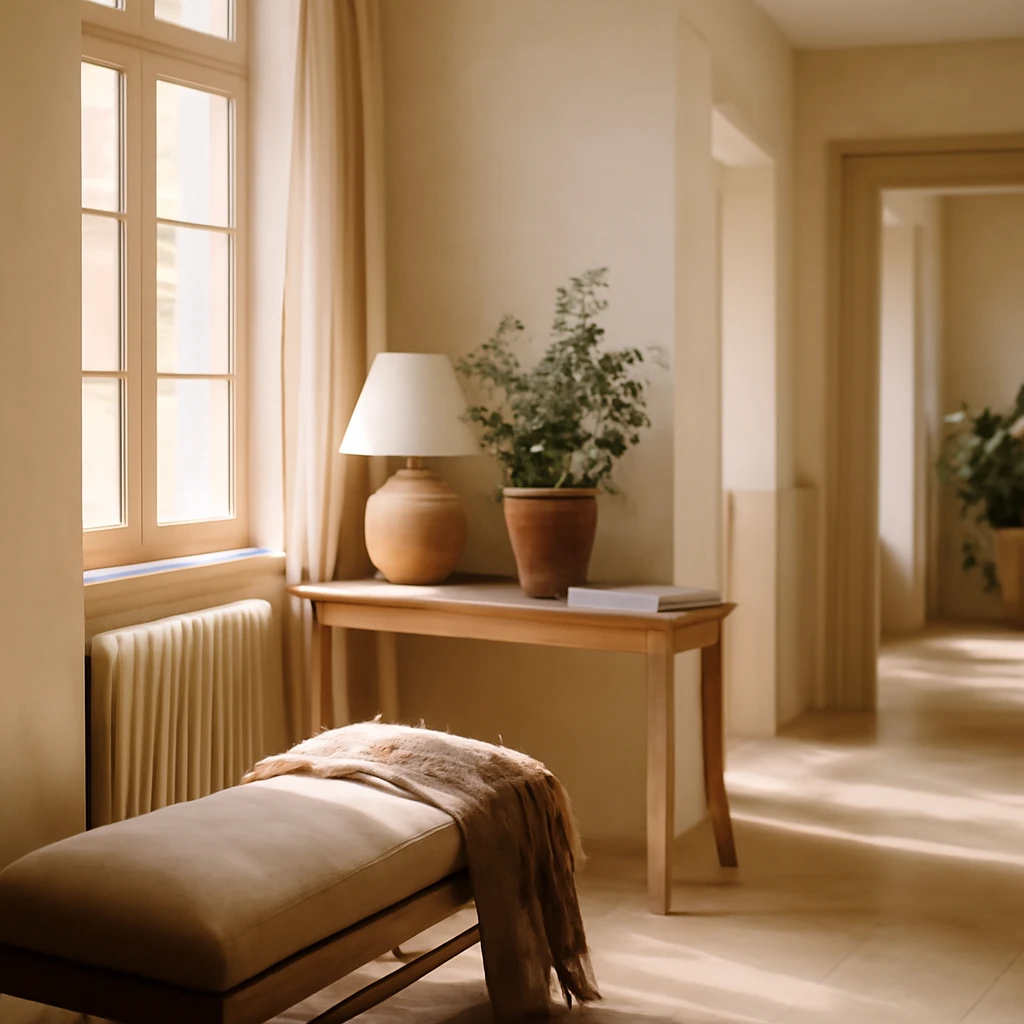
Hallway wall finishes: an introduction
The hallway is often the first face of a home, especially in European cities where entrances vary from compact city flats to generous terraced houses. A well-considered wall finish can withstand daily wear, resist dirt and moisture, and still contribute to a welcoming atmosphere. Material choices must balance practicality with aesthetics: durability for high-traffic zones, ease of maintenance, and the ability to adapt to changing styles over time. In this guide we explore eight reliable wall finishes for hallways and entrance spaces, with practical guidance tailored to a European context.
Hallway wall finishes: key considerations
Before choosing a finish, it helps to define how the space will be used and what you want it to communicate. Hallways often function as a utilitarian corridor, yet they also set the mood for the home. Consider these priorities:
- Durability and wear resistance. Hallways face knocks from bags, shoes, shopping and children’s activity. Prioritise finishes that resist scratching and scuffing.
- Longevity and service life. A robust finish should withstand several years of use without frequent restoration.
- Cleaning and maintenance. Materials should tolerate routine cleaning, including damp wiping where appropriate.
- Repairability. If a panel or finish gets damaged, repair should be feasible without redoing the entire wall.
- Safety and environmental impact. Choose low-emission materials that are non-toxic and compliant with local fire-safety regulations.
Colour and texture dramatically influence perceived space. Light, warm tones can visually expand a narrow corridor, while textures add depth and character. Careful lighting, mirrors and well‑chosen detailing can amplify the effect of the chosen finish.
Best materials for hallway walls
Below are eight materials commonly used for hallway walls in European homes. Each has its own strengths and considerations, so the right mix often lies in combining surfaces to protect the most vulnerable areas while keeping a cohesive look.
Decorative plaster
Decorative plaster offers a vast range of textures, from smooth and velvety to tactile and relief-like. When finished with bespoke additives, plaster can mimic concrete, lime or silk textures, enabling a custom feel without heavy architectural changes. Benefits include:
- High durability and wear resistance when properly applied.
- Excellent breathability, contributing to healthy indoor air quality, especially in older European buildings with moisture considerations.
- Non-toxic and naturally fire‑retardant characteristics of many traditional plaster formulations.
- Long lifespan with proper maintenance, making it a cost-effective choice over time.
Disadvantages include the need for skilled installation and potentially higher initial cost. Complex architectural features or irregular walls may require more preparation and skilled workmanship.
Paint
Paint remains one of the most versatile and economical options. A broad palette enables precise coordination with flooring and furniture, while finishes can range from matte to satin to high-gloss. Paints also allow artistic effects, including colour blocking or subtle colour shifts with lighting. Types commonly used in hallways:
| Finish type | Advantages | Disadvantages |
|---|---|---|
| Latex-based | Highly durable, washable, good moisture handling | Older coatings can be hard to remove, prolonged moisture may cause cracking if applied over unsuitable substrates |
| Water-based emulsions | Low odour, affordable, quick to dry | Some varieties may mark with scuffs, less durable in very high-traffic zones |
| Acrylic | Fast-drying, durable, resistant to wear | Colour matching can be challenging if attempting custom blends |
| Silicone | Excellent resistance to weathering and stains, good washability | Higher cost and consumption in large walls |
Regardless of type, surface prep is essential: walls should be smooth and free of defects, or the finish will reveal imperfections. A quality undercoat improves adhesion and longevity.
Wallpaper
Wallpaper remains a classic option for hallways, offering vast patterns, textures and finishes. It is important to choose wallpapers that tolerate cleaning and humidity levels typical of entry spaces. Common European-friendly options include:
- Washable vinyl wallpapers, which hide uneven surfaces, are easy to clean and come in many textures and patterns. They’re affordable and versatile, though moisture management remains key to prevent browning or peeling in damp areas.
- Non-woven (floated) wallpapers, durable and easy to install, with the ability to be painted or refreshed later. They require a well-prepared, even base.
- Fibreglass or glass cloth wallpapers, tougher and more resistant to moisture, suitable for high-traffic entrances. They take paints well and provide a robust surface for future updates.
- Quartz wallpapers and micro-textured finishes, offering tactile depth and light reflectivity. These can be more costly but create durable, refined looks.
- Liquid wallpaper, a plaster-like finish that forms a seamless panel. It offers high durability and easy repairs, though price and installation familiarity vary by market.
Key considerations when selecting wallpaper include moisture exposure, base preparation requirements and the ability to repair or refresh without a full revamp. Where walls have irregularities or joints, wallpapers with strong backing and forgiving textures perform best.
Stone and engineered stone
Stone finishes – especially engineered or cultured stone – provide a premium, tactile surface that can resist daily bumps and scuffs with graceful patina over time. These surfaces are often used to create a feature wall at the entrance or to highlight architectural elements such as recesses. Benefits include:
- Excellent durability and UV resistance, maintaining colour integrity in well-lit hallways.
- High resistance to moisture and stains when properly sealed.
- Lifetime appeal, natural stone aesthetics remain timeless and adaptable to various European interior styles.
Drawbacks involve higher material costs, more complex installation, and the need for proper sealing and maintenance. For practicality, many designers apply engineered stone only on focal zones (e.g., the lower wall, behind a bench or reception area) rather than the entire hallway.
Tile and porcelain stoneware
Ceramic tile and porcelain stoneware offer exceptional durability and cleanability. They are particularly well-suited to the most exposed sections of a hallway: the lower wall, entry columns or splash zones near doors. Advantages include:
- Outstanding abrasion and moisture resistance, easy to clean with damp cloths and mild cleaners.
- Wide range of textures and finishes that mimic wood, stone or luxury materials at a lower maintenance cost.
- Long service life, with proper grout maintenance and periodic sealing where necessary.
Considerations include the need for professional installation, grout maintenance, and slab or tile size selection to control lines and maintenance. A common European approach is to tile the lower third or a defined setback area rather than the entire wall for practicality and budget control.
PVC wall panels
PVC wall panels are a practical solution for entry zones requiring quick installation and moisture resistance. They come in extensive colour palettes and textures, and are frequently used in combination with paint or plaster for accent zones. Key benefits:
- Low cost and rapid installation, making them a popular choice for retrofit projects.
- Strong moisture resistance and straightforward cleaning with standard household cleaners.
Limitations include reduced impact resistance (dents or dings from sharp objects) and potential UV fade in sunlit areas. Panels also require a simple substructure and careful edge detailing to avoid gaps and moisture ingress.
MDF panels
Medium-density fibreboard (MDF) panels provide a high-fidelity wood or stone appearance at a lower cost than solid timber. Their advantages are:
- Controlled, consistent finishes with excellent dimensional stability when properly sealed.
- Wide range of veneers, laminates and paints to mimic natural textures without hefty weight.
- Relatively easy to install and maintain, with good impact resistance for interior use.
Disadvantages include substantial weight and sensitivity to moisture if untreated, framing work is often required to support panels, and some finishes may pose fire-safety considerations in certain jurisdictions. When used in hallways, MDF panels are typically applied to strategic areas or as panelling to protect walls from scuffs and dirt.
Composite 3D panels
3D panels in composite materials (including glass, plaster, wood composites and resin) create expressive textures that play with light and shadow. They are commonly used to make a bold entrance wall or to define a micro‑zone within a longer corridor. Benefits include:
- Affordably dramatic, with rapid installation compared to bespoke plasterwork.
- Good ability to hide minor wall imperfections and to transform a plain corridor into a visual feature.
- Relatively easy to replace a damaged panel without reworking the whole wall.
Main drawback is the higher price relative to standard finishes and the need for careful installation to avoid warping or misalignment over time. Planning and precise measurement are essential for seamless results.
Choosing the right finish for your hallway
Hallways are transitional spaces. They connect rooms, absorb footsteps and adapt to seasonal lighting. When selecting finishes, consider how the space relates to adjacent rooms as well as the specific conditions of the hallway itself.
- Functionality: decide whether the hallway will primarily store coats and footwear or function as a display area for art and photography. This will influence whether you prioritise durability or decorative impact.
- Wall preparation: plaster and natural stone require professional installation and appropriate moisture management, washable paints and vinyl wallpapers are more forgiving for DIY projects.
- Moisture and ventilation: in spaces with higher humidity or poor ventilation, consider finishes with moisture resistance and easy cleaning capabilities.
- Lighting: poor lighting can reveal wall imperfections. Lighter tones with reflective surfaces help bounce light, while textured finishes can add warmth when light levels are lower.
- Maintenance rhythm: think about how quickly you want to refresh the look. Paints and wallpapers offer refresh opportunities at a lower cost than full overhauls of plaster or stone.
- Neighbouring spaces: coordinate with the colour and materials used in adjoining rooms to ensure a cohesive flow throughout the home.
Niches, alcoves and architectural features
Hallways often include niches, alcoves or arched openings. These architectural elements are ideal for creating focal points, but they require thoughtful detailing. Approaches include:
- Contrast: use a different finish or colour inside niches to create a visual pop and highlight the feature.
- Integrated lighting: add concealed LEDs or small wall lamps to draw attention to the niche without cluttering the space with free-standing lighting.
- Furniture layering: in deeper alcoves, consider built-in storage, a bench with a back panel finished in a protective material, or open shelving for display items.
- Proportions: in shallow niches, keep the finish simple to avoid overwhelming the wall. In deeper alcoves, a softer texture can create depth without overpowering the space.
Colour: palettes that work in European hallways
A careful palette can visually expand a narrow corridor or ground a bold design scheme. Consider these guidelines and suggestions for European homes:
- Light neutrals: warm creams, soft beiges and pale taupe create airiness and warmth, making a corridor feel more generous.
- Timber and earth tones: olive green, clay, terracotta, and soft browns pair well with natural materials and wooden floors, delivering a welcoming, timeless look.
- Greys with warmth: a spectrum from soft greys to graphite can define a modern backdrop while remaining versatile for furniture and textiles.
- Accent hues: use a single bold colour sparingly on one wall, a painted panel, or within niches to avoid overwhelming the space.
- Cool whites with subtle warmth: near‑white shades with a hint of beige or grey often read as fresh and contemporary while staying practical in daily use.
Remember that lighting influences colour perception. A north-facing hallway may benefit from warmer undertones to counteract cool daylight, while a well-lit southern exposure can support cooler, crisp tones for a modern look.
Design ideas and practical layouts for hallways
Effective hallway design combines storage, traffic flow and visual interest. Here are approaches that translate well across European homes:
- Layered storage: incorporate closed storage with accessible hooks and benches for a tidy appearance that manages mud, footwear and outerwear.
- Zoning through finishes: use a protected material (such as ceramic tile or reinforced panels) on the lower wall where boots and bags are most likely to contact, while the upper wall remains in a decorative finish.
- Mirrored strategy: strategic mirrors amplify light and space. Position mirrors to reflect light from any available windows or artificial lighting, avoiding direct glare.
- Vertical emphasis: in narrow corridors, soft vertical stripes or a continuous wallpaper pattern can visually elongate the space, horizontal patterns can widen a short hall but may reduce perceived height.
- Lighting hierarchy: combine ambient lighting with task lighting near seating or storage zones. Dimmable options help adapt the mood for different times of day.
Finishing the interior corridor: practical notes
Interior corridors and secondary passages are marginally less exposed to moisture than external entrances, but foot traffic and cleaning demands place distinct stresses on wall finishes. Here are practical guidelines to maximise durability and ease of maintenance in indoor corridors:
- Choose washable finishes by default. In busy households, matt or satin paints with high scrub resistance, vinyl wallpapers or glass-fibre wallpapers offer durable performance with minimal upkeep.
- Protect vulnerable zones. The lower third of walls in entry spaces benefits from more rugged finishes (tile, PVC panels or stone) to resist scuffs, damp pockets and shoe contact.
- Think future-proofing. When selecting finishes, consider how the space could be adapted to changing needs, such as adding storage or reconfiguring furniture. Choose materials that can accommodate updates with minimal disruption.
- Maintenance planning. Set a realistic plan for periodic checks of sealant joints, grout lines (if used) and any edge trims. Early maintenance minimises larger repairs later.
Practical targets for European hallways
European homes vary from compact city apartments to larger townhouses. Regardless of scale, some practical targets help ensure longevity and a timeless aesthetic:
- Limit the number of wall finishes in a single hallway to maintain coherence and ease maintenance.
- Use protective materials on the most vulnerable sections, such as doors, corners and the baseboard line.
- Choose finishes with proven performance in humid or damp-prone environments if your hallway is adjacent to bathrooms or kitchens.
- Coordinate with adjoining spaces to create a harmonious transition from entry to living areas, dining rooms or stairwells.
Project sequencing: from concept to execution
Turning a hallway concept into a finished project involves a logical sequence of decisions and trades. A typical workflow might include:
- Concept development: establish the desired mood, materials and palette in relation to adjacent rooms.
- Durability assessment: review moisture levels, cleaning regimes and frequency of use to determine suitable finishes for different zones.
- Surface preparation: ensure walls are flat, sound and dry. This might involve plastering or patching defects before applying finish.
- Application and installation: engage skilled trades for plaster, tiling, paneling or wallpaper as required. Precision in joins and edge details matters for a refined result.
- Finishing touches: add lighting, trims, mirrors and furniture that harmonise with the chosen finishes without overpowering the space.
- Maintenance plan: outline routine cleaning, periodic refresh, and long‑term preservation strategies.
Final thoughts: timeless hallways for European homes
A successful hallway finish balances protection with personality. By combining durable materials with thoughtful colour and detailing, the entrance becomes a warm, resilient zone that stands up to daily use while setting the tone for the rest of the home. Whether you opt for the crisp sophistication of a refined plaster, the practical elegance of ceramic tile, or the tactile richness of 3D panels, the best choices are those that suit the space, the climate, and the way you live. The result is a hallway that neither hides its dirt nor fears its daily trials, but embraces them with calm, contemporary style.
Notes on implementation
For projects involving plaster, stone or large-format panels, consult qualified professionals to ensure correct substrate preparation, moisture management and long-term stability. For DIY-friendly finishes such as paint and some wallpaper types, careful surface preparation and appropriate tools will yield satisfactory results with a reduced budget.
No metadata or author details are included within this article."
You may also like these articles
 Small Spaces
Six Smart Plans for a 10 m² European Bedroom
Small in size, big on style: six 10 m² bedroom ideas.
Colour & Materials
Grey Wallpaper: Turning 'Grey' into Subtle Luxury Across European Homes
Grey wallpapers unlock timeless, flexible interiors across Europe.
Kitchen Design
Designing a European Kitchen: Colour, Layout and Finishes
A contemporary guide to European kitchen design from palettes to layouts and finishes.