
Explore interior trends, AI design insights, styling guides and real transformations
Timber at the Heart of European Interiors: Crafting Warmth, Texture and Balance
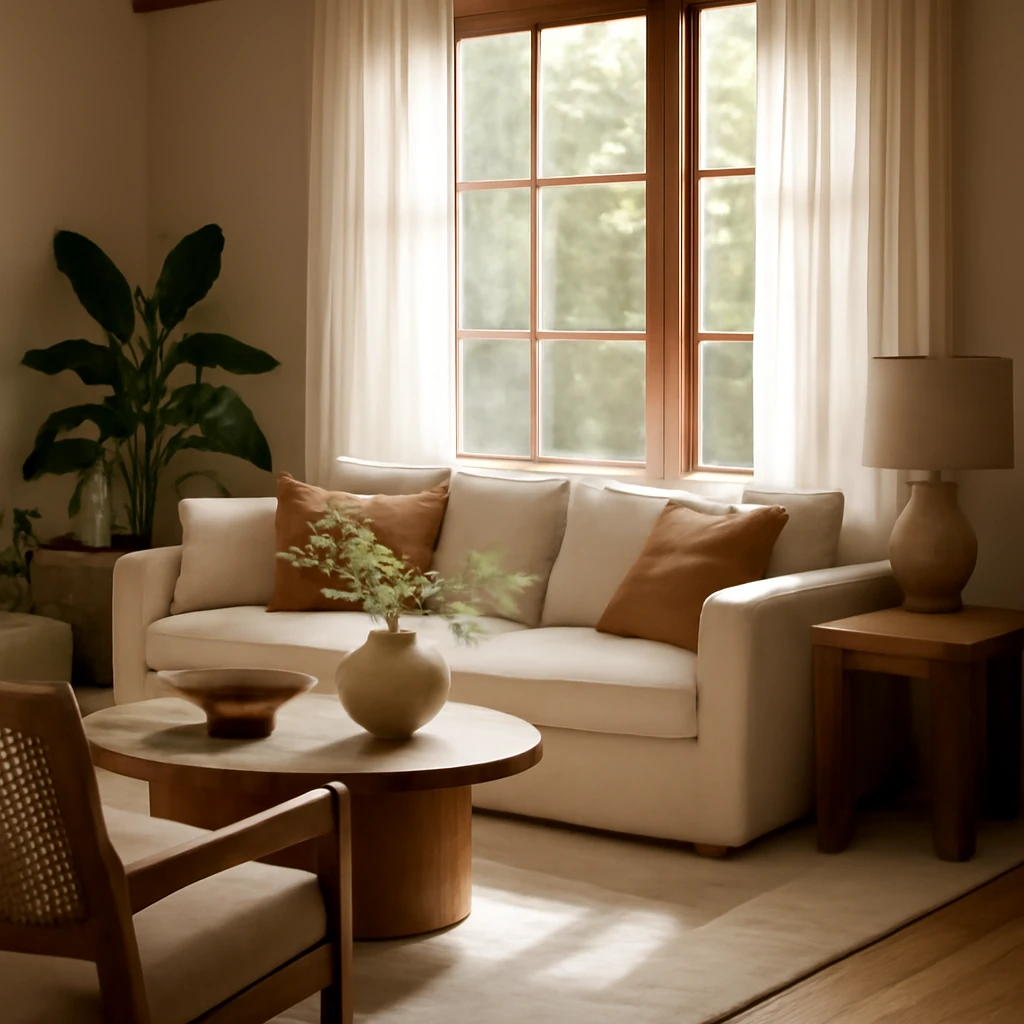
Timber at the heart of European interiors
Timber has long been a cornerstone of European design, offering more than warmth and beauty. It brings a natural connection to the seasons, a tactile richness underfoot, and a sustainable approach that modern homes increasingly demand. The contemporary timber story is not a single look but a slate of possibilities: from sculptural wall panels and ceiling treatments to durable floors and cosy furniture. The aim is to craft interiors that feel comfortable, refined and resilient - homes that age gracefully rather than becoming outdated.
Across Europe’s diverse climates, timber proves its versatility. In maritime climates with higher humidity, well-designed timber systems survive with appropriate finishes, in drier continental environments, warm wooden tones can soften hard surfaces and accentuate natural light. Whether you favour the Scandinavian-influenced minimalism of pale woods or the luxurious depth of dark timbers, wood can be a unifying material that ties together architecture, furniture, textiles and lighting into a coherent, long-lasting aesthetic.
Materials, finishes and how they shape a timber scheme
When planning timber in interiors, a fundamental choice is between solid wood, engineered wood and wood veneers. Each option has a distinct character and practical implications, particularly for walls, floors and ceilings where longevity and stability matter as much as appearance.
- Solid wood offers authentic texture, visible growth rings and a sense of permanence. It can be sanded and refinished many times, which makes it ideal for floors, feature walls and furniture that you expect to last for decades.
- Engineered wood (plywood or plywood-based panels with a solid veneer) provides greater dimensional stability, reducing shrinkage, warping and movement in spaces with fluctuating humidity.
- Wood veneers deliver the look of premium timber at a lower cost and with lighter weight. Veneers can be applied to panels and furniture while using less material impact, making them suited to feature walls and cabinetry.
- Laminate and polymer-backed panels offer practical, low-maintenance options, particularly for kitchen cabinetry and wall panels that endure heavy use. Quality laminates can emulate a wide range of timber visuals with excellent wear resistance.
Finishes are equally important as the timber itself. A hard-wax oil or penetrating oil enhances natural grain, emphasises texture and improves matteness. A polyurethane or UV-cured varnish provides superior scratch resistance and washability, which is advantageous in high-traffic living areas or kitchens. For bathrooms and wet rooms, moisture-resistant finishes with mould inhibitors are essential. In all cases, choose a surface that aligns with how you live, how much time you want to spend maintaining finish, and how the space reads in daylight.
Choosing the timber species and the character it delivers
The species you select determines how the wood behaves over time, its colour palette, and the tactile feel of the interior. European timbers offer a broad spectrum of character - from pale, butter-soft hues to richly dark, almost chocolate tones.
- Oak remains the quintessential European timber: durable, with a refined grain that wears beautifully over years. Light oak opens spaces, while brushed or oiled finishes reveal depth without heaviness.
- Beech offers a smooth, uniform surface with a soft warmth. It pairs well with contemporary textures and lighter décors, including coloured textiles and pale stone surfaces.
- Ash presents a lively grain with modern appeal, ideal for accent walls, floating shelves or furniture with a sculptural edge.
- Walnut brings depth and luxury, especially in furniture and feature panels. It’s excellent for making a statement in living rooms or bedrooms when balanced with lighter materials.
- Cherry, chestnut and beech variants provide warmth with subtle tonal shifts, useful for creating cosy corners or traditional-meets-modern schemes.
- Maple, birch and other pale species can brighten interiors and work well when you want light-reflective surfaces paired with bold textiles or dark hardware.
In practice, many designers blend species to achieve a layered look - pale floors with a darker timber feature wall or a beamed ceiling paired with lighter cabinetry. The key is to balance contrast with coherence so the timber feels like a deliberate, integral part of the architecture rather than a collection of separate accents.
Colour, texture and finish: building a coherent palette
Timber interacts with colour in compelling ways. Light woods reflect natural daylight, warming rooms without visually narrowing them. Mid-tones offer a versatile backdrop for an array of textiles and metals, while dark timbers add depth and drama. When pairing timber with other materials, consider the following guidelines:
- Pair light woods with cool whites, stone greys and cool metals for a crisp, contemporary look. Add soft textiles in oatmeal, sand or dove grey to keep the space inviting.
- Warm, medium-toned woods (honey, amber, light walnut) blend beautifully with terracotta, muted greens and soft blues, evoking a cosy, grounded atmosphere.
- Dark timbers (walnut, wenge-inspired finishes) benefit from lighter surroundings - cream fabrics, ivory walls and pale flooring - to prevent the room from feeling enclosed.
- Polished metal accents and matte black hardware always elevate timber by adding visual contrast and precision to the design narrative.
- Natural versus treated finishes influence mood: untreated or lightly oiled timber emphasises tactile texture and warmth, while high-gloss or lacquered surfaces offer a more formal, reflective edge.
Texture is equally important. A mix of smooth surfaces with lightly brushed or riven textures prevents the timber from dominating while ensuring a tactile richness that invites touch. The result is a space that feels layered, not flat - a hallmark of timeless European design.
Practical considerations: maintenance, durability and climate
Wood requires respect for humidity, temperature fluctuations and wear. The European climate varies - from the damp coastal belt to dry continental interiors - and timber must be chosen and finished accordingly.
- Moisture management is critical for floors and wall panels. In kitchens and bathrooms, humid zones benefit from engineered wood or moisture-resistant finishes, along with well-sealed joints and suitable ventilation.
- Durability depends on thickness and construction. Floorboards typically range from 15–20 mm for solid wood, engineered options may use a solid wood veneer 2–6 mm thick on a stable core. For panels, expect 8–20 mm thickness depending on usage and profile.
- Maintenance varies by finish. Oils and waxes require more regular upkeep but preserve a natural look and feel, varnishes and polyurethanes offer easier cleaning and longer intervals between maintenance cycles.
- Cleanability is a practical concern in family homes. Timbers with smooth finishes are easier to wipe clean, textured finishes hide dust but may require occasional brushing or vacuuming to maintain even appearance.
- Refinishing is a long-term strategy. Solid wood floors can be sanded and re-finished multiple times, while engineered boards have limited but adequate opportunities to refresh the surface without compromising stability.
Consider lifecycle costs rather than initial price alone. A well-chosen timber system, correctly finished and maintained, can outlive many alternative materials, offering superior resale value and reduced replacement cycles - a compelling argument in European markets that value durability and provenance.
A grounded palette: timber and colour in practice
Wood interacts with light in ways that can transform a room’s atmosphere through the day. In bright spaces with ample natural light, pale timbers can feel almost airy, whereas in rooms with limited daylight, warm woods help create a welcoming glow. When integrating timber into a space, use it as a unifying thread rather than a series of isolated accents. A coherent palette might feature:
- A base of light oak floors and beech cabinetry paired with soft neutral walls in warm white or alabaster.
- A mid-toned timber feature wall or ceiling beams in elm or ash, offset by charcoal textiles and natural linen drapery.
- A bold statement piece in a dark timber - such as a walnut sideboard or a mahogany-toned dining table - with lighter surroundings to balance weight.
- Metallic accents in brass or blackened steel to punctuate the timber’s grain and add contemporary edge.
Remember that timber is a natural material, expect subtle colour variation even within the same batch. Embrace these nuances as part of the design language. In a European context, where historical masonry meets modern systems, timber can bridge old and new by softening sharp lines and introducing warmth to stone, brick, or concrete.
Timber in the living room
The living room is where timber can express personality without overpowering the space. Consider a layered approach: a timber floor with a restrained timber feature wall, complemented by fabric textures - plush sofas, wool throws, and linen upholstery. A timber coffee table or media console can anchor the seating zone, while light timber shelving or built-ins create order and display space without visual heaviness.
Be mindful of scale. In compact living rooms, avoid heavy, continuous timber sur-faces that visually compress the space. Instead, use timber for a focal element - such as a fireplace surround or ceiling beams - while keeping walls and ceilings light and reflective to maintain airiness. In larger rooms, timber can be used more freely: extended wall panels, tray ceilings, and expansive floor finishes that guide movement through the space.
Timber in the bedroom
Bedrooms benefit from timber that supports a sense of calm and enclosure. Lighter woods such as ash or beech help create a tranquil backdrop, while walnut or oak accents provide depth without creating visual heaviness. Timber floors can be softened with high-pile rugs and layered textiles in warm neutrals. For wardrobes and built-in storage, consider timber veneer surfaces with integrated, handle-less profiles for a streamlined, serene aesthetic.
Acoustic performance is often overlooked in bedroom design. Timber’s natural density can contribute to sound dampening when combined with soft furnishings and textiles. Consider feature wall panels behind the bed or a timber headboard integrated into the wall for both visual impact and acoustic benefits.
Timber in the kitchen
The kitchen presents a practical and expressive canvas for timber. Cabinets in engineered wood or hardwood veneers are common, offering durability with a refined appearance. Wood can be used for countertops, islands, and open shelves, but requires finishes that resist moisture, heat, and stains. A popular approach is pale timber cabinetry with a contrasting countertop (stone or metal) to create a bright, clean kitchen. Alternatively, darker timber cabinets with brass hardware can bring warmth and a touch of luxury to contemporary kitchens.
Consider timber in the ceiling or as wall cladding in zones away from direct water splash areas to achieve texture and warmth without compromising maintenance. If used around the dining area, timber surfaces can soften the acoustic environment in open-plan layouts, reducing echo and creating a more intimate dining experience.
Timber in the hallway and entrance
The entry sequence sets the tone for a home. Durable timber floor finishes are ideal in hallways and entrance corridors where traffic is high and mud or rain is common. A timber-wrapped stair or a timber-clad feature wall can create a strong first impression, while built-in storage in timber veneers offers organised space for outerwear, shoes and accessories. A carefully placed timber console or bench can anchor the space and invite guests to pause before moving further into the home.
Timber in the home office and study
Home offices benefit from timber that promotes focus and warmth. A timber desk with a refined finish, complemented by shelving and wall panels in similar tonal ranges, can create a cohesive work environment. Where acoustic control is important, consider timber wall panels or a timber slatted ceiling to absorb sound and add visual interest. The collaboration between timber, glass, and metal elements can yield a contemporary, professional atmosphere ideal for productive work sessions.
Maintenance, care and longevity
Maintenance is a practical aspect of timber-rich interiors. Regular cleaning with a soft, damp cloth is usually sufficient for most finishes. Avoid harsh chemical cleaners that can degrade surface coatings. For oiled or waxed surfaces, periodic reconditioning with the appropriate product is recommended - typically every 6–24 months, depending on use and exposure. Scratches or scuffs on solid timber can often be repaired by light sanding and refinishing, while engineered surfaces may require professional refinishing for larger areas.
Sunlight and UV exposure influence timber colour over time. In rooms with abundant daylight, UV-protective finishes or window treatments that filter light can help maintain colour uniformity. Conversely, spaces with limited light may benefit from slightly warmer timber tones to prevent the atmosphere from feeling too cool or flat.
Sustainability, ethics and provenance
In Europe, responsible timber sourcing is a growing priority. Seek materials certified by recognised schemes that verify sustainable forestry practices. Local or regionally sourced timber not only reduces transport-related emissions but also supports local economies and reduces grey-market risks. When possible, specify timbers that have undergone responsible processing and finished with low-VOC (volatile organic compound) coatings to improve indoor air quality. For heritage or restoration projects, combining traditional timber craftsmanship with contemporary finishes can honour historical context while delivering modern performance.
Planning a timber-centric interior: practical tips
Before committing to a timber-led scheme, consider the following checklist to achieve a balanced, lasting result:
- Define your concept early. Decide whether you want a light, soft-scandinavian feel, a refined contemporary look, or a warm, rustic vibe. Your timber choice should support this concept rather than fight against it.
- Assess environmental conditions in the space - humidity, sunlight, traffic and water exposure - to choose appropriate species and finishes.
- Plan transitions between timber and other materials. A clear rhythm - wood, stone, fabric - helps the eye travel through the space and prevents the timber from dominating everything.
- Invest in quality anchors - floors, ceilings and built-ins - that will take the most wear and contribute to the space’s longevity.
- Blend with textiles and furniture - soft textures reduce the potential for timber to feel clinical. Combine wool, linen, cotton and natural fibre fabrics for warmth and tactility.
- Think about maintenance - different finishes require different care schedules. Create a plan that fits your lifestyle and time available for upkeep.
- Consider future adaptability - timber surfaces can be refreshed, but plan for life changes by keeping a modular approach to furniture and wall panels.
Conclusion: timber as a unifying, evergreen material
Timber remains an enduring language in European interiors because it speaks warmth, texture and stability. It scales from the quiet sophistication of a light oak floor to the dramatic elegance of a walnut feature wall, always with a sense of grounded natural beauty. When thoughtfully selected and properly finished, timber can harmonise with contemporary technology, traditional architecture and sustainable living goals alike. It invites touch, it welcomes light, and it ages with character - an ally for homes that aim to be both stylish and comfortable for many years to come.
You may also like these articles
 Colour & Materials
Colour-smart kitchens: nine wall palettes for European homes
Nine versatile kitchen wall colour palettes for European homes
Kitchen Design
Smart placement of power: expert guidance on kitchen outlets and switches for European homes
Master kitchen power layout with practical, code-conscious guidance.
Colour & Materials
Yellow Sofas: Colour, Scale and Styling for European Living Rooms
How to choose and style a yellow sofa for European living spaces.