
Explore interior trends, AI design insights, styling guides and real transformations
Timber wall finishes: nine options for European homes
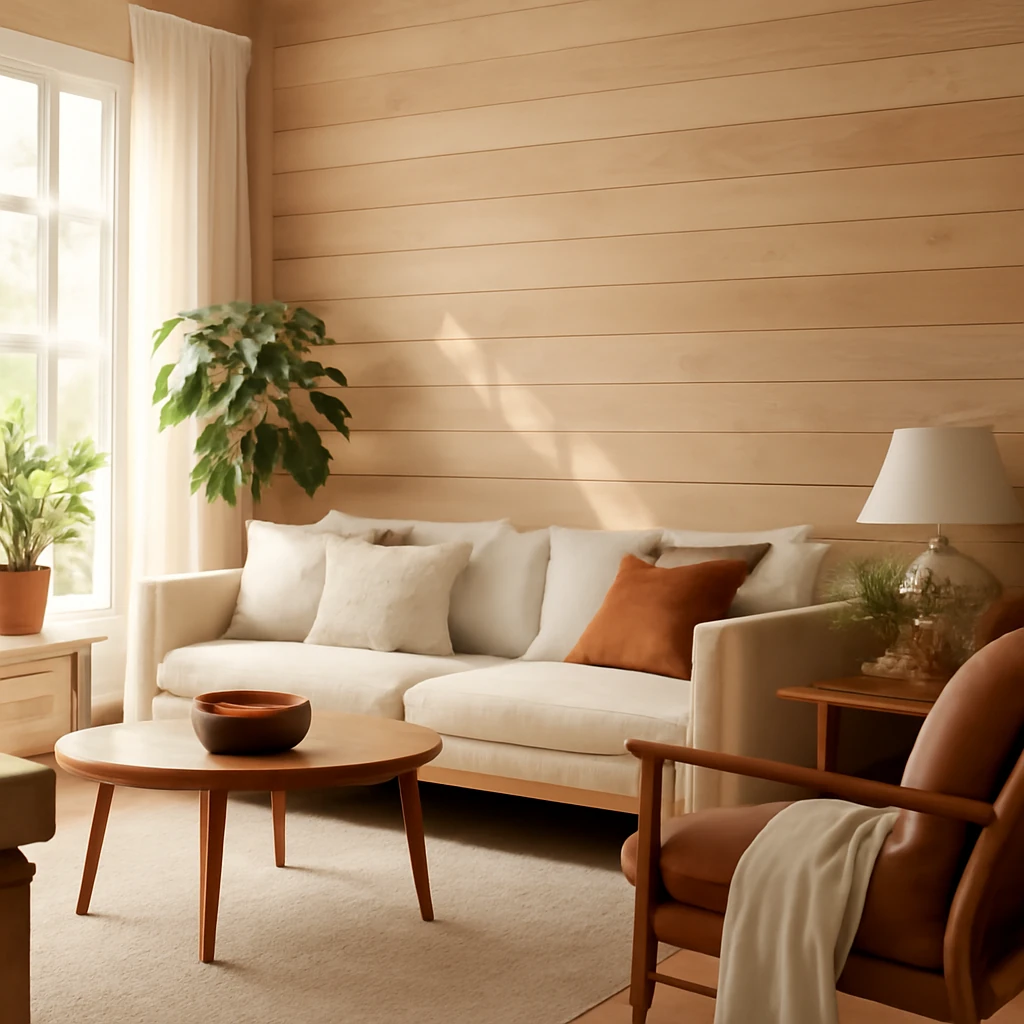
Timber wall finishes: nine options for European homes
Wood has a timeless ability to transform interiors across Europe. From compact city apartments to generous countryside houses, timber walls bring warmth, texture and a sense of craftsmanship. Used thoughtfully, timber can be durable, adaptable and stylish for decades, with finishes that range from subtle to statement. Here we present nine timber wall finishes arranged by budget, with practical guidance on materials, finishes and installation.
Budget options
1. Tongue-and-groove cladding
Tongue-and-groove boards provide a classic and versatile solution for internal walls. Interlocking boards come in a variety of widths and profiles and can be left natural, stained or painted in a colour that suits the room. A wider board profile offers a contemporary backdrop, while a narrower profile creates a refined, understated texture.
When used in moisture-controlled spaces, ensure boards are rated for interior moisture or install behind a suitable barrier in wet zones. Often paired with whitewash or light colours in Nordic-inspired schemes to maximise glow and warmth in the space.
For which styles: Nordic, rustic, Provencal, eco, budget-friendly modern interiors.
2. Timber boards
Solid timber boards - across species such as pine, oak or larch - offer a tactile surface with natural grain. They can be laid horizontally, vertically or diagonally, and finished with oil, wax or paint. A mixed palette of tones or a staged gradient can create depth at modest cost, provided the boards are stable and properly acclimatised before installation.
For which styles: Nordic, rustic, chalet, eco, minimalism.
3. Laminate panels
Laminate panels reproduce timber looks at a friendly price and are quick to install. They provide reliable durability and wipe-clean surfaces, making them suitable for busy living spaces. However, laminate is less breathable than natural wood and may not be ideal in spaces with high humidity for extended periods.
For which styles: Modern, eclectic, contemporary interiors.
4. OSB – oriented strand board
OSB panels offer an inexpensive and expressive alternative with a distinctive texture. They work well in spaces seeking a raw, architectural feel or a Nordic-meets-industrial aesthetic. OSB can be left exposed or finished with paint or a clear sealing varnish. It is not typically suitable for those with severe allergies, and finishes should be used to optimise surface stability and cleanliness.
For which styles: Urban Nordic, contemporary, experimental interiors.
Mid-range options
5. Parquet, engineered, or solid timber wall panels
Timber panels designed for walls can mirror floor finishes. Parquet patterns such as herringbone or chevron bring geometry and warmth to a room, while engineered panels provide stability in a range of European climates. Solid timber panels convey timeless luxury and depth, though they require careful maintenance to preserve colour and texture over time.
For which styles: Modern classic, eclectic, eco, minimalism, contemporary interiors.
6. Aged or distressed boards
Aged or distressed boards evoke a sense of history and craftsmanship. Wide boards with a patina or narrow boards with subtle wear can be used to create rustic or vintage-inspired interiors. Reclaimed timber is popular in sustainable schemes, but ensure it is responsibly sourced and properly sealed to mitigate movement and insect risk. Finishes such as wax, limewash or a tinted varnish can emphasise the patina while protecting the surface.
For which styles: Vintage, Provencal, country, eco, Nordic-inspired interiors.
7. Ends and offcuts
A creative approach uses the ends of boards and offcuts to form a wall with varied tones and grain. This method requires more planning and execution, but can yield a striking tactile surface. Different species create a colour palette and textural contrast, lay them in linear arrangements, chevrons or a decorative collage, and finish with a protective coating to preserve colour and texture.
For which styles: Country, chalet, eco, occasional Scandinavian styling.
Expensive options
8. Wall panels and veneered panels
High-end wall panels and veneered panels deliver the beauty of premium timbers with controlled production and sustainability. Oak and walnut veneers, for example, can be laid in clean planes or embellished with delicate inlays of metal or stone. Engineered veneers provide dimensional stability across European climates, while the most luxurious variants use solid panels and meticulous joinery for seamless surfaces.
For which styles: Chalet-inspired luxury, modern classical, Art Deco, English or American traditional interiors.
9. Classic carved solid timber panels
In heritage-inspired or grand country houses, carved solid timber wall panels create a room-defining sense of drama. Hand-carved panels, wainscoting and decorative wall sections are typically commissioned from timber workshops or cabinetmakers. Although costly, they offer lasting grandeur and can be tailored in scale and motif to suit a formal drawing room or study.
For which styles: Classical, contemporary classic, English country house aesthetics.
Choosing timber for walls in Europe requires attention to climate, moisture and light. Species, finishes and installation methods vary across regions, so it is wise to work with a skilled carpenter or timber specialist who can assess humidity levels, expansion and contraction, and the most appropriate treatment for the room. For example, coastal towns with high humidity benefit from carefully sealed panels and stable engineered timbers, while drier, interior spaces may allow more natural finishes that reveal the grain and colour of the wood.
Practical considerations and tips:
- Acclimatisation: Allow timber to acclimatise in the room where it will be installed for 1–2 weeks, matching humidity and temperature to the final conditions.
- Finishes and colour: Choose a finish that complements the room’s palette. Clear oils enhance natural colour, while stains can tint the timber to match a colour scheme. You can vary tone and colour while preserving texture by using a light matte finish or a subtle wax.
- Maintenance: Periodic cleaning with a soft cloth, avoiding harsh chemicals, re-oil or wax every few years for natural finishes. Painted or veneered panels may require occasional re-painting or resealing.
- Humidity and ventilation: Maintain a stable indoor climate (roughly 40–60% RH is a comfortable range for most European homes) to prevent warping and cracking.
- Allergies and indoor air: If allergies are a concern, avoid materials with high VOCs or certain engineered products, and opt for low-emission finishes and solid timber choices with non-toxic sealants.
- Sustainability: Seek suppliers who provide FSC/PEFC certifications and demonstrate responsible sourcing, request detailed moisture content specifications and warranty information.
- Installation: For complex patterns or large-scale panels, hire a professional joiner or cabinetmaker with experience in timber walls to achieve precise alignment and stable anchorage.
- Integration with other materials: Timber walls often pair well with plaster, stone, textiles and metal accents, consider how your timber will interact with ceilings, floors and furniture to avoid overpowering the room.
Colour and texture combine beautifully in European interiors. You can keep timber walls light and airy by using pale timbers and clear protection, or create drama with rich stains. A disciplined approach to pattern, scale and lighting helps timber form a cohesive backdrop rather than a competing feature. If you are unsure, start with a small panel or feature wall to test the light, temperature, and maintenance requirements before committing to a full-scale installation.
You may also like these articles
 Colour & Materials
Six Colourful Bedroom Palettes for European Homes
Six colour-led bedroom palettes to refresh European interiors.
Interior Design
European steam room design: materials, layout and finishes for modern baths
A practical guide to designing European steam rooms with durable materials and versatile layouts.
Outdoor & Terrace
Eight budget garden ideas to elevate a European holiday home
Eight budget ideas to elevate a European countryside garden with clever, stylish touches.