
Explore interior trends, AI design insights, styling guides and real transformations
Provencal Interiors: Light, Rustic Romance for European Homes
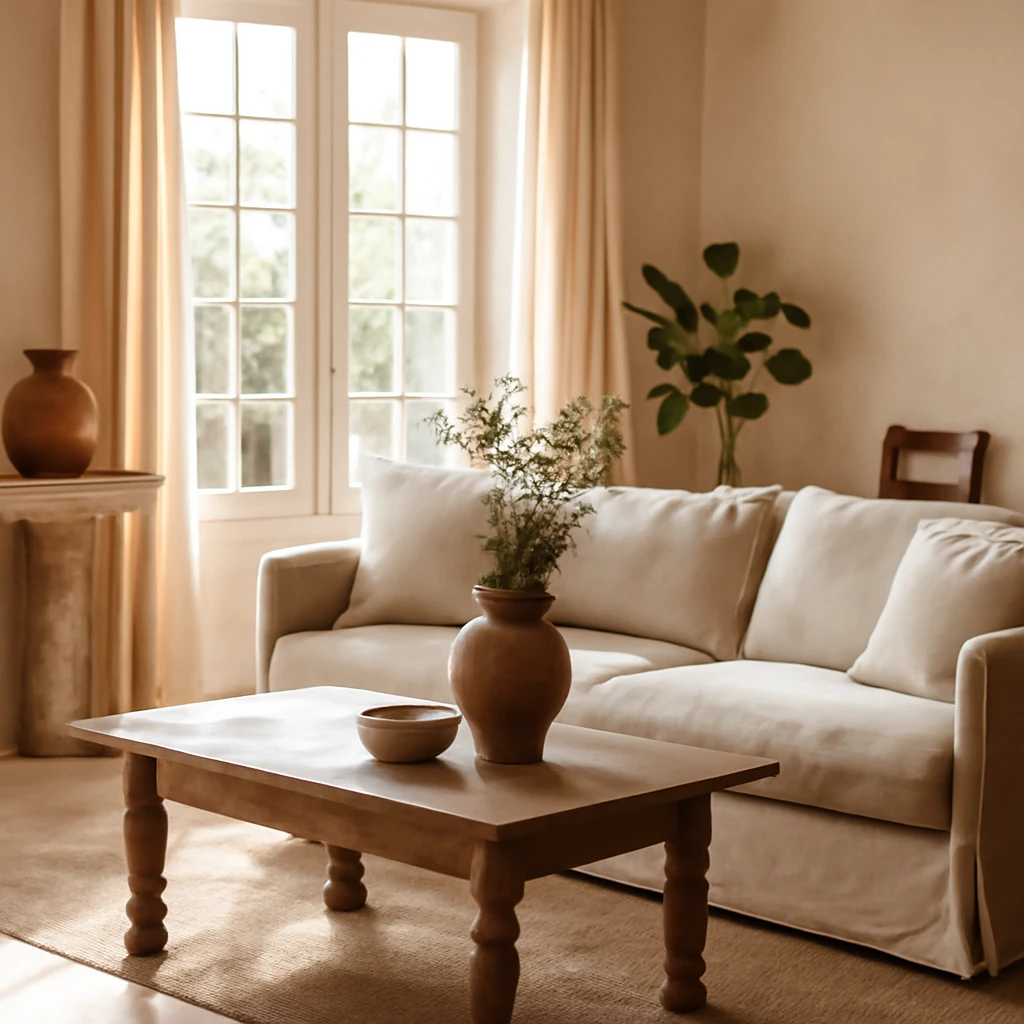
What is Provencal interior design
Provencal interior design captures the sunlit charm of southern France, translating the region’s rural warmth into practical, stylish living spaces. It sits comfortably in contemporary European homes, from compact city flats to countryside houses, offering an atmosphere of airiness, natural textures and romantic, handmade details. The look is not about perfection, it embraces gentle ageing, tactile surfaces and an easy sense of life lived well. The aim is a sense of calm, where colour and texture work together to create a soft, inviting backdrop for daily living.
At its core, Provencal style is about light, honest materials and a colour story drawn from the countryside: pale whites and warm neutrals, punctuated by pastel accents and muted earthy tones. Textiles in linen and cotton, ceramic ware, and craftsman touches blend with architectural elements such as timber beams and plaster walls to create a cohesive, timeless mood.
What characterises Provencal design
- Natural materials emphasising warmth and tactility - timber, linen, cotton textiles and ceramics feature prominently.
- Light, pastel palettes with restrained prints - soft blues, lavender, sage and airy whites create a feeling of space and airiness.
- Rural architectural cues - exposed wooden beams, hefty furniture, and pieces that hint at utilitarian country living.
- Decorative abundance - handmade and vintage-inspired items, such as lace, ceramic bowls, woven baskets and floral cushions, are used generously but thoughtfully.
Distinguishing Provencal from similar styles
Several related looks borrow elements from Provencal design, but each has a distinct character. Here is how to tell them apart and how they might interplay in a European home.
Shabby chic - more of a vintage patina
Shabby chic shares the pastel palette and the idea of gently aged surfaces, yet it leans more heavily on vintage furniture and a deliberately worn aesthetic. It often features distressed paints, faded upholstery and a stronger sense of collected antiques. Provencal keeps its wear to a softer, more natural patina and leans on rustic charm rather than heavy nostalgia.
Rustic - more wood and robustness
Rustic design emphasises raw materials and a robust, countryside vibe. It can be a touch rougher, with more exposed timber, larger-scale furniture and a palette that oscillates between warm woods and stark whites. Provencal is warmer and lighter, with a gentler, more curated finish that echoes village life rather than a strictly farmstead aesthetic.
Country and modern Mediterranean blends
In contemporary European homes, Provencal elements often merge with midcentury modern lines or Nordic simplicity. The result is a refined version of rustic comfort: lighter, brighter, and more streamlined, yet with the same emphasis on natural materials and comfortable, lived-in textures.
Colour and finishes in Provencal interiors
The palette is essential to the mood. Expect pale neutrals paired with soft pastels and subtle the textures that reveal a sense of history. This is not about high contrast, it is about gentle shifts in colour that mirror the sun-drenched countryside.
Colour language
Base tones are warm whites and soft creams, often resembling plaster or lime-washed walls. Furniture tends to be white, ivory or light wood. Accent colours appear in delicate shades of lavender, dusty blue, pale sage and lilac, never overwhelming the room. Ochre and brick tones can be used sparingly to echo sun-warmed earth, with deeper purples or pinks kept to accessory pieces or textiles.
In smaller spaces, this restrained palette helps create the impression of airiness and continuity from room to room. The goal is a cohesive flow that unifies diverse areas - living, dining, and kitchen - into one calm, comfortable environment.
Finishes and textures
Natural materials take centre stage. Wood surfaces are often finished with a light patina or whitewash, allowing the grain to show through. Plastered plaster walls often have a deliberately organic, slightly imperfect texture. Fabrics are breathable and textured, such as linen, cotton and wool, with natural weaves, embroidery and subtle prints that read as timeless rather than trendy.
Flooring
Wooden floors, particularly boards with a worn, antique look, are well suited to Provencal interiors. Lightly stained or whitewashed finishes help maintain a bright ambience. In modern apartments, long-lasting engineered wood or high-quality laminate that reproduces light oak or ash can achieve the same effect while offering durability and ease of care.
Ceiling and walls
Ceilings are usually white or pale-coloured, often with exposed wooden beams that reinforce the rustic charm. Walls frequently feature plaster or lime wash, with occasional use of wallpaper that presents small florals or botanical motifs on a light background to maintain the soft, natural mood.
Doors, windows and hardware
Timber doors in light shades with subtle distressing are common. Windows may be fitted with simple shutters or light drapery that allows daylight to flood in. Hardware tends toward wrought iron or brass with a vintage or antique feel, which enhances the sense of a lived-in, hand-crafted environment.
Textiles
- Curtains and drapes in soft, airy fabrics such as linen or cotton with delicate folds, can be lightly patterned or plain.
- Throws and cushions in pastel tones and gentle textures, florals or botanical prints are often used sparingly to avoid visual clutter.
- Bed linens, table linens and upholstery echo the colour story, with a preference for natural fibres and warm, matte finishes.
- Rugs with muted patterns or faded textures anchor seating areas and add warmth underfoot.
Accessories
Accents play a crucial role in binding the room together. Ceramics, woven baskets, lace-trimmed linen, antique frames and mirrors with ornate, yet not ostentatious, detailing are typical. Fresh or dried flowers in simple vases bring a living note to the space, while baskets and jars offer practical storage that remains decorative.
Lighting in Provencal interiors
Lighting options mix romance with practicality. Chandeliers with a vintage air and crystal or brass elements evoke a sense of timeless elegance. Lampshades in natural fabrics - linen, cotton or burlap - soften the light, while wall sconces and floor lamps provide layered lighting for living and dining areas. The aim is warm, inviting illumination that can be adjusted for different moods and occasions.
Furniture and layout
Provencal furniture is characterised by graceful curves, light finishes and visible signs of age that add personality. Pieces are often upholstered in floral or striped fabrics, bringing texture and colour in a balanced manner. Wood is the primary material, frequently with gentle patina or distressing to echo provincial charm.
Sofas and chairs
Sofas tend to be generously scaled with deep seating and plump cushions. Upholstery features botanical prints or soft solids, complementing the room’s colour story. Chairs are often elegant yet comfortable, with curved backs or cane detailing, providing a sense of invitation rather than formality.
Storage and cabinetry
Storage pieces are light in tone, with mouldings and decorative corner elements that reference traditional French countryside cabinetry. Display cabinets or glazed cupboards can showcase ceramics and glassware, while keeping surfaces uncluttered and easy to maintain.
Living room arrangements
The living room in a Provencal scheme centres on comfort and sociability. A dominant seating area is complemented by intimate nooks furnished with small armchairs, ottomans or a wooden bench. Textiles layer the space and add colour without overwhelming it, while greenery and potted herbs reinforce the natural, garden-to-home connection.
Provencal rooms in urban apartments
Translating Provencal charm to a city apartment requires careful planning to preserve the light, airy quality. The aim is to create a seamless flow across spaces, using light materials and a restrained palette that expands the sense of space rather than shrinking it with heavy furniture.
Living room and dining area
Choose white or pale-painted furniture with carved details to reflect Provençal influence, and layer textiles in soft colours. A whitewashed dining table or a light wood set can anchor the space, while cushions and curtains in botanical prints or subtle stripes add warmth. Avoid clutter by selecting a few well-chosen objects rather than a crowded display.
Kitchen projects
Provencal kitchens feature soft finishes for cabinetry, often with carved details or decorative mouldings. The atmosphere benefits from warm-toned wood tones, antiqued brass hardware and glass-fronted cabinets that reveal well-loved porcelain or ceramic pieces. A freestanding vintage buffet or a light, open shelf system can serve as a focal point without dominating the room.
Bedroom sanctuary
Bedrooms in this style feel serene and restful. Linen bedding in light tones, a canopy or light curtains over the bed, and a neutral wall treatment create a peaceful backdrop for sleep. Add a feature wall with gentle florals or a subtle textured plaster to bring a touch of Provençal countryside indoors.
Bathroom and utility spaces
Bathrooms favour natural textures and timeless fixtures. Textured wall surfaces that mimic stone or plaster feel authentic, while brass or bronze taps and fittings add vintage allure. Open shelving and wicker baskets support a clutter-free, organised space that remains welcoming.
Home office in Provence style
A Provençal home office emphasises light wood desks, glazed cabinets, and comfortable seating. The palette remains calm and unobtrusive to sustain focus, with a few botanical cues in textiles or small decorative objects to maintain the countryside vibe.
Implementing Provencal style in a European city apartment
To adapt this look to a modern urban setting, consider the following practical approaches. Start with a restrained palette of whites and pale neutrals as a backdrop. Introduce texture through textiles such as linen curtains, wool throws and cotton upholstery. Use carved or turned wood pieces for furniture to echo historic Provençal forms while ensuring scale suits a contemporary plan.
- Prioritise light materials and soft finishes to maximise daylight and create a sense of openness.
- Choose furniture with gentle curves and simple, elegant detailing rather than oversized, heavy forms.
- Layer textiles to create warmth, avoid heavy drapes or dense fabrics that dampen light.
- Incorporate natural elements: a small collection of plants, olive green accents or herb planters to reinforce the garden-to-home connection.
- Keep displays balanced and curated, let a few well-chosen pieces stand out as focal points rather than a screen of decorative items.
Lighting should be soft and flexible: combine a central fixture with wall lamps or floor lamps that can be dimmed in the evenings. The goal is a comfortable, cohesive atmosphere that feels as if it could have grown with the home over time.
Provencal style in a countryside residence
In a countryside setting the look can breathe more freely. The architecture itself often supports the aesthetic, with thicker walls, higher ceilings and larger timber elements. Interiors emphasise open space and a connection to the garden or terrace. Large dining tables, bench seating, and display cabinets filled with ceramics and glassware celebrate a rustic, lived-in charm. The furnishings can be more substantial, while still maintaining a light, sunlit palette that prevents the space from feeling heavy.
Outdoor connections are crucial in rural Provencal design. Large windows, French doors and verandas allow pervasive daylight to blend interiors with the outdoors. Textiles in natural fibres outdoors extend the feeling of comfort to exterior living spaces, creating a seamless transition from home to garden.
Textiles and soft furnishings
Soft furnishings are the connective tissue of a Provencal interior. They soften architectural lines and visually connect spaces. Focus on fabrics with natural textures and subtle patterns that nod to rural life without being florid or overly decorative.
- Linen curtains in airy weights that let light pass through while offering privacy.
- Cushions and throws in muted tones with gentle prints such as florals, stripes or botanical motifs.
- Bed linens with a tactile, breathable feel, patterns are delicate and cohesive with the overall palette.
- Rugs that echo traditional motifs but in softened colourways to maintain a calm atmosphere.
Accessorising with intention
Accessories should reinforce a sense of place without becoming a chaotic collection. Curate a small selection of meaningful objects: handmade ceramics, woven baskets, lace-trimmed textiles and mirrors with decorative frames can anchor a room. Fresh or dried flowers bring life and colour, while a well-chosen wall display of ceramics or botanical prints can evoke Provence’s rural heritage without overwhelming the space.
Practical considerations for small spaces
Provencal design can adapt beautifully to modest footprints. The key is to combine light finishes with well-organised storage and carefully chosen furniture scales. Here are practical strategies for compact homes:
- Choose furniture with clean lines and subtle detailing to preserve a sense of openness.
- Utilise multi-functional pieces, such as drawered benches or coffee tables with storage, to reduce clutter.
- Opt for lighter coloured floors and walls to reflect daylight and enlarge the perceived space.
- Incorporate vertical storage with glazed cabinetry or open shelving to draw the eye upward and stretch the room visually.
- Keep decorative items curated, select a handful of striking pieces rather than a broad, busy assortment.
Frequently asked questions
Which elements make an interior authentically Provencal?
Key elements include natural materials such as timber, linen and ceramics, a light, pastel colour palette, simple, weathered wood finishes, and soft, layered textiles. Decoratives should feel handmade and timeless rather than fashionable or mass-produced.
What materials suit a Provencal renovation?
Prioritise natural materials: timber and stone for flooring or accents, plaster or lime-washed walls, linen and cotton for textiles, and ceramic or terracotta for ceramics and decorative items. Surfaces can bear a bit of patina to convey history without appearing worn-out.
How can I decorate a small apartment without losing Provencal charm?
Keep the palette light and cohesive, choose furniture with open fronts or legged designs to create a sense of airiness, and use textiles to add warmth. Store items out of sight where possible, and let a few statement pieces - such as a carved console, a linen sofa or a vintage light fixture - anchor the design.
What about lighting in a Provencal scheme?
Layer lighting to serve both function and mood. Combine central ambient lighting with task and accent lights. Brass or antique brass fixtures complement the vintage character, while fabric shades soften the glow to create a gentle, welcoming ambience.
In summary
Provencal interior design offers a refined yet relaxed framework for European homes. It celebrates light, natural materials and a sense of rural warmth that can be translated across city apartments and countryside houses alike. The look is not about pomp or perfection but about comfort, texture and timeless beauty. By adopting a restrained palette, embracing authentic textures and surrounding yourself with well-chosen, handmade-inspired pieces, any room can exude the sunlit poetry of the French countryside.
Closing thoughts
If you are drawn to interiors that combine softness, practicality and romance, Provencal design provides a versatile blueprint. It adapts gracefully to modern life, balancing contemporary convenience with a sense of place. Start with a light base, layer in tactile textiles, select a few treasured pieces, and let the arrangement breathe. The result is a home that feels both timeless and recognisably European - a place where everyday living is enriched by colour, texture and the quiet joy of a well-considered interior.
You may also like these articles
 Living room
Combined Wallpapers in the Living Room: Ideas, Techniques and Layered Decor
Master the art of combining wallpapers to create depth, rhythm and zones in the living room.
 Trends
Wallpapers in 2026: A design-forward guide for European interiors
Wallpaper trends of 2026 reshape walls, ceilings and furniture across Europe.
Kitchen Design
How to Create a Budget Kitchen with Taste: Practical Tips
Smart, stylish kitchens that don’t break the bank.