
Explore interior trends, AI design insights, styling guides and real transformations
Velour Upholstery: Soft Luxury and Practical Durability for European Homes
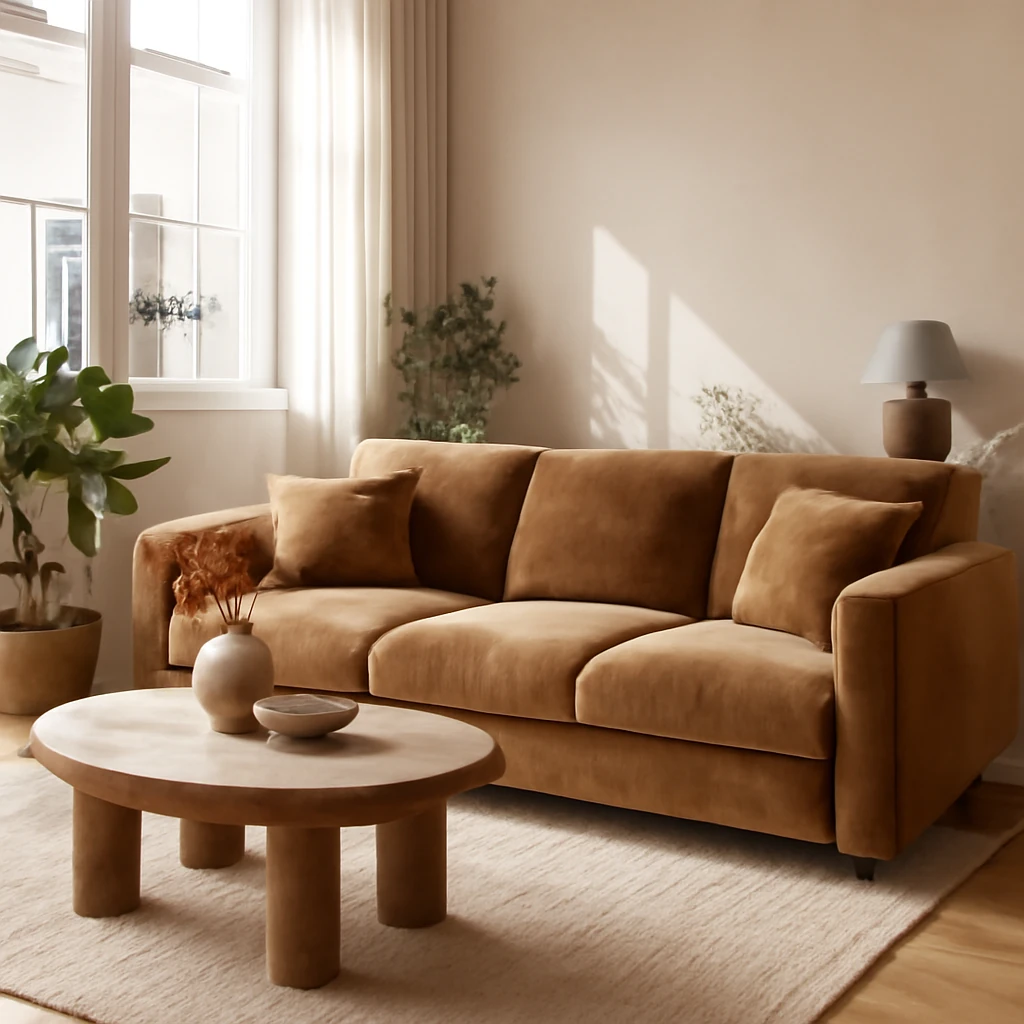
Velour upholstery: soft luxury with practical performance for European homes
Velour upholstery has become a favourite in contemporary European interiors. Its plush, velvet-like nap adds warmth and depth to a living space, while modern velour fabrics deliver surprising durability and ease of care. Across compact city flats, family-friendly homes and larger living rooms, velour sofas offer a versatile base for colour and texture. In this guide, we explore what velour is, the three main constructions you are likely to encounter, the advantages and drawbacks, and practical advice on choosing, maintaining and cleaning velour upholstery for a busy European lifestyle.
Velour: what is this fabric?
Velour is an upholstery fabric with a soft, plush surface created by a pile, which can be cut, looped or knitted. The blend of natural and synthetic fibres gives it a refined appearance while providing resilience for everyday living. The range of pile lengths, density and finishes creates a broad spectrum of looks - from smooth, dense nap to more dramatic, longer piles. In Europe, velour is a popular choice for sofas and armchairs because it combines luxury aesthetics with practical performance. Prices vary widely according to pile density, finishing and production method.
- Cut-pile velour - nap is created by cutting the loops after weaving two layers together. This yields a very soft, elegant surface and is commonly found in premium seating.
- Loop-pile velour - the surface retains loops, producing a textured, tactile look and a robust feel that can be forgiving for families with active lifestyles.
- Knitted velour - velour produced on a knitted base, this construction can be particularly comfortable and easy to care for, with a versatile range of finishes and treatments.
Velour fabrics cover a wide price spectrum. Heavier, denser velours with deeper textures tend to be more expensive but deliver longevity when properly maintained.
Pros of velour
- Luxurious nap and tactile warmth - the soft, plush surface invites lounging and feels premium under the hand.
- Texture and finish variety - velour can mimic the look of velvet, cord, or plush textile variations, offering a wide range of tactile aesthetics.
- Colour versatility - from soft neutrals to rich jewel tones, velour provides a rich palette to fit many design schemes.
- Durability - when well specified and integrated with a solid frame and backing, velour can withstand regular use without significant loss of appearance.
- Crease resistance - nap fabrics tend to resist the creasing that can plague some smooth textiles.
- Care friendly options - many velours are treated with stain-resistant finishes or marketed as Easy Clean, making routine maintenance easier with the right care routine.
Cons of velour
- Care sensitivity - the nap can be damaged by aggressive cleaning or improper stain treatment, you must follow care guidelines closely.
- Cost - high-quality velour can be more expensive than some plain fabrics, particularly in premium constructions.
- Sun fading - prolonged sun exposure can cause colour loss, use curtains or blinds to shield the fabric.
- Dust and pet hair - the nap attracts dust and fur, regular vacuuming is essential to maintain a pristine appearance.
Who is velour sofa right for?
Families with children
Velour is well suited to busy households. Its plush nap tends to disguise minor stains and everyday wear, while the fabric’s elasticity can help it bounce back from daily use. Prompt attention to spills remains important, and selecting velour with a strong backing and high-quality fibres reduces the risk of nap deformation. When planning a family-friendly living space, consider coordinating cushions and throw textiles that can be easily cleaned or machine-washed, while the sofa itself benefits from stain-resistant finishes or protection from heavy soiling.
Pet owners
Velour can be a practical option for homes with cats or dogs. The fibre’s plush surface helps hide fur to a degree, and loops or dense nap can resist snagging to some extent. Regular vacuuming is essential to remove fur and loose hair. For households with pets, a velour with a tighter weave and darker tones can make hair less visible, and you might opt for finishes that improve repellent performance. Use upholstery protectors or sprays designed for fabrics, ensuring they are compatible with velour and tested on an inconspicuous area first.
Cozy-lovers
If your aim is a warm, inviting living room, velour is an excellent match. The soft texture and rich colour options enable a cosy, tactile aesthetic that supports tactile layering with wool throws, linen textures and natural timber. Velour sofas work particularly well in spaces designed around light, whether the Nordic-inspired, light-filled room or a terracotta-walled Mediterranean-style lounge that benefits from soft, reflected light coming off the nap.
What to look for when choosing velour upholstery
Wear resistance
Wear resistance is central to choosing velour. In practice, this is measured by the Martindale rub test. For homes with children or pets, aim for a rating above 20,000 cycles. For lighter-use spaces, 15,000 cycles may be acceptable, but higher is generally better for a seat that remains visually durable over years. In addition to the rub test, examine the fabric weight, heavier fabrics often translate into longer service life, but the backing and construction matter as well. Always request the full technical specification from the supplier and, if possible, see an actual sample under lighting similar to your living space.
- Example 1: a 36.9 m² kitchen-living in a European city features a velour sofa with a soft, plush nap and a sturdy frame, the design balances warmth with a contemporary silhouette.
- Example 2: a 90 m² open-plan living area uses a modular velour sofa with a durable, easy-clean finish, designed for family use and social gatherings.
- Example 3: a 38 m² apartment features a compact velour sofa with a low profile and clean lines, paired with wood and soft textiles to create a quiet, comfortable hub.
Nap and sheen
The nap direction affects the sofa’s appearance as light moves across the room. A nap that follows the length of the sofa can cause light to shift, creating areas that look brighter or darker. For a more uniform look, choose a velour with a well-balanced nap and consider cushions and throw fabrics that help even out shading. If you prefer a flatter, more formal look, select a shorter nap or a finely woven velvet. For a cosier, more decadent effect, opt for a longer nap that highlights the pile but requires more attentive care.
Backing and frame
The durability of velour also depends on the sofa’s backing and framework. A robust frame, good foam density, and quality springs or other supportive systems are essential to long-term comfort and shape retention. The outer fabric is just one element of overall durability, the internal construction determines how well the sofa keeps its shape after years of use.
Durability and density
Beyond nap and backing, pay attention to fibre content and weave density. The higher the density and the closer the weave, the more resilient the fabric will be to general use. If you expect heavy daily use or frequent hosting, choose velour with a dense nap, a solid backing, and consideration for a stain-resistant finish. Be mindful that protective finishes may alter the fabric’s feel, so request a sample to test with your cleaning routine before purchase.
- Example 1: a 103.2 m² urban flat features a large velour sofa with a tailored silhouette, the design uses a mid-tone blue velour to complement timber and natural greenery.
- Example 2: a 26 m² studio uses a compact velour sofa with modular elements, the nap adds warmth to a tight footprint.
- Example 3: a 45 m² contemporary apartment uses a corner velour sofa with a low back, paired with textiles that soften the space and reflect light evenly.
How to care for velour upholstery
Care for velour should be part of a regular routine, not an afterthought. The plush nap not only feels luxurious but also requires consistent attention to keep the surface looking fresh and inviting.
- Vacuum regularly - use a soft upholstery nozzle to prevent nap damage, weekly vacuuming helps remove dust, pet hair and debris that can dull the appearance of the nap.
- Avoid prolonged sun exposure - ultraviolet rays can fade colour, position your sofa away from strong sun or use curtains and blinds to shield it during the day.
- Rotate cushions - if cushions are removable, rotate or flip them to distribute wear evenly across the pile and avoid flattening in one area.
- Protect and treat - apply fabric protective sprays designed for velour, following product instructions and testing on a hidden area first. Re-treat as needed to maintain stain resistance.
How to clean velour sofas
Cleaning velour requires patience and proper technique. The following steps are practical for most velour fabrics, though always refer to the fabric care label and test cleaners on an inconspicuous area first.
1. Blot and lift
Begin by blotting the spill with a dry cloth or paper towel to remove excess liquid. Rubbing can push the stain deeper and loosen nap. Gently blot until mostly dry.
2. Apply a gentle cleaner
For light stains, use a mild upholstery cleaner or a non-chlorine detergent solution. Apply the cleaner to a soft cloth and work in gentle circular motions from the outside of the stain toward the centre. Do not saturate the fabric. Allow the cleaner to work for a short time, then blot again to remove moisture.
3. Rinse and dry
Wipe with a clean, damp cloth to remove any remaining cleaner residue. Press gently to lift the nap back into its natural direction. Dry the fabric away from heat sources and direct drafts, once fully dry, use a soft brush to lift the nap and restore its texture.
Post-cleaning care
For stubborn stains, contact a professional upholstery cleaner who specialises in velour fabrics. They can assess the nap and backing and recommend the most suitable treatment, ensuring the fabric’s longevity and avoiding damage. When selecting cleaners, prefer products that are safe for synthetic-natural blends and free from chlorine or bleach. Always test on a hidden area first.
In lieu of final reflections
A well-chosen velour sofa can anchor a European living space with a timeless blend of luxury and practicality. To optimise outcomes, balance your choice of velour type with the room’s light, scale and circulation. Consider the following guidelines:
- Conduct a careful evaluation of wear resistance, nap direction and fabric weight, and request full technical specifications from the supplier.
- Position the sofa to avoid harsh sun exposure, using window treatments to modulate light.
- Establish a regular cleaning routine - vacuum weekly, address spills promptly, and use appropriate non-abrasive cleaners for stains.
- Be mindful of finishes that promise protection, understand how they might alter the fabric’s feel and cleaning requirements.
In a well-planned European home, a velour sofa can be both a focal point and a practical workhorse, pairing beautifully with wood tones, metal accents and soft textiles. Its cosy, tactile charm supports a wide range of interior styles from pared-back Nordic to warm Mediterranean palettes, proving that soft luxury can be both desirable and resilient in daily life.
You may also like these articles
 Furniture
Pantograph Sofas: A Practical Guide to Daily-Use Transforming Comfort
How pantograph sofas fuse comfort, storage and daily sleep.
Outdoor & Terrace
Five DIY Large Outdoor Christmas Ornaments for European Spaces
Five step-by-step outdoor Christmas decor projects for European spaces.
 Trends
Dopamine Interiors: Designing Joyful, Colourful European Homes
A joyful, colour-rich design trend sweeping European homes.