
Explore interior trends, AI design insights, styling guides and real transformations
Wall Finishes for European Homes: Materials, Techniques and Mixes
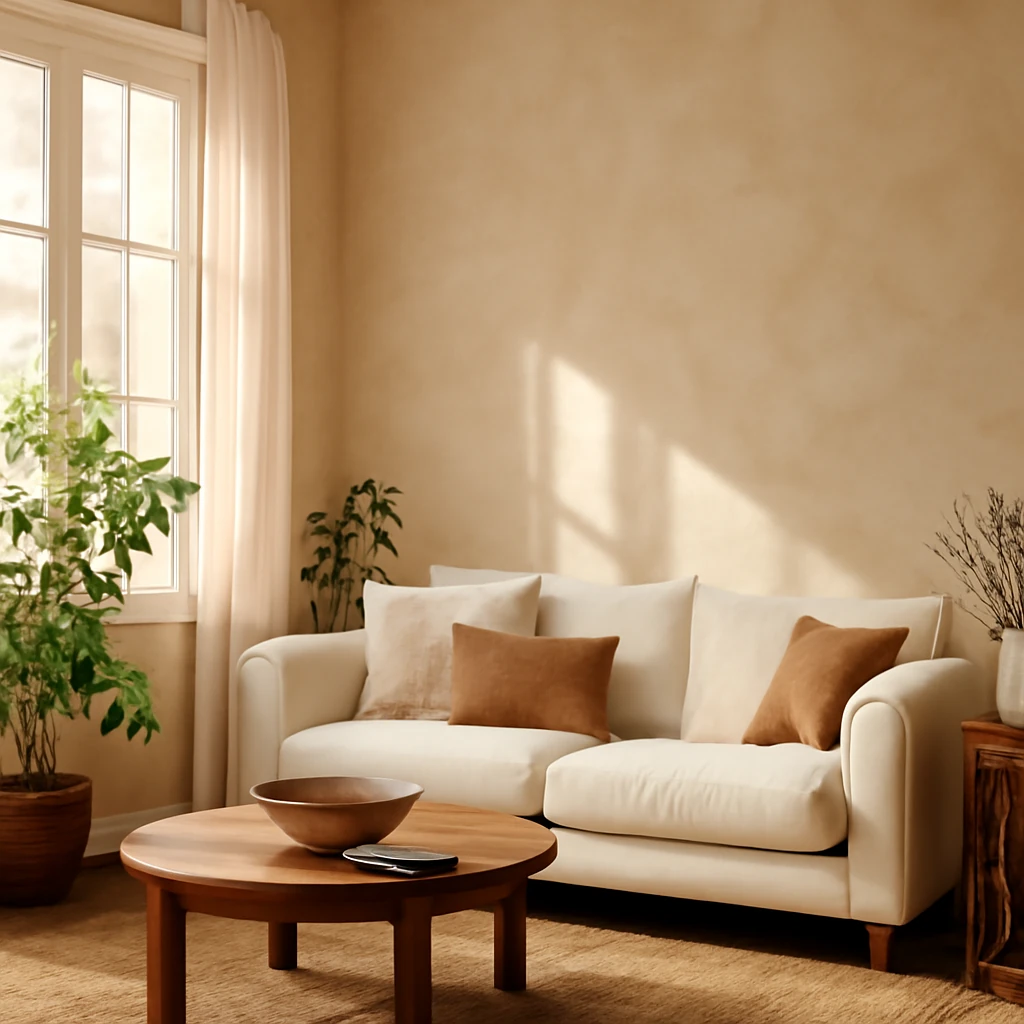
Choosing the right wall finish
The finish of your walls sets the tone for every room. A thoughtful combination of materials can create a sense of warmth, light, texture and durability, while avoiding the need for frequent repairs. This guide translates contemporary European design practice into practical choices for apartments, townhouses and new-build homes alike.
We explore the most popular wall finishes, how they perform in different rooms, and how to mix them intelligently to achieve a cohesive, stylish interior across the home.
Comparative overview of wall materials
Use this reference to compare common wall finishes. Each material has its own strengths, so think about climate, humidity, maintenance, and the overall concept of your scheme when choosing.
| Material | Key advantages | Limitations | Best for |
|---|---|---|---|
| Paper wallpapers | Low cost, wide range, eco-friendly when using paper-based stock | Prone to tearing, fades with light, poor moisture resistance | Living rooms and bedrooms with controlled humidity |
| Vinyl wallpapers | Durable, washable, versatile textures and finishes | Contains plastics, can emit odours, not ideal for very humid rooms without appropriate profile | Kitchens, families, bathrooms (with moisture-rated variants) |
| Non-woven wallpapers | Strong, breathable, easy to remove, paintable in some cases | More expensive than paper, some formats need careful preparation | Living spaces needing a calm, refined backdrop |
| Fabric wallpapers | Luxurious texture and visual depth | Higher maintenance, cost, and sensitivity to moisture | Feature walls or high-end bedrooms and lounges |
| Water-based paints | Low odour, easy to clean, broad colour range | Less resistant to moisture than specialist coatings | Most living spaces, bedrooms, nurseries |
| Acrylic/latex paints | Good durability, moisture tolerant, fast drying | Some formulations may include additives, check for VOCs | Kitchens, bathrooms, children’s rooms |
| Silicone paints | Excellent moisture resistance and washability | Higher cost, limited palette in some ranges | Halways and damp zones, metal and pipework finishes |
| Mineral/Silicate paints | Breathable, durable, characteristic mineral finish | Rarely offered in broad colour ranges, application requires experience | Historic or modern interiors seeking breathable walls |
| Decorative plaster | Rich textures, fast smoothing of wall imperfections, thermal buffering | Labour-intensive, skilled application, cost varies | Feature walls, ceilings, open-plan living spaces |
| Venetian plaster | Polished stone-like finish, depth and durability | Specialist labour, repair requires expertise | Luxury zones, hallways, luxury bathrooms |
| Ceramic tiles | Moisture resistant, easy to clean, durable | Grout maintenance, cold or clinical feel if overused | Kitchens, bathrooms, wet rooms |
| Porcelain/ceramic stoneware | Very durable, restraint in appearance, wide formats | Higher installation cost, requires precise substrate prep | Showers, kitchens, high-use zones |
| Wood panels | Warmth, insulation, character, quiet underfoot | Maintenance, can warp with humidity, not suitable for very damp rooms | Living rooms, bedrooms, landings |
| Wall panels (PVC/MDF/stone-look) | Durable, quick installation, easy maintenance | Plastic options may feel less premium, not suitable for very damp spaces | Hallways, kitchens, utility spaces |
| Decorative brick or brick slips | Timeless texture, tactile warmth | Heavier, needs planning for structural load | Feature walls, living rooms, entertainment zones |
| Timber cladding | Natural beauty, excellent acoustic and thermal performance | Requires moisture control and periodic maintenance | Open-plan living spaces, cosy corners, cabins |
| Gypsum board (drywall) | Versatile backing for many finishes, sound insulation, lightweight | Not moisture-proof in all variants, needs sealing in wet areas | Main walls behind finishes, concealed services, ceilings |
Wall coverings: wallpapers
Wallpaper remains a staple for many European homes because it offers breadth of texture, colour and pattern at accessible prices. Modern wallpapers come in a wide range of constructions, from traditional paper and vinyl to non-woven and fabric-backed options. Each type has its own installation method and performance characteristics, so understanding their properties helps you select the right one for each room.
Paper wallpapers
Paper wallpapers are often the most economical choice and are available in a vast array of colours and textures. Their environmental appeal is clear since paper is a natural material, however, they tend to be less resistant to moisture and wear. For best results, use paper wallpapers in living rooms, bedrooms or hallways with good natural light and controlled humidity. Avoid in kitchens and bathrooms unless you opt for a moisture-rated version or combine with a robust, moisture-proof base.
Plus: affordable, broad design range, easy to pair with other finishes.
Minus: susceptible to tears, fading, and humidity, removal can be labour intensive if walls are not properly prepared.
Vinyl wallpapers
Vinyl wallpapers feature a decorative vinyl front on paper or non-woven backings. They are remarkably durable and washable, making them a popular choice for kitchens and bathrooms when moisture resistance is essential. They can mimic textures such as linen, stone or leather and come in a broad palette of colours.
Plus: high washability, robust, moisture resistant (in suitable variants).
Minus: can feel less tactile than natural fabrics, some formulations may off-gas slightly, avoid very pale warm whites in humid rooms if not rated for moisture.
Non-woven wallpapers
Non-woven or polypropylene-backed wallpapers combine durability with easy installation and removal. They are breathable and can disguise minor wall imperfections, which is advantageous in older European buildings with slight subsidence or uneven plaster. They often take paint well, allowing even greater flexibility in colour schemes.
Plus: strong, easy to remove, paintable in some cases, hides wall imperfections.
Minus: higher cost than standard paper, some types require professional preparation for flawless adhesion.
Fabric wallpapers
For a refined, tactile surface, fabric wallpapers offer exceptional depth and luxury. They are best reserved for low-traffic spaces such as bedrooms or feature walls in living rooms. Because they’re more delicate and maintenance heavier, plan for professional installation and careful cleaning.
Plus: unmatched texture and ambience, premium feel.
Minus: expensive, higher maintenance, not ideal for damp rooms.
Paints
Paint remains a versatile, quick way to redefine interiors. In contemporary European design, the emphasis is on breathable, low-odour formulations with durable finishes. The choice depends on the room, the substrate, lighting and the desired level of sheen.
Water-based emulsions (often simply called water-based paints) are the safest choice for most living spaces, offering low odour and a broad colour range. For bathrooms and kitchens, consider paints with enhanced moisture resistance. In damp zones or exposed surfaces, silicone or silicate finishes can offer longer-term performance and breathability.
Water-based paints
These are widely used across Europe because they are low in volatile organic compounds (VOCs), easy to apply and cleanable with a damp cloth. They’re suitable for most rooms, including nurseries and bedrooms, where a gentle, fresh ambience is desirable.
Plus: low odour, affordable, quick to dry, easy to colour-match.
Minus: somewhat less resistant to scrapes than some premium finishes, not always ideal in intensely humid spaces unless specifically rated for high moisture resistance.
Acrylic/latex paints
Acrylic or latex paints are common for walls in kitchens and bathrooms due to their resilience to humidity. Choose formulations that include latex binders for better flexibility and washability. They can deliver a soft, matte finish or a more satin sheen depending on the pigment and topcoat.
Plus: durable, water resistant, quick to dry.
Minus: check the VOC content and ensure compatibility with the substrate, some budget variants may off-gas or wear more quickly in high-traffic areas.
Silicone paints
Silicone paints combine breathability with water resistance, making them a good option for high-humidity areas and moisture-prone zones. They can be slightly more expensive but offer excellent long-term performance in hallways, bathrooms and kitchens, as well as on exterior walls in some cases.
Plus: breathable, washable, resistant to mould and dirt, long-lasting.
Minus: higher upfront cost and a more limited colour palette in some ranges.
Decorative plaster
Decorative plaster is a versatile finish that can transform any wall into a tactile surface. It is applied in a finish coat and can create effects from subtle texture to dramatic depth. In European interiors, decorative plaster is valued for its thermal mass and the sense of craftsmanship it conveys.
Typical variants include textured plaster for a tactile relief, Venetian plaster with a polished marble-like sheen, and structural plaster for gentle relief or patterning. All share durability and the ability to mask minor wall defects, though application requires skill and time.
Plus: durable, aesthetically rich, conceals wall imperfections and adds thermal mass.
Minus: higher installation cost, skilled labour required, potential maintenance if used in humid zones.
Ceramic tiles
Ceramic tiles are a hallmark of European kitchens and bathrooms due to their moisture resistance, hygiene and long lifespan. When paired with appropriate grouts and sealants, tiles can withstand practical wear and tear and retain stylistic appeal for decades.
Plus: moisture resistance, easy to clean, wide range of colours, shapes and sizes, durable and fire-safe.
Minus: grout maintenance, installation cost, can feel clinical if overused or poorly chosen, requires flat, prepared walls.
For those seeking greater resilience and fewer joints, porcelain stoneware (a denser, harder tile) is a modern alternative that minimises grout lines and supports larger formats.
Stеновые панели
Wall panels offer a quick and tidy solution to update interiors. They can imitate wood, stone or metal and are installed over existing walls. Panels can be PVC, plaster-based, fibreboard or timber, each with its own environmental and performance profile.
Plus: durable, good for hiding wall imperfections, potential for rapid installation and upgrade, can provide sound and thermal insulation.
Minus: some plastics can feel less premium, ensure substrate is flat and dry before installation, not ideal for very damp spaces without proper moisture-rated products.
Decorative brick
Decorative brick or brick slips bring the warmth and texture of brick without the weight of full masonry. They work across a broad range of styles from contemporary minimalism to rustic warmth. Use them sparingly as an accent to avoid a heavy ambience.
Plus: authentic texture, long-lasting, versatile with timber and plaster finishes.
Minus: weight, potential for dust and cleaning challenges on rough surfaces, higher cost than some alternatives.
Timber cladding
Timber or wood panels create instant warmth and acoustic comfort. They work beautifully in living rooms, studios and cabins, and can be used as full wall coverings or as an accent behind a seating area or fireplace. Wood requires humidity management and occasional maintenance to keep colour and protection in good condition.
Plus: natural beauty, excellent acoustic and thermal properties, durable with proper treatment.
Minus: moisture sensitivity, maintenance, needs careful sequencing with other finishes to avoid a heavy or dark feel.
Gypsum board (drywall)
Gypsum board is typically used as the substrate for many wall finishes. It provides a clean, straight surface that accepts paint, wallpaper or plaster. It offers good fire resistance and acoustic benefits when combined with suitable insulation and joist structure, but it is not inherently moisture-proof - use appropriate backing or moisture-rated variants in wet rooms.
Plus: versatile, lightweight, easy to install and finish, supports a variety of coverings.
Minus: vulnerable to moisture damage if not properly protected, edges require careful handling during installation and repair.
Choosing wall finishes for each room
Room-by-room considerations help ensure material performance aligns with use, climate, lighting and maintenance needs. Consider the following guidelines when planning wall finishes.
- Composition and health: for allergy-prone households or sensitive individuals, prioritise natural or low-VOC materials, such as paper or non-woven wallpapers and water-based paints.
- Cost and longevity: balance upfront costs with expected longevity and maintenance, cheaper finishes may require more frequent updates.
- Material performance: consider humidity, traffic, and cleaning routines, ventilated bathrooms and kitchens benefit from moisture-rated finishes.
- Style cohesion: ensure finishes reflect the overall design language, from colour temperature to texture and scale.
- Room-specific logic: some finishes tolerate moisture poorly, avoid paper wallpapers in bathrooms and kitchens unless specifically rated for moisture resistance.
Hallways and entryways
Hallways are high-traffic zones where durability and ease of maintenance matter. Consider moisture-resistant wallpapers or paints with good washability, together with paneling or brick- slips for a touch of texture that wears well over time. A timber wainscot can protect the lower wall from scuffs while adding warmth.
- Options: acrylic or silicone paints, vinyl or non-woven wallpapers, decorative plaster, light wood panels, ceramic tile or brick slips on splash-prone sections.
Living room
The living room is the heart of the home and benefits from a layered approach. Use a neutral paint or plaster on the majority of walls, with one or two feature walls in wallpaper, decorative plaster or timber cladding to add depth. Consider brick or stone veneer as a focal wall in open-plan spaces to create a tactile centrepiece.
- Suggested combinations: painted walls with a brick accent, wallpaper with a timber panel behind seating, plaster with a stone or brick feature for texture.
Bedroom
Bedrooms reward softness and warmth. A calm wall plane in a matte finish with a single textured element - such as fabric wallpaper or a subtle decorative plaster - creates intimacy. Wood panelling or timber features can enhance acoustics and comfort, while moisture-sensitive finishes should be kept away from potential damp zones.
- Recommended: non-woven wallpapers or soft-textured fabric wallpapers on feature walls, matte emulsion paints for general walls, timber panels for headboards or alcoves.
Children’s room
Prioritise durability, safety and ease of cleaning. Washable wallpapers or vinyl variants, plus moisture-resistant paints, are practical choices. Use soft textures and patterns to stimulate a cosy environment, avoid heavy, dark finishes that minimise natural light.
- Suggestions: washable vinyl or non-woven wallpapers, moisture-tolerant acrylic paints, integrated storage and soft textures to support play.
Kitchen
The kitchen demands finishes that tolerate humidity and splashes. Ceramic tiles or porcelain stoneware are classic choices for walls around cook zones. For other walls, moisture-resistant paints or vinyl wallpapers rated for kitchens can be used. Consider a plaster finish with a tactile glaze for warmth on dining zones.
- Common pairings: tiles on splashback areas, paint in dining nooks, timber or fibreboard panels for warmth away from the cooking area.
Bathroom
Bathrooms require finishes able to withstand frequent moisture. Ceramic tiles or porcelain panels are standard, along with moisture-resistant paints or specialist silicone-based coatings. For generous baths and shower enclosures, ensure proper ventilation and moisture management behind any timber or fabric elements.
- Practical choices: wall tiles, moisture-rated vinyl wallpaper on damp-resistant backing, silicone paints or mineral finishes for breathability in small spaces.
How to mix and match wall finishes
Smart combinations elevate an interior without sacrificing practicality. Here are approachable ideas and examples drawn from modern European practice. Remember to balance scale, colour temperature and texture so that the transitions feel intentional rather than piecemeal.
- Tile and paint in bathrooms and kitchens: a tiled perimeter with painted walls above creates a durable, easy-to-clean environment while keeping the space lightweight.
- Wallpaper with brick or stone in hallways: use wallpaper on most walls and a brick or stone accent for a statement zone to add texture without heaviness.
- Painted walls with wallpaper mouldings in bedrooms: combine flat painted walls with a coated wallpaper on a feature wall or a wainscot to introduce subtle patterning.
- Painted walls and timber or brick accents in living rooms: a calm background with a timber panel or brick feature draws attention naturally without overwhelming the space.
- Wallpaper and brick in living areas: paired carefully, these two textures create warmth, keep the colour palette cohesive to avoid visual clutter.
- Paint and wallpaper in children’s rooms: opt for a durable, washable wallpaper on one wall for character, with paint on others for practicality.
- Decorative plaster and stone in open-plan kitchens and living rooms: a plaster finish can provide a refined backdrop to stone or tile elements in mixed-use spaces.
These combinations reflect practical experience across European homes, where natural light, materials, and scale vary by city, climate and building tradition. The goal is a coherent, layered wall story rather than a clash of disparate finishes.
Practical guidance for European contexts
European interiors blend historic character with contemporary living. When choosing wall finishes, consider specific local conditions: moisture in coastal towns, radiant heating in continental climates, or the moisture risks of well-insulated modern flats. Breathable finishes, careful substrate preparation, and appropriate moisture management are the foundation of durable, easy-to-maintain walls.
Always prepare walls properly: clean, repair defects, and ensure the substrate is level and dry. Even high-quality finishes fail to perform if the wall is not prepared correctly.
Final thoughts
Wall finishes are one of the most expressive aspects of interior design. They offer texture, colour, warmth and longevity - and they can be refreshed with relative ease compared to structural changes. By selecting finishes suited to the room’s use, climate and light, and by combining materials with care, you can achieve interiors that feel both timeless and distinctly European.
Whether you favour the quiet elegance of plaster and timber, the practicality of tiles and paints, or the tactile richness of wallpapers, the right mix will transform walls from mere boundaries into the very heart of your design concept.
You may also like these articles
 Small Spaces
Storage in the Bathroom: Principles, Zonal Solutions and Real‑World Projects
Smart storage strategies for compact European bathrooms, with expert tips and real projects.
Outdoor & Terrace
Five DIY Large Outdoor Christmas Ornaments for European Spaces
Five step-by-step outdoor Christmas decor projects for European spaces.
Interior Design
Euro Two-Bedroom Flats: Flexible Layouts for European Living
Smart layouts and stylish zones for compact European homes.