
Explore interior trends, AI design insights, styling guides and real transformations
Choosing pet-friendly upholstery: anti-scratch fabrics for European homes
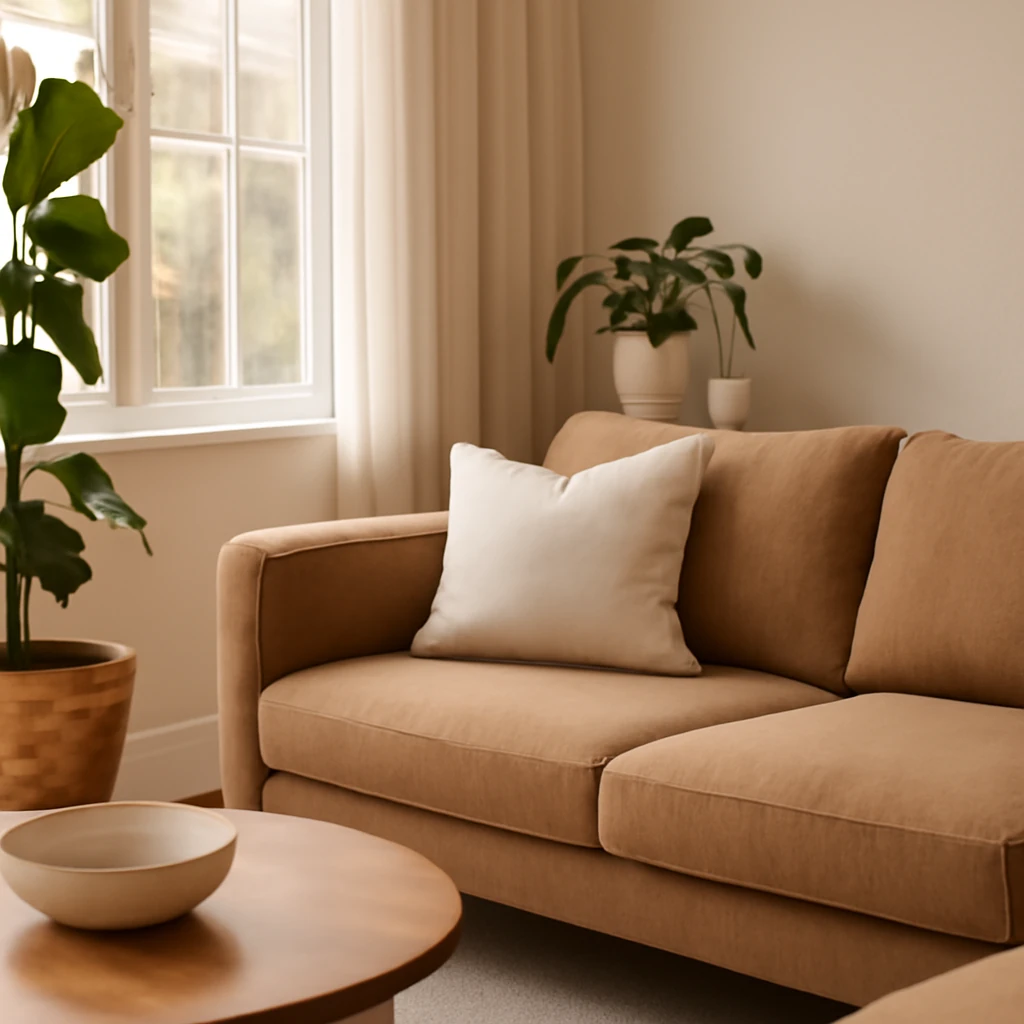
Pet-friendly upholstery for European homes: what works when claws are part of daily life
Anyone who has shared a sofa with a cat or a dog knows that furniture wear is part of the living room story. After a misadventure with a torn cushion or a scratched arm, the temptation is to reach for an anti-vandal fabric. Yet the reality is more nuanced: snagging, torn loops and pulled threads are not always prevented by a blanket label of anti-scratch. In Europe, where homes vary from compact city flats to light-filled townhouses, choosing the right upholstery requires understanding how different fabrics perform under pet use, how they respond to cleaning, and how coatings and fibre structures influence long-term appearance. This guide translates current European practice into a clear framework for designers, homeowners and fabric buyers who want stylish, durable, pet-friendly solutions.
Understanding anti-scratch upholstery: not all “anti-scratch” fabrics are the same
In common parlance, “anti-scratch” fabrics are marketed to resist claws. But there is a subtle distinction between fabrics designed to resist snagging and those marketed for vandal resistance. For pets, the crucial difference is how the fibre base and surface texture interact with claw activity, dirt, moisture and daily use. A dense base with a low-pile surface or a structured finish can behave very differently from a loose weave that invites tangling and snagging. When evaluating textiles for homes with cats and dogs, look beyond a single label and consider the fabric’s construction, its surface geometry and any protective coating that may be applied during manufacture or as a post-production treatment.
The flock fabric: a familiar option with specific traits
One widely discussed non-woven option is flock, a textile surface created by applying short fibres to a solid backing. This creates a textured, slightly velvety surface with a pattern that resembles cut fibres rather than a smooth nap. The resulting surface tends to be less prone to snagging than a plain, woven surface because the fibres lie relatively flat and are bound to the base in several layers. The look and feel are soft to the touch, while the surface remains relatively resistant to quick fabric-tearing caused by claws. In European showrooms and design studios, flock is frequently offered as a durable option for sofas, armchairs and dining seating that must withstand regular family life and pet activity.
Advantages and drawbacks of flock
- Durability in wear: Flocked surfaces are designed to resist abrasion and maintain their texture over many use cycles. They tend to stay visually stable when subjected to routine cleaning and light brushing.
- Colourfastness and moisture repellence: Many flock fabrics are formulated to resist fading under daylight exposure and to repel moisture to some extent, which eases maintenance in lively living spaces.
- Soft, tactile feel: The surface remains pleasantly soft and comfortable for seating, with a textured look that can be forgiving of small marks.
- Easy cleaning: Routine vacuuming and spot cleaning are typically straightforward, with spills treated promptly to avoid staining.
But there are caveats:
- Static and dust: Some flock surfaces can accumulate static. They may attract dust, pet hair and fine fibres, necessitating regular cleaning to maintain appearance.
- Odour absorption: Certain flock compositions can trap odours more readily than some woven fabrics, requiring careful care and, occasionally, odour-neutralising cleaning products.
- Heat and chemical sensitivity: Exposure to high temperatures or strong solvents can affect the backing and the fibres, potentially altering texture or causing slight shrinkage.
In practice, flock is a solid middle-ground option for pet-friendly interiors, especially when paired with proper cleaning routines and careful placement away from direct heat sources. It is not a universal shield against claws, but its surface geometry can reduce snagging compared with more open-weave fabrics.
Anti-scratch vs anti-vandal: what’s the difference and why it matters for homes with pets
The terms “anti-scratch” and “anti-vandal” are often used in marketing, and they describe different performance goals. Anti-scratch fabrics prioritise resistance to pulling and snagging from everyday claws, with an emphasis on maintaining the surface texture and integrity after minor damage. Anti-vandal textiles, meanwhile, commonly involve tougher coatings and surface treatments designed to resist gouging and penetration, often at the cost of tactile softness. In European interiors, many designers regard anti-scratch as a more practical baseline for homes with pets, while anti-vandal properties may be sought for high-traffic commercial settings or family rooms where furniture endures heavy use and occasional abuse.
- Anti-scratch textiles: Dense bases, compact surface textures, and/or short pile fabrics designed to minimise snag potential. They are typically easier to maintain and can be refreshed with cleaning rather than requiring fabric replacement.
- Anti-vandal textiles: Surface coatings or impregnation aimed at repelling moisture and dirt, plus resistance to punctures and tears. These can be applied to various fabric types but may alter the feel or drape of the textile.
When choosing for a European home, consider combining an anti-scratch base with a protective finish. This approach often yields a fabric that resists claws, cleans easily and maintains a refined appearance over time.
Types of anti-scratch upholstery: non-woven versus woven
Anti-scratch upholstery encompasses a broad spectrum of fabrics. Broadly, these can be classified by the type of base into two groups: non-woven and woven. Each group contains several materials with distinct characteristics that affect appearance, feel, care and resilience.
- Non-woven anti-scratch materials: This family includes flock, velvet, microfibre and synthetic suede (sometimes marketed as a substitute for leather). Non-woven surfaces tend to offer soft textures with consistent nap or pile and can exhibit excellent resistance to snagging when the fibres are closely bonded to the backing.
- Woven anti-scratch upholsteries: These include jacquards, gobelins, chenilles and velvets. They vary in weave complexity and pile height. Some are treated with dirt-repellent or stain-resistant coatings, which helps maintain presentation in pet-loving homes.
In practice, both non-woven and woven anti-scratch fabrics can serve well in European homes, provided they are specified with appropriate surface finishes and compatible care instructions. The decision often hinges on the intended use, the room’s lighting, the sofa’s shape, and how forgiving the fabric’s surface texture is to claws and pet fur.
Non-woven anti-scratch options
Flock is the most widely recognised non-woven option for anti-scratch interiors. Other non-woven options include velvet-like surfaces and microfibre blends designed for durability and easy maintenance. These fabrics are typically built on a solid base with a dense application of surface fibres and a backing that helps prevent snagging.
Woven anti-scratch fabrics
Woven anti-scratch textiles bring a broader range of aesthetics - from refined jacquards and tapestries to chenilles and plush velvets. Many woven options feature protective surface finishes or cross-weave structures that reduce snagging while preserving a rich, luxurious feel. When treated with dirt-repellent or water-repellent coatings, these fabrics can perform very well in living spaces where pets are part of daily life.
Key performance properties to evaluate
Several properties determine how well a fabric will perform in a pet-friendly European home. Designers and buyers should consult technical spec sheets and request fabric samples to feel texture, breatheability and resilience in person. Core properties include:
- Durability and abrasion resistance: Measured by standard abrasion tests (often expressed in thousand cycles). Forpet-friendly settings, higher cycles indicate greater resistance to wear from frequent use.
- Breathability: Fabrics that breathe closely pair comfort with reduced accumulation of odours and moisture. Microfibre and some technical polymers often balance breathability with wipe-clean performance.
- Antistatic behaviour: Static can attract dust and pet hair. Fabrics with low static propensity stay cleaner with less frequent vacuuming.
- Deformation resistance (pilling and creasing): A fabric that resists pilling maintains a smooth, consistent surface after repeated sitting and stroking by pets.
- Stain resistance and cleanability: Water- and oil-based stains respond differently depending on coatings and fibre chemistry. Impregnations can aid cleaning but may require reapplication after cleaning.
- Colourfastness: Light exposure, especially near large windows, can fade fabrics. Durable anti-scratch textiles typically show strong colourfastness in European climates.
Modern European upholstery collections commonly report Martindale rub tests, with anti-scratch options often rated well beyond typical residential needs. It is not unusual to see specifications in the range of 40,000–80,000 rubs for robust, pet-friendly fabrics, whereas casual living-room fabrics may sit lower. For reference, many commercial textiles are tested to 30,000 rubs or higher, but consumer furniture usually operates well within a mix of durability and comfort needs. Always verify the exact figure with the fabric producer or supplier.
Materials that pair well with indoor-outdoor living trends
One contemporary European trend is the cross-use of textiles between indoor and outdoor furniture. Advances in protective finishes and weather-resistant coatings allow certain fabrics to endure sun, humidity and casual spills when used on garden or balcony furniture. The logic is simple: design teams aim for continuity and ease of maintenance across spaces, so families can enjoy cohesive textures and colours year-round. When selecting fabrics for indoor-outdoor applications, ensure the coating is compatible with indoor cleaning methods and that the textile maintains appearance after exposure to UV and moisture. This approach works particularly well in European cities where autumn and winter conditions are damp, and where a light, easy-to-clean textile is valued for both living rooms and terraces.
Practical guidance: how to choose anti-scratch upholstery for a pet-friendly home
- Assess room use and exposure: Identify areas where pets are most active (sofas used for lounging with pets nearby, dining seating, play zones). For high-traffic zones, prioritise dense weaves or non-woven surfaces with protective finishes.
- Evaluate fibre and base compatibility: Prefer fabrics with a dense backing and controlled fibre orientation that reduces snagging. Consider both non-woven flock and woven options depending on the desired look and feel.
- Test for snag resistance: If possible, perform a simple test by rubbing a clean fingernail across a sample to assess how easily the surface catches. A gentle glide with minimal snagging is a good sign for pet-heavy homes.
- Consider coatings and finishes: Water- and dirt-repellent treatments can dramatically simplify maintenance. Ask whether the finish is integrated during manufacturing or applied as a separate protective layer, and whether it requires reapplication after cleaning.
- Balance appearance and practicality: The aesthetic value of a fabric matters, but so does its practical performance. Velvet-like fabrics, for instance, offer luxury but may require more careful cleaning than microfibre alternatives. Weigh texture, colour and durability to match your lifestyle.
- Plan for cleaning routines: Choose fabrics with clear care instructions suitable for your home. European households often combine regular vacuuming with spot-cleaning using mild detergents, ensure the fabric tolerates this approach.
- Factor in heat and sunlight: In bright-living spaces, ensure colourfastness and heat resistance. Avoid fabrics that may become stiff or fade when exposed to sun for extended periods.
- Ask for multi-purpose options: If you want a single textile for various rooms or for indoor/outdoor use, confirm that the coating and base meet the required performance in both environments.
Care, maintenance and long-term performance
Care strategies for anti-scratch upholstery vary by fabric type, but a few universal principles help extend the life of pet-friendly textiles in European homes. Start with regular maintenance and address stains promptly to prevent absorption. Here are practical guidelines:
- Regular cleaning: Vacuum or brush surfaces to remove pet hair and dust. Use a soft brush attachment to avoid damaging the fabric surface. For flock and similar textures, a gentle approach prevents pushing fibres deeper into the backing.
- Spot treatment: For most water-based spills, blot gently with a clean cloth. For tougher stains, use a mild soap or detergent solution recommended by the fabric supplier. Avoid aggressive solvents that can weaken the backing or alter the surface finish.
- Coating maintenance: If the fabric has a protective coating, follow supplier guidance on reapplication intervals. Coatings may wear unevenly in high-use areas, consider re-treating after several cleanings or as recommended.
- Avoid heat and direct sunlight: Prolonged heat exposure or intense sun can affect colourfastness and surface integrity. Position frequently used seating away from direct heat sources or use window treatments to filter UV.
- Pet management: Regular grooming of pets, such as brushing to reduce loose fur and oil, can help keep fabrics cleaner and longer-lasting.
- Professional refresh: Periodically consult upholstery professionals for cleaning and maintenance, especially for high-value pieces or fabrics with specialised finishes.
In addition to cleaning, it is worth noting how fabrics are cared for in a European context where households might carry multiple textile types to harmonise interiors. A single material may be suitable for a sofa and for decorative cushions, while a more rugged textile might be reserved for nosier, high-wear zones. Cross-compatibility with softer textures and practical coatings allows designers to create cohesive living rooms that still perform well under pet ownership.
Final considerations: translating theory into a European living room
For many European homes, the best approach combines thoughtful textile selection with realistic expectations about pets. Anti-scratch concepts are not a universal shield against claws, but they can significantly improve furniture longevity when chosen carefully and maintained properly. Here are a few practical conclusions:
- Antikot, anti-scratch and coatings are not interchangeable: Clear terminology helps set expectations. Anti-scratch fabrics prioritise snag resistance and surface integrity, while anti-vandal treatments rely more on surface barriers and coatings.
- Narrowing the field to textiles that balance feel and performance: A dense weave or a non-woven surface with a protective finish often provides the best blend of comfort, ease of cleaning and resilience in pet-inhabited spaces.
- Plan for longevity: Choose fabrics with robust abrasion ratings, proven colourfastness and a cleaning regime that suits your lifestyle and climate. European homes with bright daylight should emphasise colourfastness to avoid quick fading near windows.
- Invest in professional advice: When in doubt, consult a professional fabric consultant or interior designer who can interpret technical data sheets and sample materials in real-room conditions.
Concluding notes for designers and homeowners
Choosing the right upholstery for a home with pets is a balancing act between aesthetics, practicality and longevity. The European market offers a broad spectrum of anti-scratch options, spanning non-woven textiles such as flock and microfibre to woven jacquards and velvets, many of which can be treated with protective coatings without sacrificing touch or appearance. While no fabric is completely pet-proof, a careful selection - guided by use, maintenance expectations and expert guidance - can deliver furniture that remains beautiful and comfortable for years to come. In the end, the best choice is the one that fits the way a space is lived in, and the pet that shares that space with its human family.
Key takeaways
- Antikoty means anti-scratch, not automatically anti-damage: Distinguish between snag resistance and broader vandal-protection features when specifying fabrics.
- Understand the base and finish: Non-woven flock offers a soft, snag-resistant surface, woven options provide range of aesthetics with potential protective coatings.
- Coatings can greatly improve maintenance: Water- and dirt-repellent finishes simplify cleaning but may require periodic reapplication.
You may also like these articles
 Bathroom Design
Rethinking Bathrooms: Wall and Floor Alternatives to Tiles
Moisture‑friendly bathroom finishes beyond tiles for walls and floors across Europe.
Tips & How-To
10 Smart Ergonomic Wardrobe Strategies for European Homes
Master an organised wardrobe with 10 practical, space-saving strategies.
Renovation
Two-Bedroom Renovation in Europe: Planning, Style and Smart Living
Smart planning, flexible spaces and timeless style for European two-bedroom flats.