
Explore interior trends, AI design insights, styling guides and real transformations
Rethinking Bathrooms: Wall and Floor Alternatives to Tiles
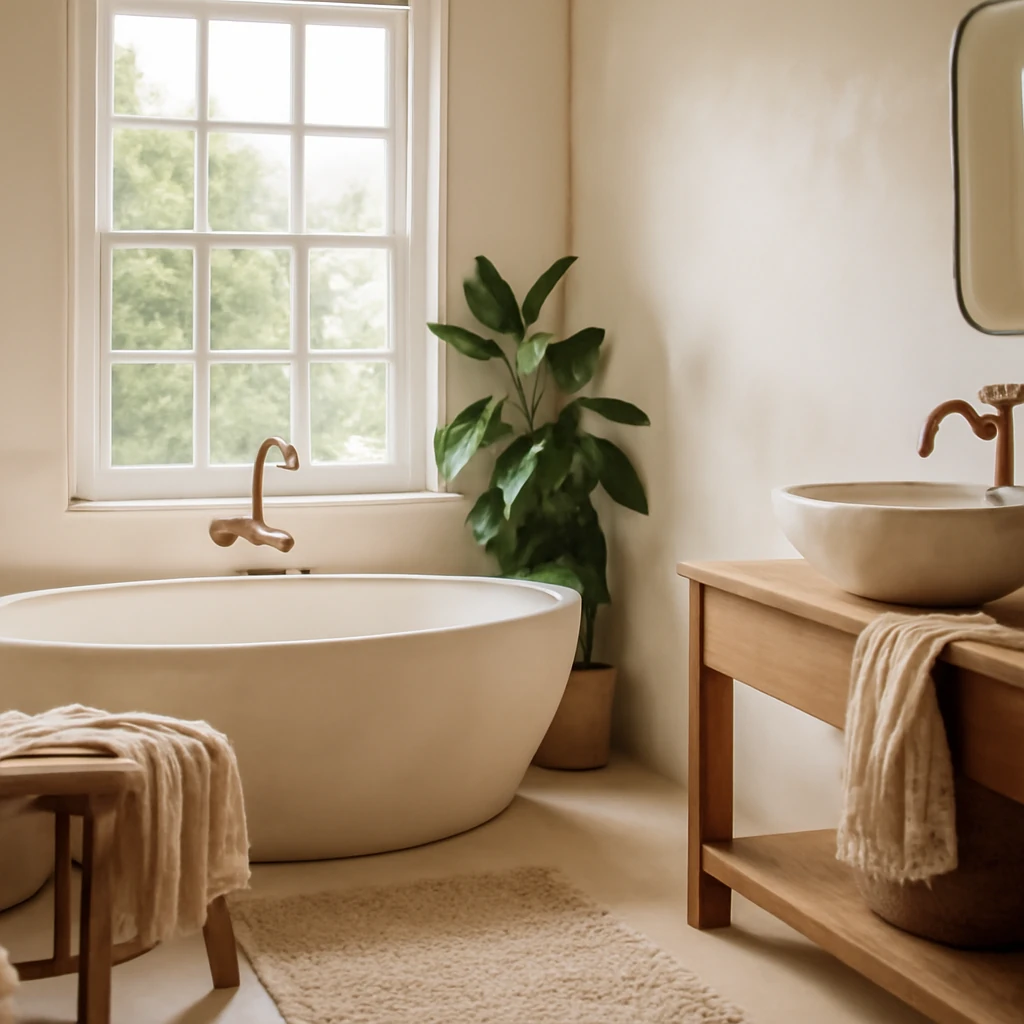
Rethinking bathrooms: wall and floor alternatives to tiles
Tiles have long been the default in European bathrooms, delivering durability and straightforward maintenance. Yet modern finishes offer a broader palette, combining reliability with aesthetics, better acoustics, warmer textures and surprising practicality. This guide surveys moisture‑resistant options for walls and floors that can refresh the bathroom while staying faithful to robust European construction standards. From economical PVC panels to premium microcement, the market now presents solutions that tolerate humidity, are easier to install, and align with contemporary design sensibilities. Below you will find pragmatic comparisons, installation tips and style guidance to help you plan a sophisticated, durable bathroom that may reduce total renovation time and cost.
Wall finishes: practical alternatives to tile
Walls in bathrooms face constant exposure to moisture, temperature fluctuations and cleaning agents. The following finishes are commonly used as tile alternatives across a wide range of European homes, from compact city bathrooms to larger family spaces. Each option balances waterproofing, aesthetics and ease of installation.
PVC panels
Utility and economy characterise PVC or uPVC wall panels. They come as sheets or interlocking boards that fit together quickly, minimising disruption. The breadth of available colours and textures lets you achieve a cohesive look without the visual repetition of traditional tiling. Key advantages include waterproofing, quick cleaning, and a forgiving substrate requirement, most panels can be installed over flat, existing walls with minimal preparation. They also contribute modestly to sound insulation, which can improve the sense of calm in a bathroom.
- Wide range of finishes from matte to high gloss, and textures that mimic timber, stone or concrete.
- Waterproof and easy to wipe down, reducing maintenance time.
- No heavy surface preparation is typically needed before installation.
- Additional sound damping can help in smaller, shared bathrooms.
A notable drawback is that PVC panels may read as budget or utilitarian if not styled carefully. To avoid a clinical or inexpensive vibe, pair panels with warm lighting, coordinated joins or a contrasting board edge. In small bathrooms, a single panel pattern running the length of a wall can visually elongate the space and keep moisture management straightforward.
Paint
Paint provides one of the most flexible and affordable options for walls in a bathroom. When properly chosen and prepared, moisture‑resistant paints can create a refined backdrop that adapts to evolving design tastes. The typical approach involves stripping away any old finishes, thoroughly cleaning, treating with a mould‑resistant primer and applying two coats of paint. In practice, a two‑layer system with a high‑quality bathroom paint yields durable results in zones that are less exposed to direct water spray, such as walls adjacent to the bath or sink.
There are three practical paint families for bathrooms:
- Acrylic paints offer excellent colour retention and are relatively user‑friendly for DIY projects.
- Silicone paints blend water resistance with long‑lasting performance, they maintain sheen and resist mould growth when properly applied.
- Latex paints are widely used for their balance of durability and ease of cleaning, performing well in moist environments when a suitable undercoat is used.
Finishes vary from matt to satin and gloss. Glossy finishes can visually enlarge a space by reflecting light, but may emphasise surface irregularities. Matt finishes feel sophisticated and warmer but demand a careful cleaning routine to maintain their pristine appearance. Wherever paint replaces tile, meticulous surface preparation and appropriate ventilation are essential, as damp conditions can affect curing and long‑term performance.
Decorative plaster
Moisture‑tolerant plasters present a tactile, sophisticated alternative to ceramic tile. In bathrooms, three main families are commonly selected: mineral, acrylic and silicone plaster. Each offers distinct characteristics.
- Mineral plaster is budget‑friendly and highly vapour‑permeable, which helps regulate humidity. However, it lacks elasticity and requires thorough priming and substrate preparation to avoid cracking in damp rooms.
- Acrylic plaster provides elasticity and water resistance, making it a durable choice with a pleasant sheen. It tends to be more forgiving on uneven walls and is relatively easy to maintain.
- Silicone plaster is a premium option with exceptional durability, moisture resistance and long service life, often backed by decades of performance. The main consideration is higher initial cost.
Regardless of the finish, installation begins with a stable base: cement or cementitious render, followed by a waterproofing layer, priming and finally the decorative coat. The texture can range from smooth to deliberately tactile, enabling a personalised aesthetic while maintaining robust moisture management. For interiors that emphasise tactile warmth, decorative plaster can be paired with warm materials like timber or stone to balance moisture resistance with natural ambience.
Wall coverings: wallpaper, glass fibre and self‑adhesive films
Wall coverings have made a strong comeback in bathroom design, provided they are designed for high humidity and properly installed with appropriate waterproofing. Consider three main options:
- Vinyl or fibre‑reinforced wallpapers offer resilience to moisture and a wide range of patterns. They are well suited to zones away from direct water contact or to feature walls where a less permeable surface is desired, such as behind the vanity. Ensure the wallpaper carries a moisture‑resistance rating and use compatible adhesives.
- Glass fibre wallpapers are highly durable and can be painted, they offer excellent vapour permeability and resist moisture and mould growth. Although more expensive, their longevity and subtle texture can be compelling in contemporary schemes.
- Waterproof self‑adhesive films or decorative films allow rapid redecoration with minimal disruption. They can mimic wood, stone or metal and can be applied to smooth surfaces such as plaster, tile substrates or fibre cement. Pre‑fit testing is essential to ensure adhesion and avoid air bubbles in humid environments.
When opting for wall coverings, ventilation remains essential. Poor air movement can lead to condensation and mould growth, especially in bathrooms with limited natural ventilation. A well‑designed extraction system and a controlled humidity level help extend the life of any wall finish and preserve aesthetics over time.
Decorative films and panels
Thin decorative films and panels provide a budget‑friendly, quick‑to‑install solution for enthusiasts who want a refreshed bathroom without a full renovation. Self‑adhesive films can be applied to existing walls and even engineered surfaces, offering a choice of textures and patterns. Like wallpapers, the key is a clean substrate and careful preparation to ensure adhesion and a seamless finish. Films are typically water‑resistant and can mimic natural materials such as wood or stone, enabling a warm, contemporary look while staying practical in a damp zone.
Microcement
Microcement has gained popularity as a seamless, contemporary finish for bathrooms. This cementitious coating is applied in multiple thin layers over prepared surfaces, creating a continuous, groutless surface that is highly water‑resistant when configured with proper waterproofing. It can be used on walls and even on ceilings, delivering a sleek, industrial aesthetic with a soft, tactile quality. Advantages include minimal joints, durability and a wide choice of colours. However, microcement requires skilled application and careful sealing to prevent cracking and ensure long‑term moisture resistance. Maintenance is straightforward if the surface is sealed and kept clean from standing water or harsh cleaners.
Wood finishes and timber look alternatives
Natural timber in bathrooms requires careful selection and treatment due to moisture exposure. European practice often uses durable timber species with robust protective coatings or opt for wood‑look panels and veneers that offer the warmth of timber without the maintenance burden. When real wood is used, select moisture‑resistant species such as certain pines, larches or teak varieties, and apply protective coatings that inhibit water ingress while allowing the wood’s natural beauty to show. For those seeking a balance between authenticity and practicality, high‑quality timber veneers or engineered wood panels with a water‑resistant core provide a credible alternative. Regardless of the route, ensure excellent ventilation and consider additional waterproofing behind timber elements to protect structures and finishes.
MDF and composite panels
Medium density fibreboard MDF panels, when manufactured to be moisture‑resistant, offer a versatile alternative for bathroom walls. They are lighter and easier to install than solid timber, and they can mimic the appearance of timber or stone with the right finish. For bathroom applications, it is crucial to use moisture‑resistant MDF and to seal all edges and joints appropriately to prevent water ingress. Pair MDF panels with compatible edge trim and a high‑quality sealant system to maintain longevity in a humid environment.
Floor finishes: alternatives to tiling for bathrooms
Flooring in bathrooms has distinct requirements: it must be water‑resistant, slip‑resistant and durable, even in homes with underfloor heating. A growing range of European flooring solutions can replace traditional tiles while delivering warmth, comfort and style. The following options are widely used and tested in moisture‑prone rooms.
Linoleum
Linoleum remains a practical choice for bathroom floors if correctly specified. Modern sheet linoleum or luxury vinyl sheet alternatives can be laid with a seamless perimeter seal to prevent water ingress. Linoleum can convincingly imitate natural materials and is typically softer underfoot than ceramic or porcelain tile, which adds comfort in daily use. When selecting linoleum for a bathroom, opt for a formulation designed for high moisture exposure and ensure a professional installation that achieves airtight joints and perimetric sealing to control water migration.
- Benefits include warmth underfoot, ease of installation and good resistance to moisture when properly installed.
- Consider anti‑slip variants for enhanced safety in wet zones.
- Perimeter sealing and substrate preparation are essential to prevent water from seeping underneath.
Linoleum offers a sustainable option for environmentally conscious projects, especially when manufactured from natural materials with low VOC emissions. Pair linoleum with heat‑retaining underlays and compatible waterproof membranes to maximise performance.
Laminate flooring
Laminate flooring for bathrooms has evolved significantly. Today there are water‑resistant and fully waterproof variants designed for humid spaces. The choice typically comes down to the core material and the protective coating. Two common options are:
- Water‑resistant laminate uses an HDF core treated with waxes and anti‑bacterial additives. It tolerates humidity better than traditional laminates but still benefits from adequate ventilation and limited water exposure.
- Fully waterproof laminate or vinyl‑based laminates offer superior protection against moisture and can be a robust solution for continuously damp environments.
When installing laminate in a bathroom, pay careful attention to expansion gaps, room layout and door heights. Sealing the joints with silicone or a compatible sealant is essential to maintaining moisture resistance and preventing water seeping into subfloors. The waterproof variants have the advantage of easier maintenance and more generous design options, particularly for modern interiors that favour warm, wood‑like aesthetics.
Vinyl tiles and sheets
Vinyl flooring has become a dominant choice in contemporary bathrooms due to its reliability and design versatility. Luxury vinyl tiles or sheets provide excellent water resistance, acoustic benefits and a soft underfoot feel. They come in a broad spectrum of patterns, including authentic wood, stone and concrete looks. Installation is straightforward, with options ranging from click‑lock systems to adhesive installations. A properly prepared substrate and high‑quality waterproofing layer help ensure long‑term performance in wet zones. For safety, choose vinyl flooring with a slip resistance rating suitable for wet rooms.
Enamel and coatings for floors
Floor enamel can be a quick and budget‑friendly route to refresh a bathroom floor. Epoxy and enamel coatings are robust, moisture‑resistant and available in a wide palette of colours. They offer a seamless, easy‑to‑clean surface that stands up well to cleaning agents. The main caveat is an initial odour and the need for thorough ventilation during curing, often requiring a temporary closure of the bathroom. When properly applied, enamel floors can be scrubbed and refreshed over time, making them a sensible option for renovators seeking fast transformation with minimal disruption.
Microcement for floors
Microcement can be extended from walls to floors to create a cohesive, groutless look. The floor version typically requires several thin coats, a robust waterproofing membrane, and careful finishing to achieve slip resistance. As with walls, microcement floors offer a contemporary, seamless aesthetic with a broad colour palette. They perform well in moisture environments and can be laid directly over existing substrates, including existing tiles, provided the base is properly prepared. The long‑term durability is high, but cracking risk must be managed through proper substrate movement control and professional application. If your project calls for a serene, uninterrupted plane underfoot, microcement is an appealing option.
Wood and wood‑look flooring
Natural wood on bathroom floors is possible in northern and central European climates where humidity control and ventilation are well managed. Real timber floors require meticulous sealing and maintenance to resist moisture, and they are generally reserved for larger bathrooms with adequate ventilation and heating. For many projects, wood‑look vinyl or ceramic tiles provide the warmth and character of wood with superior moisture resistance and lower maintenance. If you opt for real wood, select rot‑resistant species and apply multiple protective coats designed for damp interiors. Regardless of method, incorporate underfloor heating when appropriate, and ensure the floor finish remains compatible with heating systems and cleaning regimes.
A practical note on substrates and waterproofing
In European bathrooms, the substrate and waterproofing layer are crucial to success. Before applying any finish, professionals typically layer a waterproof membrane or a moisture barrier over the structural surface. This approach protects the substrate and ensures long‑term performance, especially in spaces with frequent water exposure. Substrates such as cement, cement boards or resin‑coated panels are common choices, followed by the selected wall or floor finish. The goal is to create a continuous, watertight plane that resists movement and avoids moisture accumulation at joints and edges. Good substrate preparation reduces cracking, mould growth and the need for premature replacement, delivering both durability and aesthetic longevity.
Choosing the right finish: a practical framework
With a range of options, how should you decide which finish to use in a European bathroom? Consider the following criteria to guide your decision.
- Moisture exposure and ventilation: bathrooms with high humidity or limited ventilation require finishes with proven waterproofing and mould resistance. Wet walls and shower zones benefit from robust moisture barriers and wipe‑clean surfaces.
- Maintenance and cleanliness: consider how easy it is to clean and how well the finish resists mould, mildew and staining. Ideally, pick surfaces that tolerate cleaning agents without degradation.
- Durability and life cycle: weigh the expected lifespan of the finish against budget and renovation timelines. Some options offer higher durability with longer maintenance intervals, while others are affordable but require more frequent refreshment.
- Design language: aim for a cohesive aesthetic. Continuity between walls and floors, or a deliberate contrast, can define the space. Reflect light with light colours or gloss finishes if the room is small, or introduce texture through plaster or wood alternatives for a tactile feel.
- Installation and disruption: some finishes demand professional installation or substantial surface preparation, while others can be DIY friendly. Consider renovation timelines and the impact on daily life.
- Environmental and health considerations: many European homes prioritise low‑VOC finishes and sustainable materials. Look for materials with durable performance and low environmental impact.
Practical design tips for European bathrooms
Beyond selecting a finish, there are design strategies to ensure your chosen solution performs beautifully over time. A few well‑timed decisions can transform a bathroom from functional to inspirational.
- Keep a cohesive palette: when mixing finishes, maintain a common colour family or neutral base to avoid visual noise. A single accent colour or material can unify the space across walls and floors.
- Plan for expansion and contraction: in temperate European climates, materials expand and contract with humidity and temperature. Allow for expansion gaps and use flexible sealants at joints to avoid cracking or warping.
- Prioritise ventilation: a well‑ventilated bathroom protects all finishes. If possible, install or upgrade a mechanical extractor and ensure consistent air movement to reduce humidity levels after use.
- Edge detailing matters: visible edges, trims and skirting boards should be moisture‑resistant and colour‑matched to the chosen finish. Well‑finished edges create a polished look and prevent water ingress at vulnerable points.
- Repairability: choose finishes that allow localised repairs. Modular panels or coatings that can be replaced in sections are preferable to full wall or floor overhaul when wear appears.
Real‑world considerations: planning for a European context
European bathrooms come in a wide array of sizes, layouts and construction methods. Whether renovating a compact city bathroom or a master ensuite, a thoughtful approach to moisture management and substrate preparation remains essential. The following points help translate the theory into practical, project‑ready planning.
- Budget and lifecycle: tile alternatives can vary dramatically in cost. PVC panels and prefinished MDF may offer immediate savings, while premium microcement and timber alternatives may justify higher upfront investment for long‑term durability and a refined finish.
- Local climate and humidity: coastal regions with higher humidity require finishes with superior water resistance and anti‑mould properties. Inland climates may allow a broader range of finishes but still benefit from robust waterproofing.
- Building standards and permitting: European building codes and moisture management practices differ by country. Work with qualified professionals to ensure compliance with local building regulations, particularly when altering wet zones and structural substrates.
- Maintenance culture: some finishes require periodic resealing, repainting or refinishing to maintain performance and appearance. Factor maintenance into the long‑term life cycle of the chosen solution.
Conclusion: designing a bathroom that lasts
Rethinking bathroom finishes beyond traditional tiling opens up a realm of possibilities for European homes. A well‑considered wall or floor finish can deliver moisture resistance, warmth underfoot and a contemporary aesthetic while supporting efficient maintenance. The key is to align the finish with the bathroom’s layout, ventilation, and lighting, and to ensure robust waterproofing and substrate preparation up front. Whether you opt for the clean lines of microcement, the warm texture of timber alternatives, the practical simplicity of PVC panels or the classic reliability of vinyl tiles, a thoughtful choice will yield a bathroom that remains beautiful, easy to live with and resilient for years to come.
Final checklist
- Assess moisture exposure zones and ventilation quality before selecting a finish.
- Choose materials with proven waterproofing and suitable maintenance profiles.
- Prepare the substrate meticulously and install a dependable waterproofing layer.
- Plan for expansion and contraction with appropriate joints, edge trims and sealants.
- Balance aesthetics and practicality to achieve a timeless, European‑inspired bathroom.
Material and design decisions should reflect both the practicality demanded by daily use and the refined sensibility of European interiors. With careful planning, a bathroom can become a sanctuary that looks timeless while incorporating the newest finishes and technologies available on the continent.
You may also like these articles
 Small Spaces
Clever design of small living rooms for European homes
Smart layouts, colour, lighting and furniture ideas for compact living rooms.
Bedroom
A pillow for every sleeper: guide to fillings, comfort and care
Find your perfect pillow filling and sleep soundly.
Living room
Sliding Wardrobes: Redefining European Living Rooms with Smart Storage
Sliding wardrobes reshape living rooms across Europe with smart design and flexible storage.