
Explore interior trends, AI design insights, styling guides and real transformations
Dolphin mechanism sofas: space-saving comfort for European living spaces
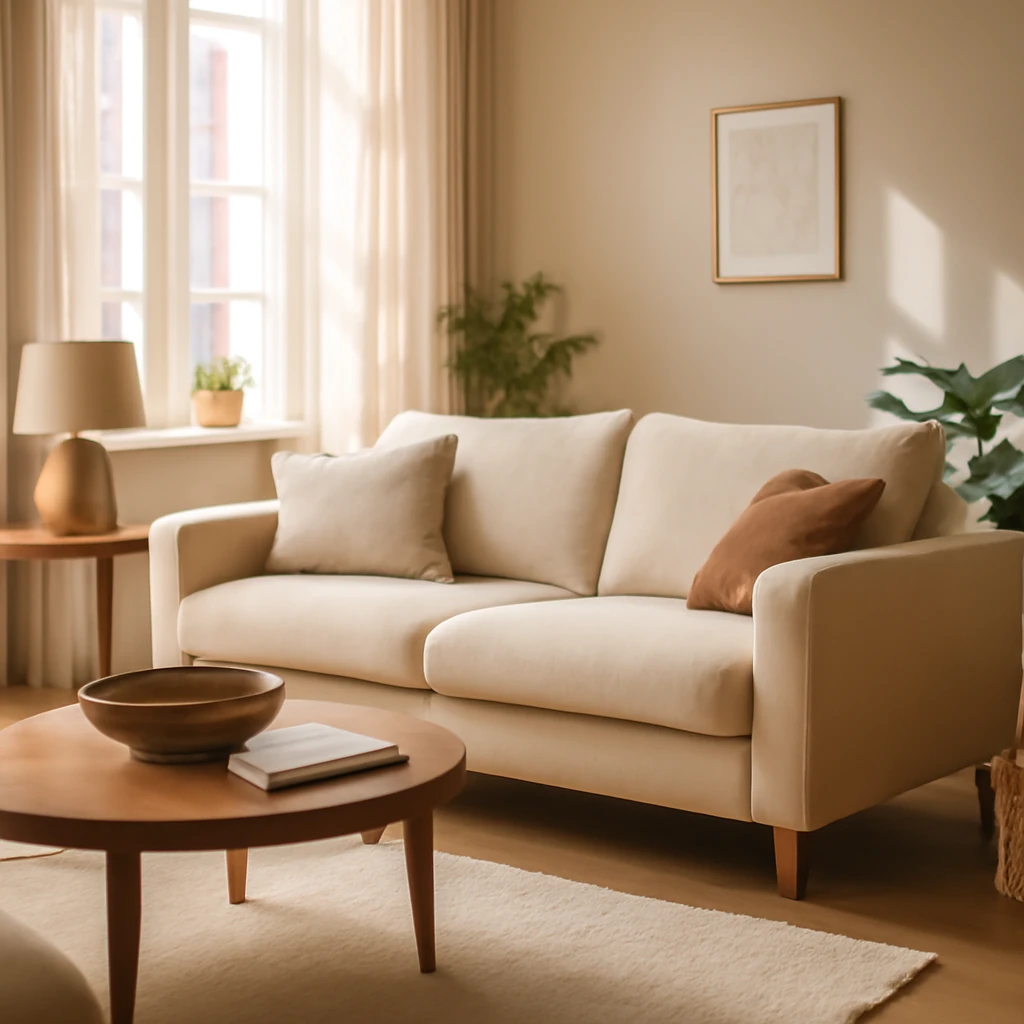
What is the dolphin mechanism and how it works
The dolphin mechanism is a sofa bed system famed for its smooth, almost gliding transformation from seated to sleeping position. Its name comes from the graceful, fluid motion of the sections, particularly evident when the sofa is viewed from the side. In many European showrooms and homes it is a preferred solution for guest rooms and living spaces where a spare bed is needed without sacrificing daily comfort. The dolphin system is typically chosen for its balance of practicality, reliability and a relatively modest footprint, making it well suited to a wide range of interior styles from Scandi minimalism to classic European comfort.
How the dolphin unfolds
- Open any storage drawer and remove bedding if present, for sofas with a lift-up seat or ottoman, the order of operations may be more flexible. Emptying the space keeps the process smooth and reduces the risk of snagging fabric or components.
- Grasp the lower edge of the seat and pull toward you. An additional section containing the mattress will slide out from the main frame.
- Use the built-in handle or fabric loop to pull the mattress up and into position until it sits flush with the seating surface.
- Check that the mattress aligns with the seat and there are no protruding edges that could interfere with comfort or function.
How to fold the dolphin sofa
To return to seating mode, reverse the steps in a controlled, even manner:
- Lower the extended mattress section back into the frame.
- Ensure that the fabric handle remains accessible on the outside for future use.
- Slide the lower block back into place, pressing evenly with both hands to avoid uneven seating or misalignment.
Always use two hands to move the platform back into position. An uneven push can cause misalignment or damage to the mechanism over time, especially with frequent use in compact living spaces.
Pros and cons
Advantages
- Transforming the sofa with the dolphin mechanism is quick and requires minimal effort, making it convenient for daily use or frequent guests.
- When folded, the sofa occupies less floor space, helping to maximise usable area in compact rooms or studio flats.
- The sleeping surface tends to be comfortable with few or no noticeable joints, thanks to an integrated mattress that sits flush with the seat.
- Constructed with simplicity in mind, these sofa beds are often reliable and have a long service life when the frame and mechanism are well engineered.
- Many models can sit flush against a wall, without requiring a gap behind the backrest to operate the mechanism, which is a practical advantage in smaller interiors.
- Corner configurations frequently include a storage drawer in the ottoman or a similar concealed compartment for linen or cushions, keeping essentials close at hand.
Common configurations using the dolphin mechanism
Corner sofas
Corner sofas with the dolphin mechanism typically integrate the operative section in one arm and offer storage in the opposing part. This arrangement optimises both daily seating and sleeping area, delivering a generous bed length while maintaining ample room for lounging during the day.
Modular sofas
Modular designs allow easy adaptation to room size and layout. A straight section may feature the dolphin mechanism, while additional modules can provide extra seating, storage or a chaise. In European ranges, modularity makes it straightforward to reconfigure as needs evolve, whether moving to a new home or re-planning a living area.
Straight sofas
Straight models can also be equipped with the dolphin system, offering a compact yet efficient extra sleeping space. Storage for bedding is often located in a nearby cabinet, chest of drawers or within an accompanying storage ottoman, keeping the sleeping area tidy during the day.
Storage furniture for linen and bedding
European interiors commonly pair dolphin sofas with coordinated storage pieces - linen chests, sideboards or under-seat drawers - to house bedding and cushions. These options help maintain a clean, uncluttered living room while ensuring easy access for guests.
How to choose a sofa with the dolphin mechanism
As with any sofa, quality matters for long-term comfort and durability. When selecting a dolphin mechanism sofa, focus on the frame, the fillings, the upholstery and the overall build quality. A well-considered choice will age gracefully and retain its comfort for many years.
Frame – solid wood or metal
The frame is the backbone of longevity. Solid hardwood or metal frames are typically the most durable options, providing robust support for both seating and the sleeping surface. Some lower-cost ranges may use engineered wood or composite materials for the frame, but the overall design should still withstand regular transformation without creaking or excessive flex.
In European productions, frames are often reinforced with cross-bracing and steel mechanisms in the moving parts. When you test in-store, gently operate the mechanism to assess its smoothness, resistance to wobble, and absence of unusual noises. A well-made frame will feel secure and steady in both positions and will maintain alignment after repeated cycles.
Fillings – resilient and supportive
The quality of the seating and sleeping surfaces hinges on the fillings. The most durable options include independent pocket springs and multi-layer polyurethane foams. Pocket springs offer long-lasting support and excellent weight distribution, helping to reduce motion transfer when two people sleep on the sofa. Layered foams can provide a comfortable balance of support and cost, but the longevity may be less than a spring-based core.
In practice, many high-quality sofas blend both components: a pocket-sprung base with a supportive foam or latex overlay for comfort and surface resilience. When trying a sofa, sit and lie on it at length, note how quickly the surface recovers after you move, and look for any lingering indentations after a few minutes of use.
Upholstery – practical and durable
The upholstery fabric should suit the room’s usage and your lifestyle. For family homes or frequent use, look for fabrics with practical performance and ease of cleaning. Key considerations include:
- If the sofa is used regularly by children or for meals, choose fabrics with stain resistance or easy-clean finishes. A protective finish can help repel liquids and soils, extending the garment’s appearance.
- For households with pets, opt for tightly woven textiles with a dense weave pattern. Heavy velvets, canvas or microfibre options tend to resist snags and fur more effectively than lighter fabrics, however, no textile is immune to wear, so keep pet nails trimmed and use protective throws as needed.
- Consider the colour and texture in relation to the room’s light levels. Lighter fabrics can brighten a space, but they may require more frequent cleaning, while darker tones hide stains better but can show wear over time if not well finished.
Many retailers offer an online configurator allowing customers to tailor upholstery to their taste and lifestyle, which can be a helpful way to balance aesthetics with durability.
Size and capacity
Choose a size that fits the space and the intended use. A compact two-seater may work well for occasional sleeping or for guest rooms, but adults will usually need at least a three-seater or a corner unit for comfortable overnight stays. Always confirm that the chosen model fits within the room’s footprint when both folded and unfolded, taking into account the spread required during transformation.
Mechanism integrity and build quality
Inspect the dolphin mechanism for robustness. Look for metal components in the key load-bearing areas, not plastic substitutes. In a showroom, request a few opening and closing cycles to gauge ease of use and any noise or resistance. If the mechanism feels stiff or uneven, consider a different model or a higher-quality option.
Warranties are a practical indicator of confidence in the product. A reputable European retailer should offer a substantial warranty on both the frame and the mechanism, with clear terms on maintenance, cleaning and potential parts replacement. Prefer suppliers who provide local service support and parts availability, ensuring the sofa remains functional and comfortable for years.
Care, toppers and maintenance
Mattress toppers and added comfort
For extended use as a bed, some buyers opt for mattress toppers to enhance comfort. A topper can provide additional cushioning and help balance the sleeping surface, particularly on sofas with thinner mattresses or modular configurations. When selecting toppers, popular sizes include 120x200 cm, 140x200 cm and 160x200 cm, larger configurations are found in some modular setups. Ensure toppers are breathable, with a removable cover for washing and an appropriate depth to lie flush with the sofa’s seating surface.
Care and maintenance
Regular maintenance helps preserve the sofa’s appearance and functionality. Practical tips include:
- Vacuum the upholstery regularly using a soft brush to remove dust and debris that can abrade the fabric over time.
- Rotate or reposition cushions to promote even wear, particularly on frequently used seating sections.
- Attend to spills promptly. Blot liquids with a clean, dry cloth - avoid rubbing, which can push stains deeper into the fibres. Follow the fabric’s care instructions and use appropriate stain removers if recommended by the manufacturer.
- Avoid direct sunlight for extended periods to prevent fading and fabric damage. Consider a protective throw or light drapes to shield the sofa from harsh sun.
- Keep the mechanism clean and dry. If you notice stiffness, a small amount of silicone-dosed lubrication applied by a professional can help, but avoid over-lubrication which can attract dust.
- Inspect the feet and frame periodically. If the sofa wobbles or the legs loosen, tighten screws or consult a technician for a proper adjustment.
Sustainability and materials
When considering a dolphin sofa, sustainability is increasingly important in European markets. Look for providers who disclose material sources, mattress foam certifications and wood origin. Engineered or recycled materials can reduce environmental impact if the frame and support system remain durable. Ask about manufacturers’ repair policies and the availability of replacement parts to extend the product’s life, which aligns with circular economy principles across the design industry.
Buying guidance and practical tips
To get the best value and long-term satisfaction, observe a few practical buying strategies. Consider arranging demonstrations in-store or requesting a demonstration video that shows how the sofa unfolds and folds, how high the mattress sits, and how easy the mechanism is to operate with one hand or two. Bring measurements of your living space, including doorways, stair landings and corridor widths, to ensure delivery is feasible and that the sofa can be manoeuvred into place without risk of damage.
What to ask the retailer
- What is the exact score or load rating of the frame and the mechanism?
- Is there a multi-layer warranty covering frame, mechanism, upholstery and springs?
- Can replacement parts be supplied in your region, and what is the typical turnaround time?
- What maintenance guidance does the manufacturer provide for the chosen model?
- Are there modular configurations or additional modules that can be added later without replacing the entire unit?
In lieu of conclusions
- The dolphin pull-out mechanism offers an excellent balance of convenience and robust performance for those seeking a comfortable and practical sofa bed for daily use or frequent hosting.
- The design remains straightforward and reliable, enabling operation flush against the wall and without the need for extra room behind the backrest.
- The compact footprint makes it particularly suitable for smaller living spaces, guest rooms and city apartments where space is at a premium.
- Before committing to a purchase, test the mechanism thoroughly and assess the resilience of the upholstery and the frame to ensure long-term satisfaction.
You may also like these articles
 Tips & How-To
The art of deep cleaning: a practical guide for European homes
A practical, eco-conscious deep-clean plan for European homes.
Small Spaces
How to Plan and Draw the Wardrobe of Your Dreams
A comprehensive, space-smart guide to designing your dream European wardrobe.
Colour & Materials
Blue in Interiors: Balancing depth and light across European homes
A practical guide to using blue for depth, light and mood in European interiors.