
Explore interior trends, AI design insights, styling guides and real transformations
Bay Windows: Design Focal Points for European Homes
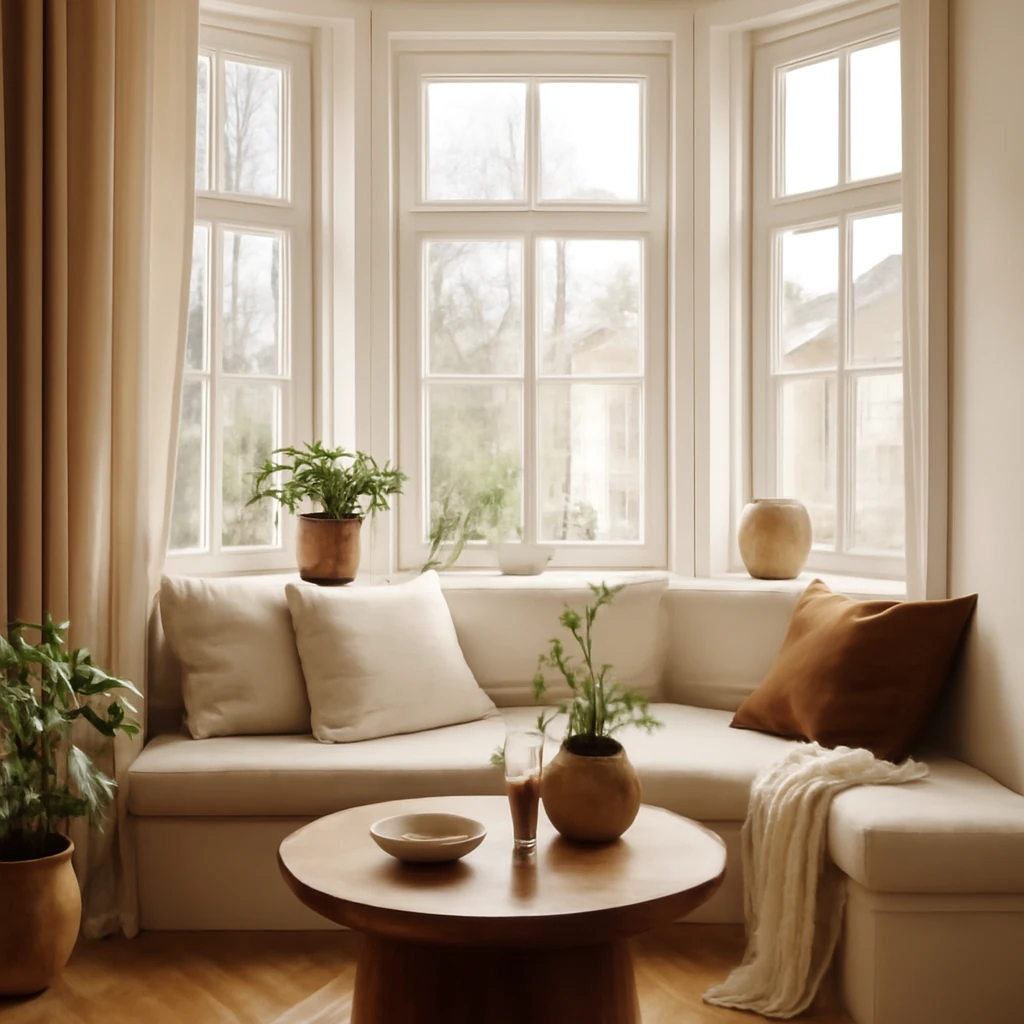
Bay Windows: a design opportunity in European homes
A bay window is more than a decorative projection. In many European cities, existing housing stock - whether a late‑Victorian terrace, a mid‑century apartment, or a contemporary build - offers bay windows as a generous source of daylight, a frame for views, and a versatile platform for furniture and greenery. When treated as a deliberate design feature rather than a mere architectural detail, a bay window can redefine how a room feels and functions. The secret is less about the size of the bay and more about how you plan, upholster, illuminate and accessorise around it.
What is a bay window?
Historically, a bay window projects beyond the exterior wall, creating a small alcove inside the room. It typically consists of three or more panes arranged to form a protrusion, with a larger glazing area than a standard window. The outward projection brings in more light and provides opportunities to enjoy exterior views from a new vantage point. In modern interiors, bays may be developed in various forms - from traditional three‑panel bays to more contemporary square or curved configurations. The essential characteristics remain: a defined, outward extension of the wall, abundant daylight, and the potential to define an interior zone without walls.
Origins and evolution in European homes
Bay windows first appeared in medieval and early‑modern Europe as a practical way to expand interior space and admit light without heavy structural changes. During the Victorian era they grew to symbolise status and refinement in many urban homes. Today, the bay window has shed some of its historical aura and is embraced as a flexible architectural device across new-build apartments and period reconstruction alike. In British cities, continental towns and many European capitals, it is common to find bays integrated into living rooms, kitchens, and even bedrooms, where they offer a distinctive focal point and an enhanced sense of airiness.
Shapes and configurations
Bay windows come in a range of shapes, each offering a different spatial dynamic. The choice often depends on the proportions of the room, the orientation to the street, and the intended use of the bay. Typical configurations include:
- Three‑sided projecting bays with a central window flanked by two angled sides, often creates a curved interior shelf or seating.
- Box bays with rectangular glazing, giving a more linear silhouette and streamlined interior lines.
- Semi‑circular or curved bays that create a soft, enveloping nook with a generous windowscape.
- Angular bays - triangular, trapezoidal, or polygonal - designed to maximise light where the exterior wall plane changes direction.
- Cube or rectangular bays that extend outwards in a clean, geometric form, often used in contemporary interiors.
Classically, many bays are three‑faced and join the exterior facade at angles that are not right angles, which can influence how furniture sits inside. In more compact spaces, a square or rectangular bay can be easier to plan around, while curved bays offer a romantic softness and a generous, panoramic view.
Bay window vs balcony or loggia
A bay window is a fixed architectural feature that remains part of the interior envelope, rather than an external balcony or loggia which is attached to the exterior and often has separate access. In older buildings, bays were commonly found on upper floors, sometimes resembling a half‑balcony, however, modern bays can be placed in any living area, including ground level, and are not self-contained as outdoor spaces. This distinction matters for insulation, glazing choices and the way the bay interacts with heating and shading requirements.
Advantages and challenges
- Increases perceived space: a projection creates additional interior volume, making a room feel larger.
- Maximises daylight: extended glazing invites more daylight, improving mood and reducing artificial lighting needs.
- Views and connection to outdoors: a well‑located bay provides a continuous line of sight to outside, enriching daily life.
- Zoning potential: the bay can host a dedicated seating area, dining nook, reading corner, or study, without sacrificing floor area elsewhere.
- Decorative opportunities: the bay becomes a logical focal point for colour, textiles, lighting, and plantings.
Like any design feature, bays have potential downsides if not planned thoughtfully. Common challenges include wind exposure and thermal performance, glare during peak sun, and the need for bespoke storage and furniture planning to fit the irregular geometry. With careful specification - quality glazing, appropriate shading, and well‑considered furniture - the downsides are manageable and often offset by the benefits.
Designing with bays: ideas by room
In the living room: a flexible seating retreat
The bay can become a characterful seating zone. A built‑in window seat with a firm, yet comfortable cushion invites lounging and reading, while the shelves beneath can house books, throws and magazines. Where space allows, a modular sofa can be oriented to face both the view and the main living area, creating a balanced conversation area. If the bay is shallow, consider compact armchairs on either side of a low coffee table to form a symmetrical, welcoming arrangement that centres the bay as a visual anchor.
In larger spaces, a continuous seating arrangement that follows the curve of a curved bay can establish a cosy, intimate perimeter for conversation, while leaving the centre of the room open for movement and light. Neutral bases with occasional colour accents draw the eye toward the window, while anchoring soft furnishings in durable fabrics suitable for high daylight exposure.
In kitchens and dining areas: breakfast nooks and social hubs
The bay interface is ideal for a breakfast or coffee corner. A compact dining table or a built‑in dining ledge can be placed within the bay, maximising daylight during morning meals. Modest upholstered banquettes along the window line provide comfortable seating with efficient use of space, while freestanding dining chairs can be rotated as needed for larger gatherings. If the bay is large enough, a long dining table with a set of pew or bench seating can create a convivial dining zone that benefits from the outside view and daylight throughout the day.
In bedrooms: reading nook and dressing area
A bay can transform a bedroom into a private sanctuary. A low window seat with hidden storage under the cushion makes a compact dressing spot or a place to unwind with a book before sleep. A small desk inside the bay can double as a vanity or a quiet workspace with natural light ideal for skincare routines or makeup. If the bay receives strong sun, consider light, breathable fabrics and a shading strategy that retains view while reducing glare and heat gain.
In home offices: bright, focused work zone
For a productive work corner, position a desk along the window wall, with the view serving as a calming backdrop. Perpendicular placement of the desk can take advantage of side lighting and avoid direct glare. Thoughtful storage within the bay - slim drawers, floating shelves, or cabinets - keeps the desk area tidy while preserving the window view as a visual amenity. A task lamp with adjustable brightness complements daylight, ensuring a comfortable light level across working hours.
In bathrooms and spa‑like corners
If the bay is adjacent to a bathroom, it can host a freestanding bath or a small spa area where privacy and natural light converge. Where planning permits, ensure proper damp proofing and ventilation to protect timber floors or stone finishes. A window within a damp zone should have moisture‑resistant framing and controlled openings to maintain safety and energy efficiency.
In children’s rooms: study, play and rest zones
Young learners benefit from a sunlit study corner near the bay. A child‑sized desk with adjustable seating, open shelving and magnetic boards keeps supplies accessible. The window seat can become a calm reading nook or a playful storage solution for toys. Flexibility is key: choose furniture that grows with the child and can be reconfigured as needs change.
In small spaces: turning the bay into an art or plant nook
A small bay is an excellent place for a curated collection of plants, sculpture or an art corner. A tall plant display on the outer side or a compact easel‑style stand invites creativity while keeping floor space free. Ensure there is adequate daylight for the plants you choose and incorporate concealed wiring for a neat, clutter‑free look.
In larger, open plans: the bay as a natural room divider
In open‑plan layouts, a curved or well‑defined bay can act as a soft boundary between living and dining zones. A bench or low cabinet along the window line provides storage and display space while preserving the visual connection to the outdoors. Use lighting at multiple levels - recessed coves, wall lamps, and a central pendant - to articulate the different zones after dark.
Practical design guidelines for bays
Structure, insulation and comfort
Even within European climates, thermal performance matters. Choose high‑quality glazing with a reputable thermal break and low‑emissivity coating. Where possible, opt for triple glazing in uninsulated or poorly insulated facades and ensure the bay’s sill heights promote ease of use without compromising sealing. Insulation around the jambs and frames must be meticulous to prevent cold spots and wind leaks. For south‑facing bays, consider external shading - louvred screens or external blinds - that block excessive heat while preserving the view.
Windows and glazing options
Glazing choices influence daylight, glare, and energy use. In living areas, large clear panes maximise daylight and maintain a strong connection to the outdoors. For privacy or glare control, use translucent films or light fabrics on side windows, and install adjustable internal shading. Consider integrated blinds or mechanical shading systems that can be programmed to respond to sun angle and season.
Materials, colour and texture
The surrounding interior materials should harmonise with the bay’s geometry. Soft, warm tones on walls and ceilings can balance curved or protruding forms, while a bold console, a coloured window seat cushion, or a textured rug can define the bay without dominating the room. When selecting finishes, ensure durability in areas subject to sun exposure, as long periods of daylight can cause fabrics and timber to fade or warp if poorly protected.
Flooring and underfoot comfort
Flooring should flow from the room into the bay to create a cohesive floor plane. A continuous timber floor, a long, wide plank, or a seamless sheet material can help to visually elongate the space. If the bay seating is integrated, consider a built‑in timber seat frame with wool or linen upholstery for warmth and comfort. In larger bays, a rug that echoes the room’s colour palette can define the seating area and soften the transition to the outdoors.
Lighting strategy
Natural light is abundant by day, but evenings require layered lighting. Incorporate a combination of ambient, task and accent lighting. A wall‑mounted sconce or a pair of adjustable wall lamps can flank the bay, while a central ceiling fixture or a pendant above a dining nook can give a focal glow. For reading corners, ensure a dedicated task light with warm colour temperature to create a cosy, inviting atmosphere.
Soft furnishings and décor
Soft furnishings are the easiest way to integrate a bay into the room’s colour story. Consider fabrics that resist fading and are easy to clean, especially for high daylight exposure areas. Cushions, throws and curtains can bring colour, texture and personality. For plants, select varieties that thrive in bright, indirect light, and ensure containers are stable to avoid tipping on a window seat when the window is opened or closed.
Storage and furniture planning
Irregular bay geometry often invites bespoke storage solutions. Build drawers or open shelves beneath a window seat, or design a slim cabinet that echoes the bay’s angle. If the bay is deep, floating shelves or a slim console along the inner wall can provide media storage, books and everyday essentials without blocking light to the window. When space is tight, a modular sofa system with pieces that can be reconfigured helps maintain flow and flexibility.
Greenery and biophilic touches
Plants bring life to bays, especially where daylight is abundant. A carefully curated collection of easy‑care species - leafy greens, trailing varieties, or compact sun lovers - can create a tiny urban conservatory. Pair plants with a soft, light planter palette to avoid visual clutter. If watering is a concern, choose low‑maintenance varieties that thrive in bright, but indirect, light and implement a simple irrigation routine.
Common mistakes to avoid
- Underestimating storage needs or misjudging the bay’s geometry, which can make the space feel cluttered.
- Choosing furniture that blocks the glazing or creates glare at peak sun hours.
- Skipping proper shading or insulation, leading to overheating in summer or cold drafts in winter.
- Forgetting to plan for cleaning and maintenance around the window seat and shelving, which can quickly become neglected areas.
Design tips: a quick checklist
- Define the bay’s purpose early in the design process - seating, dining, study, or a display alcove - then tailor furniture and storage to that function.
- Respect the geometry: align dominant pieces with the bay’s angles, or use soft curves to echo the exterior form.
- Prioritise natural light: keep glazing clear of obstructions, use light fabrics and transparent solids to maintain brightness.
- Control glare and heat: install shading with the option for daylight dimming, consider external solutions for hot climates.
- Balance view and privacy: use framing elements such as curtains or a slim console to create privacy when needed without sacrificing the view.
Inspiration from European practice
Across Europe, designers commonly treat bays as the signature element of a room. A bay is not merely a window, it is a micro‑environment that can host soft seating, a small garden, a reading nook or a compact workstation. The most successful projects treat the bay as a tailored extension of the interior: the palette carried from the main room into the bay, lighting that complements the exterior light, and furniture pieces that respect the bay’s non‑rectilinear geometry. When attitudes toward daylight - optimising, curating and controlling it - are central to the design brief, bays become efficient, joyful spaces rather than decorative afterthoughts.
Conclusion: make the bay a design priority
The bay window is a powerful asset in European homes, capable of transforming light, circulation and mood. With thoughtful planning - addressing insulation, glazing, storage, lighting and soft furnishings - the bay can support a range of functions, from a calm reading nook to a vibrant social hub. Treat it not as a fixed limitation but as a flexible, constructive element of interior architecture. In doing so, you’ll elevate the entire room, and perhaps even redefine how you inhabit your home.
You may also like these articles
 Colour & Materials
Grey in Interiors: Nine Timeless Pairings to Elevate European Homes
Discover how grey anchors European interiors with nine versatile pairings.
Interior Design
Art Deco Interiors: The Timeless Allure of Geometry and Glamour
Uncover how Art Deco luxury translates into modern European homes.
Renovation
Wall Levelling: A European Guide to Perfect Walls
Practical, step-by-step guidance on wall levelling for European homes.