
Explore interior trends, AI design insights, styling guides and real transformations
Mastering the U‑Shaped Kitchen: practical layouts for European homes
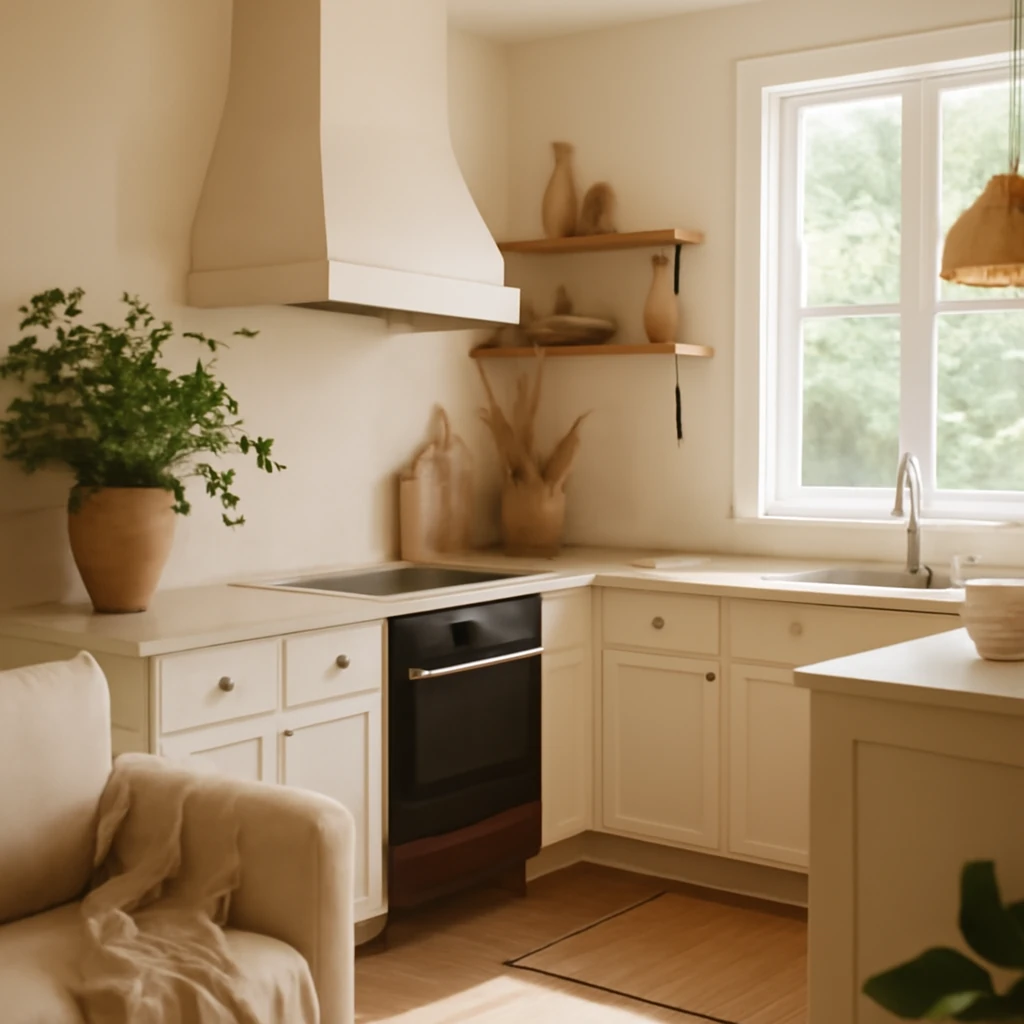
When a U‑shaped kitchen is the right choice
Across Europe, the U‑shaped kitchen has become a decisive favourite in both refurbished apartments and modern flats. Three walls of cabinetry enclose the work area, delivering abundant storage, multiple work surfaces and a clearly defined cooking zone, while remaining connected to the surrounding living spaces. In compact townhouses, retrofits and new builds alike, this layout optimises every square metre by leveraging corner storage and continuous work surfaces.
In open‑plan schemes, one leg of the U acts as a natural divider, delineating the kitchen from the living area without the need for walls. A peninsula or a compact island can extend the work surface into the room, doubling as a casual dining space or a place for informal meals on busy days.
In short, a well‑executed U‑shaped layout supports efficient workflows, social interaction and flexible seating, making it a strong contender for European homes ranging from 20 to 60 square metres and beyond.
Advantages of a U‑shaped kitchen
- Generous storage: three walls of cabinetry translate into plentiful base and wall units, plus opportunities for tall cupboards to house appliances, pantry items and cookware.
- Additional work surfaces: continuous countertops on three sides deliver plenty of prep space, ideal for multi‑tasking and family cooking.
- Efficient work triangle: when planned thoughtfully, the fridge, sink and hob lie on adjacent runs, reducing travel distance during meal preparation.
- Open‑plan compatibility: the layout can create a subtle boundary between kitchen and living zones while preserving sociability and sightlines.
Disadvantages and how to mitigate them
- Two challenging corners: deep lower corner units can be difficult to access. Mitigation: install carousels, pull‑out organisers and smart lazy‑Susan style solutions to optimise corner usability.
- Door and appliance access: in narrow recesses, some doors or drawers may be hard to operate. Plan for adequate clearance between parallel runs before finalising cabinet depths.
- Perceived weight and bulk: a large, parcelled‑out cabinet run can feel visually heavy. Counter this with lighter finishes, glass accents, or a lighter wall colour to “dissolve” the mass.
Who benefits from a U‑shaped layout
This configuration suits a wide range of households: families who cook together, home entertainers who enjoy socialising near the prep area, and frequent hosts who value not only storage but also flexible seating. For optimal comfort, the space between parallel runs should be generous enough to move freely with doors open. In practice, aim for a minimum of around 1.2 metres between walls. If possible, a wider gap (1.5–2.0 metres) makes opening drawers and doors much more relaxed, especially where tall units or ovens are present.
In European contexts, many kitchens are installed in layouts where windows and radiators influence placement. It is common to plan with the radiator that sits beneath the window in mind, either by aligning the worktop away from heat sources or by incorporating a vented, heat‑friendly under‑window zone. The result is a kitchen that remains comfortable in all seasons and respects existing architectural features.
Variants and configurations
Window sill as an extension of the worktop
A wide sill can function as valuable extra prep space in small or narrow kitchens. This approach works especially well in homes with tall radiators or pipes that would be disruptive if hidden behind cabinetry. When planning, consider relocating radiators or providing perforations for air flow to the exterior glazing so that the heat does not compromise worktop integrity or cause glare on surfaces.
Sink by the window
Positioning the sink beneath a window brings in natural light and a pleasant view during chores. Not every project can accommodate a window over the sink, but where feasible, it enhances morale and task‑lighting balance. Check window height, sill depth, and the availability of plumbing and drainage before committing. If the window restricts cabinet depth, use shallow base units in that area and keep the main prep zone on the adjoining walls.
Kitchen in a niche
For apartments with a shallow alcove or a re‑entrant corner, a recessed U can still deliver high storage with careful planning. Niche layouts benefit from strategic illumination and efficient ventilation, ensuring the cooking zone remains comfortable and free of lingering odours. In such schemes, a glass partition or a lightweight divider can help visually separate the kitchen without creating a closed feel.
With an island
An island transforms a U‑shaped kitchen into a truly generous, sociable space. The island typically hosts the hob and, where possible, the sink, freeing perimeter runs for extensive cabinetry. An island provides additional storage, a bake‑up surface, and a casual seating option. When space allows, extend the island footprint beyond the base cabinets to create an overhang for seating, with an adequate knee clearance beneath (60–90 cm per seat).
With a bar counter
A bar counter can double as an informal dining zone or quick‑meal station. There are two common approaches: a counter integrated into the main island or a dedicated bar section along one leg of the U. If seats are planned, allocate at least 60 cm of bench depth per diner, ideally 75–90 cm for a comfortable bar experience. Note that bar counters without integrated storage beneath may feel lighter, but will reduce the amount of concealed storage nearby.
With island storage
Islands with built‑in storage beneath the countertop are practical for housing small appliances, cookware and serving wares. When drawers and pull‑outs are arranged under the island, think about accessibility from the kitchen front and from the room side. A wider island (with a wider overhang) can double as a social hub, but ensure the overall footprint remains proportionate to the room.
Split or offset U shapes
Some layouts soften the edge of a traditional U by separating segments with a small gap, allowing easier access to corner units and improving circulation. This approach can be particularly useful where an awkward doorway or corridor interrupts a strict three‑wall arrangement.
How to position furniture, sink and appliances
Oven placement: chest height or in the bridge
The conventional rule is to place the oven at chest height or in a vertical column that bridges two runs. If the oven is under the work surface, ensure there is sufficient clearance to remove hot dishes and to place trays on a heat‑resistant surface. Alternatively, integrating the oven into a tall unit accepts the heat away from the primary prep zone and keeps the main counters uncluttered.
Sink and water supply
Situating the sink near the water supply and drainage is essential. In a larger U with an island, it is common to relocate either the hob or the sink to the island, while keeping the other tasks on the perimeter walls. This distribution preserves a natural work triangle and fosters efficient movement between primary tasks.
Refrigerator positioning
Leave a practical gap between the fridge and the hob - typically at least 20 cm - to ease opening doors without interference. The fridge should be close enough to the prep zone for quick access yet not so close that it blocks movement along the counters.
Ergonomic rules for a U‑shaped kitchen
Ergonomics underpin successful kitchen design. Key guidelines include ensuring a minimum 1.2‑metre clear width between parallel wall runs, and allowing approximately 56 cm of drawer projection and an equivalent width for comfortable access when the drawers are fully open. If a bar or counter seating is included, allocate leg room and knee clearance under the overhang - roughly 60–90 cm per seat depending on the overall width of the island or counter.
Lighting and ventilation also influence ergonomics. Layered lighting - ambient ceiling light, task lighting under wall cabinets and accent lighting on shelves - improves accuracy and reduces eye strain. Adequate extraction with a hood that suits the kitchen size and occupancy is essential to manage cooking odours and humidity, particularly in compact city dwellings where ventilation routes may be constrained.
Costs and budget considerations
As with any major cabinetry project, costs rise with scope. A U‑shaped kitchen typically requires more cabinetry than a simple straight run, especially if you pursue tall units, generous pantries and mechanical upgrades such as pull‑outs, corner carousels and lift‑up doors. The total budget will be driven by cabinet quality, door finishes, hardware and the complexity of relocating plumbing or electrical points. Practical planning can offset some of these costs: modular components, standard depths (commonly 60 cm base units) and a coherent colour story can keep the project within a modest budget while delivering a refined result.
Ideal starting conditions for a U‑shaped kitchen
To achieve a balanced, usable layout, expect a few core requirements before committing to a U shape. First, ensure space between parallel walls is not less than around 2.2 metres when a full three‑wall run is planned and you want comfortable circulation around the island or peninsula. Second, allow for a practical work zone near the window or primary natural light source, while ensuring that plumbing and electrical feeds can be moved or extended if necessary. Third, account for seating space at any bar or island: a minimum of 60 cm per person, preferably 75–90 cm for enhanced comfort.
- Keep doorways and passageways clear of obstructions, avoid placing major appliances directly in the line of traffic.
- Plan for intelligent corner storage - carousels, pull‑out corner units or diagonal pull‑outs make the most of previously underutilised space.
- Choose light or mid‑tone finishes to prevent the space from feeling boxed in, reflectors such as glass splashes or glossy fronts can brighten the room.
Practical tips for European kitchens
- Material choices: durable, easy‑to‑care finishes with good resistance to heat and humidity are ideal for kitchens. Consider matte laminates, timber veneers, quartz or porcelain composites for countertops, paired with thermoformed or framed frontals to balance aesthetics and maintenance.
- Cabinet organisation: inner drawer dividers, deep corner baskets and pull‑out trays boost efficiency. Use vertical space with tall cabinetry and optimise the base units with smart inserts for pans and utensils.
- Lighting strategy: combine ceiling ambient light with task lighting under wall cabinets and LED strips along the toe kick for safety and ambience. Dimmer switches help adapt the mood for cooking, dining, or entertaining.
- Ventilation considerations: in smaller flats, a high‑quality recirculating hood can be effective, but where possible, plan for ducted extraction to maintain air quality and reduce odours.
- Colour and tone: a cohesive palette with light walls and coordinated cabinetry can make a compact space feel more expansive. Accent colours can be introduced via soft furnishings or a glass splashback to add personality without overpowering the room.
Conclusion
A well‑executed U‑shaped kitchen can be a model of efficiency, sociability and function in European homes. By prioritising generous walkway widths, practical corner solutions, flexible seating, and carefully considered placement of sink, fridge and oven, you can achieve a kitchen that handles daily tasks with ease while remaining a welcoming hub for family and friends. Remember to account for ventilation, lighting, and plumbing considerations early in the design process so the final layout performs beautifully in everyday use.
Further reading: four noteworthy kitchen layouts with U‑plans
Whether renovating an apartment or planning a new kitchen, exploring varied U‑shaped configurations - such as with an integrated island, a bar seating option, or a narrow window‑prominent plan - can help identify the most practical solution for your space. Seek professional guidance to tailor the geometry, cabinet depths and hardware to your home's dimensions, your cooking habits and your daily routines.
You may also like these articles
 Interior Design
Harmonising Doors and Floors: Seven Design Principles for European Homes
Master the art of matching doors with flooring across Europe.
Interior Design
Crafting a Welcoming, Practical Entrance: European Foyer Design Essentials
Practical storage, materials, and lighting ideas for stylish European hallways.
Kitchen Design
Classic Kitchen Design: A European Guide to Timeless Luxury
Timeless European elegance for the modern kitchen, from layout to textiles.