
Explore interior trends, AI design insights, styling guides and real transformations
The Puma sofa mechanism: daily comfort, durability and intelligent design for European living rooms
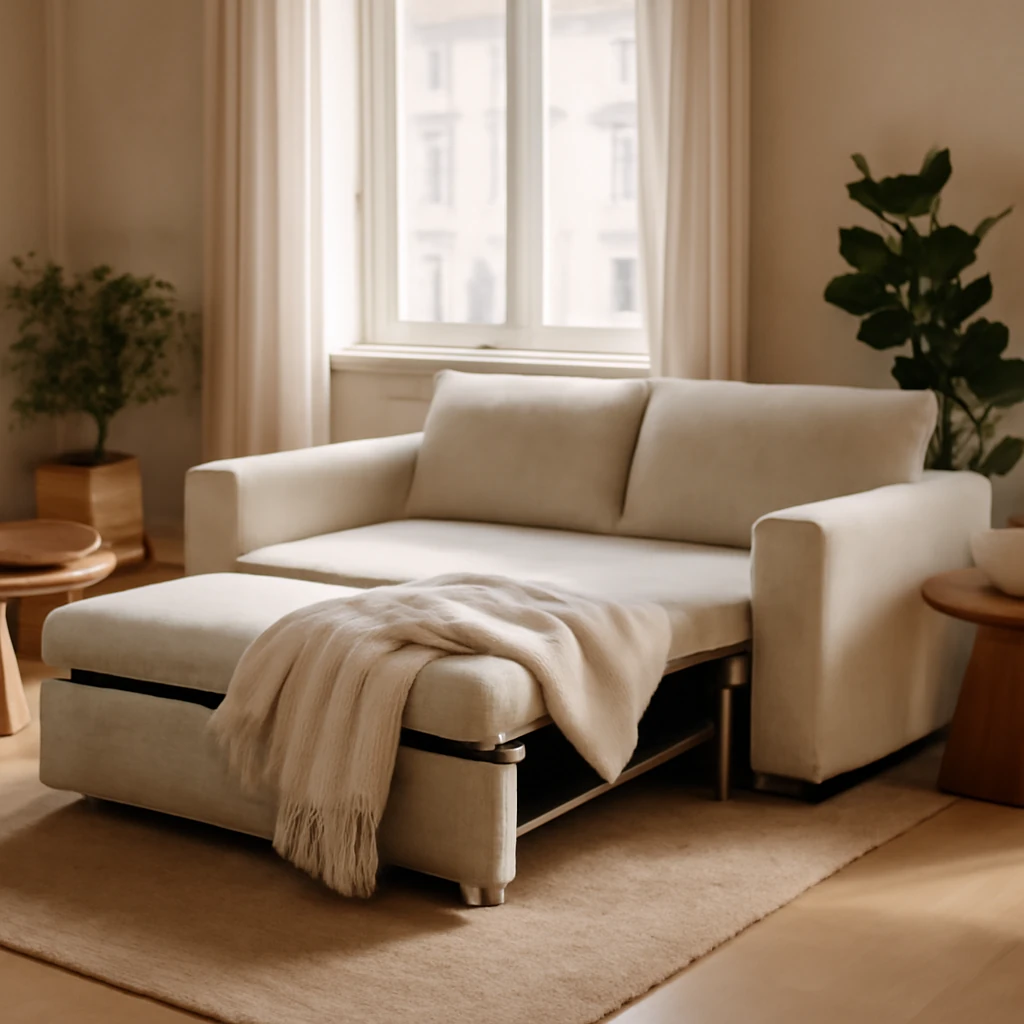
Introduction: why the right sofa mechanism matters in European living spaces
In modern European interiors, the sofa is more than a place to sit. It is a daily equilibrium between comfort, function and space management. For many households, a sofa that doubles as a bed must perform reliably without compromising lounging quality. Among the transforming mechanisms available today, the Puma (often referred to as a stepping or walking mechanism) stands out for its balance of ease of use, durability and a flat sleeping surface. This article offers a comprehensive, practical guide to understanding the Puma mechanism, its advantages and limitations, and how to choose a sofa that will serve as dependable daily sleeping space in compact and well-appointed European homes.
Although the design lexicon varies across countries, the underlying principles are universal: a high-quality frame, a dependable sleeping surface and a mechanism that disappears beneath comfort rather than drawing attention to itself. The focus here is on European living contexts, including open-plan living rooms, compact flats and seasonal guest arrangements, where a sofa must both perform as seating furniture by day and as a robust bed by night.
Types of sofas with transforming mechanisms
Transforming sofas are typically grouped into two broad categories: universal models intended for daily use as a sleeping surface, and guest or occasional-use sofas where the bed is deployed less frequently. The distinction matters because daily-use sofas demand higher precision in the mechanism, a durable sleeping surface, and consistent ergonomic support for regular use.
Universal sofas are designed to operate smoothly every day, evenly distributing weight and ensuring the sleeping surface is flat and comfortable. In contrast, guest sofas prioritise occasional flexibility, the most frequent use is occasional overnight stays, and therefore the emphasis on mechanism longevity is still important, but the daily performance criteria may be less stringent.
When planning a European living space - whether it is a compact city apartment, a longer open-plan living area or a versatile studio - understanding these categories helps in selecting a sofa that matches daily routines, guest hosting needs and spatial realities. In the following sections, we examine the Puma mechanism in particular and how it compares with other popular transforming solutions.
From corner to straight configurations: how layout shapes function
Dividing sofas by configuration is a practical step for space planning. Straight sofas with transforming mechanisms are typically smaller and easier to place along a wall, making them attractive for narrow living rooms or apartments with strict floor plans. Corner (L-shaped) models, by contrast, offer more seating and usually include integrated storage or a larger sleeping area. In European homes where open-plan spaces are common, both configurations play a valuable role, but the choice often comes down to how much space you have when the bed is deployed and how frequently you expect to use the sleeping surface.
In both straight and corner variants, a Puma mechanism can be integrated with independent pocket springs, foam layers of varying firmness, and a carefully engineered frame. The result is a bed surface that, when folded out, aims to be flat and comfortable across the entire width, minimising visible seams and ensuring a practical night-time surface.
What is the Puma mechanism?
The Puma mechanism for sofas comprises a telescopic synchroniser with a spring-loaded system. This design ensures even distribution of weight across the bed surface and protects components from excessive stress during use. The core idea is to enable an effortless transformation, so users of all ages can convert the sofa into a bed without applying unusual force. The mechanism is named for the smooth, forward-stepping action that resembles a graceful animal's movement, with a forward glide that supports a stable extension of the sleeping surface.
In practice, Puma systems employ a combination of levers, springs and guide rails that coordinate the motion of seating sections. As the user initiates the transformation, the seating unit shifts forward, while a secondary section slides out to create a continuous, level sleeping plane. Importantly, the backrest typically remains fixed during deployment, which helps maintain lumbar support and avoids instability in the sleeping surface. The result is a bed that feels cohesive rather than a collection of separate parts.
How a Puma sofa operates: a step-by-step overview
To convert a sofa equipped with a Puma mechanism into a bed, follow these general steps. Note that individual models may include slightly different steps or catches, but the sequence below captures the typical workflow in contemporary European designs:
- Stand at the front of the sofa and locate the edge of the seating area at the centre or near the armrest, depending on model design.
- Gently lift the front edge of the seat to disengage any catches or latches that secure the frame in its closed position.
- Pull the seating section towards you with a steady, even motion. The frame will begin to extend forward as the hidden mechanism engages.
- As the front section slides out, another component will emerge or slide into place, aligning to form a flat sleeping surface. The backrest typically stays in place, providing a stable upper support for the user.
- Once the surface is fully extended, adjust any cushions or support paddings to achieve an even plane. If the seating area includes removable cushions or a topper, place them to ensure the bed is uniform and comfortable.
Some models feature a practical loop or handle along the edge of the upholstery to facilitate the process. If you experience stiffness, a light application of furniture-safe silicone spray on any moving parts can improve glide, but avoid over-lubricating, which can attract dust and grime over time.
To re-close the sofa, reverse the steps: push the bed back into the frame in a controlled manner, ensure the seating panel seats fully, and return cushions to their resting positions. A well-made Puma mechanism does not require excessive effort and should operate smoothly with a light touch from an adult - children may require adult supervision to avoid pinching or misalignment.
Top-ups and accessories: improving comfort and longevity
For daily-use sleeping surfaces, a thin mattress topper can dramatically improve comfort and prolong sleeping quality. Topper options vary in thickness and material, but a 3–5 cm foam or latex topper often provides a balanced cushioned feel without significantly increasing the overall bed height. For guests or occasional use, a lower-profile topper can still offer satisfactory comfort while preserving a compact bed footprint.
When selecting toppers, consider compatibility with your sofa size and the room’s climate. In regions with colder seasons, breathable, moisture-wicking fabrics and toppers can help maintain comfort throughout the year. It is important to choose toppers that sit securely on the sleeping surface so they do not shift during sleep or while the sofa is being converted back into seating.
Pros and cons of Puma mechanisms
Advantages
- Easy daily transformation: the mechanism is designed for frequent use, with intuitive motion that most adults can perform without assistance.
- Robust construction: Puma systems employ metal components and reinforced joints that resist wear and tear under regular loading.
- Wall clearance flexibility: the sofa can be placed relatively close to a wall since the bed surface extends with a forward motion rather than swinging out behind the sofa.
- Flat sleeping surface: when deployed correctly, the bed surface presents minimal transitions or gaps, supporting better sleep quality compared with some alternative mechanisms.
- Floor protection: the stepping action is generally smooth and does not drag or scratch flooring when used with proper foot traffic.
- Compact closed form: many Puma-equipped sofas remain visually compact when folded, which is advantageous in small living spaces where visual clutter matters.
General design considerations: a well-made Puma sofa blends solid timber or steel frames, high-quality upholstery and controlled spring tension to maintain balance across many deployment cycles.
Disadvantages
- Price premium: premium mechanisms with durable components typically price higher than simpler transformation systems.
- Limited storage on straight models: the straight configuration often lacks integrated storage, meaning a bed may reduce available under-seat space.
- Bulkier cushions: to achieve a level sleeping surface, manufacturers sometimes add extra back cushions or shrouds that must be managed during deployment, which some users find less convenient.
Which Puma sofa should you choose for daily use?
When selecting a Puma sofa, two primary configurations cater to different space realities and sleeping requirements: straight models and corner (L-shaped) models. Each has its own strengths for daily use and for hosting guests in European homes.
Straight configurations: compact and economical for daily use
Straight Puma sofas represent the most space-efficient option. They are generally more compact when folded, cost less than corner models, and are well-suited to small flats or studios where floor area is at a premium. For solo sleepers or guests who stay only occasionally, a straight configuration can offer a comfortable sleeping solution without dominating the room. However, a notable limitation is that the bed surface often occupies the footprint of the sofa’s seating area when deployed, and an integrated storage drawer may be unavailable on many straight designs. If you require space to store bedding within reach, you may need to plan a separate storage solution or consider a straight model that includes a hidden pull-out storage section under the sleeping surface.
Corner configurations: space and storage for two
Corner Puma sofas are typically larger, offering broader sleeping surfaces and, in many cases, integrated storage in the side sections. This makes them ideal for families or households that regularly accommodate two sleepers. The corner configuration also tends to provide a more generous seating area when the sofa is in its closed position, which can improve the daily lounge experience. The trade-off is a larger footprint and, in some cases, a higher price. For European living rooms where a sofa often anchors the central seating area, a corner Puma sofa can deliver superior comfort while still maintaining a sleek profile and efficient use of space when folded away.
What to look for when buying a Puma sofa
- Frame and materials: a durable frame made from solid wood or quality steel is essential. Look for joints that are screwed and reinforced rather than simply glued, and check that the mechanism is anchored securely to the frame.
- Springs and support system: the sleeping surface should use independent pocket springs or a combination of high-resilience foam and springs to provide even support across the entire bed. This reduces the risk of pressure points and sagging over time.
- Upholstery and fabric choice: for kitchens or dining areas, a hard-wearing faux leather or coated fabric may be appropriate for easy cleaning. For sleeping comfort, choose softer textiles with good breathability and durability. In all cases, ensure the fabric is tailored around the edges and cushions to minimise wear and pilling over years of daily use.
- Sleeping surface flatness: test the bed extension in-store by folding out the mechanism and walking along the surface to check for creases, seams or abrupt transitions. A well-engineered Puma should reveal a near-flat bed with minimal seam visibility.
- Size and fit: measure the available space and check the bed dimensions when fully deployed. Typical single sleepers require around 120–140 cm width, while twin or double configurations range from 140–180 cm or wider, depending on the model and configuration.
- Storage options: if storage is a priority, prefer corner models with built-in drawers or lift-up storage compartments. Verify that access to storage does not interfere with the mechanism’s operation or the bed’s clearance when deployed.
- Care and maintenance: understand the care routine for both the upholstery and the mechanism. Regularly check screws, lubrication points, and the alignment of rails to prevent wear.
- Warranty and serviceability: choose a sofa with a reputable warranty covering frame, mechanism and upholstery. European markets increasingly offer industry-standard guarantees, verify what is included and whether there are maintenance requirements to keep the mechanism in optimal condition.
Practical tips for a comfortable daily-use bed
Even with a high-quality Puma mechanism, some practical steps can improve daily comfort and extend the life of the sofa bed:
- Use a topper: a thin, breathable topper can smooth minor irregularities, improve comfort for daily sleeping, and protect the mattress surface during the sofa’s frequent use.
- Avoid overloading: respect weight limits specified by the manufacturer. Excessive loads can distort the frame or strain the mechanism during deployment and retraction.
- Keep the bed surface clean: a clean sleeping surface helps maintain hygiene and prolongs the life of the upholstery and mattress components.
- Regular checks: annually inspect joints, screws and the mechanism for wear or looseness. Address any issues early to prevent more serious damage.
- Packing and transport considerations: when moving, protect the sofa with blankets or padding to avoid scuffs on the upholstery and to safeguard the mechanism from misalignment during transit.
Maintenance and care: keeping your Puma sofa in top condition
Maintenance is straightforward but important for longevity. The following routine supports consistent performance in European homes where climate and usage patterns vary across seasons:
- Vacuum upholstery regularly to remove dust and debris that can abrade fibres over time.
- Rotate or rearrange cushions to maintain wear evenness, particularly for seating cushions that bear daily weight.
- Inspect the mechanism annually, tighten loose screws, lubricate moving parts with manufacturer-approved products if recommended, and replace worn components as needed.
- Protect the sleeping surface from moisture and spills, act quickly to clean any liquid stains using appropriate cleaning agents recommended for the fabric type.
Design integration: aligning Puma sofas with European interiors
In European design practice, a sofa is often the central anchor of a living room. When selecting a Puma sofa, consider how the piece complements a space’s colour palette, lighting scheme and furniture scale. Neutral fabrics with subtle textures tend to age gracefully and adapt to changing décor over years, while bold upholstery can create a focal point that elevates a room’s character. For smaller spaces, a straight Puma sofa with a concealed storage option or a compact corner model can preserve openness while providing practical sleeping space. For larger living rooms, a corner Puma sofa can offer generous seating and sleeping area, helping to define zones for lounging and guest rooms for overnight visitors.
Lighting, floor coverings and wall finishes should be chosen to work with the sofa's fabric and tone. A cooler-toned room may benefit from a slightly firmer seating surface for daily use, whereas a warmer palette can be enhanced by softer fabrics that feel cosy in the evenings. The Puma mechanism is not colour-sensitive, but the cover and cushions should be selected to maintain a cohesive aesthetic across the space.
Conclusion: Puma sofas as a smart, long-term investment for contemporary European homes
For those who live in compact flats, open-plan layouts or versatile rooms, a Puma sofa represents a thoughtful fusion of comfort, practicality and durability. The mechanism’s design supports daily deployment, delivering a flat, even sleeping surface with minimal effort. While higher upfront costs reflect the quality of components and engineering, the long-term benefits - reliable transformation, consistent sleeping comfort and potential storage advantages - make Puma-equipped sofas a compelling choice for modern European interiors. By focusing on frame integrity, sleeping surface quality, upholstery suitability and the availability of storage options, buyers can select a sofa that meets daily needs and remains stylish for years to come.
You may also like these articles
 Colour & Materials
Grey as the New Neutral: Mastering European Interiors with Colour and Texture
Grey as the new neutral: elevate European interiors with mindful colour pairings.
Living room
Sliding Wardrobes: Redefining European Living Rooms with Smart Storage
Sliding wardrobes reshape living rooms across Europe with smart design and flexible storage.
Small Spaces
Designing for Small Spaces: European Living in Compact Homes
Smart zoning, light, and modular furniture for European compact homes.