
Explore interior trends, AI design insights, styling guides and real transformations
A Practical Yearly Deep Clean: The Essential European Guide

A single, well-planned day of deep cleaning each year can free you from ongoing maintenance for the months ahead. This comprehensive guide helps European households approach a full, methodical clean without upending your schedule. By dividing tasks across seasons, you can keep every corner of your home refreshed - from ceiling to floor, and from daily comfort to long-term hygiene and energy efficiency.
Lamps and light fittings
Dust accumulates on decorative fixtures and fittings, and light can dim noticeably when grime coats surfaces. Start by removing and washing light shades with warm, soapy water. Wipe bulbs with a dry cloth only when cool. For crystal or glass components, a gentle cleaning solution that contains a dash of ammonia can restore brilliance, ensuring the crystals sparkle as they should. Be mindful of delicate finishes and avoid harsh abrasives on metalwork. After cleaning, reassemble in the correct order to preserve the fixture’s balance and safety.
For recessed or track lighting, wipe the outer surfaces with a damp cloth and dry immediately. Routine checks each season can prevent gradual brightness loss and keep the ambience of your rooms intact.
Radiators and heating units
Over the heating season, dust can accumulate between radiator panels and behind units, acting as insulation that impedes heat distribution. Cleaning is straightforward but effective. Use a narrow brush or a small duster to loosen dust on the fins, then vacuum with a crevice tool to remove stubborn particles. Wipe the exterior with a damp cloth and dry thoroughly to avoid corrosion. Where space permits, consider detaching the radiator panel to access hard-to-reach areas, but only if you are confident in handling such work safely.
The ideal moment for this task is at the end of the heating season when radiators are cool. Regular maintenance improves efficiency and reduces energy consumption, which is particularly valuable in older European flats that rely on compact heating systems.
Cornices and upper surfaces of cabinets
Dust settles on the upper edges of furniture and along ceiling mouldings, especially in rooms with high ceilings or open-plan layouts. Use a soft microfiber cloth to wipe these surfaces, and consider masking tape or a lightweight sheet to capture falling dust as you work. For textured or intricate mouldings, a small vacuum nozzle or a paintbrush can help loosen and collect dust without scratching surfaces. Periodically, place a sheet of protective covering on top of closed storage to simplify future clean-ups and prevent dust from accumulating on the next installation cycle.
Regular upkeep reduces the workload during the annual deep clean and helps maintain a calm, clutter-free aesthetic in rooms with characterful architectural details.
Oven and cooking appliances
Ovens accumulate grease and baked-on residue with use. If you cook frequently, a more frequent clean - every 2–4 months - prevents heavy build-up. For lighter usage, once a year may suffice. If your oven includes a self-cleaning function (pyrolytic or catalytic), run the programme according to the manufacturer’s instructions. If not, prepare a paste of baking soda and water, apply it to the interior surfaces (avoiding heating elements), and leave overnight. In the morning, scrub with a damp cloth and rinse clean. For the oven door, a vinegar solution helps break down grease, while a sponge or non-abrasive pad cleans glass without leaving scratches. Racks and trays can soak in warm, soapy water to loosen stubborn grime before a final rinse.
Extractor hood and filters
Grease collects quickly in kitchen ventilation systems. Remove metal filters and wash them in warm, soapy water, a gentle scourer can help remove stubborn film. Most metal filters are dishwasher-safe, so you can run them through a cycle every 2–3 months. A full, annual clean should address the hood’s interior and any obstructed areas in the ductwork, using a degreasing agent on the exterior, and cotton swabs dampened with a bicarbonate solution for tight corners. Proper vent maintenance reduces odours and fire risk, supporting safer, more efficient kitchen operation.
Freezer and fridge compartments
If your freezer lacks a No Frost system, defrosting once a year is prudent. Begin by transferring food to a cool bag, then switch the appliance off and leave the door open to allow ice to melt gradually. Place towels or trays to collect water and avoid damage to flooring. After defrosting, wipe down interior walls with a mild bicarbonate solution to neutralise odours, then dry completely before restarting. If your freezer has No Frost, annual deep defrost is less critical, but you should still clean shelves and seals to maintain efficiency.
Washing machine interior
To keep clothes fresh and the appliance efficient, perform a deep clean of the washing machine once a year. Wipe the door seal to remove mould and residue, remove the detergent drawer and rinse it under warm water, and clear any accumulated gunk from filters. Run a hot wash (or 90°C) with a descaling or citric acid solution to clear the drum and hoses. This routine helps prevent odours and improves washing performance, particularly in hard-water regions common across Europe.
Mattress care
Mattresses accumulate dust mites, skin cells, and moisture over time. Vacuum both sides of the mattress and rotate or flip it as recommended by the manufacturer. If your mattress is single-sided, rotate head-to-foot to ensure even wear. Treat stains individually with a targeted cleaner and avoid soaking the mattress, excessive moisture can lead to mould. For odour control, sprinkle a light dusting of baking soda, leave for a few hours, then vacuum clean. Regular rotation and occasional airing minimise allergen build-up and extend the life of your bed.
Pillows and duvets
Pillows should be washed 2–4 times a year depending on filling. Synthetic fillings typically tolerate machine washing on a delicate cycle, natural fillings (such as down or feathers) are best cleaned by professionals or dedicated laundry services. Duvets may be washed at home if they fit in your machine, otherwise opt for a laundromat or dry-cleaning service. Drying is crucial to prevent mildew, ensure items are fully dry before use. Alternately, consider protective covers to extend the time between cleanings and maintain hygiene more easily.
Attics, lofts, and storage spaces
Storage areas accumulate dust, forgotten items, and sometimes mould. Once a year - preferably when seasonal wardrobes are rotated - remove everything, vacuum shelves, and sort items into keep, donate, or discard piles. Check for damaged goods, pests, or electrical faults in stored appliances. When in doubt, replace outdated or broken items rather than attempting to repair them piecemeal. Label boxes clearly and create a simple inventory to prevent reintroduction of clutter in the future.
Wardrobe refresh
A comprehensive wardrobe audit keeps clothing from gathering in piles and keeps your space efficient. Perform a seasonal clearance: in spring remove winter items, in autumn archive summer pieces. Items not worn for a full year (excluding special occasion wear) are prime candidates for donation, resale, or recycling. For items you keep, launder or dry-clean before storage. Store off-season garments in breathable bags or cotton covers and use shallow storage to avoid deep folds that crease fabrics. A clear, well-organised wardrobe makes daily dressing quicker and more enjoyable.
Bookshelves and book collections
Books attract dust between pages and along spines. Remove volumes, dust the shelves thoroughly, and wipe each book with a soft cloth or a gentle brush. If you have a large collection, spread the task across several days to prevent fatigue. Consider reorganising by author, subject, or size to improve readability and access. If space allows, rotate a few reads seasonally to keep your shelves lively and inviting.
Exterior windows from the outside (for high floors)
Cleaning exterior glass is a yearly task for many European homes, particularly on higher floors where access is restricted. In good weather, use a long-handled squeegee and extendable cleaning tools with non-abrasive pads. Avoid windy days and extreme temperatures. For lower floors, you may be able to reach the outside pane from ladders or scaffolding with careful planning. Inside, keep sills clear of clutter to let light flood the room and to make window cleaning easier in the future.
Organising the annual clean: a seasonal plan
To avoid overloading a single weekend, divide tasks into quarters and align them with seasonal rhythms. This approach keeps your home consistently fresh without exhausting you. A practical distribution is as follows:
- Spring: exterior windows from the outside (where feasible), radiators after the heating season, and a quick audit of winter wardrobe and winter gear.
- Summer: attic or loft storage purge, oven and extractor hood maintenance, freezer defrost if required, and deeper dusting of high surfaces.
- Autumn: revise the summer wardrobe, mattress care, pillows and duvets refresh, and storage reorganisation in anticipation of the new season.
- Winter (before holiday periods): chandeliers and cornices, shelves and bookcases, and a thorough cleaning of visible surfaces to foster a calmer, more welcoming home during the darkest months.
By tackling a manageable block each season, you ensure that the annual clean remains an empowering routine rather than a daunting project. The goal is a home that feels lighter, healthier, and more energised, with fewer stubborn tasks left for the end of the year.
You may also like these articles
 Interior Design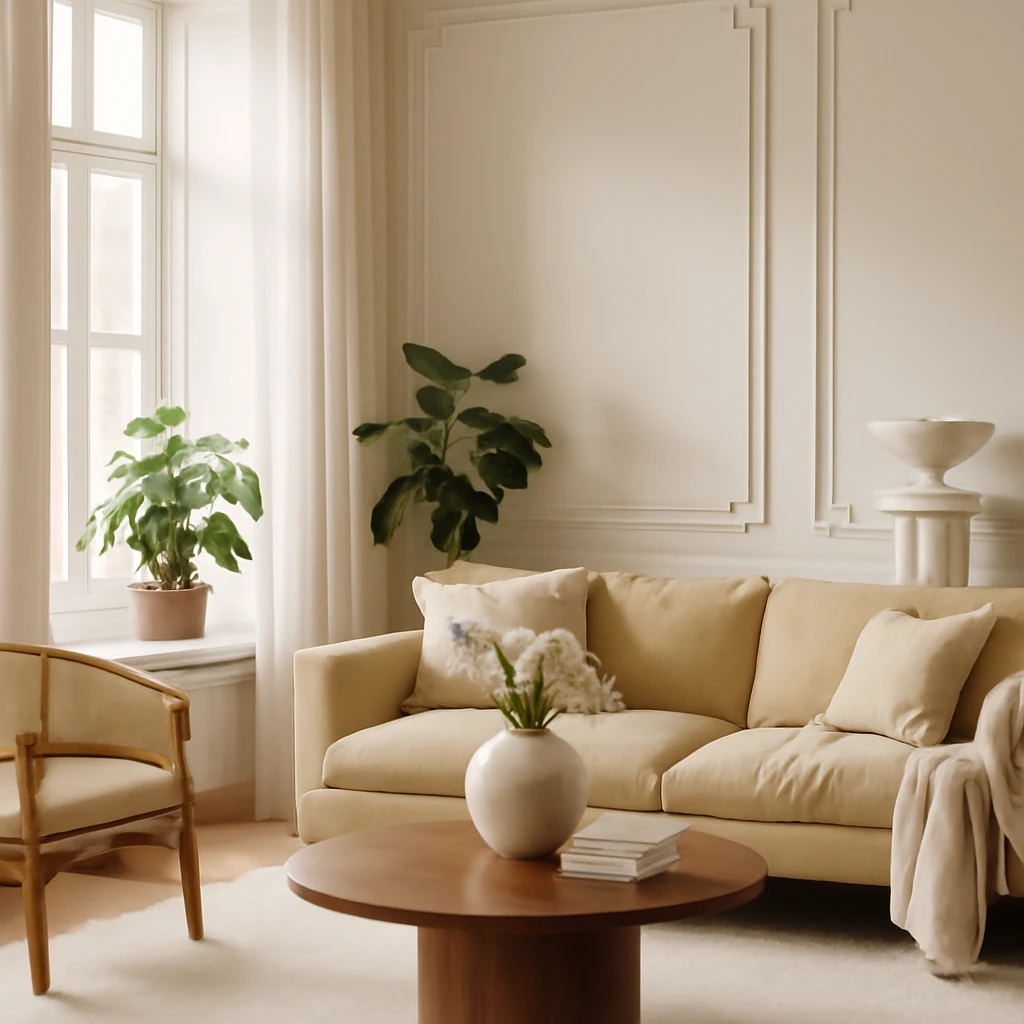
Modern Classic: Reimagining Neoclassical Interiors for European Homes
Modern neoclassical design for European homes: timeless elegance meets contemporary living.
Colour & Materials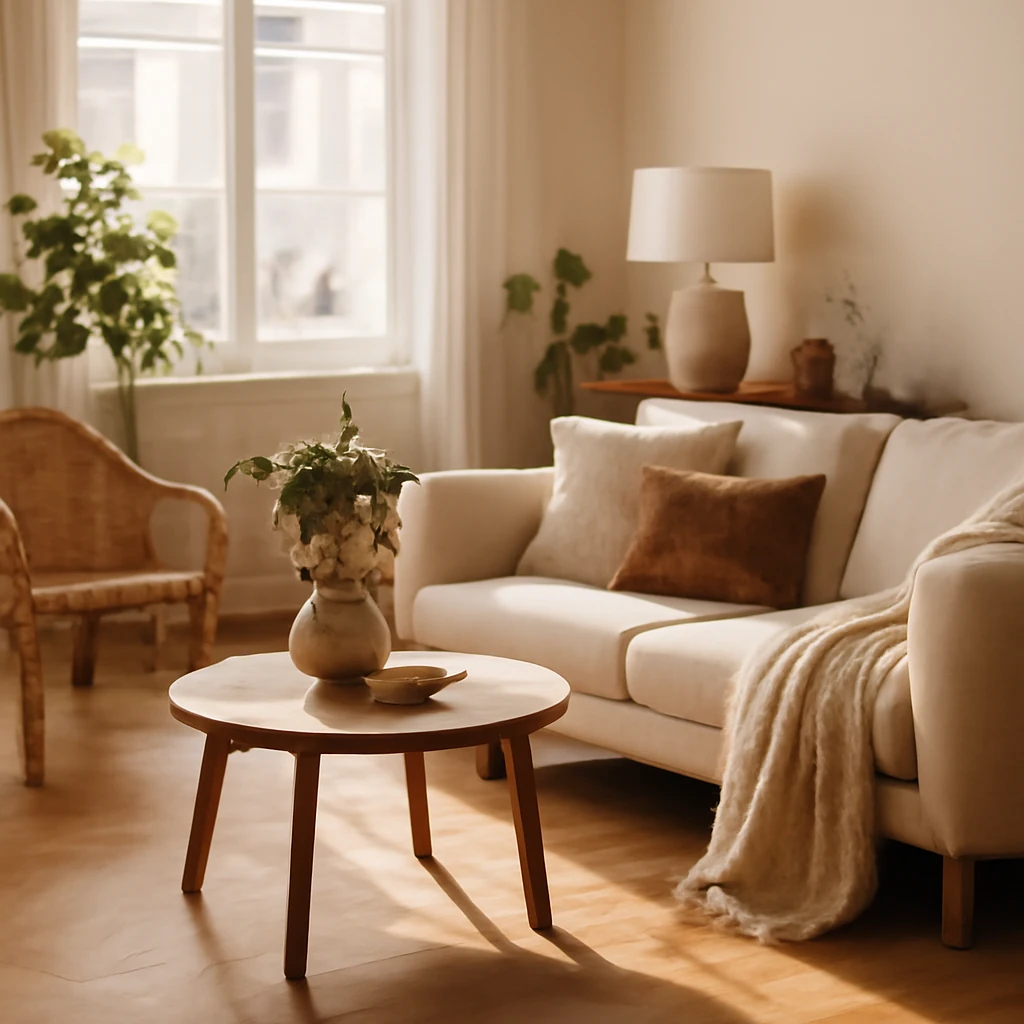
Laminate vs Parquet: A Practical European Flooring Guide
Laminate or parquet? A practical guide to European flooring choices.
Tips & How-To
Wall Photography as a Design Narrative: Ideas for European Homes
Turn memories into art with thoughtful wall photo displays.