
Explore interior trends, AI design insights, styling guides and real transformations
Boho Interiors Across Europe: A Practical Guide to Bohemian Living
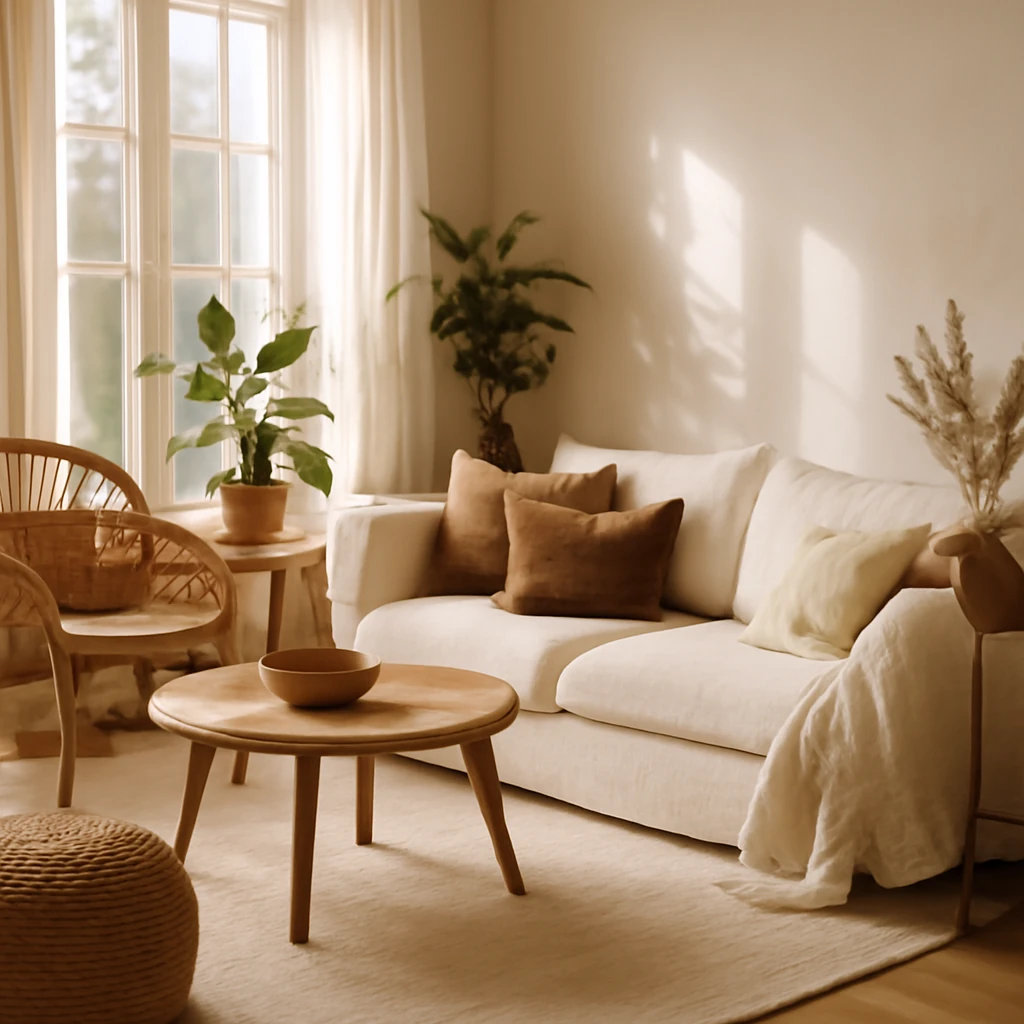
What is Boho style in interiors?
Boho, short for Bohemian, is a design language built around freedom, colour, texture and craft. In European homes - from compact city flats in Berlin to generous lofts in Lisbon or Parisian pieds-à-terre - the Boho approach adapts with ease. It is less about chasing a rigid set of rules and more about telling a human story through space. The style thrives on warmth, texture and the sense that the room has grown with the people who inhabit it. For many, Boho is the ultimate realisation of personal taste: a lived-in, vibrant backdrop for daily life, travel memories and handmade treasures.
Key characteristics of Boho interiors
Boho is recognisable by several overlapping features. It never looks clinical or perfectly matched, instead, it celebrates warmth, eclecticism and a sense of “collected over time.”
Vibrant colour and pattern
Bold colour is embraced in textiles, rugs, cushions and wall hangings. Rich reds, oranges, yellows, blues and greens mingle with neutrals to create an atmosphere of celebration rather than excess. In European homes, the colour story is usually layered: a calm base (often white, warm beige or soft grey) supports striking accents in the form of textiles with ethnic motifs, handwoven carpets, kilims and fringed throws. The effect is festive without being exhausting, a colour journey that invites you to stay awhile.
Maximalism and eclecticism
Boho is inherently eclectic. It blends various cultures, time periods and textures in a single space. You might find a mid-century chair beside a carved wooden bench, a Persian rug with a Mediterranean ceramic vase, and a vintage tapestry with contemporary art. The guiding principle is intentionality: every piece should have a story or a tactile quality that resonates with the room as a whole, rather than simply filling space.
Contrasts that sing
The magic of Boho often lies in contrasts of texture and scale. Smooth leather next to woven cotton, glazed ceramic against rough jute, delicate lace beside coarse linen. Such juxtapositions create a dynamic, multi-sensory atmosphere that still feels coherent. Metallic accents in brass or aged gold gently anchor the look, while natural materials keep the palette grounded.
Natural materials
One of the non-negotiables of Boho is a preference for authentic materials: wood, rattan, linen, jute, wool, cotton and leather. Plastics and overly synthetic fabrics are kept to a minimum unless they serve a deliberate decorative purpose. The beauty of natural materials is their warmth, patina and the sense that each piece has a life beyond being merely functional.
Handmade and artisanal touches
Handcrafted details - woven baskets, macramé wall hangings, handmade ceramics, woven rugs and locally produced textiles - are central to the Boho ethos. These items lend texture and individuality, making spaces feel intimate and human rather than perfectly curated. In European homes, craft traditions from varied regions - whether Mediterranean pottery, Northern European weaving or Central European basketry - offer abundant inspiration without needing to imitate distant styles.
DIY and personal storytelling
Boho interiors reward personal input. A room is more evocative when it contains items gathered on travels, inherited pieces, or items made by friends and neighbours. This does not imply clutter, it means curated layering: a chair with a history, a textile that holds a memory, a plant group that changes with the seasons. The story is visible in the details, not hidden behind a pristine absence of character.
Pros and cons of Boho design
Boho offers a distinctive set of advantages and potential drawbacks. Understanding both helps in deciding how faithfully to embrace the style in a European home.
Advantages
- Flexibility: Boho works in spaces of all sizes, from compact city flats to country villas.
- Warmth and personality: textiles, colours and textures create a welcoming atmosphere that feels lived-in and comfortable.
- Creative freedom: there are few hard-and-fast rules, textures, patterns and materials can be mixed freely.
- Storytelling through objects: personal favourites, family heirlooms and travel finds add value and meaning.
- Ease of updating: spaces can evolve with new textiles or accessories without a full remodel.
Drawbacks
- Risk of clutter: without careful balance, the space can feel busy or chaotic.
- Requires restraint: too many patterns or colours can overwhelm a room, harmony comes from thoughtful layering.
- Maintenance of textiles: frequent washing or cleaning of fabrics might be necessary to keep the space fresh.
- Not ideal for all settings: rental properties or minimalist budgets may require selective adaptation.
Boho variations: finding your rhythm in Europe
Boho is not a rigid genre, it encompasses a spectrum of interpretations. Below are some widely adopted European flavours, each with its own mood and practical approach.
Boho-classic
Dense layering, antique furniture, rich wall finishes and decorative lighting with candle-like glow. This version leans into warmth and ornament, with deep earthy tones (terracotta, burnt orange, ochre) and lush textiles. The aim is luxurious comfort rather than opacity, spaces feel curated, with a sense of history and craft.
Boho-minimal
At first glance, minimalist by name, Boho-minimal pares back the colour and pattern while preserving tactile textures. A light neutral backdrop - white, cream or pale grey - supports 2–3 bold accents: a geometric rug, a statement chair, a single large plant. The result is calm, with the Boho mood expressed through textiles, natural materials and a few deliberately placed pieces.
Boho-loft
Industrial elements - exposed brick, concrete, metal fixtures - meet Boho warmth. The contrast is deliberate: rough surfaces soften with soft textiles, woven lampshades and wooden furniture. This look works well in European city lofts where characterful architecture is a feature, not a constraint.
Boho-chic
A refined, elegant take on Boho, with carefully chosen antique pieces, marble or stone surfaces, and subtle metallic finishes. The palette unfolds in muted pastels and soft neutrals, punctuated by restrained jewel tones. The overall effect is sophisticated and romantic, suitable for larger city apartments or homes with architectural detailing.
Ecoboho
Environmental consciousness informs this variant: reclaimed woods, natural fibres, organic textiles, and plants. Furniture is often handcrafted or repurposed. The colour palette leans towards greens, browns and warm neutrals, communicating a sense of gentleness and sustainability in harmony with the surrounding landscape.
Glam Boho
For those who love drama, Glam Boho introduces opulent textiles, gilded finishes and statement lighting. Rich purples, sapphire blues or ruby reds combine with velvet, brass and crystal. The effect is bold, luxurious and festive, best suited to medium-to-large rooms with generous ceiling heights and classic architectural features.
Hippie Boho
In the spirit of the 1960s and 70s, this variant embraces colour catastrophe in a controlled way: exuberant fabrics, large cushions, macramé, floor seating and wall hangings. It’s cosy, forgiving and ideal for social living spaces or a dedicated sunny corner where friends gather.
Scandi-Boho
A Nordic base with Boho warmth. White walls, light woods and clean lines provide calm, while textiles in earthy tones and botanical elements introduce softness. It is a practical, approachable route for smaller European homes, where lightness and simplicity are appreciated but not at the expense of tactile comfort.
Selecting colour palettes for Boho interiors
Colour is the heartbeat of Boho. The starting point is a neutral, light foundation, enabling the bold accents to feel purposeful rather than overwhelming. In European homes, popular foundations include white, warm beige and soft grey, used on walls, ceilings and floors to create a cohesive backdrop for richer tones.
Accent colours can include:
- raspberry or pinks for warmth
- turquoise or teal for a Mediterranean feel
- burgundy or oxblood for depth
- indigo or cobalt for a bold edge
- mustard or curry for a sunny contrast
Metallic accents - gold, brass, bronze and copper - are valued but kept subtle to avoid overpowering fabrics and textures. The goal is sparkle without glare, warmth without heaviness.
Finishes and materials: how to build Boho from the ground up
The foundation of Boho interiors is natural, tactile surfaces. The finishes you choose should support colour and texture, not fight them.
Walls: background canvases
Options include:
- Matte or lightly textured plaster for a soft, organic look
- Warm acrylic paints in neutral bases with a slightly aged appearance
- Patterned wallpapers to define zones or create feature walls
- Artisan-inspired tiles with subtle patterns for kitchens or baths
- Natural stone or ceramic tile in decorative bands or mosaics
- Wooden cladding or paneling to introduce warmth and depth
Flooring: warmth underfoot
European Boho often favours warm wood floors - parquet, wide oak planks, or engineered boards with a soft, matt finish. These pair beautifully with woven rugs or kilims. In damp spaces or compact rooms, high-quality laminate with a warm texture can be an excellent alternative while preserving the look and feel of real wood.
Ceiling: character or restraint
Keep ceilings looking clean and balanced. Exposed beams can be charming in countryside houses or city conversions with a restored ceiling, while plaster mouldings or subtle decorative paint can offer classic elegance. Avoid glossy PVC ceilings or neon lighting that disrupts the Boho warmth and texture.
Lighting and ambience
Lighting in Boho interiors should be layered and varied. A single grand fixture can exist alongside multiple smaller lamps, each with its own character. Consider woven or fabric lampshades, brass or aged-metal fittings, and handcrafted pendants. The aim is a warm, inviting glow with pockets of light that invite sociability and relaxation.
Room-by-room ideas for Boho living in Europe
Boho thrives on flexible arrangements that respond to lifestyle and space. Below are practical ideas for typical European rooms, with emphasis on comfort, function and personal expression.
Living room
The living room is a social hub. Create a welcoming anchor with a substantial sofa or modular seating, layered with an assortment of cushions and throws in varied textures. Add a statement chair or a daybed, a coffee table built from reclaimed wood, and a versatile lighting plan that includes floor lamps, table lamps and ambient wall lighting. A well-placed rug can unite different seating clusters and bring warmth to the floor, while a curated display of art, textiles and plants communicates the Boho narrative without clutter.
Bedroom
In Boho bedrooms, consider a canopy or light-draped bed to evoke romance. Layer textiles - soft sheets, a chunky knit throw, and decorative cushions. A vintage chest or carved nightstands, plus a collection of plants, adds texture and a sense of calm. Subtle wall art or woven tapestries can serve as focal points above the bed, while blackout curtains maintain restful sleep in bright European mornings.
Kitchen and dining
Cabinets can be drawn in the spirit of Provence, rural France, or cottage-country styling. Integrate a vintage dining piece - buffet, servery or an oak dresser - for storage and character. Mix chairs of different designs around the dining table to reinforce the Boho mood. Conceal appliances behind cabinetry fronts with a traditional profile, or use panelled doors in one zone to maintain a historic feel. A patterned rug under the dining table or a wall of open shelves displaying handmade pottery can complete the ambience.
Bathrooms and wet rooms
Boho bathrooms often feature fittings with retro vibes and decorative details. A freestanding stone or enamelled tub, woven baskets for storage, and a feature tiled wall or mosaic floor introduce tactile richness. Natural materials and warm finishes pair well with soft textiles, such as cotton towels and woven mats, to create a spa-like retreat rather than a clinical space.
Home office
A Boho home office can feel kind to the soul while remaining productive. Choose deep, rich desk-tones - bruise greens, midnight blue or earthy terracotta - and keep surfaces uncluttered. A comfortable chair in a natural fabric, a thoughtfully chosen rug, and an inspiring wall display of art or handmade objects help focus and ease the workday. The room should feel like a personal studio: functional, but with room for creativity to breathe.
Kids’ rooms and family spaces
In children’s rooms, Boho lends itself to playful, imaginative spaces. Start with a calm base and add colour through wall art, textiles and soft furnishings. A cosy reading nook, a canopy over a bed or play tent, and a durable, easy-to-clean rug support a lively lifestyle. Durable storage solutions that blend with the aesthetic keep the space organised without sacrificing the look.
Furniture and decor: practical guidance for Boho shopping
To assemble a coherent Boho interior, consider these practical guidelines for furniture and decor. They focus on quality, storytelling, and a sense of refinement that keeps the space from tipping into clutter.
- Mix pieces from different eras and regions. The key is harmony - choose items with compatible silhouettes, finishes or textures so the ensemble reads as a deliberate family rather than a random collection.
- Preserve patina and character. Patina signals history and adds depth, if you acquire vintage pieces, avoid over-restoration. If you lack antique items, emulate wear through distressing or by combining new pieces with textiles that convey age.
- Hide electronics and keep surfaces calm. In kitchens and living rooms, implement cabinetry with solid fronts (sliding panels, shaker or raised-panel fronts) to hide appliances. This approach preserves the Boho aesthetic without sacrificing modern convenience.
Decor and textiles
Textiles are the heartbeat of Boho. The following items are especially effective when layered with care:
- Window treatments in velvet, linen or silk, with drape and texture that move softly in the light
- Patchwork quilts, woven throws and hand-loomed carpets that add tactile warmth
- Indian, North African or Middle Eastern style shawls and wall hangings used as art or draped fabrics
- Rugs in varying sizes and textures to anchor seating groups
- Baskets and woven organisers for storage that contribute to the look
Decor items can range from art made by local artisans to vintage posters and handmade ceramics. The aim is to create a curated display that speaks to the owner’s travels and interests rather than a uniform showroom look.
Lighting: layered, varied, warm
Lighting is crucial in Boho interiors. Avoid matching sets, instead, mix floor lamps, table lamps, wall sconces and pendant lights. Prefer fixtures with natural materials - woven or fabric shades, wood, brass or distressed metal. The glow should be soft and intimate, with a cosy ambiance ideal for evenings at home or sociable gatherings. Fairy lights and candles can add a delicate festive touch, provided they are used thoughtfully and safely.
Who is Boho design for?
Boho interiors suit creative, travel-loving individuals who value comfort and character over formal restraint. They work well for people who want a space that evolves with life - where new textiles, artworks or keepsakes can be added without a full redesign. Boho is particularly appealing to those who enjoy natural materials, handcrafted items and a sense of connection to global craft traditions. It is less suited to minimalist purists, renters seeking a temporary aesthetic, or anyone who requires absolute simplicity and ultra-clean lines.
Frequently asked questions
How can I achieve a Boho look without it feeling chaotic?
Start with a calm base and deliberate layering. Use a neutral backdrop for walls and larger furniture, then introduce colour and pattern through a few well-chosen textiles and decor pieces. Maintain rhythm by repeating materials (wood, linen, ceramic) and ensuring varied textures across textiles and surfaces. Periodically edit items to keep the space feeling fresh rather than crowded.
What materials are essential for Boho interiors?
Natural materials are essential: solid wood, rattan, wicker, linen, wool and cotton. Leather accents can add depth. Avoid heavy plastics or synthetic fabrics where possible, unless used intentionally for a specific look or texture. The goal is warmth, tactility and a sense of nature brought indoors.
Can Boho work in a rental apartment?
Yes, but it requires thoughtful adaptation. Choose relocatable textiles, soft furnishings, and freestanding pieces rather than permanent alterations. Use removable wall decorations, lightweight storage solutions and a muted background that can easily accommodate changes without damaging walls or floors.
How do I blend Boho with another style?
Boho naturally blends with other styles - Scandi for warmth with minimal lines, Mediterranean for light and colour, or industrial for contrast. The secret is a common thread: a shared material or colour family, and a rhythm of textures that links disparate elements into a cohesive whole.
Conclusion: who should embrace Boho interiors?
Boho interiors are for dreamers and doers alike - people who love colour, texture and stories. It suits urban dwellers who crave warmth and personality, families who wish their home to reflect life as it is, and hosts who cherish colourful, creative gatherings. While Boho can feel dense or exuberant, with thoughtful curation it becomes a sophisticated space that remains comfortable and practical. If you are a traveller, an admirer of crafts, or someone who believes that a home should feel like a well-loved journal, Boho living offers a highly adaptable canvas for your everyday life across European contexts.
Glossary: quick-reference ideas for getting started
- Foundation: light, neutral walls, natural timber floors
- Layering: mix textures and patterns at varying scales
- Focal points: a statement textile or handcrafted object draws the eye
- Display: curate art, textiles and plants to tell a personal story
- Maintenance: refresh textiles seasonally to keep the space vibrant
You may also like these articles
 Tips & How-To
Handmade New Year Decor: Budget-Friendly Ideas and Tutorials for European Homes
Budget-friendly DIY festive decor ideas for European homes, with practical tutorials.
Small Spaces
Crafting a functional 5 m² kitchen: layout strategies for European homes
Smart ways to outfit a 5 m² kitchen with clever storage and style.
Colour & Materials
Beige as a Foundation: Elegant Pairings for a Calm, Sophisticated Home
Beige as a versatile neutral: how to pair with colour and texture across rooms.