
Explore interior trends, AI design insights, styling guides and real transformations
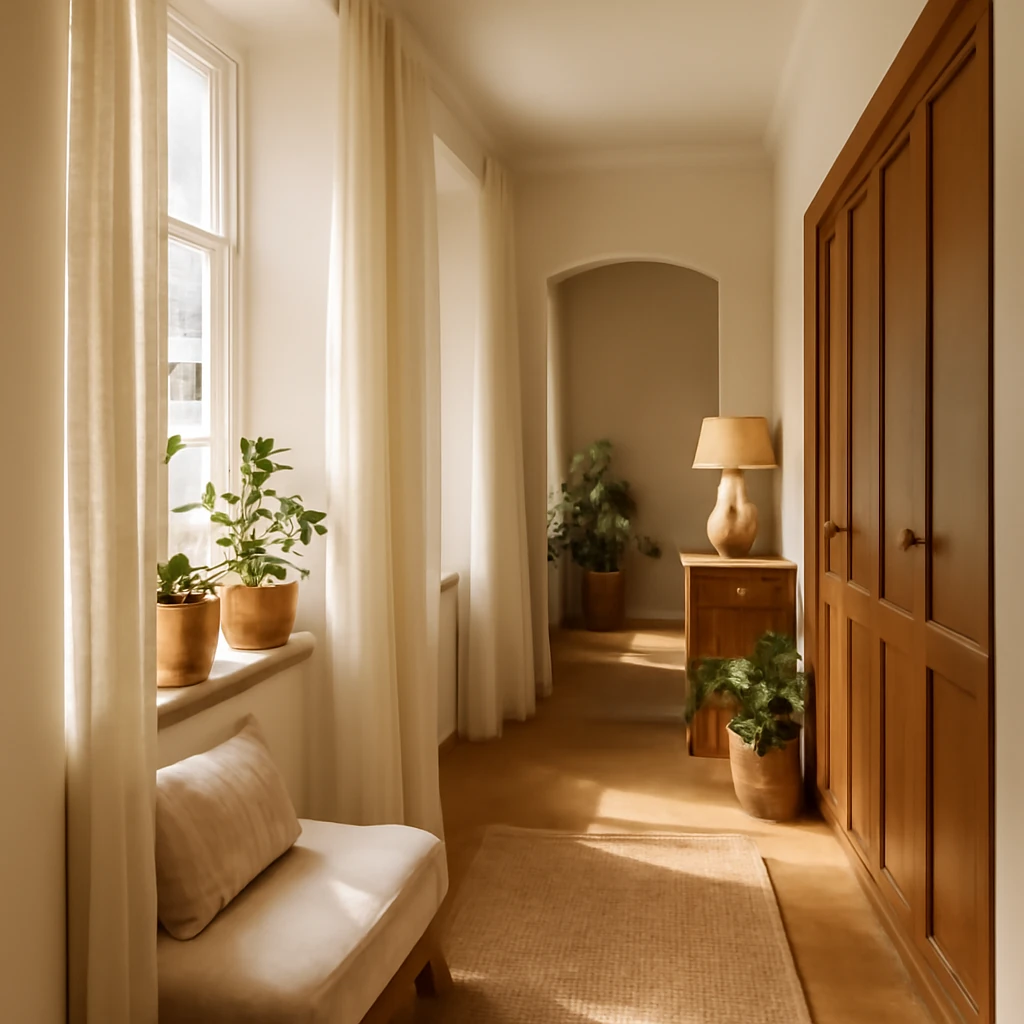
Designing a Narrow Hallway: European Strategies for Light, Storage and Flow
Designing a Narrow Hallway: European Strategies for Light, Storage and Flow
In many European homes, the entry corridor is a long, slender space that performs multiple tasks: welcoming guests, housing outerwear, and guiding residents through the home. With typical widths ranging from 0.8 to 1.2 metres and often little to no natural light, these vestibules demand careful design to feel generous rather than confining. The aim is to create a calm, coherent transition from the exterior to the interior, where light, texture and proportion work together to expand perception and function. This article offers a comprehensive guide to designing narrow hallways that feel bright, balanced and perfectly lived-in across European contexts.
Approaches to the long, slender vestibule
To shape a narrow corridor into a purposeful, aesthetically pleasing zone, consider a framework centred on restraint, light, and thoughtful scale. The following principles recur in successful projects across Europe, from 19th‑century townhouses to contemporary flats.
Minimalism that respects personality
In tight spaces, a pared-back approach is liberating. The goal is to avoid visual noise while ensuring the space remains warm and usable. Practical steps include:
- Choose furniture with simple, linear forms and clean silhouettes.
- Limit decorative items to two or three well-considered pieces to prevent clutter.
- favour finishes without large, busy patterns, subtle textures and restrained colour work best.
Remember, the corridor will accumulate coats, shoes, umbrellas and other essentials. It’s normal for the space to feel more populated in daily life than in planning drawings.
Gloss, mirrors and reflective surfaces
Glossy finishes and mirrors can visually multiply the space, especially in windowless hallways. Use them wisely to avoid a corridor that feels like a collection of blinding reflections. Practical tips include:
- Incorporate a polished floor or wall panels as counterpoints to matte walls.
- Include a full-length mirror on one wall or at the end of the corridor to invite light in from any available source and to visually extend the length.
- Place a reflective surface opposite a light source to bounce light deeper into the space.
Balance is key - avoid mirroring every surface and ensure at least one wall remains softly textured or painted in a warm, forgiving finish.
High doorways and sealed transitions
In contemporary European homes, tall doorways and concealed or semi-concealed hardware can contribute to a sense of grandeur without crowding the space. Strategies include:
- Use doors that extend close to the ceiling to create a sense of scale and quiet, particularly in narrow corridors.
- Consider doors finished in the same colour as the surrounding walls to visually extend the ceiling height.
- Where feasible, opt for pocket or sliding doors to maintain clear floor space and avoid door swings that interrupt circulation.
Zoning for visual depth
Even in slender spaces, you can create micro-zones to guide the eye and energy through the corridor. Techniques include:
- Varying finishes or colours along the length to create a subtle sequence of spaces.
- Different lighting temperatures at each zone to imply distinct areas - entry, seating/transition, and storage.
- Strategic positioning of a slim console or seating at a point where the corridor widens visually, creating a focal moment.
Möbel that fits the scale
Compact, purpose-built furniture is essential. Look for:
- Built-in wardrobes that run from floor to ceiling, optimising every centimetre of available wall.
- slim consoles and seating benches with integrated storage to prevent overloading the space.
- Two-tier or shallow storage options that do not protrude into the walking line.
In very narrow hallways, consider custom or modular systems that can be tailored to the exact dimensions, ensuring cohesive proportions and clean lines.
Colour and light: choosing a palette that enlarges space
A well-chosen colour strategy is one of the most powerful tools for a long, narrow entry. The goal is to create air, continuity and subtle depth without sacrificing warmth or personality.
Light tones for instant spaciousness
Light, neutral palettes are a classic starting point. For practical European homes, choose finishes that are forgiving of daylight scarcity and everyday wear. Good options include:
- Warm beiges, creams, soft greys and stone-inspired hues that emulate natural light.
- Two-tone schemes where a lighter shade on the shorter walls visually widens the corridor, while a slightly darker colour on the longer walls adds depth.
- Matte or satin finishes to keep reflections under control while maintaining a refined look.
Tip: avoid pure white walls if you expect heavy traffic, instead, opt for ivory, warm grey or biscuit tones that still feel light while remaining practical.
Colour blocking for proportion and flow
Colour can be used to trick the eye into perceiving a different scale. Consider:
- Painting shorter, transversal sections with a lighter colour to make the corridor feel broader.
- Using a darker tone along the long walls to visually reduce the perception of length and to create a grounded, premium feel.
- Introducing a single accent colour in trims, hardware or a narrow feature wall to provide a focal point without overwhelming the space.
Texture as a companion to colour
Texture brings tactility and warmth without adding bulk. Examples include:
- Textured plaster, linen-look paints, or a soft wall tile with a gentle sheen.
- A timber floor that runs uninterrupted from entry to living area, creating continuity and visual flow.
- A woven rug or runner in natural fibres to anchor the space and add comfort underfoot.
Lighting strategies for a windowless corridor
Lighting is especially critical when daylight is scarce. A layered approach ensures there are no dark corners and that the corridor remains welcoming at all times of day.
- Multiple light sources along the length, such as evenly spaced ceiling fittings or pendants from a slim track system, help reduce shadows and brighten the entire space.
- Concealed or recessed lighting in coves, recesses or within slotted ceilings can provide a soft, even wash without glare.
- Local lighting for mirrors, console surfaces and niche shelves adds depth and practicality for daily routines.
Careful placement matters: avoid placing a bright light directly opposite a mirror to prevent harsh reflections, and ensure lighting is warm rather than starkly cool for a friendly ambience.
Layout and storage strategies for maximum efficiency
A well-planned corridor solves more than just aesthetics. It should deliver storage, seating, and a clear path through the home without feeling crowded.
- Floor-to-ceiling storage systems optimise wall space. Use sliding doors or high doors to maintain an uncluttered silhouette.
- Integrated seating or a compact bench with a hinged lid provides a resting spot for shoes and a concealed storage solution for footwear or accessories.
- Open shelving near the door creates a moment to drop keys, mail or small items while keeping the space ordered.
- If space is extremely tight, consider a single, multi-functional console with a small mirror and hooks above to create a compact arrival zone.
In modern European designs, the emphasis is on built-in, wall-aligned storage rather than freestanding pieces. This preserves floor space and keeps circulation clear while offering ample capacity.
Materials and finishes that endure in a corridor environment
Corridors face heavy use, so durability matters as much as aesthetics. Choose materials that resist scuffs and are easy to clean, while supporting a refined, cohesive look across the home.
- Flooring: long-wearing porcelain or natural-look ceramic tiles, large-format stone, or engineered timber running continuously through the corridor and into adjacent rooms.
- Walls: plaster or cement-based renders with a washable finish, tiles can be used selectively for a splash zone near the door and mirror corner.
- Ceilings: a light, smooth surface with integrated lighting can feel generous, consider a subtle cove or concealed LED to soften the ceiling line.
- Hardware and fixtures: satin chrome, brushed brass, or matte black hardware echo other rooms while staying weathered and timeless.
Case studies: European-inspired corridor concepts
Real-world prompts and ideas help translate these principles into your own home. The following imagined scenarios reflect common layouts across European cities and showcase adaptable strategies rather than bespoke styles.
Project A: Urban monochrome with a maximised wardrobe
In a narrow 1.05 m-wide corridor of a compact city apartment, a floor-to-ceiling wardrobe runs along one wall, flush with the door frame. The opposite wall remains intentionally uncovered to preserve air and sightlines, with a single slim console and a modest bench integrated into the wardrobe wall. The palette is a quiet monochrome - soft grey walls with a warm taupe floor - opening up space without sacrificing warmth. A full-height mirror at the end reflects a from-window light source from a neighbouring room, visually extending the corridor while keeping the focal point at the living area beyond the door.
Project B: Minimalist neoclassical with subtle accents
A longer hall, 1.4 m wide and 5.5 m long, uses a softly curved console and a barely-there crown moulding to add architectural interest without crowding the space. The walls are painted in a pale stone shade, with the far end featuring a pale-washed wood panel to create depth. A low-profile built-in seating unit sits opposite a tall storage cabinet, with a slim gallery rail for personal items. Lighting is layered: slim track heads along the ceiling and a discreet LED strip behind the console so the space remains luminous during evenings and overcast days.
Project C: The jewel-toned accent and a mirrored half-wall
This corridor uses a pale foundation with a single accent panel in colour-rich wallpaper or a painted strip on the shorter wall. A mirrored wall at the mid-point doubles as a decorative element and practical dressing surface, while a slim, deep console and a shallow bench provide seating and storage. The result is a corridor that feels longer and lighter, with a touch of personality that does not overwhelm the overall tranquillity of the home.
Project D: Seamless flow with integrated storage corridor
In a modern flat with an open-plan living area, the hall acts as a transition rather than a separate room. A continuous flooring plane unifies the spaces, while floor-to-ceiling cabinetry hides away outerwear and footwear. A narrow, cushioned bench integrates into a continuous wall panel, and a muted palette with natural wood accents reinforces a calm, grounded feel. The door to the living area is almost invisible, painted to match the wall, extending the sense of space and sight lines.
A practical implementation checklist
- Measure the corridor precisely: note width at multiple points, door swing clearances, and any protrusions such as radiator plumbing or built-in features.
- Sketch a layout that concentrates storage along one wall, keeping a clear walking path of at least 70–90 cm.
- Choose a light base palette with one or two restrained accents to maintain airiness while providing visual interest.
- Select furniture with shallow depths, aim for built-in options from floor to ceiling where possible.
- Plan lighting in layers: ceiling or track lighting for general illumination, plus mirrors and task lighting near the mirror or console.
- Incorporate reflective surfaces carefully to maximise light without creating glare or labyrinth-like reflections.
- Attach a soft, forgiving rug or runner to define the zone and provide comfort underfoot.
- Ensure door openings do not interrupt storage lines, consider sliding, pocket, or hidden-hinge doors to maintain a clean silhouette.
- Test scale with paper cutouts or tape on the floor to visualise furniture footprints before purchasing.
- Plan for easy maintenance: washable paint, durable tiles, and hardware designed for frequent use.
Maintenance, longevity and evolving needs
Your narrow hallway should age gracefully as your home evolves. Consider flexible storage modules that can be reconfigured as wardrobes expand or reduce, depending on family size and seasonal needs. Durable finishes, easy-to-clean surfaces and timeless hardware choices help avoid the need for frequent repaints or replacements. A well-considered corridor remains a calm, functional stage for daily rituals - where the first impression of your home begins with a sense of ordered, quiet sophistication.
final notes: tailoring to your space
Every corridor is unique. The best outcomes come from translating these guidelines into a plan that respects your proportions, light conditions and lifestyle. If daylight is scarce, prioritise light-reflective finishes and a clear, uninterrupted path. If you have a longer vestibule that’s slightly wider, you can play with additional zones, such as a compact seating niche or a dedicated luggage area, while preserving a strong sense of flow into the adjoining rooms.
Glossary of ideas you can apply today
- Floor-to-ceiling storage: maximises capacity without encroaching on the corridor width.
- Sliding doors: conserve floor space and maintain an uncluttered look.
- Integrated lighting: layered illumination that eliminates shadows and creates depth.
- One-wall storage and a narrow bench: efficient, ergonomic, and visually light.
- Mirror strategy: use a full-length or partial wall mirror to reflect light and extend space.
With thoughtful planning, a narrow hallway can be more than a utilitarian corridor - it can be a refined transition that sets the tone for the rest of the home, offering practical storage, tactile materials and a sense of calm that follows you from the door to the living areas beyond.
You may also like these articles
 Small Spaces
Bookshelf partitions: zoning with style for European homes
Smart, stylish shelving to zone spaces without shrinking rooms.
Small Spaces
Smart design for a 20 m² European studio: living well in a compact space
How to make a 20 m² studio feel spacious with smart layouts and storage
Tips & How-To
Capitonné Headboard: A DIY Guide to Luxurious Tufted Upholstery
Transform an old frame into a luxe capitonné headboard with foam, fabric and tufting.