
Explore interior trends, AI design insights, styling guides and real transformations
Mastering the Sliding Wardrobe: Planning, Zoning and Customisation for European Homes
Introduction
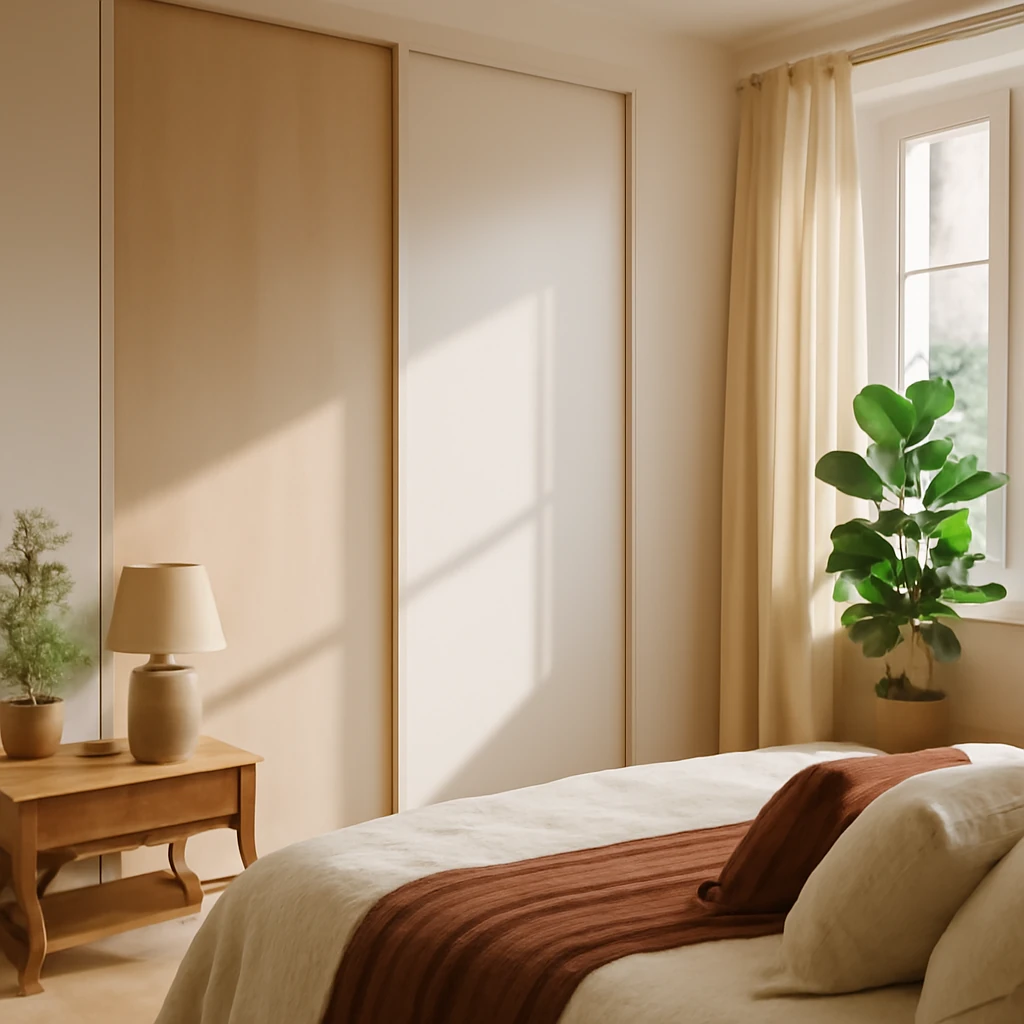
Sliding wardrobes with doors that glide along tracks remain among the most spacious and ergonomic storage solutions available. They maximise usable space, keep clothing, bedding, seasonal items and documents neatly organised, and integrate cleanly with contemporary European interiors. The appeal grows as homes evolve – from compact city apartments to generous family residences – and as interiors demand greater flexibility, lighter aesthetics and smarter storage. The key to success is not merely selecting a model, but choosing the internal configuration that matches how you live. This guide walks you through planning, zoning, and filling a sliding wardrobe for different rooms and layouts, with practical parameters you can adapt to your space.
In a European context, where homes vary from compact flats to high-ceilinged apartments, a well-planned sliding wardrobe can become a discreet architectural element. It can be freestanding to delineate zones in an open-plan plan, or built-in to optimise every centimetre of footprint. The aim is a modular, intuitive storage system that remains easy to use as your needs change over time.
How to plan a sliding wardrobe
The size, design, model and internal organisation should reflect where the furniture will be placed, who will use it, and the style of the surrounding space. Unlike a one-size-fits-all approach, European design typically hinges on customisable modules and adaptable fittings that respond to local housing typologies. A thoughtfully planned wardrobe fulfils three core functions: make daily routines smoother, preserve garments and belongings in good condition, and maintain a harmonious aesthetic within the room.
Length
The length of a sliding wardrobe depends on available wall space and the intended capacity. Universal practical options include tall but compact two-metre assemblies that can be integrated into almost any room. If space permits, three- or four-metre wardrobes are commonly used along a wall or within a shallow recess to achieve maximum storage without overwhelming the room. If you are installing the unit within a niche, length should be dictated by the space rather than a fixed standard.
In smaller rooms, consider a narrower, well-proportioned two-door or three-door configuration. For an alcove or reach-in installation, measure the space accurately and plan interior partitions so shelves and rails align with the available width.
Height
Most wardrobes on the market reach up to around 2.5 m. This height suits typical European flats and houses, including those with mid-height ceilings. If a space offers higher ceilings, you may choose a taller model to maximise vertical storage. Taller units can still feel streamlined if the interior is intelligently zoned and the doors are proportionate to the elevation of the walls, preventing a heavy visual overload in the room.
In loftier interiors, you might opt for a wardrobe that extends to the ceiling but features an accessible upper level or an integrated loft for seasonal items. This approach preserves floor space while maintaining a tidy, uncluttered look.
Depth
Standard depths for sliding wardrobes are around 60 cm. In practice, however, 50 cm internal capacity is sometimes sufficient if the interior is efficiently laid out and the rails and shelves are optimised. If the mechanism requires additional depth, keep in mind that sliding panels can occupy more space when opened, and deeper systems may affect room circulation. For very narrow configurations, keep the working depth around 30–35 cm, but be aware that this can limit what can be stored and how items are arranged.
Should you require full circumferential storage or plan to store bulkier items, consider custom sizing. European manufacturers frequently offer modular options that can be tailored to a room, with interior depth adjustments to accommodate specific items such as winter coats, bedding and footwear.
Door width
Door panels should match the number of internal sections to ensure easy access. Sliding doors generally should not exceed about 1 m to 1.2 m per panel, as heavier panels place more load on the tracking system and can complicate operation over time. A well-balanced wardrobe usually features doors sized to correspond with the internal layout, maintaining a harmonious rhythm along the wall and ensuring comfortable reach to every section.
Guides and hardware
Sliding wardrobes rely on upper and lower guides that support the panels as they glide. These elements come in various profiles and configurations: single-track, two-track or three-track systems, with different build standards. The key is to choose a set that offers smooth operation, reliable stabilisation and quiet movement, while fitting within your interior’s aesthetic. When planning, allow for the structural depth of the guides and ensure that wall and ceiling clearances accommodate the hardware. The interior walls, ceiling and floor should be level to prevent binding of doors over time.
Interior dimensions should take into account the size of rails and track hardware. For example, the internal partitions, shelves and drawers should be at least 10 cm smaller than the outer cabinet to allow for the door mechanism and clearance. If you aim for a narrow, elegant look with a minimalist profile, consider a system with a shallow track and slim panels that still deliver robust performance.
Functional elements
Modern sliding wardrobes are versatile and can be equipped with a range of features. The most common and practical options include:
- Hanging rail. Instead of a single straight rail, many users prefer a transverse (end-mounted) rail or a spiral-type hanging system. Short-depth wardrobes often pair a compact rail with vertical sections, while deeper configurations can accommodate longer garments using a central rail or multiple levels.
- Rotating carousel. A compact device that can replace a long hanging rail by offering rotating hanging space for garments, allowing quick access to a broader range of items in a congested wardrobe.
- Pantograph. An elevated lifting mechanism that lowers a high-placed rail to a convenient level, particularly useful in taller units or for children's wardrobes where reach is a concern.
- Mesh or wire baskets. Static or pull-out baskets provide excellent ventilation for laundry, shoes and bulky items. Textile liners increase versatility, particularly for delicate items or laundry that needs sorting.
- trouser rack. A fixed or pull-out section featuring parallel, shortened rails for trousers, often positioned at mid-height for easy access.
- Pull-out drawers. Full‑extension drawers with dividers or modular inserts for accessories, jewellery and smaller items. They combine practicality with a clean, uncluttered exterior.
Zoning inside the wardrobe
The internal filling should reflect what is stored and where the wardrobe is located. Space is typically organised into three levels or zones for ergonomic access:
- Top zone (attic area) for seasonal items and seldom-used goods such as holiday decorations, travel gear or suitcases.
- Middle zone (central area) is the most convenient for daily clothing and essentials. It houses hanging rails, shelves, pull-out baskets and drawers for underwear and accessories.
- Lower zone often features pull-out compartments for footwear, handbags, small appliances or domestic devices used intermittently.
Incorporating a well-considered three-tier structure supports efficient organisation and reduces the need to rummage through clutter. Regardless of room, try to maintain equal access across zones so frequent items remain readily reachable.
Principles of filling a wardrobe
- When zoning, preserve a three-level hierarchy across all sections to ensure predictable retrieval of items.
- The number and width of doors should correspond to the number and size of sections to simplify access.
- Selection of internal fittings should reflect the user’s habits, standard options can be extended with hat racks, trouser borders or shoe spaces as needed.
- For larger, statement wardrobes, incorporate interior LED lighting. It makes finding items easier and can create a sophisticated contemporary effect, particularly if some panels use translucent materials.
Two-door, three-door and four-door configurations
A two-door wardrobe is compact and well-suited to small rooms, with one side dedicated to hanging clothes and the other to shelves or drawers. This flexible arrangement works in hallways, bedrooms and even living areas, subject to room width and circulation. A three-door wardrobe increases capacity and can be linear or angular, with a central long- garment section flanked by shelves. A four-door system offers substantial storage and can be configured in balanced, mirrored or mixed façades to soften the presence of the furniture within the space. In practice, builders and designers often favour mirrored or glass-fronted doors to visually expand modest rooms and add light reflection.
In modular installations, straight and corner configurations are common, with angular designs used where space shapes are irregular or where rooms flow into adjacent spaces. Corner wardrobes typically include 2–3 rails and shelves arranged to suit the geometry of the corner, while keeping access comfortable from both axes of the room.
Corner and radiused options
Corner wardrobes are efficient in tight plans, gracefully occupying two perpendicular walls. Inside, rails and shelves may be arranged in multiple levels, sometimes including circular or curved doors for a soft, contemporary look. Radius-front wardrobes, featuring curved panels, are visually striking and can create a sense of movement in spacious rooms, though their interior layout requires careful planning to ensure comfortable reach to every item.
Two-metre width and three-metre width wardrobes
A two-metre-wide wardrobe suits compact spaces and can be configured with linear or corner layouts. Three-metre wardrobes represent a comfortable middle-ground that accommodates a broad array of clothing and accessories without dominating the room. In both cases, utilise shelves and rails up to one metre per panel to maintain proportion and avoid sagging of doors or misalignment of tracks.
In practice, many European interiors use a 2–4 metre range with configurable façade options and interior fittings that can be customised by type and density of storage. The aim is a cohesive, scalable system that grows with your wardrobe needs.
Four-door wardrobe and built-in versions
A four-door wardrobe offers substantial capacity and can function as a substitute for a walk‑in wardrobe in larger bedrooms. Built-in versions integrate with walls, ceiling and floor to create a seamless appearance, often with a minimal footprint and a more economical interior because the structural sides serve as the wardrobe’s side walls. For built-ins, ensure a suitable niche is prepared, with a minimum depth and height that align with the chosen interior configuration.
In all cases, the internal arrangement should be determined by how you live, not by fashion alone. A well-planned system is as much about function as it is about form.
Size guidance by room
Although a wardrobe can store a diverse range of items, tailoring its fill to the room enhances usability and flow. Here are practical guidelines for common spaces:
Bedroom
In the bedroom, the wardrobe acts as a compact dressing area and a place for bedding. Consider a generous top compartment for pillows and blankets, with a central section dedicated to everyday clothing and drawers or baskets for underwear and accessories. If space allows, a separate long-hang zone supports dresses and coats, while a lower zone can host shoes and storage boxes. A middle-width panel of about 80 cm works well for most bedrooms, with door panels matching the internal layout to preserve balance.
Children’s room
The internal layout should prioritise accessibility and safety. Position frequently accessed items at mid-height, with low-level shelves for toys and games and a high-attic region for out-of-season clothes. A pantograph or lowered rail helps children reach hangers without assistance, while light-weight drawers and mesh baskets promote independent organisation.
Entrances and hallways
In hallways, a wardrobe can combine coat storage, a shoe rack and a mirror-friendly surface for last-minute checks. Practical configurations place a long hanging rail on one side, with a lower shoe section and a narrow side area for hats, scarves and gloves. If mirror panels are used, their placement can visually expand the corridor and reinforce light within the space.
Living room
In living rooms, a wardrobe may serve as media and storage cabinet integrated with the architecture. A linear arrangement along a wall can house occasional dining ware, board games and textiles, while a deeper interior can accommodate auxiliary devices, documentation or seasonal decor. For open-plan layouts, consider a wardrobe that blends with the wall colour or uses glass elements to reflect light and keep the space feeling airy.
Balcony or conservatory
Balconies or conservatories can benefit from compact built-in units that store seasonal outerwear, gardening gear and outdoor textiles. A slim, high wardrobe that extends to the ceiling helps non-primed spaces feel more finished yet avoids crowding the main living area.
Dimensions and planning by room type
When designing a wardrobe for a specific room, consider the following practical dimensions and relationships. The aim is to create a balanced proportion between the width of door panels and the height of the internal sections to ensure comfortable access and maintain visual harmony with the room’s scale.
- Top attic space: typical height around 40 cm, plan long shelves (approximately 110–120 cm) to accommodate suitcases, spare bedding and seasonal boxes.
- Hanging section: height ranges from 100 cm to 175 cm depending on garment length, depth should be at least 55 cm to permit comfortable hanging without crowding the walls.
- Shelves for knitwear and folded items: depth around 40–45 cm, vertical spacing 25–30 cm to facilitate neat stacking and easy retrieval.
- Shoe storage: height 15–30 cm per level, width around 30–35 cm, consider angled or pull-out configurations for clear visibility and easier access.
- Trousers and belts: dedicated racks or pantographs positioned around 100–110 cm from the floor, with depth near 40 cm.
- Drawers: height 10–15 cm for underwear, socks and accessories, use dividers or inserts to keep items organised.
- Appliance or utility space: locate washing, ironing or small appliances in lower zones with proper ventilation and easy access for daily use.
Interior modules should be selected with an eye to future needs. You may wish to start with a practical core (hanging space, shelves, a few drawers) and expand with additional accessories as requirements evolve. This is a common approach among European designers who favour modular, upgradeable storage systems.
Room-by-room filling options: practical configurations
While a single wardrobe can store a wide range of items, room-specific planning ensures the unit supports daily tasks and seasonal changes without compromising aesthetics or flow.
Bedroom
The bedroom wardrobe should function as a compact dressing room plus a storage source for bedding. The top attic section can be open or fitted with shallow shelves to hold pillows and spare blankets. For everyday clothes, provide drawers and baskets for underwear and accessories. Consider dedicated compartments for ties, belts and watches, and reserve bottom space for containers with documents or hobby gear. If space allows, a long-hang section for dresses and coats is highly practical, while a separate section with deep shelves accommodates folded garments and bulky sweaters.
Children’s room
In a child’s room, the wardrobe should be inviting and easy to use. Ensure accessible shelves at kid height and add a lowered rails or a pantograph to help smaller users reach clothing. Include bins or mesh baskets for toys and folded items, with a separate area for school uniforms or seasonal costumes. The interior should be durable, with finishes and hardware rated for daily use and straightforward maintenance.
Entrance hall
The hallway wardrobe can replace a traditional hall stand, with a combination of a long coat rail, a shoe shelf, and a lateral storage zone for hats, gloves and bags. A small bench or shelf can provide a convenient spot for putting on shoes. Mirrored panels in the wardrobe doors help to visually widen the corridor, adding light and a sense of openness. For homes with narrow corridors, a slim, tall wardrobe creates a robust storage solution without crowding the entrance.
Living room
In living rooms, wardrobes often function as combined media storage and display units. A straight, low-profile system along a wall can store board games, textiles, remote controls and papers, while a taller section can conceal a compact audiovisual setup or documentation. If space permits, opt for a wardrobe with a lighter façade or glass elements to maintain an airy atmosphere and reflect natural light.
Balcony
On balconies or in conservatories, consider compact built-in or freestanding units for seasonal clothing, outdoor gear and accessories. The key is to plan for ventilation and moisture exposure, with durable finishes suitable for exterior environments or semi-exposed interiors. A shallow depth wardrobe with efficient internal organisation can transform a balcony into a functional storage extension rather than a cluttered space.
Ideal storage system with dimensions
The main advantage of a sliding wardrobe is that users can tailor a configuration to their needs. The following guidelines help translate requirements into practical dimensions and layouts.
Attic/Top compartment
A typical attic height is about 40 cm, with long shelves of 110–120 cm. This setup makes it easy to store suitcases, seasonal bags and large boxes, keeping them accessible yet out of the everyday line of sight.
Hanging section
The central hanging area should accommodate the typical length of everyday garments. A minimum height of 100 cm is suitable for shorter items, while longer garments such as coats and dresses may require 150–175 cm. The depth should be at least 55 cm to prevent garments from brushing the back wall. If space is constrained, a shallow hanger zone can be used for daily wear and a deeper section reserved for long items.
Remember that each hanging rail consumes space, so plan accordingly. In narrow configurations, a dedicated end-mounted rail can help maximise available width without compromising access.
Non‑wrinkling items shelves
Folded items such as sweaters, tees and denim benefit from a middle zone with shelves around 40–45 cm deep. Spacing between shelves should be 25–30 cm to allow for neat stacking and easy removal of items without overturning stacks.
Shoes and bags
Built‑in shoe storage typically comprises angled or pull-out compartments with a height of 15–30 cm per level. Wider footwear such as boots may require up to 30 cm height. A general rule is to allocate 30 cm per shoe row and adjust based on the types of footwear you own. A dedicated bag section at mid or lower height is convenient for everyday bags, with higher shelves for travel luggage when needed.
Drawers and accessories
Pull-out drawers are usually 10–15 cm high, perfect for underwear, belts, socks and small accessories. Use dividers or inserts to maintain order. For jewellery, a shallow drawer with removable sections is ideal. Organisers and modular inserts can be purchased separately to adjust the interior over time as your collection evolves.
Utilities and appliances
If space allows, reserve a lower zone for laundry hampers, ironing equipment or small appliances. Adequate ventilation is essential if appliances are stored inside the wardrobe, so plan for airflow and avoid placing heat-sensitive items in enclosed compartments without circulation.
Key storage and hooks
Incorporate a small dedicated space for keys, cards and other daily essentials. A pegboard or small organiser placed near the wardrobe improves daily efficiency and reduces the risk of misplacing items.
Practical tips for choosing and configuring
When planning a wardrobe, decide on the essential elements first and then consider upgrades. The following practical tips help you achieve a storage solution that is both functional and aesthetically pleasing.
Choose the furniture type. Freestanding wardrobes offer flexibility and ease of relocation, while built-in versions save space and create a seamless look. Built-ins are often more economical in terms of materials because they use existing walls as sides, but consider access constraints if you relocate in the future.
Consider dimensions. Most sliding systems require a minimum depth of 60–65 cm for comfortable use, lengths vary from 1.2 m for compact models to 2–4 m for larger rooms. If planning a ceiling-height system over 2.7 m, ensure there is a clear plan for accessing upper shelves.
Door width and proportion. Panels sized around 80 cm are common, with door widths and heights following the 1:5 ratio relative to overall wardrobe height to maintain pleasing proportions and avoid visually heavy façades.
Filling and flexibility. For flexible use, incorporate a mix of hanging space, shelves, drawers and baskets. Use movable modules where possible so you can reconfigure the interior as needs shift – for example, adding a pantograph or a pull-out shoe rack later on.
Design and materials. Glass-fronted, mirrored or semi-transparent façades visually expand smaller spaces and can contribute to a lighter look. Opaque and wood-toned finishes provide warmth and depth. Choose materials that are durable and appropriate for the room’s humidity and use: kitchens and bathrooms require moisture-resistant finishes, bedrooms and living spaces can tolerate lighter, smoother surfaces.
Lighting and visibility. Internal lighting improves accessibility and adds a premium feel. An LED strip or small integrated lights can highlight contents and help you locate items quickly, especially in deeper sections or darker corners of the wardrobe.
Budgeting and upgrades. The cost of a sliding wardrobe depends on size, materials, and the number of integrated features. Start with a solid core (hanging space, shelves, two or three drawers) and add upgrade options as needed. Replacing fixed organisers with removable inserts can reduce upfront cost while preserving functionality.
Conclusion
A well-planned sliding wardrobe can transform how you organise a home, providing generous storage without compromising space or style. A European designer-led approach emphasises modularity, adaptable fittings, and a careful balance between form and function. Whether you live in a compact city flat or a spacious family dwelling, the right internal configuration can make daily routines smoother, protect garments, and keep interiors elegantly uncluttered. Explore the possibilities with a reputable European supplier offering modular systems that can be customised to your space, budget and décor, and design a wardrobe that grows with you rather than outgrowing your room.
FAQ
How do I choose the optimal shelf and drawer configuration?
Assess your wardrobe needs: estimate the number of shirts, knitwear and trousers. For non-wrinkle items use shelves with heights of 25–30 cm, for garments on hangers, allocate a hanging section 80–100 cm high for short items and 150–175 cm for longer items. For small items, drawers or mesh baskets are ideal, and reserve a spacious attic for bulky items or future expansions.
How should I organise shoes and accessories?
If you lack a dedicated shoe rack, use angled or pull-out shelves with 15–30 cm heights for footwear. For accessories, small boxes with dividers or shallow drawers are practical. For daily bags and purses, allocate a mid-height section sized to the tallest item.
What about storing seasonal clothing?
Seasonal clothing can be stored in attic space or in dedicated lower zones with good ventilation. Consider vacuum-sealed bags or labelled boxes to keep items tidy and easy to locate when seasons change. You might also allocate a separate section with a long rail for pieces worn in a particular season as needed.
You may also like these articles
 Kitchen Design
Ergonomic kitchen heights: tailoring countertops to you
Practical guidance for matching kitchen countertop heights to your comfort.
Outdoor & Terrace
Eight budget garden ideas to elevate a European holiday home
Eight budget ideas to elevate a European countryside garden with clever, stylish touches.
Interior Design
Harmonising Doors and Floors: Seven Design Principles for European Homes
Master the art of matching doors with flooring across Europe.