
Explore interior trends, AI design insights, styling guides and real transformations
Designing European Private Homes: From Open Plans to Countryside Charm
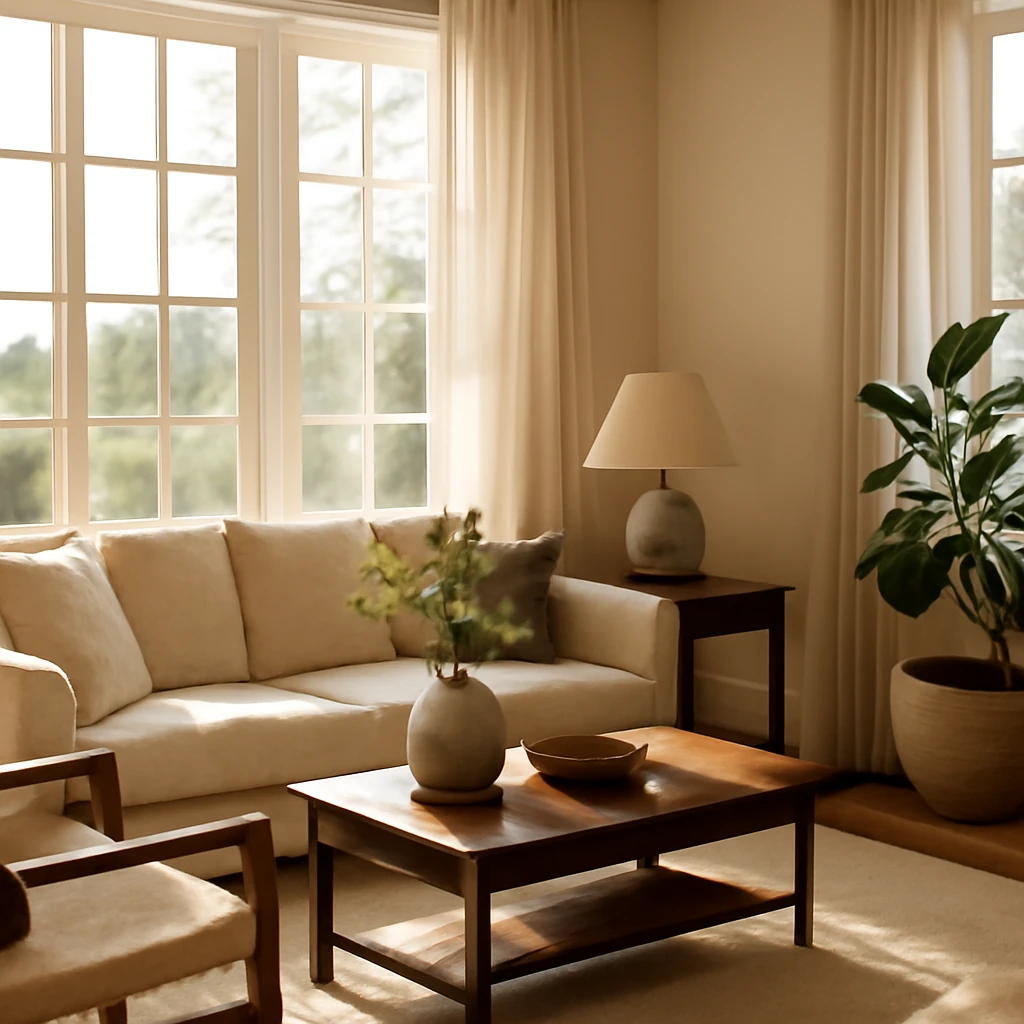
Designing European Private Homes: practical guidance for comfortable countryside living
Creating a truly comfortable private home is a nuanced challenge, particularly in a European context where climate, landscape and architectural heritage shape every decision. A private residence - whether a timber-framed cottage, a brick villa, or a stone country house - offers design opportunities that urban flats cannot, but also demands careful upfront planning. This guide draws on common European conditions and professional methods to help you shape a home that is functional, enduringly elegant and firmly rooted in its site.
Key design features of private homes in Europe
Open plan living as a flexible base
Many European private houses prioritise a flexible core where kitchen, dining and living spaces are united. An open plan approach invites natural light to travel through the home and supports sociable living, but it also requires thoughtful zoning. Without walls, you need acoustic strategies, defined sightlines and furniture as gentle room dividers to create distinct zones for cooking, dining and relaxing. A well-planned layout may place the kitchen near the heat of the day, or situate doors that lead to terraces for al fresco dining in good weather.
Harmonising with the site and exterior
Private homes respond to their surroundings. Buffers such as porches, verandas and terraces soften transitions between indoors and outdoors, while standalone structures - studio, gym, or workshop - can extend the usable space without compromising coherence. The interior should reflect the landscape: flooring, colour, and materials that resonate with the context - forest, coast, or hillside - and with local climatic patterns.
Structural robustness and opportunities for heavier elements
Unlike most flats, single-family homes can support heavier components, from stone baths to timber beams. When planning, consult with a structural engineer early to ensure floors can bear additional weight and that connections to upper levels are sound. This foresight unlocks possibilities such as premium stone finishes or a grand freestanding bath, while preserving long-term safety and performance.
Utilities and service spaces
In private houses, accessibility to plumbing, heating and electrical systems is essential. Unlike an apartment, you’ll typically require dedicated rooms or walls that hide equipment while remaining serviceable. A well-designed home places boiler rooms, plant rooms, laundry and storage in logical locations - often near the core of the building or close to entry points - so daily life stays smooth and uncluttered.
Modern European trends in private homes
Sloped ceilings and attics
Sloped rooflines - common in regions with pitched roofs - add architectural interest and a sense of cosy enclosure. They can reduce usable room area, but they also create characterful nooks and a sense of drama, especially when paired with large windows and appropriate storage solutions that respect the geometry of the space.
Panoramic glazing and high-performance glass
Advanced glazing technologies enable large openings without compromising energy performance. When planning expansive windows, consider exterior shading, thermal breaks and the impact of sun direction through the seasons. The best outcomes balance generous daylight with comfortable indoor temperatures, avoiding glare and overheating in summer while keeping warmth in winter.
Double-height spaces and visual connections
Two-storey living areas - where the upper floor overlooks the main living room - offer a dramatic sense of space and improved social connection across levels. This approach works well where the surrounding landscape is a focal point, inviting views from upper landings and linking private and public zones in a cohesive rhythm.
Ergonomics of layout
A thoughtful plan considers how inhabitants move through the home. Private houses benefit from storage-first strategies, intuitive circulation, and rooms sized to suit their purpose. Ergonomics extend to doors, corridors, and the positioning of staircases to support safe movement for all ages and abilities.
Ergonomics of layout: practical solutions
Walk-in wardrobes vs built-in wardrobes
Walk-in wardrobes offer generous storage and a sense of luxury, particularly when they connect softly with a master bedroom. If space is tighter, well-designed built-ins with smart organisers can provide the same efficiency, while maintaining a clean, uncluttered look. In both cases natural light - whether a small window or a skylight - greatly enhances usability and mood.
Master suite and en-suite philosophy
The master suite is commonly designed as a private retreat: a spacious bedroom with an adjacent dressing room and a well-appointed en-suite. A walk-through wardrobe between sleeping area and bathroom creates calm separation from the rest of the house while preserving convenience. Where space permits, an at-home sanctuary with a freestanding tub, a large rain shower and a window for daylight is highly valued.
Pantry and dedicated laundry
Across Europe, pragmatic kitchen design often includes a well-proportioned pantry or scullery and a separate laundry room. These spaces keep the daily rhythm tidy - storeroom shelves, chilled storage, cleaning materials, and laundry appliances organised in dedicated zones - so the main living areas remain serene and elegant.
Boot room and entry organisation
A mudroom or boot room near the primary entry is a practical response to outdoor life. A convenient bench, weatherproof storage for coats and shoes, and sturdy surfaces that resist dirt make transitions from outside to inside smoother and more comfortable for households with children or pets.
Interior design styles for European private homes
European private homes lend themselves to a broad range of aesthetics, from noble classical to serene contemporary. Finishes are chosen to complement the architecture and the landscape, and a well-conceived palette can bridge multiple styles within a single dwelling.
Classical with contemporary accents
Classic interiors thrive in generous spaces with proportion, depth and refined detail. The key is restraint: avoid overloading a room with too many traditional motifs. A modern home can carry classical elements - such as mouldings or a grand fireplace - when balanced with simpler lines or industrial textures to keep the look fresh and liveable.
Provence and light, airy charm
Provençal-inspired interiors celebrate rural warmth, natural materials and soft colour. Whitewashed walls, pale woods, linen textiles and flower-patterned accent fabrics create a light, welcoming atmosphere that pairs well with outdoor living and warm stone or plaster finishes.
Modern Scandinavian and Japandi influences
Light-filled spaces, natural materials, tactile textures and quiet colour palettes define these trends. In a European setting, combining Nordic minimalism with subtle Japanese influence can yield serene living rooms and intimate bedrooms - functional furniture, hidden storage, and a restrained use of ornament create a timeless appeal.
Country, Chalet and Rustic Modern blends
Rural settings inspire warmth: timber, stone, and handmade textiles create a cosy, durable ambience. Chalet-inspired interiors favour robust timber, comfortable textiles and rugged detailing, while modern rural homes might blend these elements with a touch of industrial or contemporary edge for an up-to-date feel.
From plan to reality: turning the dream into a build-ready project
- Define function and scale - articulate the purpose of each room, how you live in it, and the minimum dimensions needed for comfortable circulation and furniture layouts. Create schematic plans that translate ambitions into space requirements.
- Align with architecture and site - ensure window placements, door openings, and service runs correspond with the building’s form and the land’s orientation. Early collaboration with an architect helps prevent costly adjustments later.
- Storage-first design - plan built-in storage near every busy zone. A well-designed pantry, wardrobe, and utility area reduces clutter in living spaces and sustains long-term organisation.
- Budget and materials - differentiate economy, mid-range and premium options. Choose materials that suit climate, maintenance tolerance and longevity. In Europe, timber, natural stone and ceramic finishes are common for warmth and resilience, while metal accents can add a contemporary edge.
Privacy, comfort, and a sense of place come from aligning your plan with the landscape, climate, and regional building traditions. Do not fear mixing styles, but maintain a cohesive material and colour language to ensure a unified home rather than a collection of rooms.
Room-by-room design guidance for European private homes
Living room
The living room is often the heart of the home, a place to gather, reflect and entertain. In larger houses, consider a successful mix of seating that accommodates varying group sizes, a fireplace or a focal material such as a stone wall, and glazing that opens to a terrace or garden. If a second-storey overlook is present, ensure visual connections across levels with mezzanine balustrades that are both safe and aesthetically integrated.
Dining and kitchen zones
In many European homes, the dining area is integrated with the kitchen to form a single open space. A generous dining table supports family life and gatherings. When space allows, incorporate a secondary dining zone for outdoor meals - whether a sheltered verandah, a loggia, or a winter garden - so meals can transition to the outdoors as the weather permits.
Kitchen configurations
The kitchen is no longer merely a work area, it is a social hub and a practical system of storage. Consider multiple work zones: preparation, cooking, cleaning, and storage. An island can anchor the space, but ensure there is sufficient clearance to move freely around it. For seasonal cooking or preserves, a well-proportioned pantry adds a quiet counterpoint to the main kitchen and helps keep the primary work area uncluttered.
Bedrooms and private spaces
Bedrooms in private European homes tend toward calm and simplicity. In master suites, prioritise comfort and quiet, with a large bed, soft lighting and acoustically treated walls. If space allows, include a dedicated dressing area or walk-in wardrobe and an en-suite bathroom that feels like a private spa - soft towels, good lighting, and a thoughtful layout for daily rituals.
Children’s rooms and flexible spaces
Children’s spaces benefit from flexible furniture and generous storage. Low beds, desks that grow with the child, and wall-mounted shelving keep the room adaptable as needs change. In many European homes, upper-floor rooms may feature sloped ceilings that create charming alcoves for play and study.
Bathrooms and spa-like retreats
Bathrooms in private houses can be more expansive than in urban apartments and may include freestanding baths, large showers, and natural light through windows or skylights. Consider moisture-control details, such as ventilation, moisture-resistant finishes and appropriate flooring to withstand humidity. A small in-suite sauna can be a luxurious addition if space and budget permit, suitable for climate zones across Europe.
Laundry and utility spaces
A well-planned laundry benefits daily life. If possible, position it near the kitchen or service corridors, with direct access to outdoor drying or airing spaces. Lockable storage and durable surfaces make maintenance straightforward, while well-chosen cabinetry and colour schemes keep the space attractive even when in active use.
Entry and boot room
A generous entry with a dedicated boot room helps maintain a clean living space. The best layouts provide seating for changing footwear, robust surfaces for wet coats, and practical storage that does not intrude on the aesthetic of the main hall.
Finishes and materials: durability meets beauty
- Wood remains a favourite for warmth, tactility and natural beauty. Choose species and finishes that suit climate and maintenance expectations.
- Natural stone offers enduring value for floors, hearths and feature walls, providing texture and a sense of permanence.
- Ceramic and porcelain tiles are ideal for kitchens and bathrooms due to resilience and easy cleaning. Look for textures that mimic timber or stone to maintain cohesion with other spaces.
- Metal accents such as lighting hardware or shelving introduce an industrial warmth that pairs well with timber and stone.
In every European context, ensure finishes respond to daily life and climate. A palette drawn from the surrounding landscape - earthy beiges, warm greys, soft greens or muted blues - helps interiors feel cohesive with their setting and seasonally adaptive for lighting conditions.
Question & Answer
How to make the most of large windows and high ceilings?
Large glazing and high ceilings are a gift, not a complication, when approached thoughtfully. Consider these strategies:
- Expose structural timber beams to add architectural depth and warmth.
- Use floor-to-ceiling curtains or external shading to frame the view while controlling glare and heat gain.
- Incorporate pendant lighting and layered sources at different heights to emphasise the vertical dimension.
- Introduce large plantings in heavy, grounded planters to balance height with scale.
- Choose low-profile furniture on slim legs to preserve the vertical emphasis and keep sightlines open.
How can I emphasise a countryside character in a private home?
To evoke countryside character, lean into natural materials, earthy tones and handcrafted details. Use a warm palette - beiges, browns, mossy greens, stone greys - and pair with textiles such as linen, wool and wool-blend fabrics. A fireplace or wood-burning stove, traditional joinery and vintage accents can anchor the room in a rural mood while remaining contemporary in execution. Incorporate outdoor views, climbing plants or timber decking to extend the interior palette into exterior spaces.
Which materials are best for finishing?
The most reliable choices blend beauty with longevity. Consider:
- Wood for warmth and tactility, select durable species and seal appropriately for high-traffic rooms.
- Natural stone or high-quality ceramic surfaces for surfaces, walls and feature zones, offering durability and easy maintenance.
- Ceramic tiles that mimic wood or stone in kitchens and bathrooms to preserve cohesion while offering practical performance.
- Metal elements for lighting and hardware to inject a contemporary or industrial edge, depending on the overall direction.
In summary: designing a dream European home
- Plan with purpose: define how every space will be used and how furniture will fit, ensuring comfort and flow across adjacent rooms.
- Integrate architecture with landscape: orient rooms to maximise daylight and views while considering climate control and energy efficiency.
- Prioritise storage: built-ins and dedicated spaces keep the home organised and visually calm.
- Choose materials and finishes that endure: combine timber, stone and ceramic in a cohesive language that reflects the site and lifestyle.
Experimentation is valuable, but it should be grounded in practicality and comfort. A well-considered private home - crafted for a European climate and context - will reward you with timeless elegance and a welcoming atmosphere that age beautifully.
Glossary of design approaches for countryside living
- Provence-inspired interiors: light, airy, sun-warmed spaces with natural textures.
- Scandinavian or Japandi-influenced calm: minimalism with natural materials and soft, warm palettes.
- Country and Chalet aesthetics: robust timber, stone, textures that echo the surrounding landscape.
- Modern adaptations: a restrained mix of old and new, with sustainable finishes and energy-minded systems.
Final considerations
When approaching a private European home, collaboration across disciplines is essential. Engage architects, interior designers, and engineers early to ensure that the building’s structure, energy performance and interior design all advance in harmony. The resulting home should feel like a natural extension of its site - comfortable, beautiful, and built to endure a lifetime of daily living, seasonal changes and evolving family needs.
Worthwhile questions to ponder as you begin
- What is the maximum height and footprint you feel comfortable living with, and how will you balance openness with privacy?
- Which rooms need to be accessible from a central hub, and where should quiet spaces be placed?
- How will you store everyday items without compromising aesthetics?
- What is the most efficient layout for your climate, daylight pattern and energy goals?
You may also like these articles
 Interior Design
Vintage Interiors: A European Guide to Timeless Comfort and Character
Timeless vintage interiors: history, texture and modern living.
Interior Design
Modern Interiors: An Evolution for European Homes
A guide to Modern interiors across Europe, from Art Nouveau roots to contemporary living.
Outdoor & Terrace
Open Balcony: 39 Stylish Ideas for European Terraces
Turn every balcony into a chic, functional retreat with European flair.