
Explore interior trends, AI design insights, styling guides and real transformations
Small Bedroom Design: Smart Layouts and Storage for European Homes
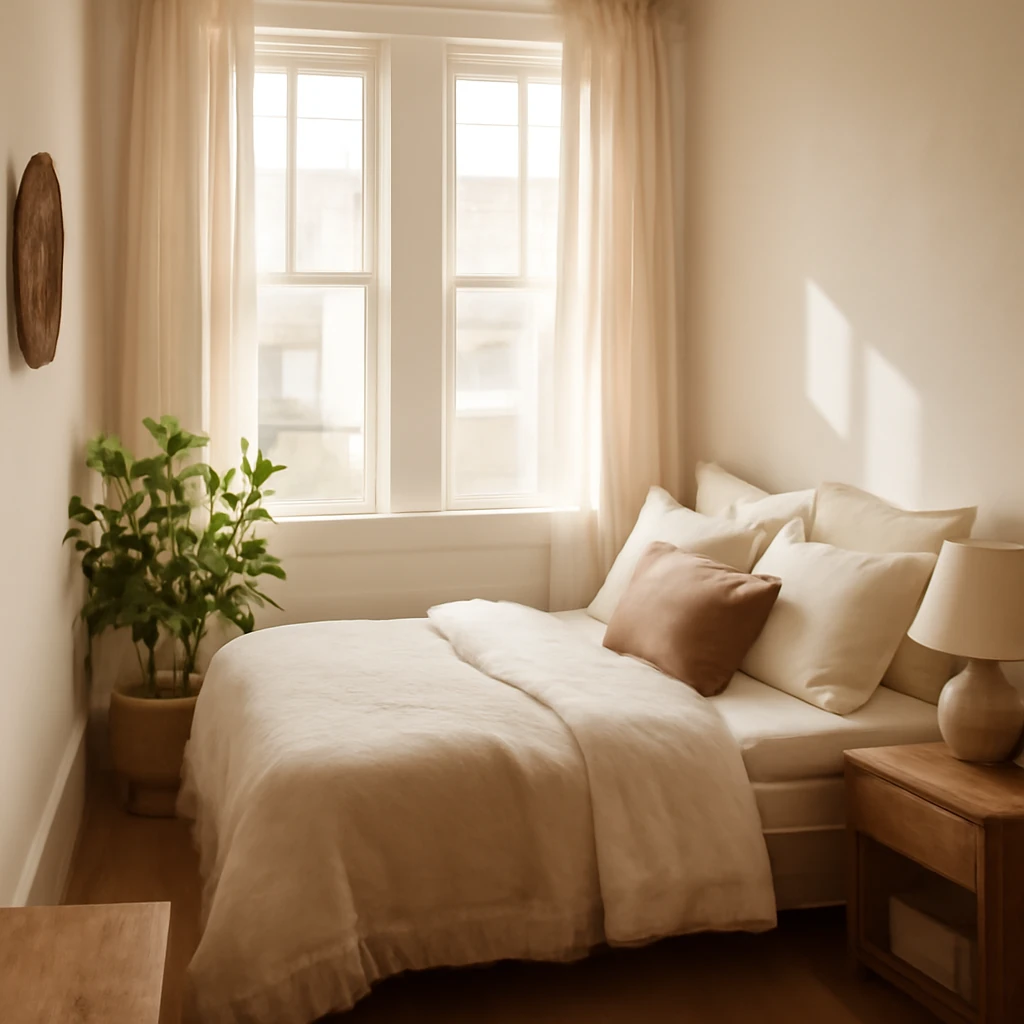
Principles of designing a small bedroom
In Europe’s compact urban homes, every square metre matters. A successful small-bedroom project begins with careful planning: measure circulation spaces, determine where the bed will sit, where storage should be located, and whether a work area is necessary. A thoughtfully laid out room can feel surprisingly spacious, calm, and well organised even when the footprint is modest.
Key considerations include ensuring clearances around the bed and furniture, choosing scale-appropriate pieces, and selecting finishes that enhance airiness. For a typical bedroom around 10–12 m², the goal is to balance comfort with practicality: leave enough space to move, access storage, and fold away daily clutter. A well-considered layout often relies on modular or multi-functional furniture that can adapt to changing needs.
The most common design misstep in compact spaces is an overload of furniture or heavy textures. To keep a small bedroom serene, favour lighter colour palettes, simpler textures, and restrained patterns. That does not mean you must abandon colour altogether. Instead, create a focal point with a single accent wall, a bright textile, or a striking decorative item. A restrained approach makes the space feel larger and more cohesive, while still allowing personality to shine.
When placing furniture, prioritise function, ergonomics, and necessity. Do not block windows or airflow with bulky pieces. If possible, avoid heavy, dark curtains, opt for sheer fabrics, light blinds, or simple roller shades to maintain a sense of openness while still providing privacy and light control.
The shape of the room matters. A square plan offers advantages for bed positioning and storage: the bed can sit along a windowed wall with slim nightstands on either side, while wardrobes or tall storage units run along the opposite wall. A square layout also accommodates a cosy seating corner or a compact dressing area without overcrowding the space.
In a long, rectangular bedroom, it is often necessary to be more strategic about where the bed, storage, and work zone live. A typical solution is a modular layout that places storage along the longer wall and the bed on a shorter axis, with a small desk or vanity near a window. Where space is extremely tight, consider a hidden or wall bed to free floor space for daily living. If a door opens into the room, a sliding or pocket door can eliminate a swing clearance and create more flexible planning.
Finally, remember the value of adaptability. A room that can morph from resting space to a productive corner or guest retreat is a true asset in European homes where rooms often need to perform multiple roles.
Visual strategies to enlarge a small bedroom
Visual tricks can dramatically alter how spacious a room feels. Light reflects off surfaces, mirrors double perceived depth, and well‑designed lighting layers create warmth without crowding the space.
Glossy or glass-tinish surfaces on walls or furniture can bounce light around the room. If budget and layout permit, installing a full-height mirror or a wall of mirrored panels can visually double the space and reflect natural daylight from windows. A wardrobe with mirrored doors is a practical two-for-one solution, keeping the room uncluttered while expanding perceived size.
To maintain balance, keep furniture lean and highly functional. Avoid oversized dressers and bulky chests, instead, opt for slim profiles, modular storage that can be tailored to the room's dimensions, and furniture that can be closed away when not in use. A fitted wardrobe or a wall unit that runs from floor to ceiling can store a surprising amount with a minimal footprint.
Lighting is a critical aspect of making a small bedroom feel larger. Use a layered approach: ambient lighting to illuminate the whole room, task lighting near the desk or dressing area, and soft accent lighting to highlight textures or architectural features. Recessed ceiling lights or slim wall sconces save space while delivering adequate light. Dimmers help adjust mood and brightness as daily activities shift from mornings to evenings.
Natural daylight is the best ally. Keep window treatments light and breathable to maximise daylight while preserving privacy. Consider sheer curtains, light linen drapes, or discreet roller blinds in pale colours that harmonise with the walls and furniture.
Where possible, integrate the balcony or loggia into the room. A small external extension can serve as a cosy work nook, a dressing area, or a place to stage items that would otherwise crowd the room. If you cannot extend the interior, use a light, breathable colour palette and uncluttered surfaces to maintain a sense of airiness.
Textiles can add warmth without visually shrinking the space. Soften the room with textiles in tonal variations that echo the walls or upholstery. Use patterns sparingly - small-scale prints or tonal textures work best on cushions, throws, and bedding. A single, well-chosen colour accent can unite the room and provide visual interest without overwhelming the eye.
Essential furniture for a compact bedroom
The bed remains the focal point of a bedroom, so select a size appropriate to the room and the inhabitants. In smaller spaces, consider a storage bed or a wall bed where the bed folds away into a compact cabinet. This approach unlocks precious floor area for daytime use and makes it easier to maintain a tidy space.
For seating, a small sofa bed or compact lounge chair can provide a comfortable place to sit without dominating the room. Modern sofa beds offer generous sleeping comfort and can be used as an everyday seating option, merging two functions into one piece of furniture.
A wardrobe is essential, and in a compact bedroom, it should be proportionate and well organised. Built-in or modular wardrobes that run along a full wall maximise storage and reduce visual bulk. Corner wardrobes or slim line sliding-door systems can be particularly space-efficient. Consider interior organisers - dividers, pull-out baskets, and adjustable shelves - to keep items orderly yet accessible.
When space permits, a small desk or vanity placed near a window provides a practical workspace or grooming area. A corner desk can fit neatly into an alcove without interrupting circulation, while a wall-mounted folding desk can disappear when not in use. Pair the desk with a slender chair or a collapsible stool to maintain flexibility.
Floating nightstands or slim console tables beside the bed help keep surfaces clear. If there is a suitable corner, a compact reading chair or pouf can create a cosy nook without taking up much room. Remember: modest furniture with generous internal storage is often more effective than larger pieces that add to visual clutter.
Storage solutions that maximise space
Smart storage is the backbone of a comfortable small bedroom. Start with the bed: a model with a lift-up base or built-in drawers provides a ready-made storage zone for bedding, seasonal clothing, or accessories. The space beneath the bed is often the hardest‑working square metre in the room, so invest in a mechanism that makes accessing it easy and reliable.
A wall-to-wall wardrobe can be the most efficient use of space in a small bedroom. Choose a system with deep storage and a mix of hanging rails, drawers, and tall sections for suits and coats. If possible, install internal organisers such as shoe racks and modular dividers to keep items tidy and evenly distributed.
Corner storage is frequently overlooked. A tall corner wardrobe, a curved corner cabinet, or a triangular shelving module can make use of awkward angles that would otherwise remain underutilised. Wall-mounted étagères above the bed or along unused wall space can house books, keepsakes, or decorative accessories without infringing on floor space.
Under-window storage is a clever tactic. A shallow seating bench or a shallow cabinet beneath a window can provide a place to sit and a practical solution for storing linens, magazines, or small gadgets. When using a window recess, ensure the furniture does not block natural light or the floor plan’s circulation path.
Floating shelves and wall-mounted storage keep surfaces clear and visually light. A small gallery of floating shelves above the bed can display favourites and personal items without encroaching on the floor area. At the same time, the absence of bulky dressers helps to maintain a sense of airiness.
For those who prefer a minimalist look, a modular storage system with interchangeable components allows you to reconfigure the space as needs evolve. Choose units with soft-close hardware and integrated lighting to enhance usability and atmosphere.
Layout strategies for common room shapes
Square bedrooms
In a square room, position the bed along a wall that leaves a clear path to the door and window. Flank it with slender nightstands or wall-mounted lamps to save floor space. Place a compact wardrobe on the opposite wall, ideally spanning a full height, with a dressing mirror nearby. A small seating area - perhaps a compact accent chair or a pouf - can sit near the window or a corner without interrupting traffic flow.
Rectangular bedrooms
In a long, narrow plan, place the bed on one short wall to create a generous central corridor. Use a sliding- or pocket-door wardrobe along the opposite long wall. Where space allows, include a small desk under the window or a wall-mounted desk that folds away when not in use. If a dedicated dressing zone is desired, consider a shallow wardrobe with a full-length mirror on the door and a compact vanity nearby.
Loft or elevated beds
Loft beds are particularly practical for children’s rooms or guest areas within a compact flat. Position the bed along a wall near a window if possible, leaving the lower space free for a desk, lounge, or storage. Ensure a sturdy ladder and adequate headroom beneath the bed, and consider integrating a small sofa or seating area below for a multi-functional zone.
Door placement and access
If door swing intrudes on the usable space, consider a sliding or pocket door where structurally feasible. Repositioning the door or selecting a lighter door design can open opportunities for larger wardrobe or desk configurations and improve overall circulation within the room.
Colour, materials and texture
A coherent palette is essential in small spaces. Neutral bases - soft whites, warm beiges, or pale greys - offer a calm backdrop that amplifies natural light. Introduce colour through carefully selected textiles, such as a duvet, cushions, or a rug, and use a single contrasting hue as an accent to create focal points without overwhelming the space.
Natural materials add warmth and texture. Light-toned timber, wool blends, linen, and cotton fabrics deliver comfort and a sense of airiness. Avoid lavish textures on large areas, instead, mix flat painted walls with tactile textiles to create depth without visual heaviness.
Choose durable, easy-care finishes for high-use areas such as the bed wall, wardrobe interiors, and work surface. A matte paint on walls can feel more expansive than a saturated gloss, while high-reflectance surfaces in moderation can help bounce light without creating glare.
Textiles and soft furnishings
Lightweight curtains or sheer fabrics help maintain daylight penetration and a sense of openness. When privacy is essential, consider roller shades or lightweight blinds in a colour that harmonises with the walls. Bedding in cool neutrals or soft pastels can envelop the room in a calm atmosphere, while a single accent colour chosen in cushions or a throw adds personality without clutter.
Rugs can define a sleeping zone and provide warmth underfoot. In small bedrooms, opt for a medium-sized rug placed beneath the bed or a rug that sits in the central area to anchor seating and storage without visually shrinking the space.
Practical tips and reminders
- Prioritise scale: opt for slim profiles and modular components that can adapt as needs change.
- Plan circulation: maintain a minimum clear path of 60–75 cm around the bed and between furniture pieces.
- Conceal clutter: use closed storage rather than open shelves in accessible zones to maintain a tidy look.
- Use intelligent lighting: combine ambient, task, and accent lighting to create depth and warmth without crowding surfaces.
- Maximise vertical space: tall wardrobes and high-mounted shelves increase storage without sacrificing floor area.
- Consider future needs: choose furniture that can be reconfigured or repurposed as life changes, such as a guest room or young-person’s transition.
Final thoughts: designing for a European micro-apartment
Designing a small bedroom in a European context demands clarity, restraint, and clever engineering. The aim is to craft a space that feels calm, organised, and adaptable - where every piece of furniture earns its keep and every square metre serves multiple functions. A successful compact bedroom blends a light, coherent colour language with modular storage, a few well-chosen textiles, and layered lighting to create an interior that is not merely efficient but genuinely inviting. With thoughtful planning, even a modest 8–12 m² bedroom can deliver essential comfort and contemporary style without compromise.
You may also like these articles
 Interior Design
Vintage Interiors: A European Guide to Timeless Comfort and Character
Timeless vintage interiors: history, texture and modern living.
 Trends
Eight contemporary interior directions redefining European homes in 2024
Eight modern interior directions shaping European homes in 2024.
Colour & Materials
Purple as a Palette: Crafting Regal, Calm and Creative Interiors Across Europe
Master purple interiors with balanced palettes, textures and light.