
Explore interior trends, AI design insights, styling guides and real transformations
Artful Walls Above the Dining Table: 12 Expert Ideas for European Kitchens
Introduction: rethinking the wall behind the dining table
In contemporary European homes, the dining area often sits within an open-plan kitchen or a compact, well-ordered apartment. The wall behind the dining table is more than a backdrop - it is a design opportunity to anchor the space, regulate scale, and guide the eye. Whether the dining group is placed close to a wall or set a little way from it, a considered approach to the wall can elevate the entire room. Below are twelve tested ideas, adapted for a European context, that work across a range of apartment typologies - from compact city flats to generous, lighter-filled kitchens with dining alcoves.
12 clever ideas for the wall above the dining table
1. Hang a painting or poster
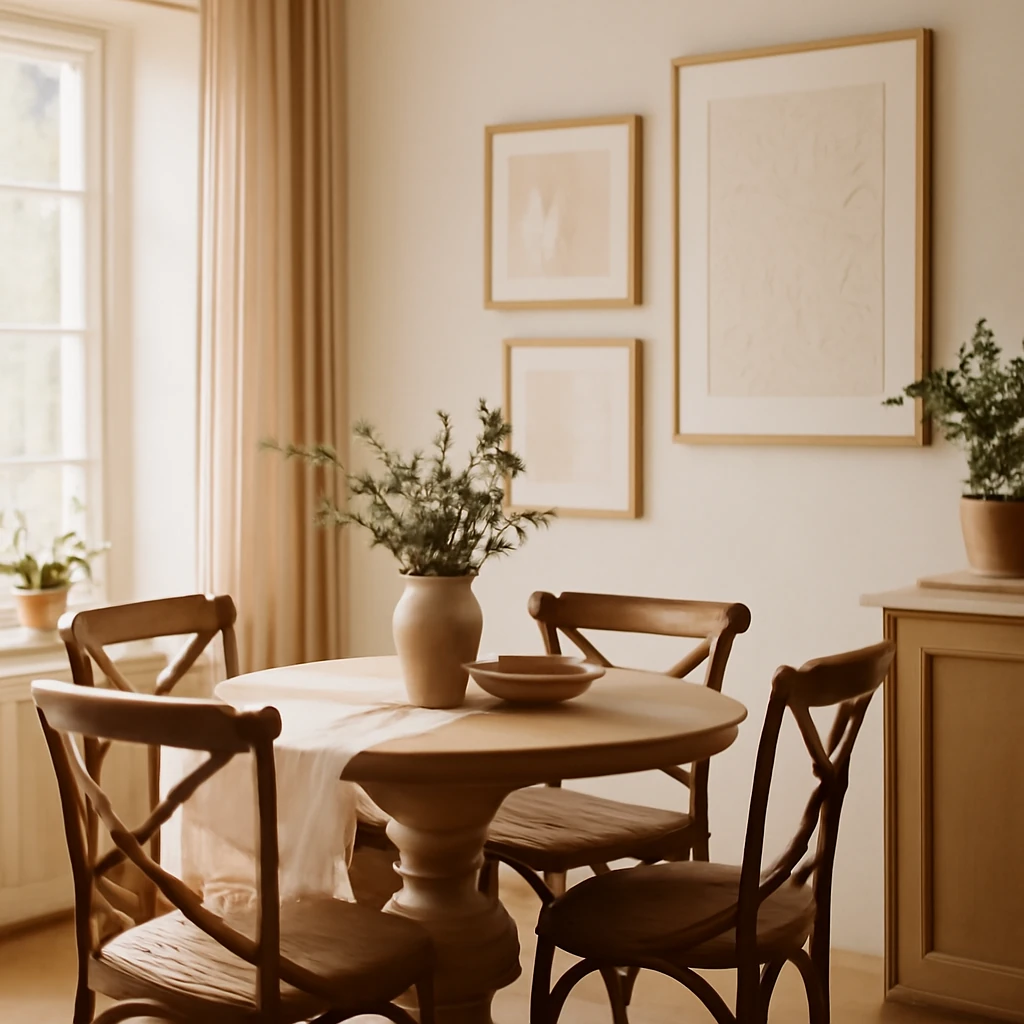
When the table sits flush against a wall, one or two larger artworks or a small gallery of framed pieces can unite the surface with the dining area. Pay attention to proportion: a single tiny image on a broad plane will feel lonely, while a large, bold painting can become a focal point. If the dining group sits a little away from the wall, a sizeable work that occupies a generous portion of the wall - perhaps half or three-quarters of the surface - will mark the zone with confidence and add a sense of value to the interior. For larger canvases or murals, ensure the lighting is tailored to the artwork, a pendulum light positioned above the table can suffice, with additional wall lighting as needed. The subject matter matters less than its ability to whisper or echo the room’s colour palette. If the painting includes tones drawn from curtains, table linen, floor tiles, or other furnishings, it will harmonise the space and confer a finished, cohesive look.
2. Install a television
A wall-mounted screen can be a practical focal point in open-plan kitchens where family life and entertaining intersect. When the dining table is slightly away from the wall, arrange seating so that nobody faces away from the screen. Consider the viewing angles from every seat, ensuring comfort and unobstructed sightlines during meals or casual gatherings. If the room doubles as a family hub, conceal the wall mount with cabinetry or a slim media console that doubles as a display surface for decor when the television is off.
3. Embrace bold wallpaper as an accent
Accent walls are a classic method of zoning, particularly in European interiors where kitchens blend with living spaces. If the dining area sits within a niche or along a projecting wall, wallpaper can define the boundary while keeping the surrounding surfaces calm with a complementary paint. For large, plainer walls, a block of wallpaper behind the table can act as a stage for the dining set. When the wall is expansive and flat, you can treat only the area beside the table with an accent pattern and repaint the rest in a neutral shade. If the wall is tall, you might inset a strip of wallpaper at mid-height and paint above and below to create a framed, fresco-like effect. Where wall space is restricted or the table sits near the wall, lean toward a bold but comprehensible motif to avoid visual overload. If wallpaper feels risky, consider a large photographic mural or a decorative treatment that can be viewed from a distance without becoming too busy.
4. Add a mirror for depth and light
A mirror can transform a modest dining zone into a luminous portal. If the diners are comfortable with reflection, place a mirror opposite a light source or pool of ambient light to multiply brightness and extend the perception of space. For a stronger statement, install a sequence of smaller mirrors in a row to create a “gallery portal” effect. Mirrors also have a practical advantage: they allow you to monitor the dining area from other rooms, and when used thoughtfully, they deepen the sense of air and movement in the space.
5. Plan shelving for character and conversation
Open shelving or a shallow display ledge above the table can cultivate atmosphere and practicality. For kitchens with the dining area offset from the wall, a small bookshelf or a pair of slim shelves with a curated mix of books, ceramics, and keepsakes can spark conversation. When the table abuts the wall, keep shelving shallow and decorative rather than heavy, balance with lighter framed art and small objects to prevent crowding. If space is limited, swap shelving for a stylish sideboard with glass-front doors that reveals a selection of carefully chosen tableware.
6. Replace a sofa with a bench or a row of chairs against the wall
In smaller rooms, seating along the wall can maximise floor space. A long bench with a high back adds a sense of enclosure and can foster informal, convivial dining. Alternatively, a row of slim, comfortable dining chairs aligned with the wall creates a tidy, gallery-like edge to the zone. When using a bench, consider upholstered variants with removable covers for easy cleaning and a timeless silhouette that works across seasons and colour schemes.
7. Layer lighting for atmosphere
Lighting is a principal designer tool for mood. The dining area benefits from layered lighting: a statement pendant directly above the table, complemented by wall sconces to soften shadows and illuminate the wall itself. A floor lamp or a discreet arc floor lamp nearby can add warmth and fill in any dark corners. In compact apartments, simple, high-quality fixtures with warm colour temperatures (around 2700–3000K) create a welcoming glow without overpowering the space. Dimmers are invaluable for adjusting ambience from bright daytime to intimate evening dining.
8. Bring in brick or brick-inspired textures
Real brickwork or a high-quality brick veneer introduces tactile drama and a robust, industrial edge that remains inherently European in character. Wallpaper or tile imitations are rarely as convincing, prefer authentic brick-colour textures or a properly executed brick feature wall. To temper the brutal edge, pair brick with soft textiles, warm woods, and gentle lighting. When brick is integrated, use track lighting or wall-mounted fixtures to highlight the grain and create dynamic shadows that change with the time of day.
9. Display decorative plates and ceramics
Decorative plates, thoughtfully grouped, can evoke regional craft and add colour to a pared-back wall. For large walls, go for a more substantial arrangement with evenly sized pieces to achieve symmetry, for smaller walls, mix sizes for an organic, organic rhythm. In rustic or country-inspired interiors, painted plates or handmade ceramics can accentuate a cosy, heritage mood. In contemporary settings, limit the collection to a few standout pieces or designer plates for a curated look. The key is to balance density with breathing space so the display remains legible from the dining table.
10. Introduce gypsum moulding or decorative plaster
Subtle plaster details - such as a shallow cornice, a cornice band, or a delicate frieze - can elevate a wall without dominating it. In open-plan spaces, gypsum mouldings define a zone with quiet elegance, bringing a sense of craft and refinement. If you are revamping a space with a restrained palette, a pale, tonal moulding can create a sophisticated frame for the dining table, acting as a quiet anchor for other decorative elements.
11. Extend with a slatted divider or timber screen
When the kitchen and living areas share a plan but require a gentle boundary, a timber slatted screen or a light fretwork partition can extend the wall’s presence while preserving openness. Such screens are decorative in their own right and help visually separate the dining zone without creating a hard barrier. They also offer opportunities to run integrated lighting or attach small shelves for décor or storage, blending function with aesthetics.
12. Add a mood board, organiser, or magnetic board
In compact living environments, the dining area often doubles as a working space or a project hub. A magnetic board or a mixed-material mood board on the wall can keep reminders, schedules, and inspiration in view without cluttering the surface of the table. A collapsible or extendable dining table paired with a wall-mounted organiser keeps the area versatile: you dine formally on special occasions, and you can lay out plans or notes when needed.
What not to do: anti-examples to avoid when styling the wall
- Mounting a painting on the tabletop. While it may seem dramatic, placing art on the surface risks being knocked or stained. Wall mounting keeps the artwork protected and the surface free for meals and serving.
- Positioning a low dresser or heavy cabinet behind the dining group without secure anchoring. A heavy piece behind the diners can be hazardous if the furniture shifts or if chairs are bumped, keep fragile items on wall-mounted displays or away from the seating line.
- Placing the dining group too close to a fireplace wall or hearth. A comfortable viewing arc and safe clearance are essential, ensure at least a metre of separation from heat sources to avoid heat distortion of finishes and to keep the space safe for long meals.
4 golden rules for decorating the wall near the dining table
- Choose surfaces that are easy to keep clean - in kitchens, durability is paramount. Avoid materials that stain or scratch easily, opt for glass, sealed wood, ceramics, or coated surfaces, and protect with practical finishes that tolerate splashes and fingerprints.
- Let the wall set the mood, not overwhelm the table - the more active the wall, the simpler the lighting above the table should be. A single statement pendant with subtle wall lighting nearby often achieves a balanced, refined look.
- Consider sightlines and seating - ensure that diners have an unobstructed view of the room and of each other. If the wall features a display or cabinet, position the dining chairs so they do not collide with objects when pulled out or turned.
- Scale and proportion matter - for smaller tables, avoid oversized wall features, for generous tables, you can go larger with artwork or a bigger projection of the wall treatment. The goal is harmony between the table's footprint and the wall's presence.
In sum, the wall behind the dining table is not a mere backdrop but a strategic design component that can unify, separate, or define the space. By selecting a plan that suits your apartment typology, light availability, and daily routines, you can craft a dining area that feels cohesive, warm, and distinctly European in character. If you are unsure which approach suits your space best, a professional designer can help you test scales, artefact variety, and lighting layers to achieve a balanced outcome.
Share these ideas with friends, experiment with samples, and consider how each option could transform your kitchen-dining zone. A thoughtful wall treatment can elevate every meal and make everyday dining feel like a refined, gallery-like experience.
You may also like these articles
 Living room
How to size a sofa for a European living room: comfort, fit and function
Master the art of sofa sizing for stylish, well-proportioned living spaces.
Living room
Living Room Design in 20 m²: layouts, zoning and styles for Europe
Smart layouts and styling for compact European living rooms.
Small Spaces
The Art of Curtain Zoning: Flexible Space Solutions for Small European Homes
Creative curtain zoning ideas to maximise space in compact European homes.