
Explore interior trends, AI design insights, styling guides and real transformations
The Art of Curtain Zoning: Flexible Space Solutions for Small European Homes
Decor
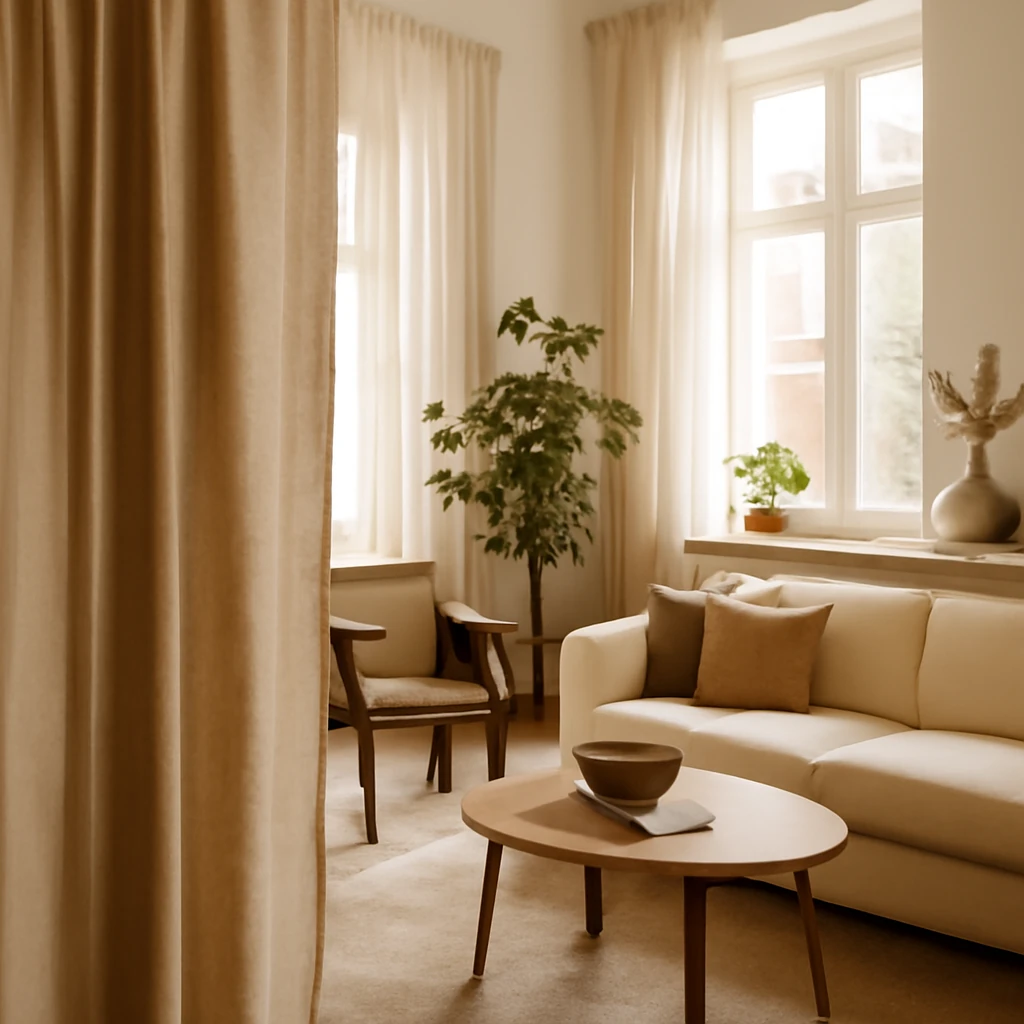
In many contemporary European homes, curtains are more than window coverings - they are practical, stylish tools for shaping space. In compact flats, studios, or maisonettes, fabric partitions can redefine layout without the permanence of walls. The approach is particularly relevant in cities where architectural layouts favour open-plan living, yet residents seek privacy, light control, and distinct zones for rest, work, and socialising. Curtains offer a gentle, adaptable alternative to building structural divisions, allowing residents to reconfigure a room as needs change, from a cosy sleeping nook to a bright, open-plan living area for entertaining guests.
Best options for zoning with curtains
There is no single cloth that suits every space. The beauty of curtain zoning lies in its versatility: a light, sheer voile can soften a room and filter daylight, while a dense, lined drape can create privacy and acoustic buffering. Consider a two-layer approach: a translucent inner layer to maintain a sense of openness, paired with a heavier outer layer for when privacy or darkness is needed. In European interiors, this combination is especially effective in open-plan apartments where family life flows between living, dining, and sleeping zones.
Before installation, draft a simple visual plan of how panels will fall within the space. This helps define sightlines, traffic flow, and the moments when curtains should move open or soft‑close. A well-planned layout reduces the risk of misalignment and extra costs later on, and it supports a more intentional interior mood rather than a cluttered look.
Fabric and textures for European living
Textiles matter as much as the partition itself. The choice of fabric influences light, colour perception, and acoustic behaviour. For small spaces, consider a spectrum of fabrics that work in harmony with natural light and the room’s function.
- Voile and sheer fabrics: Lightweight, semi‑transparent materials that permit daylight to filter through while softening outlines of furniture. Ideal for living rooms and bedrooms where you want energy and air without harsh glare.
- Linen blends: Substantial enough to drape well yet breathable, linen brings texture and a relaxed, contemporary feel. Great for living zones adjacent to kitchens or dining areas, where a casual sophistication is desired.
- Jacquard and damask: Subtle patterns add depth without overpowering a compact space. Choose understated motifs to keep the room cohesive and balanced.
- Velvet and heavy drapes: For rooms where privacy or darkness is essential, velvet offers optical softness, better light control, and a sense of luxury. Pair with lighter layers to maintain flexibility.
- Natural fibres and bamboo blends: In minimalist or Scandinavian‑inspired interiors, natural textures provide warmth and tactility. Consider bamboo or cotton variants for a serene, organic vibe.
Colour plays a crucial role in space perception. Light, neutral palettes can enlarge a room and reflect daylight, while deeper hues create intimacy and define zones. In European contexts, two-tone curtains - lighter on the living side and a darker tone on the sleeping side - help cue occupants into different areas while preserving a coherent interior language.
Layout strategies for small spaces
Curtain zoning excels when paired with thoughtful spatial planning. In compact flats, the goal is to create distinct areas without losing the sense of openness that characterises modern European design. Here are practical configurations commonly employed across Europe:
- Kitchen and dining zone: A ceiling‑mounted track curtain can separate the cooking area from the dining table, while still allowing a visual connection for socialising. Transparent or semi‑opaque fabrics help maintain light and air, while a heavier layer can be drawn for privacy or to conceal cooking activities during meals.
- Living area and sleeping nook: In a studio or one‑bedroom apartment, a pair of curtains can delineate a bed alcove from the living space. A lighter inner layer keeps the space airy during the day, while a blackout outer layer fosters darkness for restful sleep.
- Work corner within a living room: A narrow curtain or panel can create a private workstation, reducing visual clutter when not in use. The system should be easy to operate with a discreet track and minimal hardware to maximise floor space.
- Children’s zone: For growing families, curtains can partition play and study areas from sleeping spaces. A soft‑edged curtain reduces the visual dominance of the partition, making transitions smoother for children and adults alike.
- Guest room illusion in 2‑in‑1 spaces: Double curtains can morph a space - one layer for everyday living, another for sleeping - so the room serves multiple functions without feeling divided.
In all cases, the curtain track should be chosen with care. Ceiling rails create a clean line and maximise floor space, while wall‑mounted tracks can be used where ceiling mounting is impractical. For openings that require frequent use, consider motorised tracks for ease of operation, particularly in kitchens or home offices where functionality is paramount.
Practical design solutions
Beyond function, curtains contribute to the interior language of a room. The right fabric, hue, and layering pattern can align with contemporary European aesthetics - from understated Scandi to refined urban chic. Here are several design strategies that harmonise form and function:
- Two‑layer systems: A light, translucent inner layer paired with a heavier, opaque outer layer offers daytime openness and evening privacy. This setup adapts to seasons and tasks, ensuring energy efficiency and comfort.
- Double-panel dynamics: Using two panels on each opening enables varied opacity and visual rhythm. One panel can be drawn for privacy, while the other remains open to preserve a sense of space.
- Hidden hardware: Opt for concealed tracks or slim, steel rails to keep lines clean and modern. Minimal hardware reduces visual clutter and enhances perceived space.
- Acoustic benefits: Dense fabrics can dampen ambient noise, which is particularly valuable in open‑plan flats or thin‑walled buildings. Pair fabrics with soft textiles across the room to reinforce quiet zones.
Hardware, installation, and maintenance
Installation is a crucial element of successful curtain zoning. The right hardware should be robust, easy to operate, and compatible with the room’s scale. In apartments across Europe, common installations include ceiling tracks, wall rails, and freestanding room dividers with integrated drapery options. When planning installation, consider:
- Track length and placement: Ensure tracks align with architectural features and avoid obstructing doorways or architectural cornices. Allow extra length for full panel movement without scraping against furniture.
- Panel width and quantity: Calculate the number of panels needed to cover the width of each opening with a modest overlap. In smaller spaces, maintain proportion by using fewer, wider panels rather than many narrow ones.
- Weight considerations: Heavier fabrics require stronger fixings. Ensure ceilings or walls can bear the load, especially in multi‑panel configurations.
- Automation and control: Motorised tracks offer convenience, particularly for high rooms or openings that are difficult to reach. A smart controller or wall switch integrates seamlessly with lighting systems for coordinated ambience.
- Care and maintenance: Follow fabric care instructions. For European households, many textiles tolerate regular vacuuming and periodic professional cleaning. Rotating curtains occasionally keeps colours even and extends their life.
Colour, light, and atmosphere
The colour and tonal relationship of curtain fabrics determine the mood of a room. Lighter shades reflect daylight, create a sense of airiness, and make small rooms feel more expansive. Deeper hues can ground a space, define zones, and add warmth during the long European winters. When selecting curtain colours for a small, multi‑functional space, consider leaning on a restrained palette and using accent textiles - pillows, rugs, or upholstery - to introduce personality without overwhelming the eye. If the space includes many natural materials (wooden floors, stone, brick), choose fabrics that complement these textures to maintain a cohesive look.
Lighting strategies work hand in hand with curtain zoning. Incorporate layered lighting - ambient, task, and accent - to adapt to different modes of living. Curtains can filter daytime light for a soft background glow, while artificial lighting can enhance colour and texture in the evening. The combination of light control and fabric texture is a powerful tool for sculpting space in European interiors.
Ideas for children’s spaces
Zoning remains particularly useful in children’s rooms where activity zones, study corners, and sleep areas need clear separation. The aim is a design that is flexible, safe, and engaging for a child’s development. Here are practical ideas tailored for European homes:
- Play and rest separation: A light curtain can demarcate a restful area from a play zone. For younger children, choose fabrics with gentle textures and avoid loose tassels or cords that pose entanglement risks.
- Colour coding by zone: Use light, gender-neutral fabrics in shared bedrooms, and reserve bolder tones for accents in each zone - for example, a navy panel for a boy’s area and a blush panel for a girl’s area. A soft, neutral backdrop helps maintain balance as furniture changes over time.
- Growth‑friendly setups: Opt for height adjustable tracks or ceiling rails that can be extended as the child grows. Keep the curtain lengths above the floor to prevent tripping and to accommodate evolving layouts.
- Safety and cleaning: Select fabrics that are durable and easy to launder. Machine‑washable textiles save time and keep the room hygienic with minimal effort, which is especially welcome in busy family homes.
Visual planning and budget-conscious approaches
One of the greatest advantages of curtain zoning is the ability to experiment without committing to expensive construction. Start with a simple, modular plan and scale up or down according to your budget and evolving needs. A staged approach can be particularly effective in European urban flats where rental agreements or building regulations may constrain major structural changes.
Begin with a single living area and a single sleeping zone. Use a light layer to preserve openness while enabling privacy when needed. Observe how the space feels during different times of day and under varying lighting conditions. If the interior appears cramped, consider raising the visual ceiling by using pale colours and reducing the visual weight of furniture. A curtain system allows quick reconfiguration if you decide to convert a living area into a guest room for visitors or to create a dedicated home office corner when work demands increase.
Maintenance and long-term considerations
Durability, ease of cleaning, and aesthetic longevity should guide material choices. European households with busy schedules appreciate fabrics that resist creasing, shed dust efficiently, and retain colour through the seasons. When selecting textiles, review care labels and consider professional cleaning for more delicate fabrics or higher‑cost materials. If possible, select a fabric with a washable option, this simplifies maintenance and helps keep the space looking fresh across years of use.
Another long‑term consideration is the evolving needs of a household. A curtain system that is easy to modify, reposition, or expand is a prudent investment. Modular components, such as additional panels or track extensions, can be added as the family grows or as the apartment reconfigures for guests or new hobbies. In this way, curtains become a living, flexible language of space that adapts with your life rather than confining it.
Conclusion
Curtain zoning offers an approachable, economical, and highly adaptable strategy for shaping space in European homes. It enables private zones within open layouts, supports light control and acoustic comfort, and contributes to an evolving interior language that remains aligned with modern design principles. By selecting the right fabrics, layering thoughtfully, and choosing understated hardware, you can create versatile, beautiful environments that respond to daily needs - from quiet work nooks to lively living rooms and cosy sleep alcoves. In a world where apartment layouts change with life, curtains provide a nimble, responsible solution that respects both architecture and personal style.
You may also like these articles
 Living room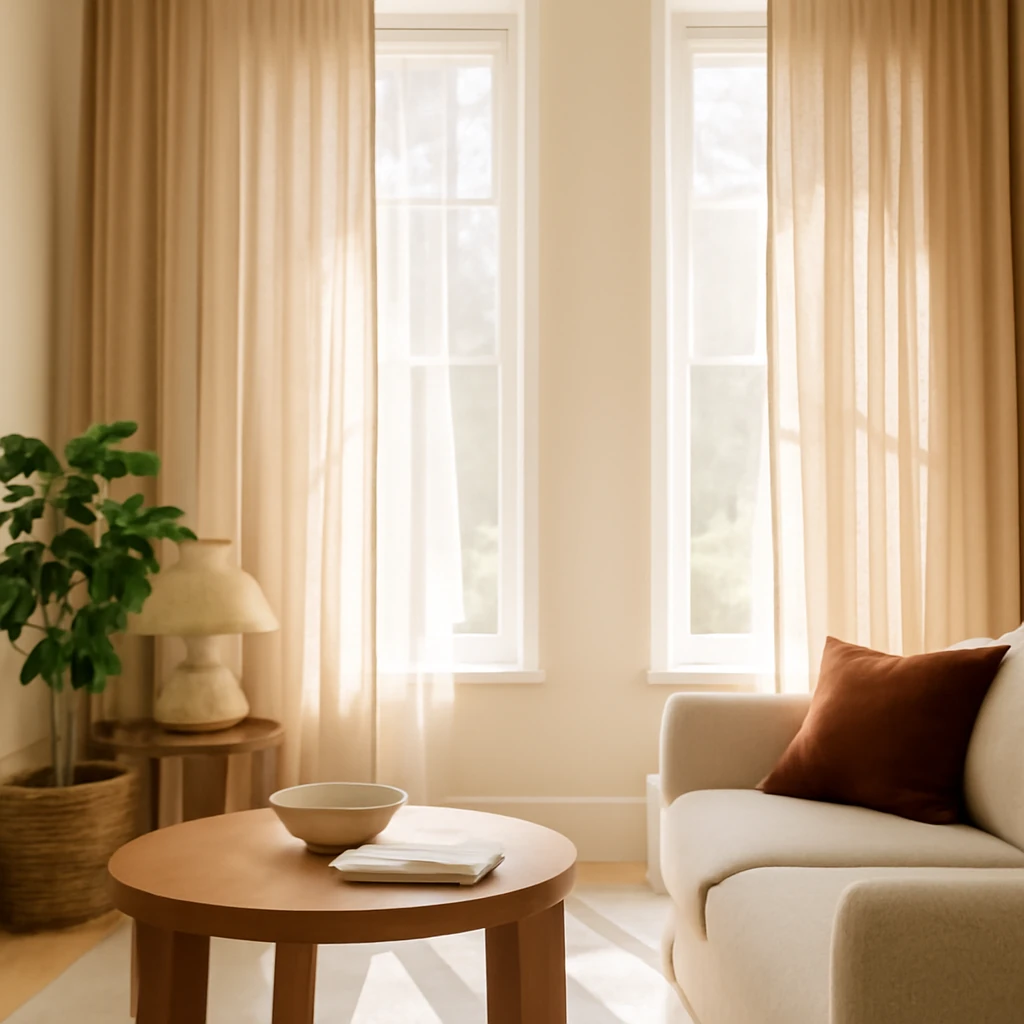
Curtains for the living room in 2025: trends, fabrics and sizing guidance
A practical guide to 2025 living room curtains, from layering to sizing.
Living room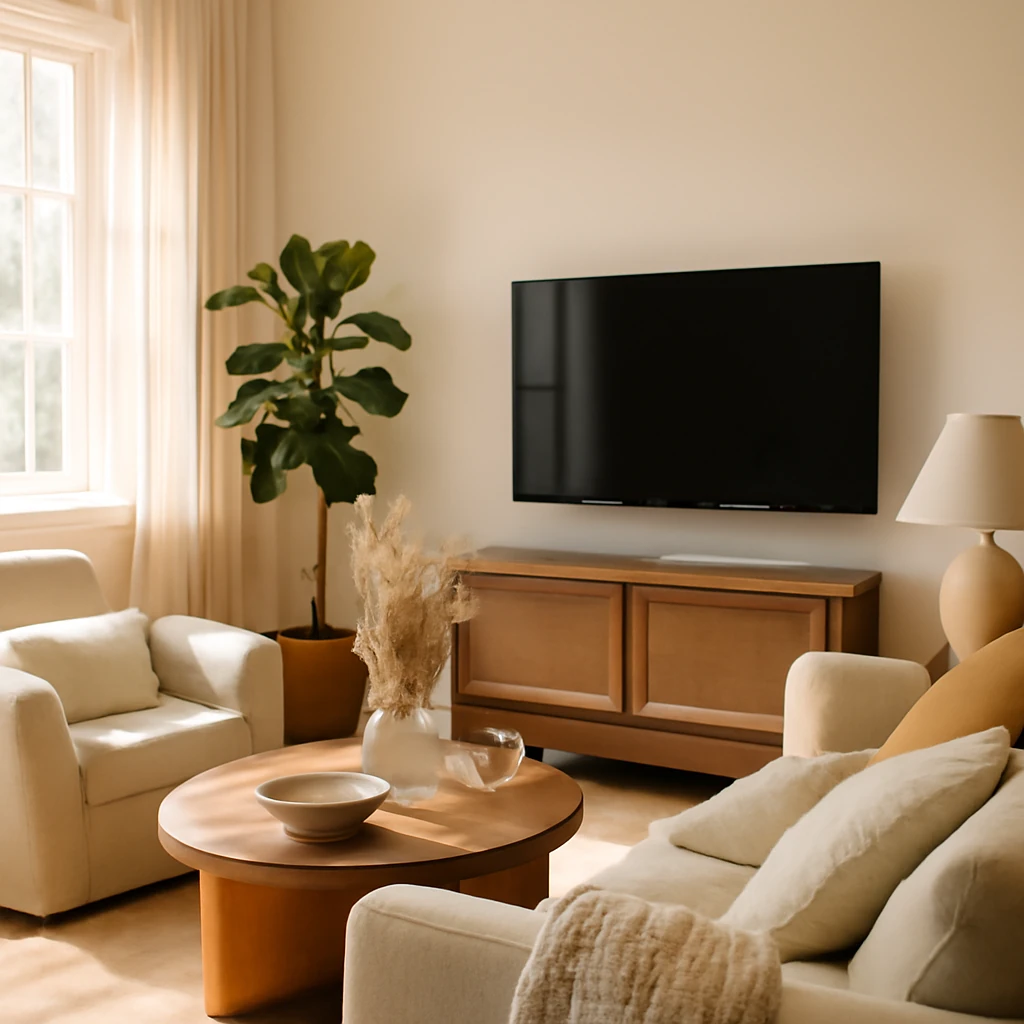
11 Designer Ideas to Style Your TV Zone in the Living Room
Elevate your living room with framed, concealed and textured TV zones.
Small Spaces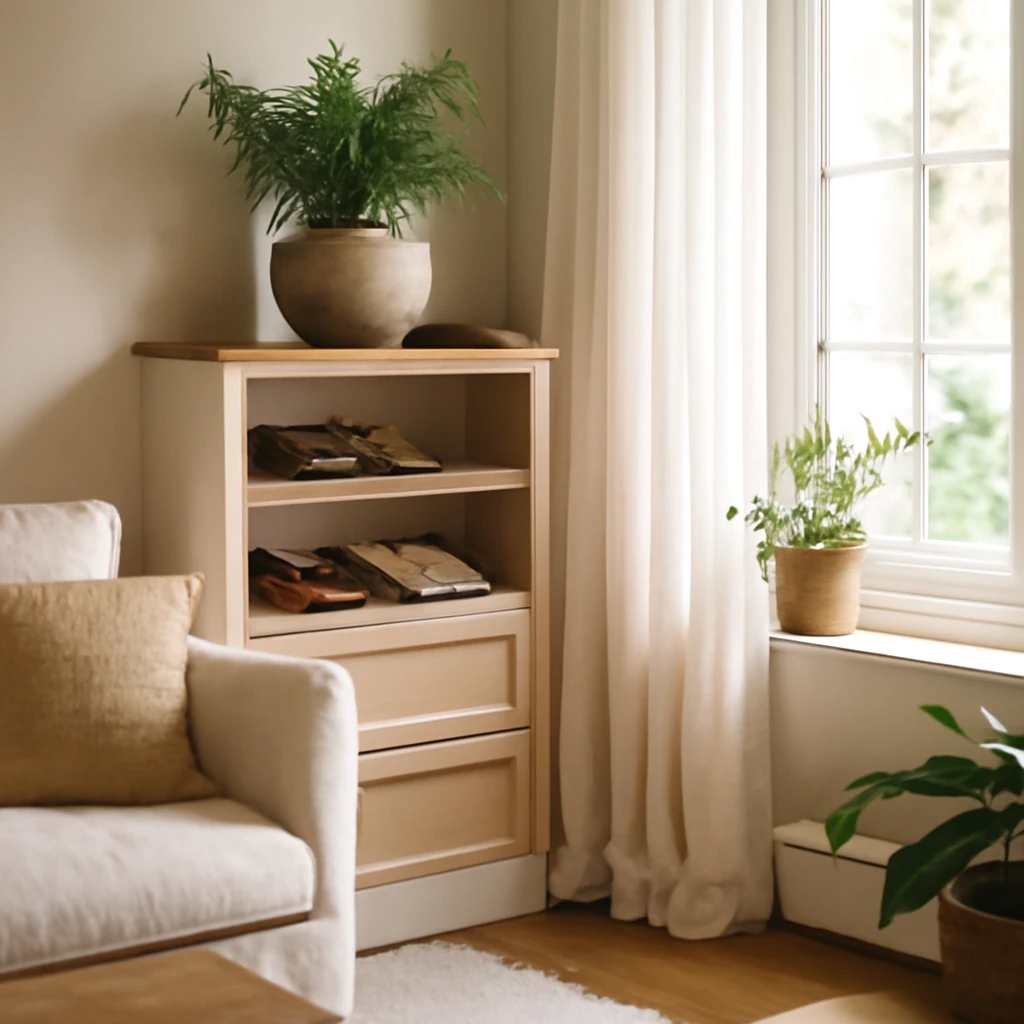
From Open Shelves to Hidden Drawers: Building a European Shoe Cabinet
Plan, build, and personalise a versatile shoe cabinet for compact European homes.