
Explore interior trends, AI design insights, styling guides and real transformations
How to size a sofa for a European living room: comfort, fit and function
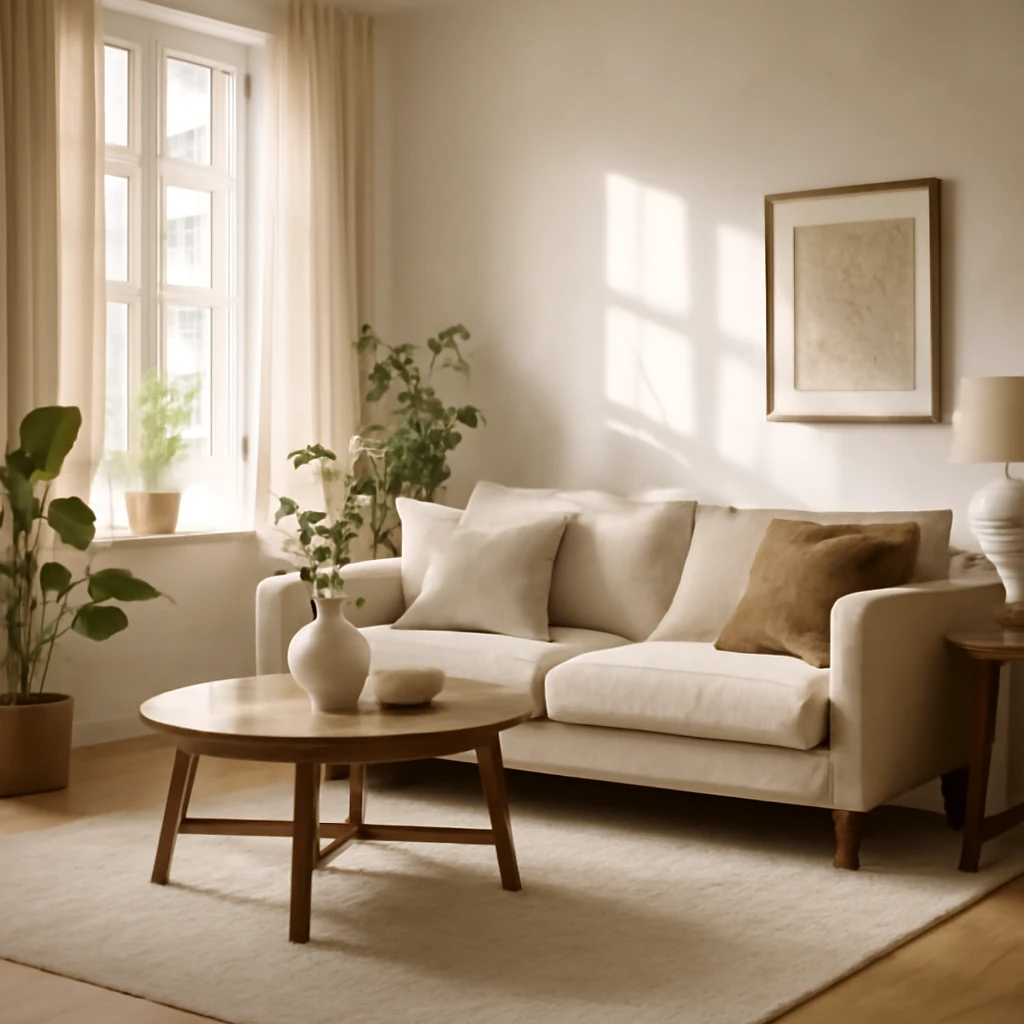
Introduction: sizing a sofa for European living spaces
When selecting a sofa for a living room, kitchen lounge, or family area, the size is as crucial as comfort and style. The goal is a piece that feels proportionate, fits the room without obstructing traffic, and integrates with the overall design. This guide offers practical, experience‑driven advice for choosing a sofa size that works in contemporary European homes, taking into account room dimensions, daily usage, and the visual balance of the space.
People sit, lounge, stretch out, or occasionally lie down. Because these habits vary, there is no universal centimetre rule that suits everyone. The most reliable approach is to tailor the sofa to your own needs. Below are the key considerations to help you determine the right size, depth and back height, and the ideal layout for your living space.
In many European homes, rooms come in a range of shapes from compact apartments to generous living rooms. The aim is a sofa that feels comfortable yet unobtrusive, allowing easy movement through doors and around furniture while maintaining a sense of airiness and cohesion in the room.
How to choose a comfortable sofa by size
The comfort of a sofa depends on several interdependent dimensions. Personal preferences for posture, leg position, and how you like to sit or lie will determine the most suitable measurements. There are no fixed centimetre rules that apply to all, but you can use practical guidelines to arrive at a sofa that suits you and your room.
Consider these three aspects in tandem: the seating depth, the back height, and how cushions and upholstery respond to everyday use. The way you live in the space will reveal your priorities, such as hosting guests, watching TV, or creating a cosy reading nook.
Consider the living space as a whole. How the sofa integrates with other furniture, and how the light distributes across the room, will influence how large or how slender the piece should feel.
What width to choose: two‑seat, three‑seat or larger
At first glance, it seems obvious: the number of seats should match the number of people who regularly sit together. A couple might opt for a two‑seater, a family with a child could prefer a three‑seater, and larger households may require a sectional or a larger linear sofa. However, sofa widths vary significantly across manufacturers. The same seating count can yield very different overall dimensions, so rely on technical specifications rather than seat impressions alone.
To estimate the comfortable width, allocate about 60–70 cm of seating width per person as a baseline. Multiply this by 1.5, 2 or 3 depending on whether you want a semizona or a full‑scale sofa for 1.5 or 2.0 or 3.0 seating. For example, a comfortable setup for a couple might be in the region of 120–140 cm of seating width. Use these figures as a starting point and then refine based on your room and layout.
For reference, a compact two‑person sofa can measure around 150–170 cm in width, while a standard three‑seater often sits between 180–220 cm. Always consult the exact product specifications to avoid misjudgement.
Depth of seating and back height: how they relate
The seat depth and the back height are closely connected. Sofas with deep seats are comfortable for lounging but can dominate a small room. Conversely, shallow seats with a taller back can feel more upright and individual, but may not suit a relaxed posture for longer periods. Your choice should align with how you expect to use the sofa.
Scenario 1: simply sitting
For a person of average height and build, roughly 165–180 cm tall and around 75 kg, a comfortable seated position typically involves a seat depth of about 55–62 cm and a back height of approximately 42–48 cm. This combination supports comfortable conversation and easy access to the cushions while maintaining a balanced silhouette in the room.
Practical examples of standard seating
- Straight sofa with regular depth and back height
- Flat‑pad seating with supportive cushions
- Two‑seat or small three‑seat configurations within typical ranges
Scenario 2: relaxed lounging
For lounging or stretching out, deeper seating is preferred. Aim for a seat depth of around 70–80 cm and a higher, more substantial back to support the head and neck. The ideal back height is one that allows the top edge to align with or slightly above the nape of the neck when you are seated.
Examples of relaxed seating
- Corner sofas with generous seat depth
- Directing cushions to support long, comfortable lounging
Scenario 3: watching TV or reclining with legs up
Choose an especially deep seat for a reclined posture, with a seat depth of 120–130 cm if possible. The back height can be lower, for example 30–40 cm, allowing a comfortable reclining angle without forcing the upper body into an awkward posture.
Examples of deep seating for reclined use
- Long straight sofas designed for lounging
- Corner configurations with a deep chaise section
Scenario 4: occasional sitting and occasional lying
Modular sofas offer flexibility that can accommodate both seated and semi‑lying positions. A component with a chaise or a modular section that can be rearranged to create a daybed or a partial lounge is ideal for multi‑use rooms. Modules can often be assembled like a builder’s set to form different configurations.
Examples of modular arrangements
- Modular sofas with an optional chaise longue
- Three‑seat units with independent modules for sitting and reclining
Scenario 5: for occasional overnight guests
For short naps or occasional overnight stays, a three‑seat sofa with a seating depth of 70–80 cm is suitable. If a full bed is required, consider a sofa bed with a practical sleep surface length around 200 cm and a width of about 140 cm per sleeping space for a comfortable night’s sleep. This configuration works well in living rooms designed for both daily use and occasional accommodation.
What size does the manufacturer specify?
Manufacturers usually present all the overall dimensions, but it is common for figures to be misread or misrepresented on different sites. Some provide width–height–depth (W x H x D) in a different order from others. It is prudent to compare the dimensions against a scaled drawing or a photo of the product to confirm the true proportions. Always verify that the measurements correspond to the same orientation as the product you are viewing.
Manufacturers may provide typical range values to accommodate manufacturing tolerances. Treat the stated size as a target rather than an absolute, and check the exact numbers for the specific model you intend to buy.
Will the sofa fit in the room
As a rule of thumb, a straight sofa occupies roughly 0.8 × 2.0 m of floor space. A corner or island sofa will take more. To ensure the sofa does not overwhelm or impede movement, aim to keep its footprint to about one sixth of the available floor area for straight configurations, and about one fifth for corner and island layouts.
Before purchasing, it is essential to determine how the sofa will look and function both assembled and when unfolded. Three practical methods help you assess the actual footprint.
Method one: draw a to‑scale plan of the room with all largest pieces of furniture and mark 50 cm clearances for circulation around the sofa. Ensure there is space for doors to open and for cushions to be rearranged without obstruction, whether the sofa is closed or unfolded.
Method two: measure the area with newspapers or masking tape to simulate the sofa footprint and test how it feels in the room. This visual guide helps you sense whether the sofa will dominate or sit comfortably within the space.
Method three: create a mock version of the sofa with empty boxes to represent its dimensions in both configurations. This hands‑on approach makes it easy to judge how much space is required and how easy it will be to navigate around the piece when in use and when the bed is opened.
How the sofa unfolds: along or across
The transformation mechanism of a sofa bed is crucial when selecting a model that will be used for sleeping. The unfolding method affects not only the space it requires but also the wall clearance and the ease of use. It is best to check the mechanism specifications rather than guessing this in person.
- “Book” and “click‑clack” style mechanisms typically hinge from the side. Allow a clearance of about 6–8 cm from the wall to avoid scuffing wallpaper and to ensure a smooth unfolding.
- “Accordion” or pull‑out designs roll or slide forward, allowing closer placement to the wall. These can be advantageous for narrow rooms where wall space is at a premium.
- Other systems may extend lengthwise or require a separate back cushion to achieve a full bed surface. If in doubt, confirm the exact unfolding path and floor clearance with the retailer or manufacturer before purchase.
Distance to windows and radiators
Maintenance of comfort and fabric longevity depends in part on sun exposure and heat. The ideal distance from a window or radiator is at least 1 metre. This helps prevent direct sunlight from fading fabrics and reduces the risk of damage to the core filling or to wooden frameworks over time. In rooms with strong south facing light, consider positioning the sofa so that shading or sheer curtains protect the fabric while still maintaining a bright and inviting atmosphere.
Make sure the sofa is visually proportionate to the room
In addition to raw dimensions, the perceived size of a sofa is influenced by its silhouette and detailing. A piece that looks too heavy can visually shrink the room, while a lighter profile can enhance a sense of space even in a compact area.
Legs and clearance The distance from the floor to the base of the sofa creates an impression of airiness. Sofas with slim legs or a floating appearance tend to feel lighter and less imposing. If the sofa sits close to the walls or has a solid base with little space beneath, it will visually anchor the room and can appear larger than it is. Consider a design with legs that lift the sofa off the floor to grant a sense of openness and movement in the space.
In smaller rooms, the way the sofa is viewed from entry points matters. If the sofa is visible only from an oblique angle, it will feel lighter than a view straight on from the doorway.
In practice, many contemporary European living rooms balance a sofa with light flooring, ample lighting, and generous air around the furniture. A compact sofa with narrow arms or a chaise extension can be an ideal choice for a long, narrow room, while a larger modular configuration may better suit a square or open plan space. The goal is a balanced composition where the sofa reads as an integral part of the whole, rather than a dominant block in the middle of the room.
In a typical 56 m² apartment with a well considered layout, a modestly sized straight sofa paired with a slim coffee table and light shelving keeps the space inviting without feeling crowded.
Can you assemble the furniture yourself
Modern sofas are typically modular and designed for manageable delivery. In many cases the components arrive separately and can be carried through a standard doorway. Challenges often arise in narrow, elongated rooms or spaces with a plan configuration that runs from wall to wall. If the sofa would occupy all available space such that there is no room to manoeuvre for assembly, it may be prudent to opt for professional installation. Usually, two technicians can assist: one to handle the sofa frame and lift, the other to perform on‑site assembly and adjustments.
For a calm and successful installation, confirm delivery and installation options with the retailer, including any extra charges for assembly, access constraints, and the target number of operatives required for a smooth setup.
Putting it all together: a concise checklist
- Choose a sofa width that fits the number of regular sitters, using 60–70 cm per person as a baseline and adjusting for room proportion.
- Match seat depth and back height to your preferred usage scenario, from upright chatting to deep lounging and occasional sleeping.
- Verify the manufacturer specifications and confirm the exact model dimensions in the configuration you intend to buy.
- Test the footprint in real space using plan drawings, taped outlines, or boxed simulations to assess fit and circulation.
- Plan for wall distance, window light, and heat sources to protect fabric and maintain comfort.
- Consider visual proportion: lighter finishes, slender legs, and careful placement for an airy feel, especially in compact rooms.
- Decide whether modularity or a fixed configuration best suits your lifestyle and space constraints, and factor in possible future needs.
- Assess your ability to assemble the sofa yourself or whether professional installation is advisable, particularly for large or complex configurations.
When approached with a clear plan, selecting a sofa that fits perfectly in a European home becomes a straightforward process. The right sofa respects the room’s proportions, supports daily living, and enhances the sense of air and light that characterises contemporary interiors.
You may also like these articles
 Colour & Materials
Five refined pairings of countertops and splashbacks for European kitchens
Five elegant countertop and splashback pairings for European kitchens.
Tips & How-To
Clever Kitchen–Living Room Design: Zoning, Layouts and Details for European Homes
Master the art of a cohesive kitchen–living space with European zoning tricks and timeless style.
Tips & How-To
The art of deep cleaning: a practical guide for European homes
A practical, eco-conscious deep-clean plan for European homes.