
Explore interior trends, AI design insights, styling guides and real transformations
Crafting a Welcoming, Practical Entrance: European Foyer Design Essentials
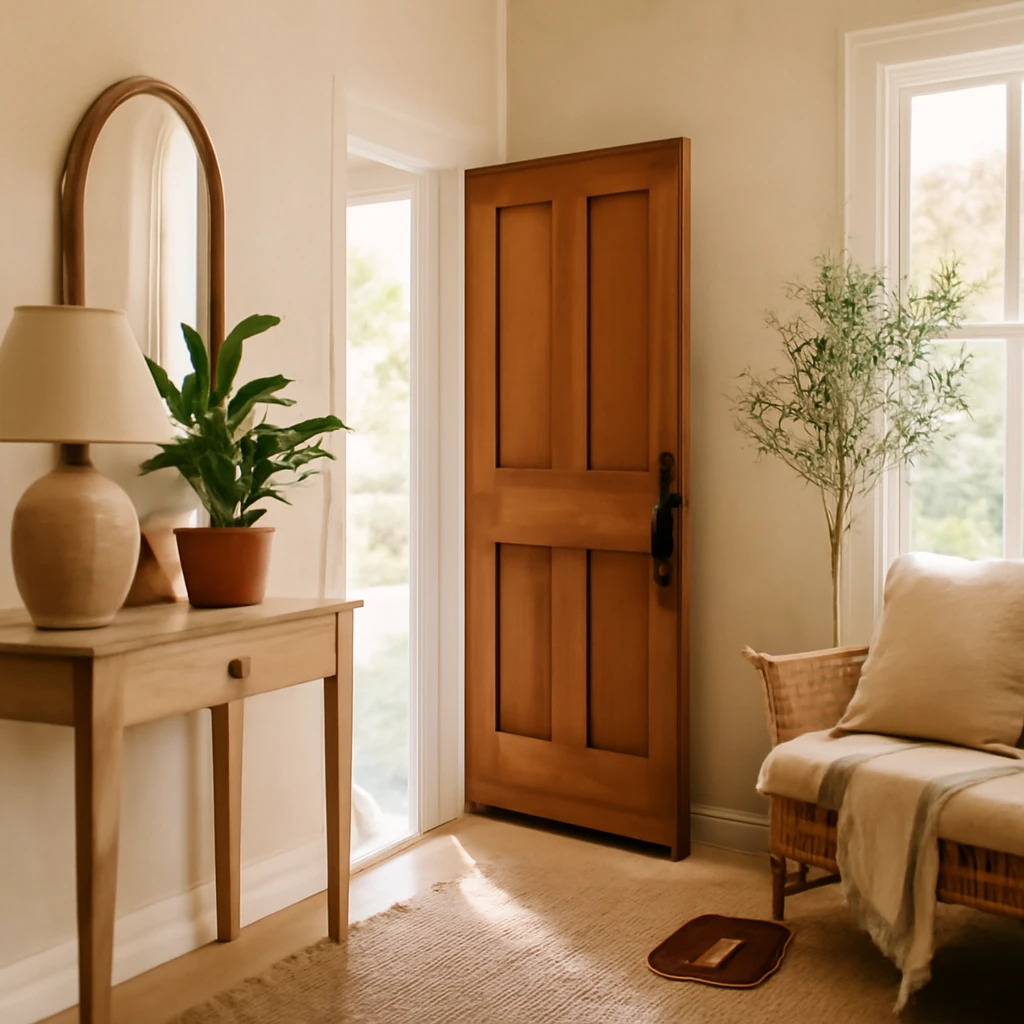
General principles for the entry zone
In contemporary European homes, the entrance is more than a mere threshold. It sets the tone for the rest of the home, blending first impressions with daily practicality. The most successful foyers manage to be both aesthetically restrained and incredibly functional. The guiding rule is simple: design for how you live, but craft the space with intention so that it remains calm and inviting even on a busy weekday morning.
To achieve this balance, designers emphasise a few core principles. First, provide ample storage so that coats, shoes and everyday items disappear from sight. Second, create a focal point that draws the eye as soon as one opens the door – this could be a carefully framed artwork, a sculptural mirror, a statement bench or a bold architectural feature. Third, layer lighting to cover the tasks of dressing and locating items in low light. And finally, choose finishes and materials that withstand daily use and are easy to care for, especially in climates where mud and wet weather are common.
Across European cities, the most enduring entryways combine modular storage systems with durable surfaces. The goal is a space that feels quiet and organised, even when the rest of the home is buzzing with activity.
While every project is unique, the following practical rules form a reliable baseline for a well-functioning entrance:
- Ensure there is enough storage for outerwear, footwear and everyday paraphernalia so nothing clutters the visual line of the space.
- Create a focal point or anchor that gives the space character without overwhelming it.
- Integrate multiple layers of light, including ambient light for general use, task lighting near mirrors, and decorative accents to guide the eye.
- Choose materials that are robust and easy to maintain, such as stone or ceramic flooring and washable wall coverings.
In European urban homes with varied layouts, you’ll often find the entry designed as a transitional zone that subtly links the outside world with the main living areas. Even modest apartments benefit from a thoughtful approach to storage, light and texture, ensuring the hallway does not feel like a mere corridor but rather a welcoming introduction to the home.
Space organisation
The two central ideas for any foyer are straightforward: make the space feel as open as possible and ensure it is as convenient as possible for occupants and visitors alike.
Maximise space
In many city apartments, increasing the width of a corridor is not feasible. In open-plan layouts, however, the entrance can be designed to feel more expansive. When planning, identify exactly what must fit in the area and how much free space remains for movement. If an extension or remodelling is possible, designers often recommend reserving a minimum of around 4 square metres for the entrance zone. This provides room for a storage wall, seating and a clear path to other rooms without feeling cramped.
In larger urban flats and townhouses, the entrance can include a compact utility or laundry niche, a boot store, and a small seating corner, all integrated to maintain a cohesive look. The guiding principle is to avoid a squeezed, congested feel by prioritising clear sightlines and accessible storage.
Form should be simple
A simple form is the friend of easy daily use. Reducing corners and protrusions makes navigation smoother, especially when organising coats and bags during peak hours. The design logic should be to group storage in recessed niches or wall-inset units, and to use shallow depths where possible. In compact zones, consider built-in wardrobes or wardrobes with sliding doors to save space and keep the surface visually sleek. Where space allows, hiding laundry or utility behind closed panels can further reduce visual clutter.
In generous entrance zones, it is still wise to maintain a calm silhouette. A long wall of integrated storage, a bench with concealed storage, and a small console can anchor the space without creating a busy or chaotic feel. A well-considered arrangement makes it possible to welcome guests and prepare for leaving without fuss or congestion.
In larger foyers, clever detailing can extend the sense of space. For example, placing the wardrobe at the end of a corridor or tucking it into a shallow recess can preserve the main thoroughfare while still delivering ample storage. The result is a foyer that feels intentionally designed rather than merely wearing its function.
Colour ideas
Colour is one of the most influential levers in shaping the mood of an entryway. The European palette for foyers tends to favour earthy neutrals, crisp whites, and the occasional bold accent that can be introduced through furniture or art. Here are some enduring options to consider.
Beige
A warm, timeless choice that adds cosiness without dominating the space. Beige acts as a versatile backdrop for textures and natural materials such as timber, stone or woven fibres.
White
White walls and surfaces visually expand small spaces and keep corridors feeling light and breathable. Pair with warm timber or muted metallics to avoid a clinical effect.
Black
Used sparingly, black adds drama, depth and contrast. It works well for hardware, a statement mirror frame, or a single feature wall, provided there is sufficient ambient and task lighting to prevent the space from feeling closed in.
Navy
A sophisticated alternative to black, navy can ground the space while remaining versatile with natural materials and metallic accents.
Green
Subtle greens evoke calm and connect the indoors with nature. Lighter sage tones create a serene backdrop, while deeper forest greens offer a refined, sophisticated edge when combined with warm wood and textured surfaces.
Grey
Grey remains a reliable, modern base for contemporary foyers. Paired with brighter whites or timber tones, it creates an understated, versatile canvas for colour pops or statement pieces.
- In many European foyers, designers lean towards light neutrals with tactile textures, using colour in soft accessories rather than large painted surfaces to keep the space flexible and timeless.
- A balanced mix of warm and cool neutrals helps ensure the entrance remains welcoming in both morning light and evening ambience.
Colour palettes in practice
Designers often group palettes into three approachable families to guide decisions for lighting, textiles and fixtures.
Light with high contrast details
In compact urban foyers with little natural light, use pale walls with darker details in furniture, hardware or a single architectural feature. This approach enlarges the perceived space and creates visual interest without clutter.
There is plenty of room for texture and pattern through fabrics, rugs, and wall coverings that mimic natural textures such as linen or fibre, keeping the surface visually engaging yet cohesive.
- In European city flats, a pale backdrop with a dark timber storage wall or a charcoal bench can create a refined contrast that feels both modern and timeless.
- Accent pieces such as a leather or wool-tufted bench will reward close inspection and use.
Monochrome
Shades of a single colour family can produce a serene, coordinated look. Vary the tones with different textures and finishes to prevent the space from feeling flat. Introduce a subtle palette through hardware finishes and soft furnishings to maintain depth and warmth.
- Long, uninterrupted walls benefit from a careful alternation of matte and satin finishes to avoid glare and reflectivity.
- Soft monochrome combinations are particularly effective in small foyers where bold colours could overwhelm the space.
Colour blocks
Where the entry is seen by visitors as soon as the door opens, a strong colour block on one wall or within a niche creates an immediate sense of personality. Coloured walls, in combination with transparent or reflective materials, can define zones within a larger hall rather than dividing the space visually.
Colour blocking is efficiently planned using a colour wheel as a guide, ensuring harmony with the adjacent living spaces and the rest of the home.
Finishes
The choice of finishes is crucial for durability and ease of maintenance in a European foyer facing daily use and varied weather. Here are the main options to consider.
Flooring - ceramic tile
The key requirement is practicality. Durable flooring such as ceramic tile or porcelain stoneware resists moisture, withstands grit, and remains easy to keep clean. It also tolerates robot vacuum cleaning and everyday wear. A tile pattern can act as a subtle detour or anchor in a monochrome scheme, while textured or patterned tiles provide a gentle focal point without overpowering the space.
For a calmer look, pick neutral tones with a low sheen to minimise visible scuff marks. For a more expressive hallway, introduce a single statement tile as a rug substitute to define the entry zone.
Walls - tactile finishes
If you favour a calm, unadorned look, consider textured wallpapers or decorative plaster that mimics natural textures such as silk, suede or concrete. Avoid heavy three‑dimensional textures in very small spaces, which can feel busy, instead, opt for subtle textures that catch light and offer tactile interest when you run a hand along the wall. A soft plaster or a refined wallpaper can add depth without visual clutter.
When echoing a robust, contemporary mood, ensure that the wall finishes complement the storage units and furniture rather than compete with them.
Ceiling finishes - height-aware decisions
Ceiling treatment should reflect the room height. In low-ceiling corridors, matching the ceiling colour to the wall can visually raise the height by reducing ceiling line disruptions. For taller spaces, consider suspended or concealed lighting to maintain a clean ceiling plane while delivering layered illumination.
Layout
The size and configuration of the entrance influence furniture placement and overall organisation. A thoughtful plan helps maintain a clear path from the door to living areas, while providing storage that supports everyday routines.
Designing a small entryway
In compact foyers, keep the number of items to a minimum. Opt for built‑in or sliding-door wardrobes to minimise depth consumption. Choose multifunctional solutions such as a shoe cupboard with a small drawer for keys and a bench with hidden storage. A concise layout will feel calmer and more navigable, even when accessed by multiple people in quick succession.
Designing a spacious entryway
In larger foyers, you can deploy more substantial furniture to balance the space. A generous wardrobe, a comfortable bench or small upholstered seat, and a dedicated landing zone near the door can create a welcoming arrival experience. Layered lighting and well-chosen decorative elements help to craft a homely atmosphere without sacrificing order.
Across spaces of all sizes, the entrance should be the most convenient zone in the home. A logical arrangement and carefully considered scale are essential to achieving that goal, whether the area is a breezy European city apartment or a more generous suburban dwelling.
- In European designs, wardrobes with concealed storage and integrated lighting are especially effective in maintaining a neat, uncluttered look.
- Wall-mounted storage and floating console units help to preserve floor space while ensuring quick access to necessities as you enter or leave the home.
Five designer tips for designing a fashionable entry
- Introduce colour: the foyer is not a room for long stays, so expressive hues can lift mood and make returning home a pleasure.
- Aim for a square or near-square plan where possible: long, narrow corridors tend to feel heavy, place storage at the end or in a cross‑section to balance proportions.
- Let light in: widen door openings where possible, reduce unnecessary partitions, and increase lighting layers to expand perceived space.
- Use mirrors: mirrors bounce light and visually enlarge the room, especially when the space lacks natural daylight.
- Plan where bags and purchases will go: a compact bench with a storage compartment plus a shallow shoe rack can keep daily clutter at bay without compromising flow.
In any European scheme, these guidelines translate into greater comfort and a more inviting entry. With a well‑considered layout, the foyer becomes a practical, stylish introduction to the home rather than a forgotten corridor.
Choosing furniture
Furnishings should be simple, streamlined, and practical. Avoid ornate details that can quickly feel dated or translate into visual clutter in smaller spaces.
Built-in wardrobe systems
The trend in storage remains consistent: built-in wardrobes that blend with the wall, creating a seamless surface and reducing footprint. Customisation allows precise sizing and efficient use of available depth and height. When selecting wardrobe depth, consider the needs of those in the household – for outerwear and frequently used items a depth of 60–70 cm is common, while deeper configurations are reserved for specialised wardrobe systems or walk‑in solutions.
- In small or awkwardly shaped foyers, consider a shallow niche with a tailored wardrobe that aligns with existing walls to maximise floor space and maintain a calm silhouette.
- In larger homes, a full-height wardrobe run can create a strong architectural rhythm and offer abundant storage for seasonal items and guests.
Built-in solutions can often be configured with adjustable shelving, integrated lighting and soft-close mechanisms to encourage organisation and ease of use. When budget is constrained, it is possible to approximate the built-in look with modular systems that fit neatly into a tailored niche.
For those seeking flexibility without bespoke fabrication, modular systems with customisable widths and depths provide a practical middle ground. They enable you to adjust as family needs change over time while maintaining a cohesive aesthetic throughout the home.
Wall-mounted storage - frees up space
Wall-mounted cabinets and dressers create a light, airy feel, particularly in compact foyers. The lever here is to keep the units slim and plan for the clearance you require when passing by. A floating console or a slim sideboard paired with a mirror can define the entry without visually narrowing the space.
- Wall-mounted storage can be discreet yet highly functional if equipped with internal organisation compartments for keys, mail, and small accessories.
- When possible, choose units with soft-close doors and integrated LED lighting to enhance usability and ambience.
Console + bench
A console offers a practical surface for keys, mail, and décor, while a bench provides a moment to sit to put on shoes and can incorporate storage underneath. If space is limited, consider a compact wall-hung console paired with a slim bench that tucks neatly under it.
In designing a practical console arrangement, think about grip space, cable management and the ease with which daily items can be stored and retrieved. A dock for a diffuser or a small plant can soften the space and make the entrance more welcoming.
Lighting
Light is essential in foyers because most entrances lack direct sunlight for part of the day. A layered approach works best: an ambient ceiling light for overall illumination, task lighting around mirrors for dressing, and decorative or accent lighting to highlight architectural features or artwork. Consider dimmable options to tailor the mood as the day progresses.
Lighting
The entry zone benefits from multi‑level lighting: general illumination to see and move safely, task lighting near mirrors and desks, and accent lighting to add depth and atmosphere. Striking a balance between brightness and warmth enhances comfort and usability, especially during early mornings and late evenings.
- A well‑placed mirror with backlighting or soft edge lighting increases both function and perceived space.
- Wall sconces or pendant lights on either side of the mirror can provide flattering, even illumination for grooming tasks.
- Consider a small up‑light or recessed strip to softly illuminate the floor and highlight the path without glare.
Decor
Decor in a modern entry should be purposeful and restrained. It can elevate the space, provided it remains functional and uncluttered. The goal is to create a welcoming first impression without introducing visual noise that interferes with daily use.
Choose decor that aligns with the house style and does not compete with the storage system. Materials such as natural wood, stone, and textiles with tactile textures help to warm the space, while metallic accents can add a contemporary edge.
Colourful façades
One straightforward way to enliven a foyer is through furniture and storage fronts in distinctive colours or finishes. A wardrobe door in a bold hue can become a focal point that anchors the room without overwhelming it.
Unusual hooks and hangers
Characteristics like sculptural wall hooks or decorative coats racks can serve as eye‑catching features while remaining highly functional. When used sparingly, they add personality without cluttering surfaces.
Mirrors as ornament
Mirrors are a practical aesthetic device in foyers. Opt for unusual shapes, softly rounded edges, large reflective surfaces, or frameless designs that keep the space feeling open and modern.
Baskets and textile storage
Baskets and fabric bins hide small items such as gloves, scarves and mail, keeping the area tidy while adding natural texture and warmth.
Fashionable entry styles
In most European homes, the entry mirrors the rest of the interior in terms of style. Among popular functional directions, Scandinavian, minimalist, and contemporary modern approaches remain especially suitable for foyers. Each offers a distinct mood while prioritising practicality and calm.
Contemporary style
Contemporary foyers blend clean lines with practical materials, integrating elements from related design movements. Expect a restrained palette, modular storage, and lightweight furniture. The focus is on efficient layouts and materials that withstand daily use, with technology and hardware integrated in a way that remains unobtrusive.
Scandinavian calm
Scandi influences bring lightness and warmth, emphasising natural timber, pale surfaces and generous daylight. Storage tends to be practical with minimal ornamentation. A touch of colour can come from soft textiles or a bold, single accent piece like a chair or a small rug, used to define a zone rather than overwhelm it.
Minimalism
Minimalism in the foyer employs a restrained palette of black, white, grey and natural wood. Materials are carefully chosen for their tactility and durability, with a focus on proportion, negative space and a curated set of essential items. Lighting is layered to create depth without clutter.
Japandi blend
Japandi combines the warmth of Scandinavian design with the refined simplicity of Japanese aesthetics. It is inherently functional, with low-profile storage, natural materials, and an emphasis on order, light, and quiet colours. Textures such as linen, wool and soft wood surfaces help soften the space while maintaining a clean, uncluttered look.
Loft influences
In urban settings, loft ideas introduce raw materials and an architectural feel. Concrete textures, metal hardware, and wood floors can create a bold entry that pairs well with pared‑back furniture and strategic lighting. Soft furnishings in warm tones counterbalance the industrial vibe, making the space inviting rather than austere.
Five common mistakes in contemporary foyers
- Inappropriate floor covering for the area that handles wet coats and muddy footwear. Highly glossy surfaces can become slippery when damp, while inexpensive laminates may swell with moisture.
- Absence of a master light switch near the door. A convenient control point avoids stumbling around in nightwear or wet shoes.
- Open or exposed hooks without adequate storage. Beautiful hooks can look stylish, but daily use requires a concealed system for everyday coats and bags.
- Missing full-length mirror. A full-height mirror aids dressing and helps to visually enlarge the corridor. It should be unobtrusive yet functional.
- Lack of space for drying outerwear after wet weather. A compact hanging area or a small drying rack integrated into the storage plan can prevent dampness and odours in the home.
By avoiding these pitfalls, a European foyer can stay both stylish and efficient, supporting daily routines rather than interfering with them.
In place of conclusions
The entrance is a fully functional room that deserves thoughtful design. To stay aligned with current trends while remaining timeless, keep these guiding points in view:
- The entry should be spacious enough for everyday activities and shaped to maintain clear circulation.
- Flooring should be hard‑wearing and easy to clean, the material should withstand frequent foot traffic and weather exposure.
- Storage must accommodate coats, footwear and everyday items without visible clutter.
- Lighting should be layered to provide 2–3 different ambience scenarios and aid daily routines.
- Mirrors should be large and well proportioned to enhance space perception and functionality.
- Decor should be purposeful and function‑oriented rather than decorative for its own sake.
With careful planning, a European foyer transforms from a utilitarian passage into a welcoming, well‑ordered space that signals care and attention as guests arrive and as residents prepare to leave for the day.
Question and answer
What accessories help create a fashionable entry?
In the modern foyer, limit to essential pieces in metal, glass or wood with either a polished or matte finish. A large mirror expands the sense of space and reflects light, while simple wall art or abstract posters can add personality. Small plants or succulents bring life without clutter. The aim is to strike a balance between form and function so that the space feels curated rather than cluttered.
How should lighting be organised for a cosy atmosphere?
Combine a primary ceiling source with task lighting near mirrors and a few decorative accents. Consider wall sconces, overhead tracks, and LED strips under cabinetry to create depth. A warm white colour temperature around 2700–3000 K yields a welcoming glow that is also practical for dressing and preparing to leave.
How can storage be organised to preserve order and style?
Plan a compact set of essential items: a wardrobe with sliding doors or a shallow depth for quick access, a dedicated shoe storage, and hidden drawers for small items. Multipurpose pieces such as a bench with internal storage or a console with integrated organisers help maintain a tidy, cohesive look. The key is to keep daily items out of sight yet easily reachable when needed.
- In many European foyers, a combination of concealed storage and surface organisation creates a calm, efficient entry that remains adaptable over time.
- It is useful to design a dedicated zone for keys, mail and accessories to prevent everyday clutter from spreading into living spaces.
You may also like these articles
 Small Spaces
Designing a 12 Square Metre Room: European Compact Living
A practical guide to making a 12m2 room feel spacious, stylish and functional.
Interior Design
Which bathroom ceiling suits best? 7 options, trends and anti-trends
Seven bathroom ceiling options—from classic plaster to suspended systems.
Living room
Sliding Wardrobes: Redefining European Living Rooms with Smart Storage
Sliding wardrobes reshape living rooms across Europe with smart design and flexible storage.