
Explore interior trends, AI design insights, styling guides and real transformations
Five design concepts for European bathrooms: partitions, niches and tile patterns
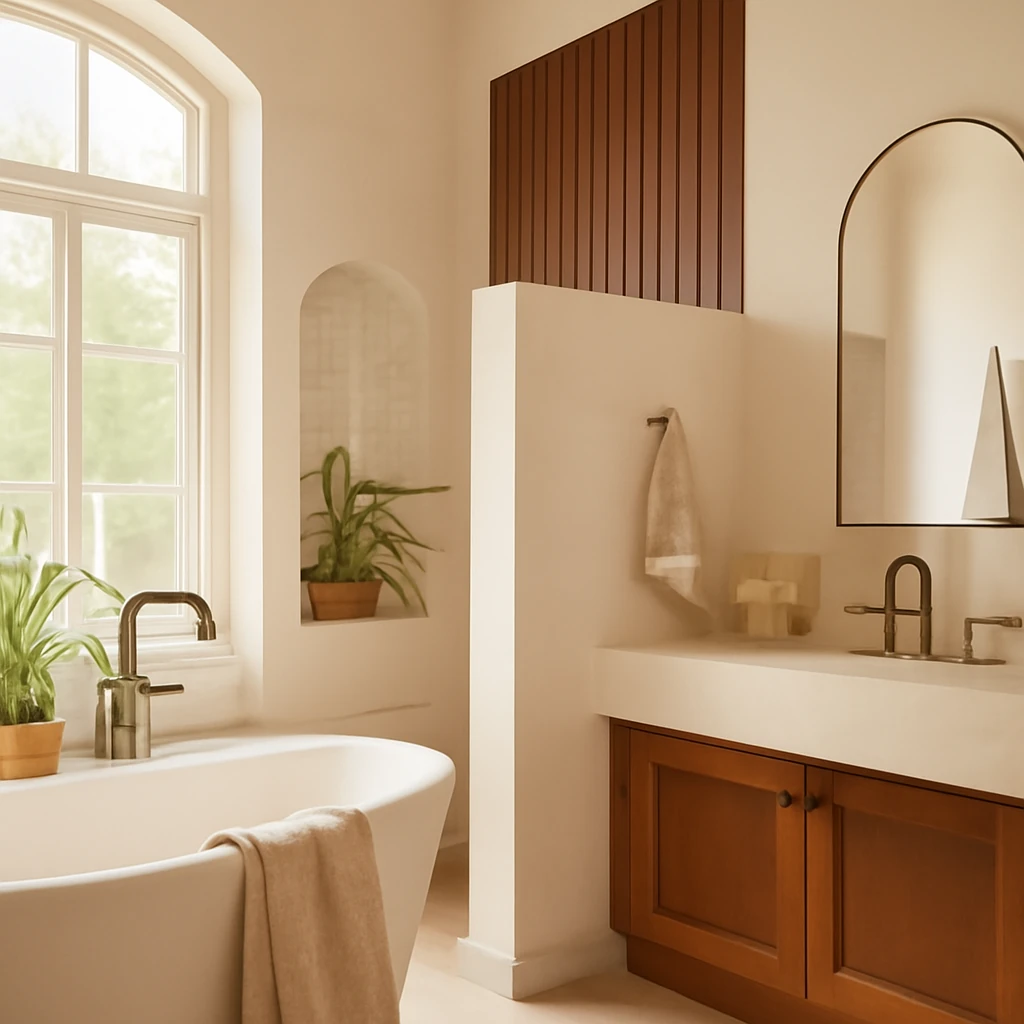
Bathrooms in contemporary European homes are increasingly designed as calm, functional retreats where practicalities and aesthetics meet. The most successful schemes blend architectural details with tactile materials, delivering spaces that feel comfortable, easy to live in and still deeply styled. Drawing on five versatile concepts, this feature showcases how to craft a bathroom that reads as a cohesive part of the home - whether a compact city apartment or a generous family suite. Each idea offers a practical route to improve layout, light and atmosphere while remaining sensitive to the constraints of real-world renovation and the realities of moisture, cleaning and maintenance.
Glass partitions as a sculptural shower feature
One of the most striking, contemporary moves is to treat the shower enclosure as a sculptural element rather than a simple barrier. A glass partition can redefine the space while maintaining an open feel, especially when it becomes an architectural feature in its own right. For a European bathroom, a four-panel arrangement with rounded or oval edges creates a soft silhouette that complements other clean lines in the room. Two of the panels may be doors, allowing easy access without visually dividing the space too aggressively. The colour or finish of the partition can dramatically influence the room's mood: a deep black or graphite frame adds drama and modern edge, while a frameless version with discreet separators emphasises a seamless, light-filled ambience. > Practical considerations: choose tempered safety glass with low-iron clarity for maximum light transmission. A black or dark frame requires careful maintenance to keep water marks at bay, so consider a high-quality coating or properly sealed hardware. Ensure the shower tray is level and integrated with a harmonious drainage line that minimises sightlines. In compact bathrooms, the partition should be sized to avoid visually shrinking the area, a slim profile helps maintain a generous feel. Plan the installation with a professional who can align the panel joints, the door swing, and the enclosure’s header with precision for a watertight result.
Niche and vanity zoning: accent walls and material contrast
Zoning a bathroom where the vanity sits is not merely about placement, it’s an opportunity to exploit texture and colour to define spaces within a room. A common European approach is to use a wall treatment that creates a distinct, yet harmonious, zone for the basin and storage. The main wall behind the vanity can be finished in a warm, natural, light-coloured material - such as a large-format porcelain tile that mimics stone. This ground colour provides a calm backdrop and makes the room feel more expansive. In the vanity area, introduce contrast with a smaller-format tile in a saturated hue or a more tactile finish. An emerald shade, for instance, can be scaled through a small field tile or a highlight strip, providing visual depth without overpowering the space. The result is a tactile, layered look that reads as deliberate design rather than a mishmash of disparate elements. > Practical considerations: when selecting tiles, weigh the durability and stain resistance of the surface in zones that endure splashes and humidity. Large-format tiles reduce grout lines, easing cleaning and maintenance, while a smaller, high-contrast tile on the vanity wall can pick up accents from mirror frames or accessories. Build a cushion of moisture protection behind the wall, and consider a concealed shelf within the niche for daily essentials. If the budget is tighter, opt for a stone-effect porcelain and a coordinated splashback tile that resembles a more expensive material, achieving the same visual impact without the premium price.
-
Vanity and storage should be planned at a height that suits everyone in the household, ideally between 80 and 85 cm to accommodate seated tasks and comfortable use.
Bathtub in a vaulted niche: arch as a room-defining feature
Architectural niches and arches are timeless cues in European interiors, capable of giving a bathroom a strong sense of identity. Placing the tub within a niche framed by a curved opening creates an intentional focal point and a sense of architectural theatre. The arch does more than decor: it allows a clever arrangement where plumbing and services travel within the wall, freeing the space from extraneous fixtures. An arch also acts as a natural divider in a long, slender bathroom, creating distinct zones for soaking and washing without resorting to a rigid glass screen or a bulky curtain. The arch can be shallow or generous, depending on ceiling height and the overall footprint of the room. By pairing a freestanding or built-in tub with a soft arch opening, you can achieve a spa-like feel that remains practical in everyday, family use. > Practical considerations: ensure the niche is deep enough to house the tub without crowding the space, plan for service panels and access to water connections. Use moisture-resistant plaster and a tile layout that wraps into the arch to maintain a clean, continuous look. In terms of glass and screening, consider a minimal frameless edge or a slim, discreet screen if you prefer a barrier that keeps water inside. Arch geometry can be aligned with other curved cues in the bathroom - rounded mirrors, semicircular shelves, or curved vanity edges - to create a cohesive atmosphere.
Glass blocks as a luminous, private window
Glass blocks offer a refined solution for bringing daylight into bathrooms that lack external windows or want to preserve privacy while admitting natural light. A popular European application is to use glass blocks as a light-transmitting screen in a partition or as a partial wall between the kitchen and bathroom or within the bathroom itself. The texture and colour of the blocks influence the room’s mood, coloured or textured blocks filter light in interesting ways, creating a soft, even glow without clear visibility through the wall. When used between spaces (such as kitchen and utility zone), the blocks still permit daylight to travel, reducing the need for artificial lighting during the day while maintaining privacy. The blocks can be stacked in a lattice or panel format that aligns with the grout lines for a crisp, contemporary look. > Practical considerations: check local building codes and moisture considerations when designing areas adjacent to kitchens or dining spaces. Glass blocks require careful handling during installation and grouting, choose a non-porous, moisture-resistant grout and sealants. They can weigh more than standard tile panels, so structural support must be verified by a qualified professional. For higher energy efficiency, combine glass blocks with a thoughtful ventilation strategy and, if possible, a small clerestory window elsewhere to promote cross-ventilation and reduce humidity build-ups in the bath zone.
Tile as wallpaper: pattern and scale in porcelain
The idea of using tile collections that resemble wallpaper is one of the most contemporary, practical responses to the wish for cosy interiors in bathrooms. Modern porcelain tiles can mimic delicate wallpaper patterns - think birds, florals, or botanical motifs - while delivering the performance of tile: water resistance, durability and easy cleaning. Designers are applying these patterns on the upper portion of walls in living bathrooms, pairing them with white, small-format tiles laid vertically on the lower portion. A clear border - perhaps a slim trim or a scroll of horizontal tiles - defines the transition from pattern to plain tile, and a carefully chosen colour palette unifies the space. The concept reads as intimate and residential, rather than clinical, because the pattern adds warmth and personality while the lower white section preserves brightness and clarity. > Practical considerations: install a tile collection engineered to mimic wallpaper that is rated for bathroom humidity. Pay attention to pattern repeat and tile size to avoid awkward cuts, a vertical arrangement on the lower wall can visually extend the height of a room. Use high-quality grouts in a lightweight colour to reduce the risk of staining and ensure a cleaner finish over time. If the budget allows, a moisture-resistant board behind the tiling will further improve longevity, particularly behind vanity backs and around the arch or niche openings. This approach creates a durable, stylish wall that feels tactile and intimate without sacrificing performance.
Putting it all together: planning and execution tips
Translating these ideas into a successful bathroom design requires careful planning and collaboration with multiple professionals - architects, tilers, plumbers, and cabinet makers. In European contexts, many homes present a mix of old and new structural elements, so the process often involves adapting standard layouts rather than starting from a blank canvas. Here are practical guidelines to help you implement the concepts described above:
- Define a clear design brief. Start with a mood and a functional brief. Decide how you want the space to feel (calm, spa-like, energising) and what functions must be prioritised (bathtub soaking, quick morning routines, storage capacity). Consider how the bathroom connects with other parts of the home, particularly if it adjoins a kitchen or living area and daylight access differs between rooms.
- Assess the building constraints. European apartments and houses differ widely in plumbing access, wall construction, and ventilation. Engage a contractor early to identify potential constraints such as pipe routing, electrical supply, and ceiling height. This helps determine whether to place a tub in a niche, how large a glass partition can be, and whether glass blocks are a viable option with your existing floor and wall assemblies.
- Plan lighting thoughtfully. Bathrooms benefit from layered lighting: ambient, task, and accent. For partitions and arches, ensure there is no glare and that light distribution remains even. Integrate LED strips under floating vanities, backlit mirrors, or discreet cove lighting to enhance textures and create a spa-like atmosphere without overwhelming the space.
- Choose materials with durability in mind. In humid, moisture-rich environments, porcelain or ceramic tiles that mimic natural textures offer longevity with easier maintenance. For walls that feature wallpaper-like tiles, select glaze finishes that resist staining and colour fading. Glass partitions and blocks demand robust hardware and careful sealing to maintain a watertight enclosure. Consider the lifecycle costs - initial installation versus long-term maintenance - when selecting finishes and hardware.
- Think about maintenance and cleaning. Black-framed partitions, for instance, require regular care to prevent water marks, while lighter shades may show staining less readily but require more frequent wipe-downs to preserve the pristine look. A practical cleaning regime and a routine maintenance plan should be discussed with the installer, including recommended cleaners and sealants suitable for bathroom use.
- Budget and timeline planning. The most design-forward features - arcs, glass blocks, and bespoke niches - often come with higher installation costs. A staged plan allows you to prioritise high-impact features first (e.g., a glass partition with a striking profile), followed by more decorative elements (tile wallpaper patterns) once the budget permits. A clear timeline with milestones for demolition, plumbing, tiling, and finishing work helps minimise disruption, particularly in multi-room renovations.
In practice, a balanced bathroom design in Europe blends architectural ingenuity with material honesty. A well-considered partition can transform the sensory character of the space, a carefully executed niche can deliver both storage and beauty, a tub in an arch can define a quiet sanctuary within a slender room, glass blocks can softly illuminate without sacrificing privacy, and tile patterns can lend a cosy, domestic aura that elevates everyday routines. When these elements are aligned with proper planning, professional guidance, and a thoughtful maintenance plan, they create a bathroom that is as comfortable as it is stylish, a space that genuinely feels tailored to its inhabitants.
Ultimately, the room should support daily life while offering delight. The ideas outlined here are adaptable to a wide range of European contexts - from compact city flats to generous family homes - allowing you to express personality through architectural detail, tactile surfaces, and considered lighting. If you are starting a bathroom project, gather samples, sketch layouts, and consult with specialists who understand both the building constraints and the design ambitions at stake. The result will be a bathroom that reads as cohesive and contemporary, yet warm and inviting - a centrepiece of daily living rather than a purely functional room.
You may also like these articles
 Small Spaces
Balcony Wardrobes: Design Ideas for European Homes
Smart balcony wardrobes maximise space and style across European homes.
Colour & Materials
Pink Interiors: Colour, Style and European Trends for Homes
A comprehensive guide to using pink in European interiors—from subtle elegance to bold statements.
Colour & Materials
Colour-smart kitchens: nine wall palettes for European homes
Nine versatile kitchen wall colour palettes for European homes