
Explore interior trends, AI design insights, styling guides and real transformations
Loft Living: Industrial Chic Redefined for European Homes
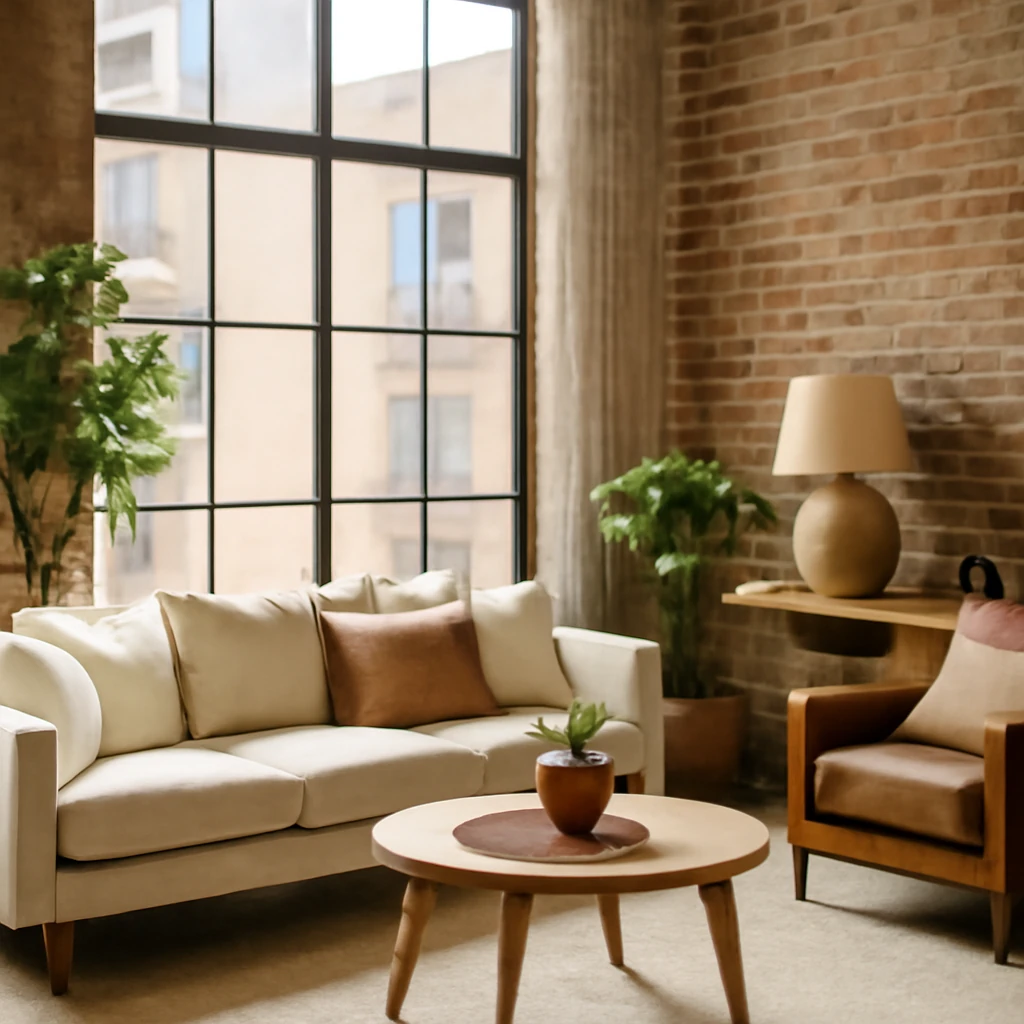
Origins of the loft aesthetic
The loft as an interior phenomenon emerged from late 1940s industrial cities, where factories and workshops relocated to outlying districts. Abandoned spaces in the urban core attracted bohemian residents - artists, writers, musicians - who transformed empty floorplates into ateliers and living spaces. The term loft itself comes from the English word loft, meaning an upper floor or mezzanine, and it began as a description for non-residential spaces repurposed for living. The alternative label “industrial” reflects a direct reference to the factory origins that inspired the early look.
The loft is born from the idea of space as a canvas: generous volumes, daylight flooding wide panes, and the conviction that function and craft can coexist with bohemian comfort.
Loft furniture: from necessity to design language
The earliest loft interiors were defined by scarcity - rooms with rough edges, exposed services, and imperfect finishes. Yet the generous floor area, lofty ceilings and large windows offered a liberating counterpoint to frugality, inviting a design language that celebrated honesty of materials and straightforward construction. In those beginnings, people repurposed available objects: salvaged barrels, steel pipes, repurposed timber and simple pallets became the building blocks of furniture. The result was furniture with a robust, industrial temperament: metal and timber, visible joints, and a fidelity to utilitarian form.
Today, loft-style furniture spans a spectrum - from rugged, handmade pieces that echo the origin story to sleek, contemporary interpretations that translate the same language into new-build apartments. In many European cities, this aesthetic has migrated from dedicated loft conversions to mainstream homes, where the look is achieved with a few well-chosen components rather than a wholesale renovation. The core idea remains: celebrate craft, embrace materials in their honest state, and allow the space to tell its own story through texture, proportion and light.
The loft today in Europe
Adaptive reuse and the European cityscape
Across Europe, many cities retain rich industrial legacies - warehouses, mills and railway sheds - that have been repurposed into homes, offices and cultural venues. The adaptive reuse of former factories often involves careful planning: upgrading structural systems, addressing energy performance, and ensuring building codes align with living standards while preserving the industrial essence. High ceilings, expansive windows and uninterrupted floorplates characterise many loft conversions, but the scale varies. Some residences retain generous openness, while others embrace subdivision to create more modest, liveable layouts. In urban renewal projects, architects and interior designers balance the raw, tactile appeal of exposed concrete, brick and steel with the warmth of timber, textiles and soft lighting to cultivate a comfortable, human-centric environment.
In contemporary European homes, loft-inspired interiors frequently appear within new developments too. Developers borrow the vocabulary - industrial beams, metallic hardware, matte black fittings, neutral palettes - while coupling them with modern conveniences and energy-efficient systems. The result is a look that feels both timeless and current: industrial texture tempered by everyday practicality.
Aesthetics: from raw to refined
The loft aesthetic in its truest sense embraces raw textures - bare concrete ceilings, brick walls, and exposed mechanical services. However, the modern European interpretation often softens these elements to create inviting homes that are suitable for daily living. Expect a restrained palette: dominantly black, grey and white, punctuated by earthy reds, warm browns and occasional greens or blues. The contrast between rough surfaces and polished finishes has become a signature move: a distressed brick wall paired with a sleek leather sofa, a concrete ceiling contrasted with a plush rug and textile soft furnishings. In many interiors, architectural details - such as oversized windows, steel columns, and painted ductwork - remain visible, but are tempered by textiles, artwork and lighting that bring warmth and tactility to the space.
Raw textures and finishes
The palette often roots itself in neutral tones, allowing the material truth to speak aloud. Key surfaces include:
- Concrete for ceilings or floors, either exposed or subtly polished to reduce glare.
- Brick walls - whether original or cladded - offer warmth and texture without overpowering the room.
- Timber accents in doors, floors or furniture to counterbalance cool, industrial surfaces.
- Metal hardware and structural elements - often in blackened steel - with a preference for square-section profiles.
- Glass and reflective surfaces to puncture surfaces with light and depth.
Designers prize the presence of physical defects such as intentionally visible welds, patina, or slight irregularities in timber because these imperfections narrate the space’s past life and celebrate material integrity.
Colour and finishes
The colour story for loft interiors is typically restrained. A monochrome base - charcoal, graphite, and graphite-blacks - grounds the space, while warmer neutrals keep it breathable. Brick or terracotta tones introduce warmth without compromising the sense of industrial honesty. Accent colours are used sparingly, often drawn from the natural world: the earthy brown of a patinated timber, the deep green of a garden-view window, or a soft blue to echo daylight and sky. The aim is to create a canvas on which furniture and textures can stand out and converse with light throughout the day.
Materials and construction
Loft furniture tends to replicate the principles of the original craft: robust, uncomplicated construction with visible engineering. Expect:
- Metal frames - typically blackened or brushed steel - with square cross-sections for shelves, tables and bed frames.
- Solid timber surfaces, often in weathered or smoked finishes to mirror industrial aging.
- Glass elements that keep lines light while preserving the honesty of the frame.
- Open or semi-open storage that reveals function - sandwiching practicality with aesthetic grit.
- Visible hardware - bolts, rivets and hand-forged brackets - that celebrate the machinery origins of the space.
Forms and silhouettes
In the original industrial setting, furniture favoured rugged, linear forms with an emphasis on strong, geometric shapes. Modern loft interpretations retain that angular, blocky vocabulary but translate it into consumer-ready scales for living rooms, bedrooms and kitchens. Expect squared edges, chunky legs, and modular configurations that can be rearranged to suit family life, entertaining or quietude. The result is a style that feels confident, tactile and unapologetically practical.
Loft furniture ideas for European interiors
In the bedroom: a steel-framed bed and pared-back storage
A bed frame crafted from steel or iron with a simple, industrial silhouette provides a strong focal point. The frame may be left raw, or lightly finished to reveal the metal’s character. Pair with a substantial timber or upholstered headboard for comfort, and keep surrounding storage low-profile and structural - think a low dresser with exposed drawer fronts or open shelving that doubles as bedside storage. The bedroom can remain a sanctuary within a largely austere environment by balancing the edge of industrial with soft textiles, warm lighting and layered textiles in natural fibres.
In the living room: angular sofa and open shelving
The living area benefits from an angular sofa with firm cushions in a neutral fabric or leather. The seating form should feel architectural, with a clear silhouette that remains comfortable for long evenings. Open metal or timber shelves, often forming a structural frame around a TV or display area, reinforce the industrial language while allowing books, plants and personal artefacts to mingle with the architecture. Rugs in natural fibres help soften the hard edges and provide acoustic warmth, while carefully chosen lighting - industrial pendants or wall-mounted task lights - adds depth and atmosphere.
In the kitchen and dining area: brutalist tables and open shelves
Loft-inspired kitchens frequently incorporate robust materials and utilitarian equipment. A brutalist dining table - thick timber or concrete with a heavy metal base - works well with open shelving or glass-front cabinets that avoid visual heaviness. Upper storage can be minimised in favour of floating shelves or open pewter-toned steel racks. The kitchen should feel clean and efficient, yet with a human scale that invites cooking and sociability rather than clinical sterility.
In the bathroom: timber and metal fixtures
Even functional spaces like the bathroom can echo loft aesthetics. A timber vanity with a metal frame, paired with concrete or stone sinks and matte black taps, creates a spatial dialogue between warmth and industry. Open shelving or niches in steel-and-glass can store essentials while maintaining a minimalist, utilitarian mood. Lighting should be soft and layered, so the bathroom remains welcoming rather than stark.
In the children’s room: bunk beds and flexible zones
A loft-inspired children’s room can be energetic without becoming chaotic. A bunk bed with a metal frame and clear lines provides a strong architectural read, while soft fabrics, cushions and a small reading nook add plush comfort. Open storage on metal frames keeps toys organised and visible, reinforcing a sense of order amid play. A wall or corner treated with studs or board-and-batten details can nod to the industrial lineage in a more playful, age-appropriate way.
Balancing lofts with comfort in European homes
Loft aesthetics thrive when comfort is woven into the industrial fabric. The most successful European loft interiors balance raw, honest materials with refined, human-scale furnishings and a considered approach to light. Here are practical strategies to achieve that balance:
- Layer textures for warmth. Pair bare concrete or brick with textiles such as wool throws, brushed cottons and soft rugs.
- Use lighting to sculpt space. Combine pendant lights over dining zones with wall-mounted or floor lamps to create pools of warmth in otherwise industrial spaces.
- Keep furniture proportionate. Oversized industrial pieces can dominate small apartments, opt for modular units and lighter screens to preserve openness.
- Introduce colour sparingly. A controlled palette - grays, blacks and whites with accents in terracotta, moss, or navy - prevents the space from feeling cold.
- Preserve daylight. maximise natural light with large, uncluttered window openings and minimal window treatments to maintain a bright, airy mood.
- Express personal history with materials. Use reclaimed timber, patinated metal and weathered textiles to create a layered, personal environment rather than a sterile showroom vibe.
Practical planning tips for a loft-inspired home
- Identify a focal point. A strong architectural element - such as a prominent steel beam, brick accent wall, or oversized window - should anchor the space and guide furniture placement.
- Define zones within open plans. Use furniture arrangements, area rugs and lighting to delineate living, dining and work zones without closing the space off.
- Choose the right scale of furniture. In modest apartments, select pieces with robust but compact silhouettes, avoid oversized credenzas that crowd the room.
- Embrace multifunctional pieces. A dining table can double as a desk, a bench can function as seating and storage, shelves can serve display, storage and room division.
- Balance raw with refined. Introduce softer textiles, upholstered seating or greenery to soften the hard edges and create a human-centred home.
Putting it together: a few final observations
The allure of loft interiors lies in their confidence: a celebration of honest materials, architectural form, and a lived-in sense of space. While the raw, industrial roots are compelling, the most successful European loft-inspired homes are not austere laboratories, they are warm, tactile environments that accommodate daily life. A loft can be the perfect backdrop for modern living, offering generous volumes, daylight and a flexible framework for evolving tastes and needs.
Conclusion: loft living as a design proposition for Europe
Loft-inspired interiors translate the energy and honesty of industrial spaces into homes that feel both contemporary and enduring. In European contexts, the look is reinforced by adaptive reuse projects, new builds that echo factory vernacular, and interior design strategies that temper rough textures with comfort and cross-cultural influences. The core principles are universal: respect material truth, celebrate craftsmanship, and create a space that invites daily life to unfold within a carefully considered framework. Whether renovating a former warehouse or styling a new apartment, the loft language offers a robust vocabulary to shape interiors that are practical, stylish and distinctly liveable.
You may also like these articles
 Renovation
Budget-smart Renovation: European Designer Secrets for a Modern Home
Practical, stylish renovation tips for European homes on a budget.
Renovation
Rethinking the Bedroom: Six Principles for a Healthy, Stylish Retreat
Six practical tips to create a healthy, stylish European bedroom.
Tips & How-To
Reading chairs for European living rooms: comfort, style and a practical guide
Find the perfect reading chair for European living rooms.