
Explore interior trends, AI design insights, styling guides and real transformations
Macramé in Interiors: Weaving Texture Through European Homes
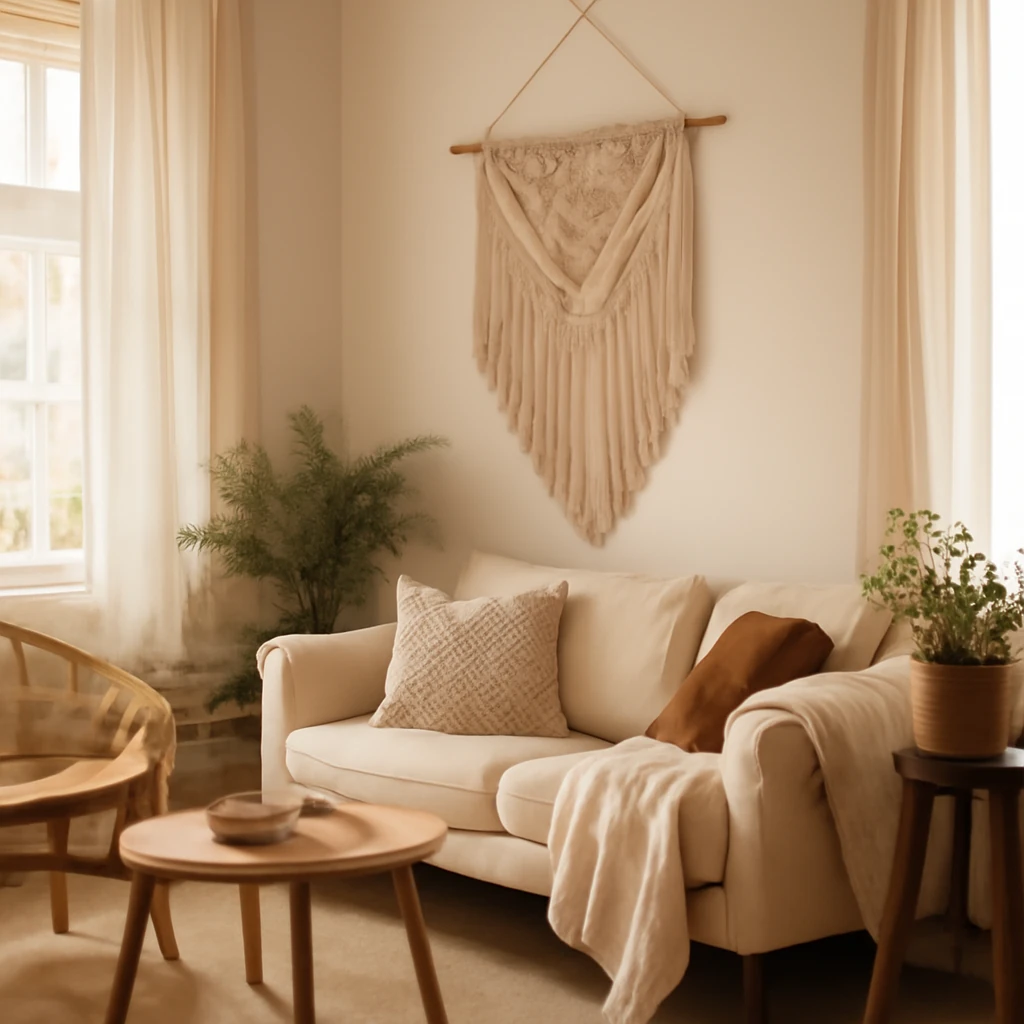
Macramé in interiors: a contemporary knot-work revival
Macramé has returned as a considered decorative language across European homes. Its appeal lies in tactile fibres, hand-tied textures and the way light interacts with knotted patterns. From compact city flats to sunlit rural houses, macramé can add warmth, softness and a sense of artisanal craft without overwhelming a room. This guide explores how to use macramé with confidence, outlining styles, practical ideas and care tips that suit a European design sensibility.
What macramé is and why it works in modern interiors
Macramé is the knot-based technique of tying cords and fibres to create objects with structure and texture. Traditional cords include cotton, jute, hemp and silk, while modern iterations often blend natural and synthetic threads for durability. The knots themselves - square knots, lark’s head, half hitch, and more - form patterns that read as body, rhythm and light-catching detail. In interiors, macramé serves both aesthetic and functional roles: soft visual weight for rooms with high ceilings, tactile warmth in cool schemes and lightweight furniture elements that can be moved with ease.
Historically, knot-based weaving emerged from maritime and handicraft traditions, evolving into a decorative language that can be subtle or sculptural. For contemporary European interiors, the appeal is twofold: the handmade quality conveys craft and sustainability, while the material truth of fibre lends a natural, versatile palette that adapts to many design directions.
When selecting macramé for a European home, consider fibre, colour, scale and the surrounding textures. White, ivory or warm taupe cords provide a classic, understated look that blends into minimalist schemes, bolder hues - deep blues, earthy terracottas or chartreuse - can act as a focal point in a neutral room. The technique itself remains timeless, but the context - room, light, furniture - determines whether it reads as calm, eclectic or punchy.
Suitable styles: how macramé translates across Europe
Macramé does not belong to a single fashion. It thrives when placed thoughtfully within a scheme. Below are four influential styles seen across European homes, with guidance on how to integrate knotted decor without disrupting balance.
Boho
The Bohemian approach is the most natural fit for macramé. Its roots lie in ethnic and artisanal influences, where natural materials, fibre textures and a free-spirited mix of colours create warmth and personality. In modern Boho interiors, macramé is often used to soften architectural lines and to infuse organic texture into light, airy spaces.
Key ideas:
- Natural tones underpin the aesthetic: white, cream, stone and muted greens.
- Relaxed layouts prefer generous scale and layered textures rather than rigid symmetry.
- Suggested pieces: wall hangings with soft fringe, large lampshades, woven cushions, and suspended seating or small round poufs.
In practice, Boho macramé can accompany light timber furniture, rattan screens and indoor plants to create a cohesive, sunlit atmosphere. It works well in living rooms and bedrooms where a human-scale touch softens strong architectural lines.
Contemporary
Contemporary design embraces visual calm and restrained expression. Macramé in contemporary spaces should act as a curated accent rather than a dominant motif. The emphasis is on quality of fibre, measured scale and a restrained colour palette that complements the room’s materials - stone, concrete, glass, timber and steel.
How to apply:
- Limit to 1–2 pieces per room to preserve clarity.
- Choose pieces with fine knots and precise workmanship in neutral or monochrome tones.
- Pair with textiles in similar tones and textures, such as linen sheers or a ramie rug.
In European contemporary homes, a single knotted wall panel or a streamlined lampshade can become a subtle focal point without overwhelming the space. The key is balance: the macramé piece should feel at home among contemporary materials rather than competing with them.
Scandinavian
Scandinavian interiors celebrate light, air and natural materials. Macramé integrates well as a tactile counterpoint to smooth wood, pale textiles and expansive windows. The Scandinavian principle of “less is more” translates into selecting one or two carefully made pieces rather than assembling a collection.
Practical guidance:
- Opt for understated pieces - soft natural cords, near-white or pale greys.
- Scale matters: keep knitted panels modest in size to maintain the room’s light, uncluttered feel.
- Consider a hanging planter or a simple wall panel as a gentle focal point near a seating area or above a bed.
In European homes with generous daylight, macramé must not appear heavy, instead it should feel like an invitation to touch and dwell. A single wall piece or a pair of small cushions can be a tasteful nod to the Scandinavian ethos.
Eclectic
Eclectic interiors relish juxtaposition, mixing styles, eras and textures to form a cohesive whole. Macramé can appear as a bridging element - softening a vintage sideboard, contrasting with crystal chandeliers, or pairing with contemporary metalwork and bold art.
Guidance for success:
- Establish a unifying thread - same fibre family, similar warmth of colour or recurring knot pattern - to connect disparate pieces.
- Balance is crucial: an ornate wall panel alongside sleek utilitarian furniture can work if the overall composition has a shared mood.
- Use macramé as a signature detail rather than a dominant feature to avoid visual overload.
In European eclectic homes, macramé can act as a tactile punctuation - an elegant lamp shade above a modern dining table or a large wall piece near a vintage cabinet - creating a dialogue between eras and textures.
What kinds of macramé pieces appear in interiors
Beyond the familiar wall hangings, macramé offers a wide range of decorative and functional objects. The following list presents a curated selection that translates well to European homes, from compact city apartments to generously proportioned houses.
Lampshades and lighting
A macramé lampshade can transform ambient lighting by projecting delicate patterns onto walls. In daytime, it creates a soft, sculptural silhouette, at night, it becomes a warm, intimate glow. Lampshades vary in scale - from compact pendant shades for kitchens to large ceiling fixtures in living rooms. Some designs incorporate beads or metallic accents for subtle sparkle.
Cushions and soft furnishings
A single knotted cushion or a set of pillow covers adds texture and warmth to sofas, beds and window seats. When coordinating with other textiles, choose cushions that echo the colour family of the room - earthy neutrals for a calm palette, or a brighter hue to act as an accent.
Throws and bed covers
Macramé throws or bed coverings deliver a light, breathable layer that softens the bed or seating area. They pair well with chunky knits, linen sheets and timber finishes, enhancing the tactile topography of a room without feeling heavy.
Table linens and napery
Delicate macramé placemats, napkin rings or runners bring a crafted feel to dining spaces. In contemporary homes, keep colours neutral, in more eclectic spaces, a hint of colour or a subtle ombre can elevate the table setting.
Wall panels and tapestries
Wall-mounted panels are among the most visible macramé expressions. Panels can be shaped - rectangular strands, leaf-inspired motifs or geometric forms - and finished in creamy whites or vivid colours to act as a room’s focal point or a quiet complement to art and furniture.
Mirrors and frames
Knotted frames around mirrors create a tactile boundary between reflective surfaces and surrounding textures. Using a robust fibre in a larger format anchors a mirror within a scheme, lending a handcrafted, artisanal feel to bedrooms and living rooms.
Dreamcatcher-inspired wall hangings
While rooted in different cultural traditions, dreamcatcher-inspired wall hangings can read as lightweight, decorative textile art in European homes. They work well in bedrooms, study nooks or reading corners where softness of form supports a restful mood.
Plant hangers and organisers
Plant hangers offer a practical way to maximise floor space while introducing vertical greenery. In compact dwellings, multiple hangers can create a green canopy above seating areas or near windows, where daylight nourishes both plant and fibre texture.
Rugs and floor coverings
Knotted rugs and small floor mats add warmth underfoot, define zones and introduce an accessible craft element to the floor. In bathrooms or entryways, a small knotted rug can provide a soft landing that complements porcelain and stone finishes.
Hammocks, chairs and poufs
Suspended seating and cushioned stools introduce a playful, relaxed quality to interiors. For European homes, consider installation height, weight capacity and the surrounding furniture to ensure safety and visual balance. Lightweight materials are ideal for balconies and sunrooms, where views are often the star feature.
Curtains and drapery
Macramé curtains can replace or layer over standard fabrics. They offer privacy while maintaining light filtration, and can be used to soften doorways or frame windows in living rooms and bedrooms.
Covers for vases and pots
Knotted covers wrap around vessels and planters, giving a handcrafted finish and protecting surfaces from scratches. They’re particularly effective in schemes that rely on natural tones and texture to convey warmth and tactility.
Other decorative pieces
Beyond the core items, macramé can be used to create decorative magazine holders, screens, hanging shelves and other organisers. Each piece contributes a hand-made touch and a sense of natural, breathable design that’s well-suited to European homes focused on quality and longevity.
How to incorporate macramé into your space: practical guidance
To make macramé feel intentional rather than decorative clutter, approach it like you would any other design element. Consider the room’s scale, light levels and the textures already present. The following guidance helps ensure macramé enhances rather than competes with other materials.
Proportion and rhythm
In rooms with high ceilings or generous wall space, larger wall panels or oversized lampshades can create a dramatic focal point. In smaller spaces, opt for smaller accents and a restrained number of items. Build rhythm by repeating similarly toned fibres or knot patterns at different scales, so the eye experiences a cohesive sequence rather than a random assortment.
Colour strategy
Fibre colour underpins how a piece reads within a room. Neutral cords in ivory, cream or soft taupe blend with most schemes, while slightly tinted cords - muted blues, greens or warm terracotta - can introduce a gentle accent. When used with bolder colours, ensure the macramé weaves into the surrounding palette rather than clashing with it.
Texture and material mix
Macramé pairs best with natural materials. Combine cotton with linen, wool, timber and stone, contrast with smooth surfaces such as concrete or glass to highlight the fibre’s tactile quality. A well-curated mix of textures prevents the room from feeling flat and creates a layered, inviting atmosphere.
Placement and lighting
Consider natural light levels when placing macramé pieces. In rooms with abundant daylight, white or pale cords can reflect light softly, in darker rooms, choose thicker constructions that cast subtle patterns and add warmth. A well-lit wall panel or pendant shade can transform evenings and set a welcoming mood for entertaining.
Room-by-room ideas
- Living room: a large wall panel above a sofa, a statement lampshade, and a couple of textured cushions to anchor the seating area.
- Bedroom: a delicate wall hanging near the headboard, lightweight curtains at the window, and a small pouf with a knotted cover for a gentle, tactile note.
- Dining area: a macramé shade over the dining table or a runner on the sideboard that softens reflections from glassware and metals.
- Home office: a modest plant hanger by the window and a small organiser that keeps cables and stationery looking tidy yet warm.
- Entry hall: a narrow wall panel to greet visitors with a crafted touch and a soft, indirect glow from a nearby light source.
Care, maintenance and durability
Proper care extends the life of macramé pieces and preserves their appearance. Most cotton and natural-fibre cords respond well to gentle cleaning, but check any maintenance notes from the maker. Practical guidelines include:
- Dust regularly with a soft brush or a vacuum with a brush attachment to avoid grit embedding in the fibres.
- Spot-clean with a mild soap solution and rinse with clean water, avoid soaking for long periods to prevent stiffness or distortion.
- Dry flat away from direct heat or strong sunlight to prevent fading and fraying.
- Store or fold smaller pieces with care, avoiding sharp creases that could weaken the knots.
For large, heavy pieces such as wall panels, inspect knots and connections periodically to ensure there is no sagging. If a piece shows signs of wear, consider re-knotting or replacing specific sections rather than discarding the whole object, aligning with sustainable design principles common in European interiors.
Materials: choosing fibres for European homes
Fibre choice determines feel, longevity and ease of care. Popular options include:
- Cotton: soft, breathable and yarn-friendly, ideal for light-coloured schemes and for items that require flexibility in shape.
- Jute or hemp: more rustic and textural, excellent for natural-colour palettes and robust pieces such as plant hangers or wall panels.
- Blends: cotton with synthetic fibres for added durability and less shrinkage, suitable for high-traffic areas or pieces that require greater rigidity.
- Linen: a cooler, smoother texture with a refined appearance ideal for contemporary spaces.
In European homes prioritising sustainable interiors, natural, undyed or softly coloured fibres are particularly appealing. When possible, opt for pieces made with responsibly sourced fibres and finished with low-impact dyes to align with modern eco-conscious living.
Sourcing, making and commissioning macramé in Europe
Europe offers a rich network of craftspeople and small design studios that specialise in knot-work and hand-woven textiles. Whether commissioning a custom piece or purchasing ready-made items, consider the following to achieve a durable result that suits your space.
- Work with a studio that provides clear material information: fibre type, thread count or thickness, knot types, and finishing details.
- Request a sample or a small test piece to assess how the fibre wears over time and how it ages with light exposure.
- Discuss scale and placement during design consultations to ensure the piece complements room proportions and furniture.
- Prefer modular items where possible: a modular wall panel or a lampshade with detachable cords enables easier transport and future reconfiguration.
- Consider maintenance needs and whether a stain-resistant finish is appropriate for the chosen environment.
For those who enjoy hands-on crafting, a beginner’s course or a guided online workshop can be a wonderful entry to macramé. In many European cities there are community studios and makers’ spaces where you can learn basic knots, understand fibre behaviour and complete a small project such as a plant hanger or a lampshade.
DIY quick-start project: a simple plant hanger
If you’re new to macramé, a straightforward plant hanger is a perfect starting point. It introduces essential knots and demonstrates how to suspend a pot safely, without needing sophisticated tools. The project below is deliberately concise and uses common materials widely available in European design stores and online platforms.
- Choose a natural fibre cord of about 4 to 6 mm thickness, for a 20 cm pot, a length of 2.1 m per cord is a good starting point.
- Cut four equal lengths and attach them to a round ring using a lark’s head knot.
- Create alternating square knots at evenly spaced intervals for 45–60 cm, then gather the cords to hold the pot and tie a final decorative knot.
- Slip the pot into a lightweight pot cover or wrap the cord to create a fitted cradle, then tie the ends securely to the ring.
- Hang near a window with filtered light and ensure the pot has adequate drainage and weight support.
As you gain confidence, you can experiment with different knots, add beads or weave in a second layer of cords for a more intricate look. This careful approach helps a newcomer understand the rhythm of macramé while delivering a useful, attractive result for your home.
Case study: a compact living room in a northern European city
In a 38–40 m2 flat, the client wished to introduce warmth without losing floor space or light. A single large wall panel in a soft ivory tone anchors the seating area, while a small hanging planter with a slim cotton cord adds life near the window. A low-profile lamp with a woven shade mirrors the panel’s texture, unifying the scheme. To avoid visual heaviness, the rest of the room relies on calm neutrals - stone, warm greys and pale timber. The result is a serene living space with a crafted, human-scale touch that remains adaptable for changing seasons or occasions.
Maintaining a timeless macramé aesthetic in Europe
Macramé works best when it is thoughtfully integrated and kept up to date with the rest of the interior. Regular rotation of cushions and small wall hangings can refresh a room without major change. When you wish to refresh a space, consider replacing a single larger piece or changing the colour of a few cords, rather than replacing multiple items. This strategy preserves the mood and character of the room while allowing the interior to evolve with minimal disruption and cost.
Conclusion: macramé as a refined, sustainable interior language
Macramé offers a handcrafted, tactile language that complements European interiors characterised by light, texture and natural materials. Whether used as a statement piece or a subtle accent, it creates warmth and immediacy in living rooms, bedrooms, dining spaces and beyond. By selecting appropriate fibres, scales and placements, macramé becomes a versatile design tool - supporting a calm, inviting environment that remains relevant across styles and seasons. Embrace the craft, experiment with scale, and let the threads weave a story within your home.
You may also like these articles
 Bathroom Design
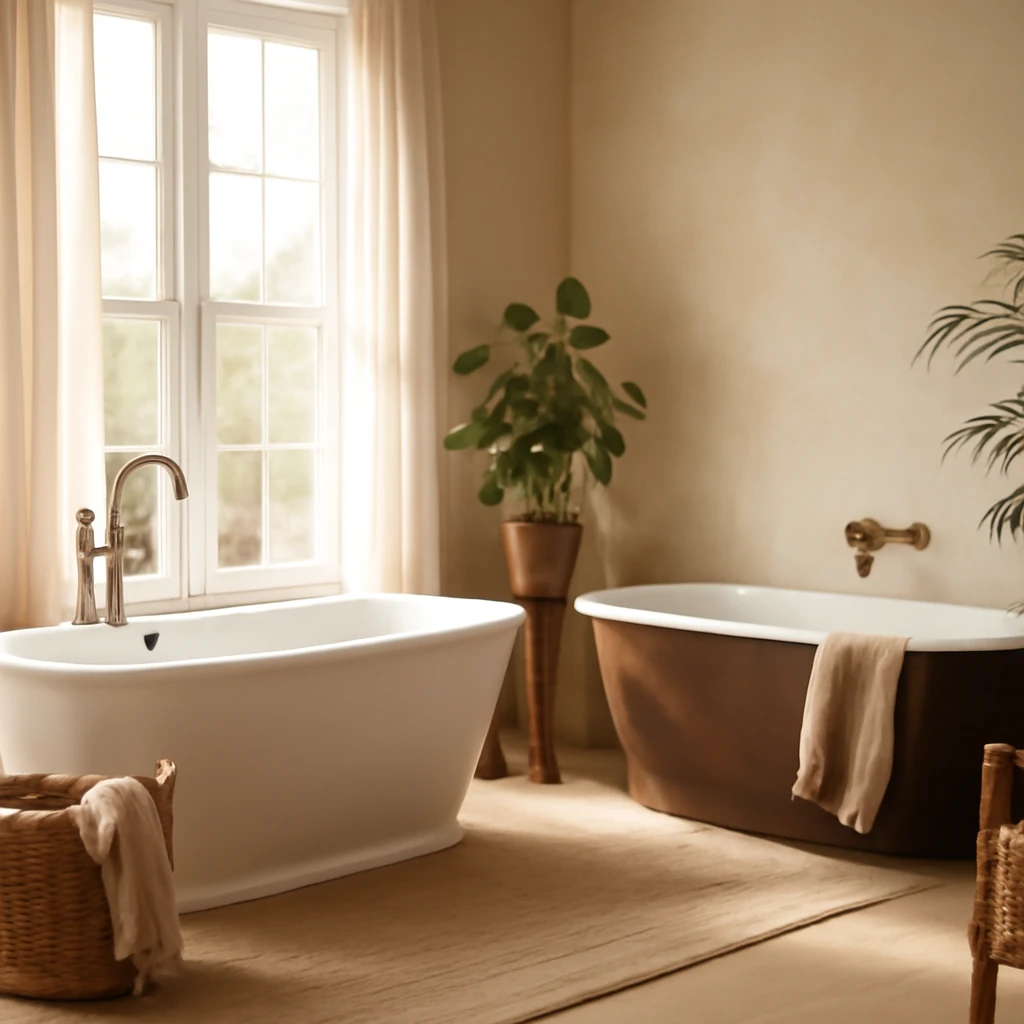
Acrylic vs Steel Baths: A Practical Guide for European Homes
A practical guide to choosing between acrylic and steel baths.
Tips & How-To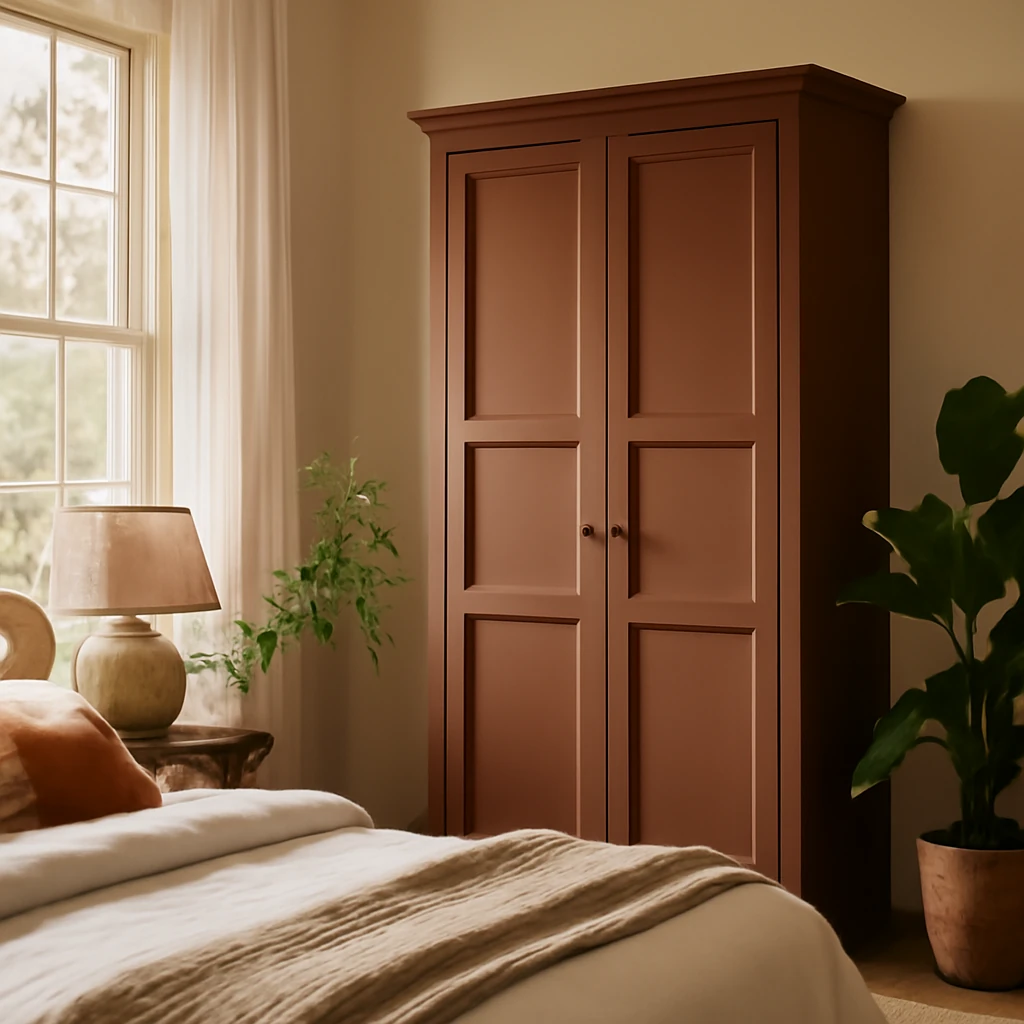
Colourful Wardrobes: A Practical Guide to Painting for Space and Style
Turn a plain wardrobe into a colour feature that enlarges space.
Tips & How-To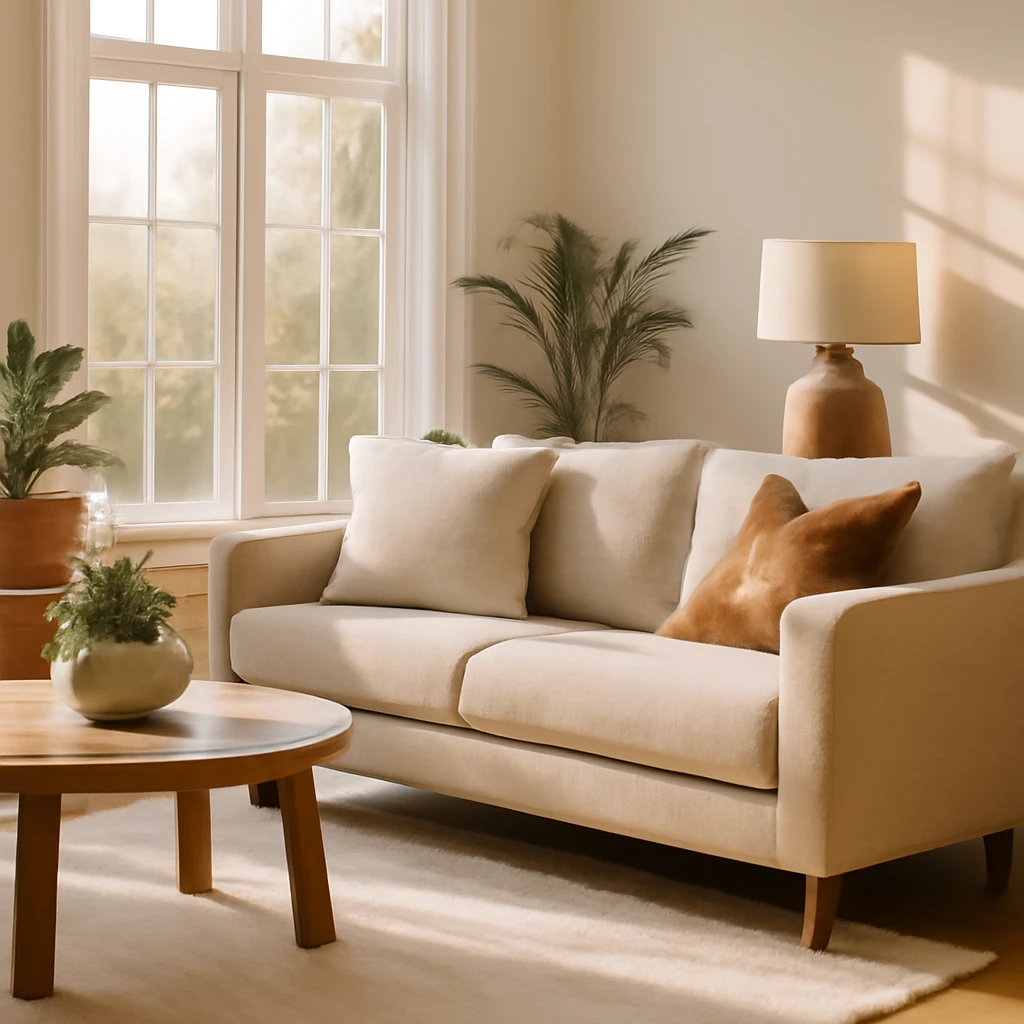
The Sofa Buyer's Blueprint: 8 Essentials for a Durably Stylish Couch
A practical guide to choosing a durable, comfortable sofa for European homes.