
Explore interior trends, AI design insights, styling guides and real transformations
Acrylic vs Steel Baths: A Practical Guide for European Homes
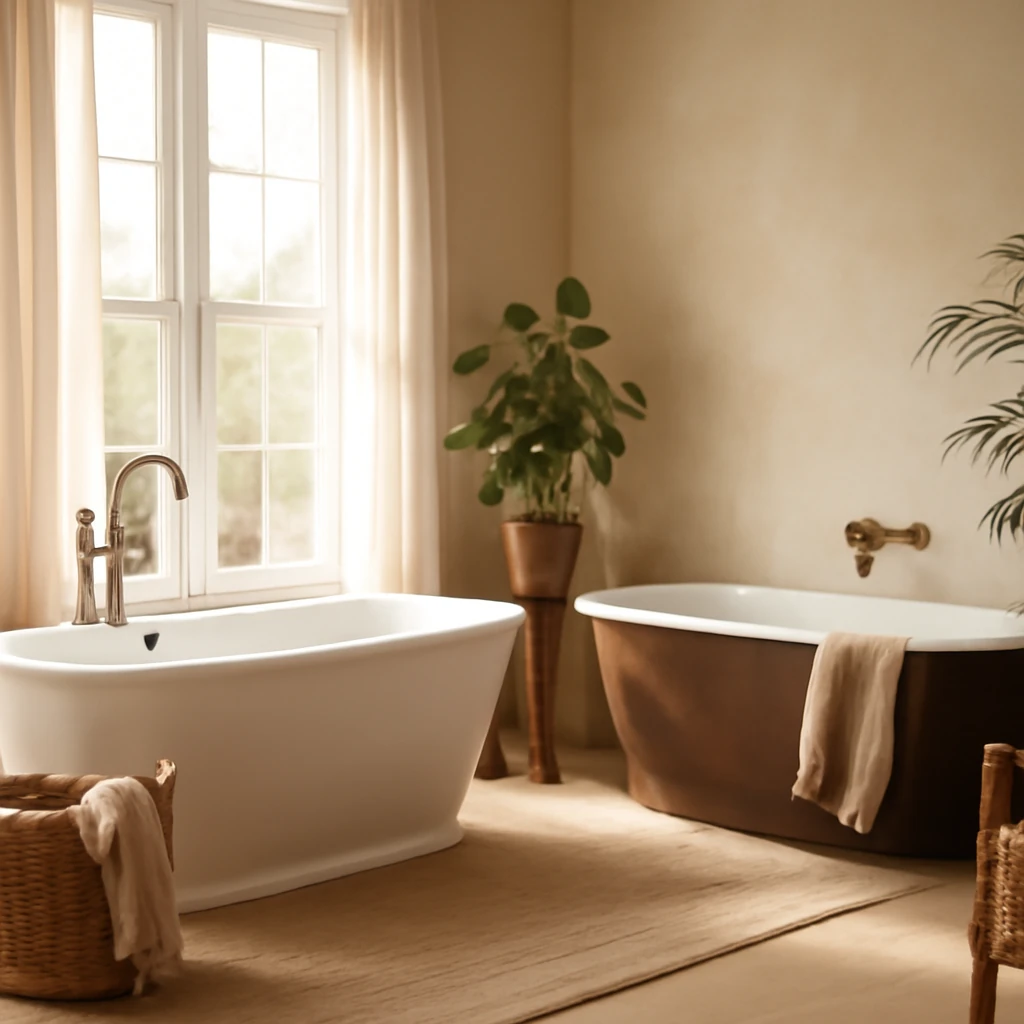
Introduction
When planning a bathroom refresh in a contemporary European home, the choice between an acrylic bath and a steel bath is more than a matter of appearance. It governs comfort, maintenance, installation practicality, and long-term value. In Europe, where apartments range from compact city flats to spacious wellness-inspired bathrooms, the material you select must work with floor structures, heating systems, and the rhythm of daily life. The decision is rarely straightforward because each material carries a distinct set of advantages and trade-offs. This guide distills the essential considerations, reframing them for common European living contexts - from compact urban dwellings to families seeking durable solutions for years of use.
Acrylic baths: lightweight versatility and design flexibility
Acrylic baths are manufactured by heating sheet-form polymethyl methacrylate and forming it into the desired shape. To ensure rigidity, manufacturers reinforce the walls and base with layers of fibreglass and resin, and in most designs a metal frame or chassis provides additional support. What makes acrylic so attractive in European bathrooms is not merely its price tag, but a combination of lightness, warmth to the touch, and the ability to carve more generous curves and compact footprints even in smaller rooms.
Key advantages include:
- Low weight – typical baths weigh around 30 kg, which eases transport, installation and, in multi-storey buildings, lifting by a single person when paired with a suitable installation plan.
- Sound reduction – water filling and flow generate less noise compared with metal finishes, contributing to a calmer bathroom environment.
- Resistance to corrosion and ease of cleaning – acrylic does not rust, and its smooth, non-porous surface resists mould and grime, making daily maintenance straightforward.
- Low thermal conductivity – water stays warmer for longer, so you can enjoy a comfortable bath without reheating water frequently, the surface also feels warmer to touch, a subtle but meaningful comfort in cooler European bathrooms.
- Design flexibility – the material supports a wide range of shapes, sizes and colours, enabling designers to tailor baths to unusual footprints or to accommodate ergonomic preferences. This is particularly valuable in compact flats or bespoke interiors where every centimetre matters.
- Non-slip and user-friendly finishes are commonly available, reducing the risk of slips when the surface is wet.
- Restorability – minor scratches or chips can be repaired with simple DIY touch-up methods, which keeps the bath looking fresh between professional refurbishments.
However, acrylic baths carry some caveats that warrant careful consideration:
- Lower ultimate rigidity compared with steel, although reinforced, a very heavy user or a significant impact can cause localized deformation if the bath is not properly supported.
- Temperature limits – sustained exposure to water above 60°C can compromise the integrity of the acrylic shell, particularly near the edges or where the craft has thinner sections. In households where scald prevention is important, practical water-temperature controls are essential.
- Chemicals and abrasives – aggressive cleaning agents and abrasive scrubbers can dull the surface over time or cause fine scoring, inviting bacteria or mould in the long run if not addressed promptly.
- Structural support – although weight is low, a well-engineered installation still requires secure anchorage or a frame. In older European buildings with uneven floors, additional reinforcement or a level sub-base may be necessary to avoid flexing or rocking, especially with larger baths.
Steel baths: durability, heat and a glossy finish
Steel baths sit on a thick metal shell, typically coated with a durable enamel glaze. This construction, sometimes with a foam or resin backing, yields a robust fixture that has graced bathrooms across Europe for decades. A steel bath brings a different balance of performance, weight and acoustics, which suits certain architectural aesthetics and practical requirements just as well as acrylic.
Advantages often highlighted for steel baths include:
- Cost efficiency – steel baths frequently come in at a lower upfront price than premium acrylic designs, making them attractive for project budgets or large-scale refurbishments.
- High heat tolerance – the material readily withstands hot water, cookie-cutter extremes of temperature, and daily use without significant distortion.
- Fast heating of water – steel’s warmth is quickly perceived as the bath fills, contributing to a satisfying user experience in quick soaks.
- Strength and longevity – when a steel bath is manufactured with a sufficiently thick wall (often 3 mm or more) and a high-quality enamel, it resists dents and maintains a glossy finish for many years.
- Elegant, enduring aesthetic – glossy enamel can deliver a crisp, reflective surface that looks contemporary in urban interiors as well as classic bathrooms, adapting well to a range of tiles and fixtures.
- Cleanability – enamel surfaces are non-porous and relatively easy to keep clean with standard bathroom cleaners, reducing maintenance time.
Yet steel baths come with their own set of considerations:
- Heavier bulk – the weight of a steel bath is a factor for floor load calculations and installation logistics, particularly on older buildings or timber-supported floors where structural assessment is prudent.
- Thermal dynamics – steel conducts heat quickly, so water tends to cool faster once the bath is drawn or water has cooled. This can be mitigated with insulating frames or thicker enamel and heat retention strategies, but it remains a practical consideration.
- Noise and vibration – water hitting the enamel on steel can generate a noticeable sound, especially with thinner shells. Some installations address this with under-bath insulating materials or generous timber frame work behind the wall.
- Enamel chipping and repair – while enamel is durable, impact or heavy use can chip the surface. Repairs are possible but may require professional resurfacing to restore a uniform finish in all areas of a busy family bathroom.
- Earthing and safety – in any metal bath installation, proper electrical earthing is essential for safety in the bathroom environment, aligned with local regulations and best practice for wet zones.
How to decide: key factors for European homes
Choosing between acrylic and steel is rarely a matter of one-size-fits-all. In Europe, where bathrooms vary from compact urban en-suites to spacious family rooms, a structured approach helps ensure the selection aligns with both architecture and lifestyle. The following factors often inform the decision:
- Design and footprint – if you require a generous soaking basin with soft curves or a freestanding look, acrylic offers more design flexibility. For a more restrained, traditional profile, steel can deliver a clean, enduring silhouette.
- Space constraints – in tight spaces, the ability to adjust the bath’s shape or choose compact forms is a strong argument for acrylic, which can be moulded into shallower profiles and integrated with surround panels for a seamless look.
- Load and structure – multi-storey flats or homes with older floor systems may benefit from the lighter weight of acrylic. However, if the floor is robust and a longer service life is desired with a proven enamel finish, steel remains an attractive option.
- Maintenance regime – for households prioritising quick cleaning and minimal upkeep, enamel-coated steel is resilient and easy to wipe down. Acrylic’s non-porous surface is also low-maintenance, but care must be taken to avoid abrasive cleaners on the surface.
- Thermal comfort – acrylic’s warmth to the touch and lower heat loss make it appealing in cooler European climates. Steel baths respond quickly to hot water but may feel less forgiving on cooler days without an insulating surround.
- Acoustic considerations – if you value a quiet experience when filling the tub, acrylic’s sound-damping properties can be advantageous. Steel demands careful acoustic detailing to reduce the effect of water splashes.
- Installation and access – both materials can be installed with modern fittings, but acrylic often integrates more readily with lightweight frames and modular bathroom schemes, which is helpful in renovations where access is restricted.
Practical guidance for European renovations
When undertaking a bathroom renovation in a European setting, practical planning can prevent budget overruns and ensure durability. Here are actionable steps to help homeowners and design professionals navigate the process:
- Assess the floor – confirm floor load capacity and consider reinforcing the subfloor if necessary. A heavy steel bath may require structural checks, especially on upper levels with timber joists or older construction.
- Plan the plumbing and drainage – align the bath shape with existing waste and supply lines to reduce disruption. In many European homes the taps are mounted on the wall or deck, ensure the chosen bath accommodates your preferred configuration.
- Consider underfloor heating compatibility – many modern bathrooms use underfloor heating. Acrylic baths are good at retaining warmth and may pair well with radiant floors, while steel baths benefit from proper insulation beneath and around the tub to maintain comfort.
- Address sound insulation – particularly in multi-unit houses, add acoustic protections around the bath area. this reduces noise transference between rooms and floors, a consideration that often influences choice between materials.
- Think about maintenance and appearance over time – European homes frequently undergo regular refresh cycles. An enamel finish on steel can sustain a crisp appearance with occasional refinishing, while acrylic surfaces are forgiving for colour updates or reconfigurations in the bathroom suite.
Care, maintenance and longevity
Both acrylic and steel baths can provide many years of service when properly cared for. Here is practical guidance to help you maximise longevity and keep your bathroom looking fresh between refurbishments:
- Cleaning routines – use non-abrasive, mild cleaners and a soft cloth for daily maintenance. Avoid aggressive powders or scouring pads that can scratch acrylic or dull enamel on steel.
- Chips and scratches – acrylic can be repaired by patching minor scratches with dedicated repair kits or professional refurbishment. For steel, chips in enamel may require a professional enamel repair or re-glazing, particularly if the underlying metal is exposed to moisture.
- Temperature management – avoid consistently exposing acrylic baths to boiling water and monitor water temperatures to protect the shells. In steel baths, the enamel is resilient but can be damaged by sudden temperature shocks or heavy impacts.
- Preventing mould and grime – maintain good ventilation in the bathroom to prevent mould growth in joints and around the bath edge. Clean sealants regularly to maintain a watertight installation.
- Regular checks – inspect the bath frame, mounting points and surrounding tiles annually. Ensure the bath remains level and that grouting and sealants are intact to prevent leaks and movement.
Quick specs: a practical comparison
For quick reference, the following table highlights typical characteristics. Values vary by brand and model, but the contrasts remain consistent across European markets.
| Aspect | Acrylic | Steel |
|---|---|---|
| Weight | ~30 kg (varies by size) | ~30–50+ kg (dependant on thickness and design) |
| Thermal behaviour | Excellent heat retention, warm to touch | Good but conducts heat quickly, can feel cooler initially |
| Durability | Rigid with proper support, prone to surface scratches | Very durable, enamel can chip if struck |
| Maintenance | Low maintenance, repairable scratches | Easy to clean, enamel finish requires careful care |
| Noise | Quiet under normal use | Can be louder, depends on installation and backing |
| Cost | Usually affordable, varies by form and size | Often competitively priced, wide range available |
| Installation | Versatile, compatible with frames and panels | Requires solid framing, robust supports recommended |
| Best for | Small to medium bathrooms, custom shapes | Traditional or contemporary bathrooms, high traffic |
Design and lifestyle: tailoring your choice to living arrangements
Ultimately, the decision between acrylic and steel baths should mirror the way you live. Families with children, households that regularly host guests, or homes with variable bathroom layouts may prioritise different factors than a single occupant or a property set for rental. Consider the following scenarios that reflect common European contexts:
- Compact city apartment – acrylic baths offer shape versatility to fit awkward footprints, with warm touch and easier installation. A shallow or corner-friendly acrylic model can maximise space while providing the appearance of a generous bathing nook.
- Family bathroom in a modern build – both materials work, but steel enamel can provide a robust workhorse option with a timeless finish. If the bathroom is frequently used by children, ensure the design features slip-resistant surfaces and user-friendly ergonomics.
- Heritage or renovated property – steel baths can align with traditional aesthetics and period fixtures, while acrylic options can mimic classic shapes with smoother lines that blend with contemporary tile schemes. The choice may depend on the surrounding architecture and the desired tonal palette.
- Budget-conscious project – initial cost considerations may tilt toward steel, however, if design flexibility and ease of installation are priorities, acrylic provides significant value with fast fit and broad colour options.
Conclusion: making a confident choice for European bathrooms
The comparison between acrylic and steel baths reveals two well-established options, each with a distinct character. Acrylic baths deliver generous design freedom, lightness, and warmth underfoot, making them a strong choice for compact spaces and custom layouts. Steel baths offer proven durability, a crisp enamel finish, and straightforward maintenance, with a weight and environmental footprint that appeal to many renovation projects. In the end, your decision should cross three lines: how the bath fits your space, how it supports your daily routine, and how it ages within your bathroom aesthetic and budget.
“When renovating a European bathroom, think not only about the moment of purchase but also about the path of care, access, and future updates. A well-chosen bath can anchor a room for years.”
Final considerations for a successful installation
To ensure the chosen bath delivers on its promises, plan with a professional approach. Engage a qualified installer who understands local regulations, especially pertaining to electrical earthing in wet zones, drainage alignment, and furniture integration. Request a complete installation plan that includes:
- Detailed floor assessment and any needed reinforcement
- Clear mounting and support specifications for the bath type
- Water supply and drainage layouts aligned with the chosen model
- Acoustic detailing to minimise sound transmission from the tub area
- Accessible maintenance paths and service access for future refurbishments
Helpful reminders for homeowners
Before finalising orders or commissioning work, keep these practical reminders in mind:
- Measure carefully and compare the actual footprint of the model with your space plan to avoid overhangs and crowding near taps and shower enclosures.
- Choose a finish that harmonises with your tiling, taps, and storage solutions to create a cohesive bathroom palette.
- Factor in ergonomic features such as armrests, internal seating, or a stepped edge if accessibility or comfort is important for adults or elderly occupants.
- Plan for a long-term perspective. Consider aspects such as the potential for refurbishing or replacing the bath without major remodelling.
Both acrylic and steel baths offer compelling advantages for European homes. By aligning material properties with the architectural context, family routines, and renovation budgets, you can achieve a bathroom that remains both beautiful and functional for years to come.
You may also like these articles
 Tips & How-To
Epoxy Resin in European Interiors: Ideas, Techniques and Projects
Versatile epoxy resin ideas for stylish European homes.
Kitchen Design
Designing the Perfect Kitchen Island: Practical Size, Shapes and Styles for European Homes
Plan a kitchen island that fits European homes and everyday life.
Interior Design
English Style in Interiors: Five Defining Features
A European guide to recreating cosy English style with five timeless features.