
Explore interior trends, AI design insights, styling guides and real transformations
Mediterranean Flair for European Interiors
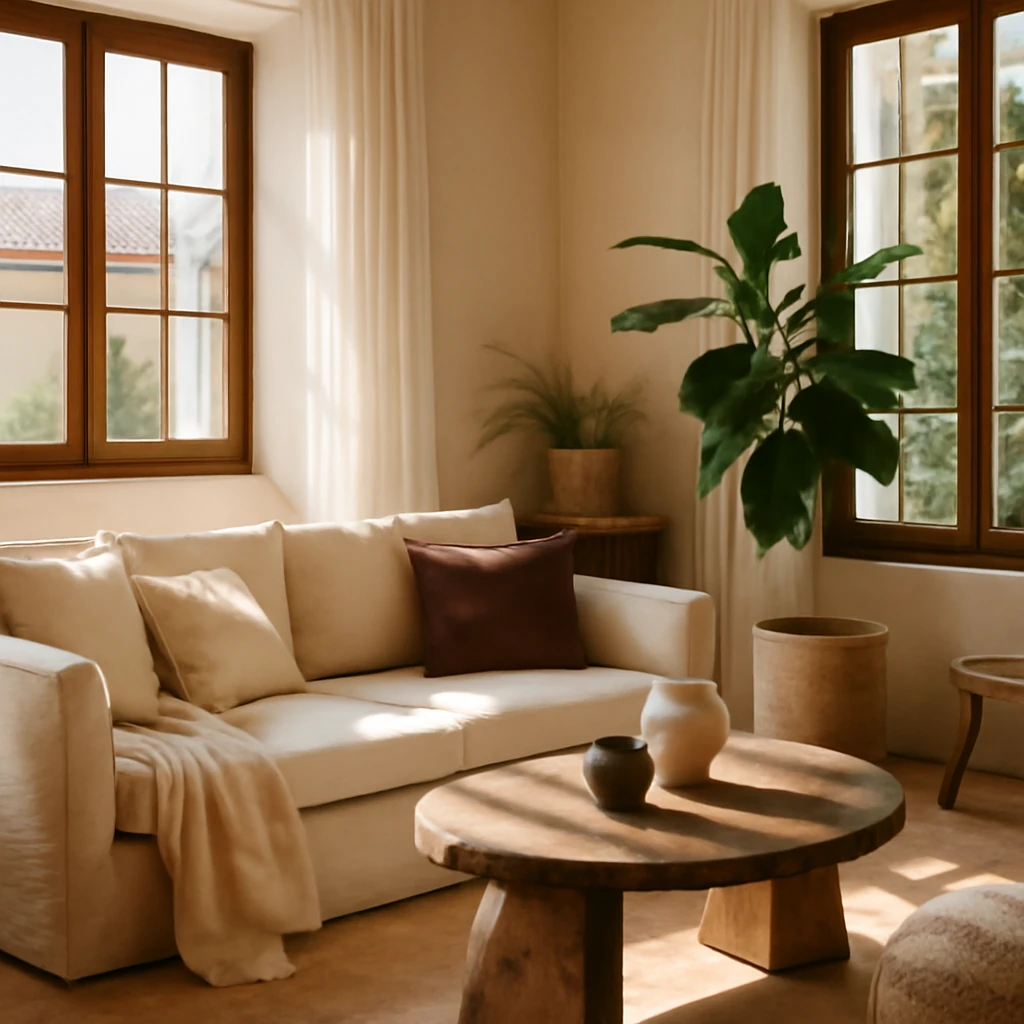
Bringing Mediterranean warmth to European interiors
In many European homes, the Mediterranean interior style translates into a language of light, texture and effortless comfort. It draws on the sun-drenched landscapes of Greece, Italy and Spain and blends with modern living to create spaces that feel relaxed yet refined. This feature explores how to interpret the region's hallmarks in a contemporary European context, offering practical guidance on materials, colours, architecture and room by room applications without relying on climate extremes or regional brands.
Why Mediterranean interiors feel at home across Europe
The origin of the Mediterranean look lies in simple, durable spaces designed for warmth and breezes. Whitewashed walls, clay floor tiles, exposed timber, and curving arches were traditional responses to sun and heat. In modern European homes, these ideas are less about climate predication and more about atmosphere: bright, breathable rooms that blur the line between inside and out. The style is inherently adaptable, combining rustic authenticity with polished details to suit city apartments, coastal villas and suburban houses alike.
Regional flavours within a common language
Over centuries the Mediterranean has absorbed influences from European and neighbouring cultures. In practice, this means that Italian country houses read through arches, terracotta, and mirrors, Greek homes celebrate white walls, blue accents and ceilings with decorative detail, Spanish interiors lean into warmth and craftwork with abundant wood, ceramics and wrought iron, North African and Levantine touches appear in intricate tilework, jewellery-like metal, and saturated colours. The common thread is a respectful mix of natural materials, sun-washed colour, and spaces that feel chosen rather than staged. In Europe, the Mediterranean look is less about replication and more about interpretation that sits comfortably with contemporary furniture and technology.
The core characteristics
To capture the Mediterranean mood in any European home, begin with a few essential characteristics:
- Generous spaces and openness – large, airy rooms or the perception of space through light and arrangement.
- Outdoor-inspired connections – terraces, balconies or internal patios that invite air and light.
- Light, natural palette – neutral bases with warm undertones, offset by sea and sky accents.
- Natural materials – stone, ceramic, terracotta, wood, cork and wicker.
- Coastal and botanical motifs – ceramics, ropes, shells, woven textures and leafy greenery.
- Simple, durable furniture – solid wood pieces, light upholstery, and woven seats.
- Natural décor – terracotta pots, ceramic vessels, textiles with geometric or regional patterns.
Regional flavours and how they translate in practice
Italian inspiration - arches and light reflections
Italian Mediterranean spaces celebrate warmth through colour and texture. The palette leans towards warm neutrals such as sand, limestone and olive, with accents of terracotta, ochre or rustic red. Doors and windows often feature gentle arches, and interiors are rich with mirrors, glass and coloured glass for light play. In Italian-inspired schemes, you will frequently see lustrous surfaces paired with rustic furniture, where antique or modern pieces mingle to create a sense of timeless luxury rather than overt opulence. The emphasis is on warmth, comfortable scale and a curated display of art and pottery.
Greek influence - cool blues and light architecture
Greek interior aesthetics rely on a luminous backdrop of whitewashed walls set off by seaside blues and turquoise. Ceilings may feature decorative detailing such as mouldings or painted beams, and architectural elements are used to elevate the sense of space. Furniture tends to be pared back and functional, with textiles and ceramics carrying Mediterranean character. Expect ceramic pottery with coastal motifs, low-relief friezes, and baskets or woven stools that recall island life. The effect is crisp, refreshing and soothing, with a focus on light, air and honest materials.
Spanish warmth - craft and colour
Spanish interiors celebrate warmth and craftsmanship. The palette veers toward sun-drenched reds, oranges, ochres and terracottas, balanced by white or cream walls. Carpentry and metalwork become evident through decorative ironwork and carved wood. Decor often includes handmade items such as ceramic plates, vases and woven textiles. Fireplaces and hearths can anchor a room with a sense of family gathering and conviviality. The overall mood is energetic yet grounded, blending rustic practicality with refined detailing.
North African and Levantine echoes - colour depth and pattern
Across the Mediterranean the influence of North Africa and the Levant adds a layer of colour depth and ornamental detail. Expect saturated hues, geometric tile motifs and arch-inspired niches. This strand sits comfortably in European homes when used as accent walls, tiled sections, or a feature piece - never overwhelming the space. Decorative screens, carved plaster, brass or bronze hardware and hand-crafted textiles bring a tactile, artisan quality that harmonises with modern furnishings.
How to create the Mediterranean look in practice
While grand, open-plan spaces feel the most natural home to the Mediterranean look, thoughtful design makes it possible to realise the style in modest dwellings and apartments too. The key is to focus on materials, light, and measured decoration that respects the room’s scale and climate strategy. This approach works equally well in northern and central European climates, provided you consider shading, ventilation and heating in the plan.
Colour as a light, natural language
Colour forms the backbone of the Mediterranean interior. Begin with a base of warm neutrals - creams, soft beiges, stone greys and pale sands. These hues reflect light and give the space a calm, sunlit atmosphere. Build depth with subtle variations of ochre, taupe and olive. For accents, select a restrained palette drawn from the sea and sky: marine blues, Mediterranean aquas or terracotta tones. The contrast should be gentle, never shouty, so the space retains a refined mood while feeling inviting and lived-in. In rooms with limited natural light, introduce colour through textiles, ceramics and art rather than large painted surfaces to avoid overpowering the space.
Materials that age gracefully
The tactile language of the Mediterranean is rooted in natural, durable materials that endure daily life. In Europe the typical toolkit includes:
- Stone and tile for floors and walls, including terracotta and ceramic tiles in standard European sizes such as 20 by 20 cm or 30 by 60 cm for versatility. When climate or maintenance demands it, consider porcelain or stone-look ceramic as a practical substitute with authentic textures.
- Wood for structural elements and furniture, especially low-emission solid wood or high-quality veneer. In kitchens and dining areas, timber surfaces benefit from protective seals that tolerate humidity and heat.
- Plaster and lime plaster for walls and decorative ceilings. Lime plaster offers breathability and a softly textured finish that pairs well with antique or contemporary surfaces.
- Metal and brass accents in hardware and light fittings add warmth and a touch of vintage Mediterranean glamour.
- Textiles in natural fibres such as linen, cotton, wool and jute. These fabrics mellow the room and enhance comfort without overpowering colour.
Architectural cues that define the look
In modern Europe, you may not have old stone villas, but you can emulate the feeling through smart architecture and detailing. Consider:
- Exposed timber beams or faux beam details to create a rustic frame for a room. If visible ceilings are impractical, mimic the effect with paint or textural plaster and a pale hue to add depth.
- Arches and curved forms in doorways or niches. If structural archways are not possible, use arched mirrors, alcoves or curved shelving to evoke the silhouette.
- Whitewashed or warm-toned walls with occasional textured plaster panels or decorative finishes, such as Venetian plaster for a hint of luxury.
- Natural stone or stone-look tiles on floors or feature walls to anchor the space and evoke regional landscapes.
Furniture that speaks of simplicity and comfort
Mediterranean-style furniture tends to be straightforward in form and functional by design. Think robust timber frames, wide armrests, generous seat cushions, and linen or cotton upholstery in light colours. A signature piece a carved console, a woven rattan chair, or a planked dining table can anchor a room while leaving ample space for social life. Introduce character with a few carefully chosen accessories rather than an abundance of items. In European homes, scale and proportion matter as much as texture and colour.
Lighting the way to warmth
Lighting in Mediterranean interiors is layered and responsive to the architecture and climate. The aim is to create a luminous environment without glare, with soft pools of light for evening gatherings. Key strategies include:
- Natural daylight is celebrated by avoiding heavy window coverings, if shade is needed, use light, breathable fabrics or adjustable shutters rather than dense drapes.
- Layered artificial lighting combines ceiling fixtures, wall sconces, floor lamps and table lamps to define zones and moods. Brass-toned hardware or glass with coloured accents adds a timeless feel.
- Warm textures such as candles, lanterns and fabric lantern covers to soften surfaces and create ambiance.
Décor and textures that finish the look
The Mediterranean is a language of texture and craft. The right mix of objects speaks of place without shouting. Consider these elements:
- Ceramics and pottery in blues, whites and earthy glazes, displayed on open shelves or in vitrines. They can be contemporary or rustic but should feel authentic and well-proportioned.
- Tilework and mosaics as accents or as a feature on a wall or floor. A patterned border in a kitchen or bathroom, or a tiled niche, can add character without overwhelming the room.
- Metalwork in aged brass, bronze or blackened iron for lighting, hardware and decorative screens.
- Textiles in linen and cotton with geometric or elemental motifs. A woven throw, embroidered cushion or kilim-inspired rug can unify a scheme.
- Plants and natural elements such as olive trees, lavender, rosemary or citrus in pots. Greenery brings life and scent, bridging indoor and outdoor living.
How to apply the style in rooms across the home
Living room - a welcoming stage
The living room is where the Mediterranean look can take centre stage. Aim for a light, airy base with a comfortable seating arrangement that invites conversation and lingering. A large sofa in a natural fabric such as linen, paired with a couple of companion chairs and a substantial wooden coffee table, creates a grounded focal point. Introduce warmth and personality with cushions in muted blues, sage, terracotta and warm metallic accents. A roughly textured rug can anchor the seating area and add softness underfoot. Finally, use curated art or ceramics to tell a story about place and craft without overwhelming the space.
Bedroom - calm and tactile sanctuary
In bedrooms the Mediterranean language runs through textiles and finishes rather than through colour alone. A large bed with a carved or wrought-iron headboard forms a restful anchor. Keep furniture to a minimum to preserve calm and airiness, with practical bedside tables and a chest of drawers in warm, natural wood. Textiles should be soft and breathable - linen sheets, cotton duvets, and a light throw to add texture. Add a rug with a geometric or abstract motif and a few decorative items that reflect a coastal or rustic sensibility. The ceiling could feature exposed beams or a painted detailing to reinforce the Mediterranean mood even in a compact space.
Kitchen - abundance of ceramics and warmth
The kitchen provides a stage for craft-inspired materials. Use tile or ceramic on floors and walls, with a work surface in natural stone or a stone-look alternative. Upper cabinets can be white or lemon-leaning to brighten the space, while the island or dining table uses warm timber. Open shelving can display pottery and glassware in earthy tones. Use handmade ceramics as decorative objects and as everyday kitchenware, and keep storage practical with built-in units or well-organised freestanding pieces. A plant or two brings life, while an open, clutter-free zone makes this room the heart of the home.
Bathroom - cool yet indulgent
Bathrooms in the Mediterranean style feel fresh, bright and timeless. Large-format tiles in white, ivory or soft blue help to create a clean, serene look while layering with mosaic or small-pattern accents for warmth. Consider natural stone vanity tops, brass or bronze fittings with timeless geometry, and a frameless mirror. Plants or natural textures in baskets can soften the space, while a feature wall in decorative plaster adds depth. The goal is a spa-like atmosphere that remains comfortable and practical for daily routines.
Hallway and entrance - welcome with texture
The entrance is the first impression of the home. Use a console with carved details or a woven bench to create utility and character. Consider a tiled or stone floor that transitions smoothly from the outside to the inside. Mirrors can amplify natural light and create visual depth, while baskets and natural fibre storage keep clutter at bay. A little greenery near the door signals hospitality and the Mediterranean mood from the moment you step inside.
Outdoor living - extend the home
Terraces, balconies and courtyard spaces are essential to the Mediterranean look. Use durable outdoor furniture in weather-resistant timber or wicker, with fabrics that resist sun and moisture. A shaded seating corner near a plant-filled pot collection invites daily relaxation. A small herb garden or potted olive tree can connect the indoor climate to the outdoors, while a ceramic or terracotta-tiled floor offers continuity with interior spaces. In Europe, outdoor spaces often function as an additional room, design them with the same care as indoor rooms and incorporate lighting, rain protection and seasonal textiles to create an all-season zone.
A practical Mediterranean checklist for European homes
Adopting a Mediterranean look in Europe relies on a measured approach. Use the following guide to keep the concept coherent across spaces and seasons:
- Choose natural materials for key surfaces and accents, prioritising stone, ceramic and timber with timeless finishes.
- Keep the base palette light and warm, then employ a careful selection of regional accents drawn from coastal environments.
- Introduce texture and pattern through ceramics, tile mosaics, textiles and wicker, avoiding over-decoration.
- If climate or layout requires heating or cooling adaptations, plan for underfloor heating or well-placed rugs to maintain comfort without sacrificing style.
Final thoughts
The Mediterranean interior offers a flexible, enduring language for European homes. It honours craft, nature and light, providing a refuge that feels both timeless and current. By focusing on materials, light, and thoughtful detail, you can craft spaces that radiate warmth and hospitality whether you live by the sea or in a city flat. The essence is not a fixed set of rules but a mindset: to design with care for the way people live, move and gather, in harmony with climate, architecture and the surrounding landscape.
You may also like these articles
 Small Spaces
Wardrobe partitions: smart zoning for European homes
Smart wardrobe partitions transform small European homes.
Tips & How-To
Dressing a Sofa with Throws: A Modern European Guide
Master the art of layering throws on sofas for chic European interiors.
Small Spaces
Smart design for a 20 m² European studio: living well in a compact space
How to make a 20 m² studio feel spacious with smart layouts and storage