
Explore interior trends, AI design insights, styling guides and real transformations
Creating a European Winter Garden: Design, Materials and Practical Ideas
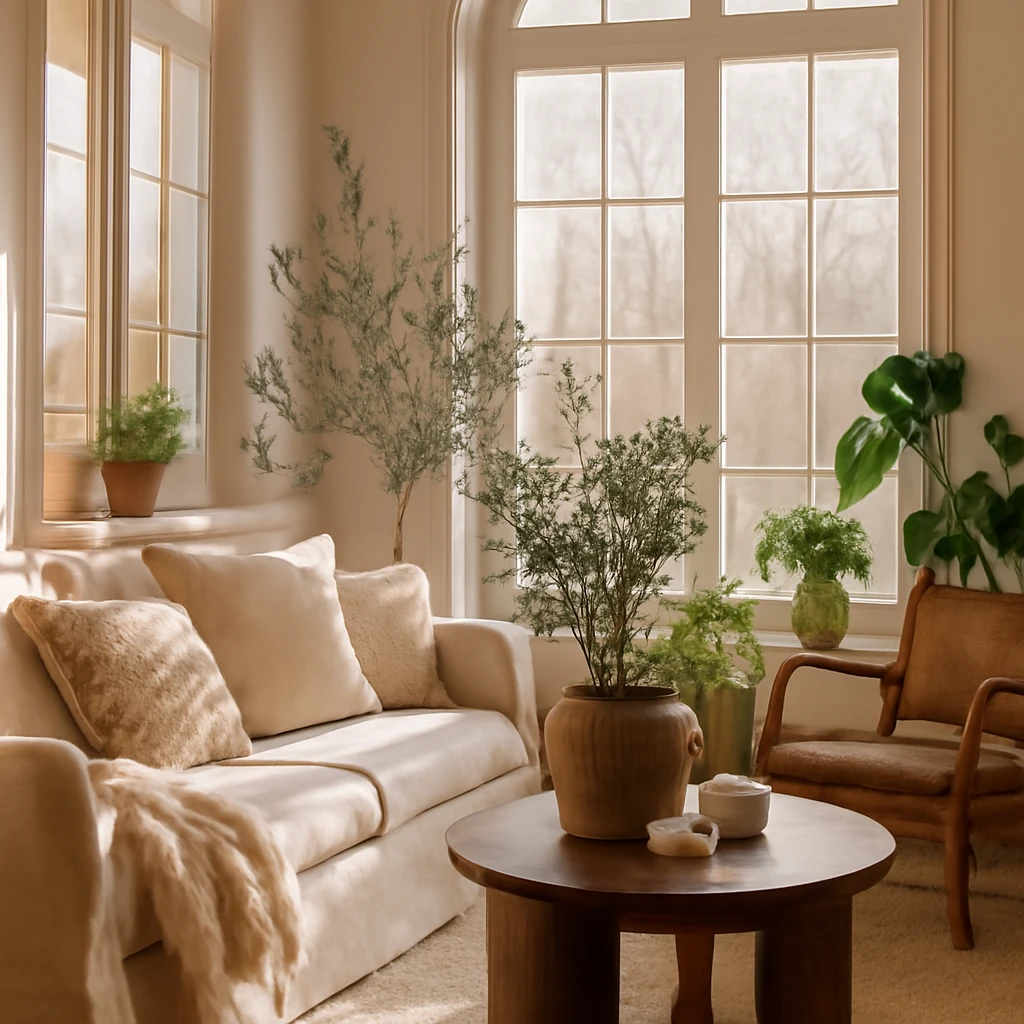
Winter gardens for European homes: design, materials and ambient living
Across Europe, homeowners are discovering how a properly planned winter garden can extend the sense of light, warmth and greenery far beyond the summer season. A well-executed conservatory or sunroom functions as a year‑round living space, elegantly connecting indoors with the outdoors while providing a controlled microclimate for plants and people alike. This article offers a practical, design‑led overview of how to conceive, build and style a winter garden in a contemporary European home, with careful attention to location, structure, materials and sustainable operation.
Types of winter gardens and their characteristics
Winter gardens come in several distinct configurations, each with its own opportunities and constraints. Understanding the options helps recognise what fits your site, budget and lifestyle.
- Buffer or sunroom. This is a glazed transition space attached to the main house, often used as a sheltered seating or dining area. It benefits from existing heating and insulation systems, making it a practical year‑round retreat that does not require full independent climate control.
- Residential winter garden. An interior extension that can be fully or partially glazed, designed to host living spaces - such as a lounge, dining zone or a cosy reading corner - while maintaining a comfortable microclimate for plants. The space is integrated with the home’s services but can still achieve a distinct atmosphere through materials and planting palettes.
- Greenhouse winter garden. A purpose‑built, climate‑controlled structure aimed primarily at horticulture. Large glass expanses or polycarbonate sheets create a bright, almost botanical atmosphere and allow for a high degree of environmental control. This option frequently includes walkways, seating alcoves and landscaped borders to create a multifunctional sanctuary.
Within each category, the balance between indoor comfort and outdoor feeling depends on glazing choice, thermal performance and how the space connects to the rest of the home. The European context - with varying climates from Mediterranean warmth to northern chill - rewards a design that emphasises energy efficiency, daylight, and year‑round usability.
Planning and placement: where to locate your winter garden
Placement is the single most important design decision for a winter garden. A well‑positioned extension minimises heating load while maximising daylight, solar gain in colder months and the sense of opening onto nature. Consider these guiding principles when planning site and orientation:
- Maximise southern exposure. A southerly or south‑east facing bay or extension receives more consistent daylight and heat from the sun’s arc, reducing heating requirements and helping plants thrive during winter.
- Control heat through orientation. North‑facing or shaded positions can still work for a greenhouse or sunroom, but may require higher thermal performance and supplementary lighting to keep a stable climate.
- Edge of the house as a bridge. Positioning the winter garden at the outer edge of the dwelling, rather than burying it deep inside, tends to reduce heat loss and allows glazing to contribute to the thermal envelope rather than becoming a heat sink.
- Connection to living spaces. A visual and tactile link to the home’s primary rooms encourages daily use. Consider an open threshold or glazed doors that can be closed for climate control without breaking the sense of continuity.
In practice, a European home often benefits from combining a compact verandah with a larger greenhouse module. The verandah provides seasonal protection and a transitional mood, while the greenhouse delivers the brightness and horticultural capacity that characterise a winter garden.
Materials and construction: durability, light and efficiency
The choice of materials defines the space’s character, thermal performance and longevity. In contemporary European projects, materials are selected not just for aesthetics but for how they perform across seasons, how easy they are to maintain, and their environmental impact.
- Glazing. Glass remains the reference material for high daylight transmission and clarity. Modern low‑emissivity (low‑E) glass reduces heat loss in winter and glare in summer, while enabling comfortable year‑round use. For more diffuse light or budget considerations, high‑quality laminated or tempered glass can provide additional safety and sound insulation.
- Polycarbonate. This light, tough alternative offers excellent impact resistance and insulation, with a warmer feel and fewer weight burdens than glass. It can be a smart choice for larger roof structures or regional building codes with solar glare concerns. Expect slightly reduced daylight transmission and potential surface scratching over many years.
- PVC or aluminium framed panels. Modern profiles emphasise thermal breaks and airtight joints. PVC systems tend to be cost‑effective and easy to install, while aluminium frames offer superior strength and slimmer sightlines, often preferred for a contemporary look in European cities.
- Oriented acrylic and composite panels. Acrylic sheeting provides flexibility for curved forms and unusual geometries, with respectable light transmission. Heavier composites may be used for external cladding or wind‑screening in exposed locations.
Whichever materials you choose, ensure the structure complies with local building regulations and integrates with the home’s insulation strategy. A well‑engineered base, robust glazing joints and a balanced roof to wall ratio are essential to reduce thermal bridging and wind infiltration.
Climate control: heating, ventilation and lighting
A winter garden thrives when artificial systems work in harmony with natural dynamics. Climate control is not merely about keeping a pleasant temperature, it’s about supporting plant health, human comfort and energy efficiency.
Heating. Depending on size, orientation and the building’s existing thermal envelope, heating options range from underfloor heating to radiators placed under wide window parapets. For small to medium spaces, radiant floor systems paired with programmable thermostats offer a comfortable baseline and minimal visual intrusion. In larger conservatories, zone heating lets you prioritise human comfort in seating zones while plants benefit from milder microclimates near glazing.
Ventilation. Adequate ventilation is crucial to prevent condensation and maintain air quality. A combination of passive ventilation (windows positioned for cross‑flow) and mechanical systems (low‑noise extractors or ceiling vents) keeps humidity in check and helps deter fungal issues in humid months. Automated ventilation linked to a climate sensor can preserve the space’s aesthetics while maintaining steady comfort.
Lighting. Daylight is the engine of a winter garden, but supplementary lighting is essential for plant growth and evening ambience. Use a layered lighting strategy: ambient ceiling or wall lights for general illumination, task lighting for seating areas, and grow lights or spectrum‑adjusted lamps for dedicated plant zones. In darker European winters, tall plant‑friendly fixtures with a diffuse glow help create a cosy, hospitalities‑driven atmosphere without glare.
Irrigation. Efficient watering becomes critical in enclosed environments. A drip irrigation system fed by a reliable mains supply or a rainwater harvesting setup can keep plants hydrated while minimising waste. Pair irrigation with a soil moisture sensor to avoid overwatering and ensure optimal root conditions for a range of species.
Planning plant groups and micro‑zones
One of the joys of a winter garden is the ability to curate a living landscape that changes with the seasons. However, the best results come from mindful grouping and zoning rather than a chaotic collection of potted specimens.
- Zonal grouping. Group plants by climate and water needs: tropical and subtropical species in one climate microzone, drought‑tolerant and Mediterranean varieties in another. This approach makes maintenance simpler and helps plants flourish where they are happiest.
- Vertical and edge plantings. Use a combination of tall specimens at the back, mid‑height shrubs and compact ground cover at the edges. Shelving, planters on pedestals and hanging baskets extend the green theatre without overcrowding floor space.
- Seasonal palettes. Plan colour and texture to transition through the year. Evergreen structure provides year‑round backbone, while seasonal blooms add bursts of colour in spring and summer and subtle interest in winter.
- Care and safety considerations. Ensure compact, stable pots and plant heights do not obstruct sightlines or create hazards around seating areas. Use non‑slip flooring in high‑traffic zones and place pots with drainage away from electrical outlets and heating sources.
In practice, a balanced approach - combining evergreen structure with seasonal accents - yields a space that remains comfortable and visually engaging all year long. It’s better to design several cohesive micro‑zones within the winter garden than to attempt a single, sprawling greenhouse that overwhelms the room.
Interior design and furniture: creating a cohesive living space
Even a purely horticultural winter garden benefits from a thoughtful interior language. The space should feel like an extension of your home, with materials, textures and furniture that harmonise with existing rooms.
- Natural materials. Furniture crafted from timber, stone, rattan or sisal connects indoors with outdoor life. A restrained palette - stone, wool, linen and warm woods - helps temper the brightness of glass while reinforcing a sense of calm and comfort.
- Textile layering. Add warmth through cushions, throws and rugs in tactile fabrics. Consider durability and moisture resistance where plants and humidity are elevated, selecting fabrics with low tendency to cling to damp air.
- Seating zones. Create intimate nooks for relaxation as well as larger communal areas for dining or socialising. A combination of low, comfortable seating and a central sustainable coffee table encourages conversation and lingering in the space.
- Storage and display. Integrate shelving and cabinetry that can hold gardening tools, soils, pots and display objects. Concealed storage helps maintain a serene, uncluttered atmosphere that supports the garden’s vitality.
Lighting should be considered a design element as well as a functional requirement. Pair warm ambient lighting with cooler, task-oriented beams for reading or close‑up plant care. The aim is to create a space that feels generous and welcoming, even on grey European days.
Where to place a winter garden: veranda, roof or balcony adaptations
European homes vary widely in typology, so the winter garden design must adapt to the site realities. Here are common configurations and practical considerations for each:
- Veranda or glazed extension. A veranda offers a straightforward transition from living spaces to outdoor life. If the veranda is well insulated and properly ventilated, it can function as a functional living room with panoramic daylight. Ensure the glazing is treated for thermal efficiency and consider a shading strategy to manage summer heat.
- Rooftop conservatory. A roof garden or rooftop conservatory can be a striking feature of a modern home. It minimises footprint on ground level and can take advantage of unobstructed sun exposure. The structural design must account for snow load, drainage and access for maintenance, with careful coordination of waterproofing and insulation.
- Balcony or terrace conversion. In urban settings, a well‑sealed balcony or terrace can be transformed into a compact winter garden. This option often requires upgrades to drainage, waterproofing and anchoring systems, but it can deliver a surprisingly rich microclimate in a limited footprint.
In all cases, professional assessment is advised to verify structural capacity, humidity management and integration with the building’s energy strategy. A correctly designed winter garden will feel inevitable, almost like a natural extension of the home rather than an add‑on.
Weather, climate and energy efficiency: practical considerations
Europe’s diverse climate demands a pragmatic approach to energy efficiency. A well‑considered winter garden can help regulate indoor temperatures by acting as a solar buffer, but it also requires responsible specification and commissioning.
- Thermal envelope integrity. Ensure the adjacent walls and roof of the main dwelling are well insulated and air‑tight. The winter garden should complement, not undermine, the overall thermal performance of the house.
- Passive gains. Use glazing areas oriented to capture winter sun while incorporating shading devices for peak summer months to prevent overheating. Consider external screens, internal blinds or low‑emissivity coatings to balance light and heat.
- Thermal breaks and framing. Select framing with good thermal performance to minimise heat loss at joints. Aluminium or timber frames with thermal breaks or insulated PVC profiles offer long‑term energy efficiency and structural durability.
- Ventilation strategy. A controlled ventilation approach, combining natural cross‑ventilation with mechanical extraction, helps manage humidity and air quality while reducing reliance on mechanical cooling in milder European winters.
Finally, integrate a smart control system that can regulate temperature, humidity and lighting in response to occupancy and seasonal shifts. A thoughtfully programmed system helps the space perform as an efficient, comfortable extension of the home year after year.
Plant selection, care and seasonal rhythm
The plant life within a winter garden is both a design feature and a living indicator of microclimate health. Selection should reflect realistic care requirements and compatibility with the space’s light and moisture conditions.
- Evergreen structure. Build the garden around a reliable evergreen framework - tall palms, architectural ferns, olive trees or other hardy specimens that provide year‑round silhouette and texture.
- Seasonal accents. Introduce seasonal colour through flowering shrubs or small flowering perennials that can thrive in indoor‑outdoor conditions. Rotate plant groupings to refresh the space without requiring continual full redevelopment.
- Water management. Choose species with comparable water needs to simplify irrigation. Use drought‑tolerant varieties near drier corners and moisture‑loving plants where humidity is higher due to warmth and watering cycles.
- Maintenance plan. Develop a simple routine: pruning, repotting and fertilising aligned with seasonal cycles. A clear maintenance calendar helps prevent overcrowding and disease and keeps the space visually calm.
Remember: one space rarely accommodates every plant variety from around the world. Focus on cohesive groups that share similar climate cues. A harmonious palette - varying leaf shapes, textures and tones within a fixed temperature or moisture band - creates a compelling, serene environment.
Functional use: turning the winter garden into a living room
A winter garden should function as a real room, not merely a greenhouse. Thoughtful furniture placement, durable textiles and a well‑considered colour palette will help the space feel like a natural extension of daily life.
- Seating and social zones. A climate‑controlled winter garden is ideal for relaxed breakfasts, intimate dinners or quiet reading by daylight. Integrate a sofa or a couple of lounge chairs, a coffee table and soft textiles to promote comfort.
- Dining and entertaining. If space allows, create a dedicated dining corner with a robust table and chairs that can withstand humidity fluctuations. A nearby service zone for drinks and cutlery avoids clutter and maintains an organised feel.
- Work and study. A compact desk or a window seat can transform the space into a light‑filled home office or study area, supported by good task lighting and an outlet strategy that minimises visible cables.
- Wellness and relaxation. Consider a small seating niche with soft lighting, plants and a neutral scent to create a peaceful retreat within the home. A corner for yoga or meditation can be perfectly complemented by natural materials and earthy tones.
Maintenance, safety and long‑term viability
Finally, a successful winter garden depends on regular maintenance and adherence to safety practices. The following checklist helps ensure the space remains comfortable, energy‑efficient and structurally sound over time:
- Regular checks. Inspect glazing seals and frames for signs of wear, condensation or drafts. Address gaps promptly to preserve thermal performance and prevent moisture damage.
- Water and drainage. Ensure drainage systems and planters are clear of obstructions. Overflow or water accumulation can undermine floors and walls, particularly in enclosed spaces.
- Humidity management. Monitor humidity levels and adjust ventilation as needed. High humidity can encourage mould growth, while excessively dry air may affect plant health and comfort.
- Energy budgeting. Track heating and lighting usage. Efficient equipment and smart controls deliver better long‑term cost performance and environmental impact.
With careful planning, a winter garden becomes a durable, loved part of the home rather than a seasonal luxury. The payoff is a brighter living environment, an extended growing season for plants and a space that invites family and guests to linger longer, regardless of the weather outside.
Conclusion: designing a timeless, European winter garden
Designing a winter garden for a European home is an exercise in balancing light, warmth and horticultural ambition with practicality. By selecting the right type of space, locating it thoughtfully, choosing materials with a clear eye to energy efficiency and durability, and stitching the garden into daily life with careful furniture and lighting, you create a room that feels inevitable and intimate. The result is not just a place to grow plants, it is a confident, contemporary space that celebrates daylight, celebrates the pleasures of the outdoors in every season, and elevates the experience of home living throughout the year.
You may also like these articles
 Kitchen Design
Ergonomic kitchen heights: tailoring countertops to you
Practical guidance for matching kitchen countertop heights to your comfort.
Small Spaces
How to turn a one-bedroom into a two-bedroom: 16 expert ideas for European homes
Smart, space-saving ideas to double your living space without major renovations.
Small Spaces
Small-Space Masterclass: Designing a 9m² European Bedroom
Mastering a calm, functional 9m² bedroom with smart layout.