
Explore interior trends, AI design insights, styling guides and real transformations
Artful Interiors: How to Choose, Size and Place Paintings Across European Homes
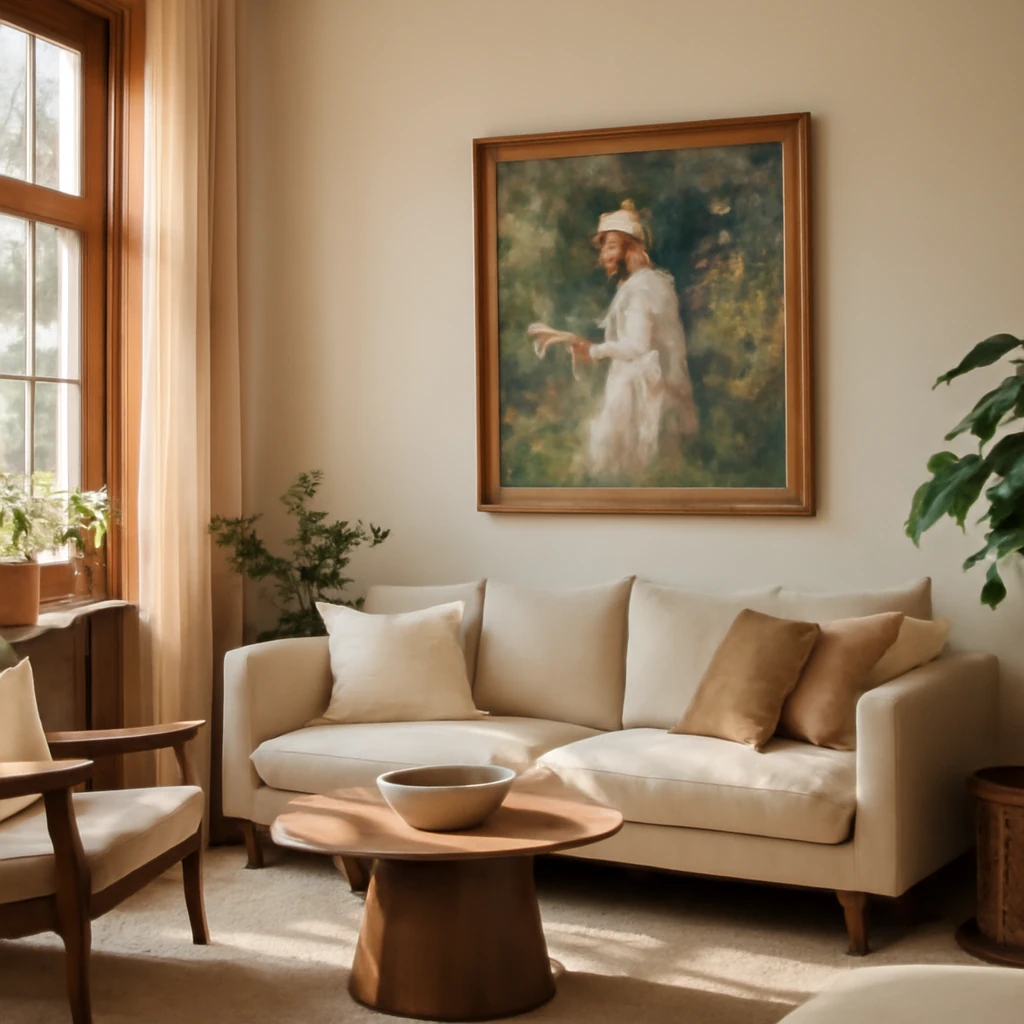
Introduction: the quiet power of paintings in European interiors
Across Europe, walls have long been treated as more than mere backdrops. A well-chosen painting can transform a room, guiding the eye, shaping mood and signaling a refined personal taste. In modern homes - whether in a compact city apartment, a mid-sized terraced house, or a renovated villa - the right artwork can unify disparate elements, articulate a colour story, and create a sense of arrival. This guide explores how to select, size, and place paintings to suit European spaces, with practical advice on framing, hanging systems, and room-by-room applications.
The role of paintings in European interiors
Paintings are not merely decorative, they function as architectural accents that influence perception. In interiors with irregular layouts, exposed beams, plaster walls, or variable natural light, artwork can:
- provide a focal point and visual anchor for a room
- define or refine a particular style, from traditional to contemporary
- alter perceived dimensions by drawing attention to a wall or softening a harsh edge
- inject colour, texture, and emotion without the need for large, expensive furnishings
When thoughtfully chosen, paintings reinforce the architectural character of a space - be that a minimalist loft, a refined apartment with plaster walls, or a characterful townhouse with timber floors. The goal is to harmonise the artwork with the room’s scale, light, and materials, so the piece feels like a natural extension of the design concept rather than an afterthought.
Choosing style and colour palette
The stylistic direction of a painting should harmonise with, or intentionally contrast against, the room’s overall language. In European homes, a few guiding principles help avoid clashes and ensure longevity:
- Respect the room’s silhouette: If the space is classic or traditional, you may prefer a painting with refined frames or muted tones. For contemporary spaces, bold abstraction or high-contrast imagery can act as a striking counterpoint.
- Match or modulate the palette: Consider painting surfaces - walls, upholstery, carpets, and cabinetry - in complementary or analogous colours. A cohesive palette fosters calm, a deliberate accent colour can energise a corner.
- Scale with intent: Large rooms tolerate sizable canvases, smaller rooms benefit from a more measured approach or a gallery-style cluster that creates a sense of rhythm.
- Mind the light: Northern or shaded interiors may benefit from warmer tones to counteract dimness, while sunlit rooms can carry cooler or more saturated works without overwhelming the space.
In practice, designers frequently employ a mixture of styles to achieve a balanced look: a muted, framed figurative work may sit alongside an abstract canvas and a small, nature-inspired print. The result is a layered, nuanced interior that reflects a contemporary European sensibility - elegant, approachable, and subtly clever.
Art styles to consider
Art historical and contemporary styles offer rich options for European interiors. The following categories are commonly encountered in professional design practice:
- Antique and Classical motifs, adapted for modern frames
- Gothic and Baroque references for dramatic statement pieces
- Neoclassicism and Empire-inspired works that align with refined furnishing
- Romantic landscapes and pastoral scenes for calm, timeless appeal
- Modernist and Constructivist abstractions that emphasise form and colour
- Art Deco and Art Nouveau for glamour and structural elegance
- Minimalist and Conceptual works that celebrate negative space
- Pop Art and contemporary figuratives for playful or bold statements
- Ethnic and global textures that introduce warmth and texture
When building a collection for European homes, many designers favour a curated mix: a classic anchor piece, one or two architectural abstracts, and a few smaller accessories that echo key colours found in soft furnishings. This approach creates a coherent, layered narrative rather than a gallery of unrelated images.
Choosing size and proportion
Size is the most obvious yet commonly misjudged aspect of wall art. The artwork must relate to the wall, the furniture beneath, and the viewing distance. Consider these practical guidelines:
- Wall area and furniture relation: A painting should neither overwhelm nor be lost on a wall that hosts a sofa, console or bed. For a standard 2.4–2.6 m high ceiling, hang art so that the visual centre is roughly 145–160 cm above the floor. For a sofa, the bottom edge is typically 15–25 cm above the backrest.
- Distances for viewing: A single large piece usually requires at least 1 m of clear wall space to be appreciated from a natural seating distance. In smaller rooms, opt for mid-size pieces or a thoughtfully composed diptych or triptych.
- Proportion and verticals: Tall, narrow canvases suit spaces with high ceilings, while wide, low pieces work well above mantels or long consoles. In tight rooms, a well-proportioned vertical piece can elongate the perceived height of the room.
- Groupings: If displaying several works together, maintain a consistent vertical rhythm. A common approach is to align the centres of all pieces along a single horizontal axis with equal spacing, typically 6–10 cm between works for a tidy gallery feel.
For European flats with irregular room shapes or older plaster walls, mid-weight frames with UV-protective glazing help preserve colour and prevent glare while keeping the artwork visually integrated with its surroundings.
Where and how to place paintings: general rules
The placement of a painting should reinforce the room’s architectural cues and furniture layout. Consider the following practical rules:
- Consistency of style: In a single room, aim for a coherent style rather than mixing too many conflicting motifs. If you prefer variety, control it with similar frames or a shared colour motif.
- Lighting and reflections: Position artworks to avoid glare from windows and artificial lighting. Where possible, use wall-mounted or ceiling-integrated lighting that can be dimmed to create atmosphere without washing out colour.
- Open spaces and negative space: Artworks benefit from breathing room. Avoid crowding a wall with too many pieces, negative space around a painting enhances its impact.
- Function of the wall: In high-traffic zones, choose robust frames and protective glazing, in low-traffic areas, lighter frames or unframed canvases can appear more delicate and contemporary.
In practice, there are several classic configurations worth considering: a single, commanding canvas as a focal point, a balanced diptych or triptych that creates a coherent narrative, or a gallery wall made up of smaller works arranged in a deliberate grid or salon-style cluster. Each approach has its merits depending on space, light and personal taste.
Framing, materials and protection
Framing is a key part of the design expression. The frame should complement the artwork and the room, not overpower it. When choosing frames, consider the following:
- Weight and material: Heavier frames require sturdy wall fixings and sometimes a picture rail. Lighter frames can be hung with discreet hardware that minimises wall damage in rental properties.
- Glass or acrylic: In bright, sunlit spaces, glazing with anti-reflective and UV-protective properties helps preserve colours. In humid areas like kitchens or bathrooms, consider protective glass alternatives or sealed canvases to reduce moisture interaction.
- Matting and glass: A pale mat serves to separate the artwork from the frame, enhancing legibility in brighter spaces. For smaller works, glass with a non-reflective coating reduces glare and emphasises detail.
- Canvas vs. paper: Canvas prints offer texture and longevity, high-quality limited-edition prints on archival paper can be a cost-efficient option for expanding a collection while maintaining durability.
For European interiors with varying humidity, wall type and climate control influence care strategies. In many homes, climate-stable environments - stable temperature and controlled humidity - extend the life of sensitive pigments. In kitchens or near cooking areas, a practical choice is framed, protected art behind glass with a sealed back to minimise dust and moisture ingress.
Hanging systems and fixing
Choosing the right mounting system is essential for safety, especially in multi-storey dwellings and high-traffic corridors. Consider:
- Traditional nails and picture hooks: Suitable for lightweight frames on studded walls, ensure proper anchorage to avoid slippage.
- Picture rails: Ideal for flexible arrangements, they allow easy shifting of artworks without enlarging holes in the wall.
- French cleats or wall cleats: Provide strong support for larger, heavier pieces and create a clean, floating appearance.
- Security and safety: In public-facing or high-traffic zones, consider anti-theft fixings and tamper-resistant hardware for valuable works.
Before hanging, verify wall structure - older plaster, brick, or masonry requires different anchors and fixings. In rented properties, obtain landlord consent and use non-permanent methods where possible. A professional installer can assess wall type, weight distribution and appropriate fixings for peace of mind.
Room-by-room guidance: how to choose paintings for different spaces
Kitchen
The kitchen benefits from artworks that uplift mood and add warmth, while withstanding occasional exposure to heat and humidity. In European homes, paintings or prints featuring nature, coastal scenes, botanical motifs, or still life with fruit and flowers are particularly effective. Consider these practical points:
- Material and protection: Use framed pieces behind glass to protect against splashes or condensation. For highly humid spaces, sealed canvases or water-resistant prints are a sensible option.
- Colour and energy: Bold, saturated colours can energise the space and complement modern cabinetry or light timber tones. If the room is already busy, choose a calmer painting with tonal variation.
- Placement: A painting above a dining banquette or sideboard should be hung with the bottom edge roughly 90–110 cm above the floor to maintain comfortable viewing height. Large open-plan kitchens can accommodate a statement piece on a free wall as a focal point without competing with other elements.
Bedroom
The bedroom is a sanctuary where art should soothe and restore. Soft palettes, gentle lines, and contemplative subjects are ideal. Here are tips for calm, sleep-friendly walls:
- Palette: Cool or muted earth tones help reduce visual tension. Consider pastel landscapes, abstract shapes in desaturates, or single-figure portraits with understated colour.
- Subject matter: Serene landscapes, botanical studies, and quiet interiors remedy overstimulation and promote relaxation.
- Placement: A large piece above the bed can anchor the room, while a pair of smaller works flanking a dresser or nightstands can create a balanced, gallery-like vibe. Aim for the centre of the artwork to align with eye level when seated on the bed, roughly 140–150 cm from floor.
Living room
The living room is often the most expressive space. It welcomes a wider range of artworks, from grand portraits to abstract canvases. Recommendations for European living rooms:
- Single statement or gallery wall: A large, dramatic work can anchor a seating area, while a curated gallery wall above a sofa offers dynamic visual interest. If space is limited, select one mid-sized piece with a strong presence.
- Colour and cohesion: Choose colours that echo the room’s upholstery, rug, or drapery. A coordinated palette makes the room feel cohesive, a contrasting piece can provide the desired focal point.
- Height and positioning: For a sofa 40–50 cm high, position the artwork so the lower edge sits about 15–25 cm above the back cushion. Taller ceilings permit larger vertical pieces or multi-panel arrangements.
Home office and study
In workspaces, art should inspire focus without causing distraction. Consider:
- Topics and tone: Abstract forms in cool tones, architectural studies, or monochrome pieces contribute to a professional atmosphere.
- Scale and spacing: In a long wall, a long horizontal canvas or a series of smaller works can create an intellectual rhythm. Keep the arrangement orderly and well spaced to maintain clarity.
Care, conservation and sustainability
Preserving artwork requires mindful handling and environment control. Practical steps include:
- Climate considerations: Maintain stable temperatures and humidity. Excessive humidity can affect paper-based works, use dehumidifiers in damp climates and avoid placing art directly over radiators or vents.
- Cleaning and maintenance: Dust frames regularly with a soft, dry cloth. Do not use chemical cleaners on glass or frames, consult a conservator for any deep cleaning or restoration needs.
- Protection strategies: In kitchens or bathrooms, select pieces with protective glazing and consider sealed canvases for durability.
When updating a space, consider rotating artworks rather than replacing entire ensembles. This approach minimises waste and allows the room to evolve with minimal disruption. For sustainability, choose prints from responsibly sourced papers, or support artists who offer archival-quality, long-lasting materials.
Practical steps to acquire and install art
Building a collection for European interiors can be a rewarding process if approached strategically. Here are practical steps to guide fresh acquisitions and installation:
- Define a brief: Consider room function, lighting, existing furnishings, and your emotional response to potential pieces. Create a short list of preferred subjects and colours before shopping.
- Set a budget: Decide how much to allocate per piece and per gallery or art fair. Remember to factor framing, glazing, and hanging hardware into the total cost.
- Assess wall quality: In older European homes with plaster walls, you may need to locate studs and use appropriate anchors. Professional assessment ensures safe mounting for large works.
- Choose presentation: Decide between canvas, paper prints, or framed original works. Framing choices should reflect both the artwork’s weight and the room’s style.
- Plan the layout: Before hanging, lay out paper cut-outs on the floor or a wall to visualise scale and placement. This helps ensure cohesion across the room.
- Install with care: Use proper fixings and level hardware. If in doubt, hire a professional installer to ensure a precise, secure hang at the correct height.
Working with professionals
Collaborating with curators, conservators, and qualified installers can elevate a project. A professional designer or gallery partner can help you translate a personal taste into a curated collection that respects architecture, light, and scale. They can:
- Educate you on the provenance and conservation needs of works
- Suggest framing and glazing solutions aligned with room conditions
- Recommend gallery or fair routes to acquire thoughtfully curated pieces
- Provide access to a rotating programme of works for seasonal refreshes
Common mistakes to avoid
To achieve a refined result, steer clear of frequent missteps that undermine the impact of art in interiors:
- Overcrowding the wall: Too many pieces on one wall create visual noise and reduce the artwork’s impact.
- Ignoring scale: A tiny painting on a large wall or a huge canvas on a narrow wall disrupts spatial balance.
- Inconsistent light treatment: Poor lighting can flatten texture and colours or cause glare on glass.
- Overemphasis on trend: Short-term fashion pieces may date quickly, opt for timeless subjects or lower-saturation colour palettes when possible.
Trends and timelessness
Contemporary European interiors often blend timeless pieces with current aesthetics. A balanced approach might include a classic work anchored with a bold abstract or a restrained monochrome in a mixed-material frame. The trend towards “gallery-style” arrangements - carefully spaced, well-lit clusters of works - continues to gain traction, particularly in open-plan living spaces where the wall doubles as a design feature. Yet timeless taste remains essential: invest in quality materials, legible framing, and art that resonates personally, ensuring longevity beyond seasonal trends.
Conclusion: make paintings an integral part of your design language
Paintings are a language of their own in European homes. They speak through colour, form, and composition, enriching the room’s narrative and guiding the eye through space. By considering style, palette, size, and placement in relation to architecture and lighting, you can create interiors that feel intentional, balanced and deeply personal. The right artwork is not an ornament but a centrepiece that enhances every element of the home - from furnishings to architectural detailing - while remaining adaptable to the evolving tastes of the occupants.
You may also like these articles
 Tips & How-To
Linoleum Cleaning Guide: Stain Removal, Texture Care and Shine
Practical tips to clean linoleum and restore shine in European homes.
Bedroom
Bedroom Renovation in Europe: Colour, Styles and Finishes
Inspiring European bedrooms with colour, style and light ideas.
Interior Design
Timber and Texture: European Interiors for Wooden Homes
Timber interiors across Europe blend natural warmth with modern design for every style.