
Explore interior trends, AI design insights, styling guides and real transformations
Euro Two-Bedroom Flats: Flexible Layouts for European Living
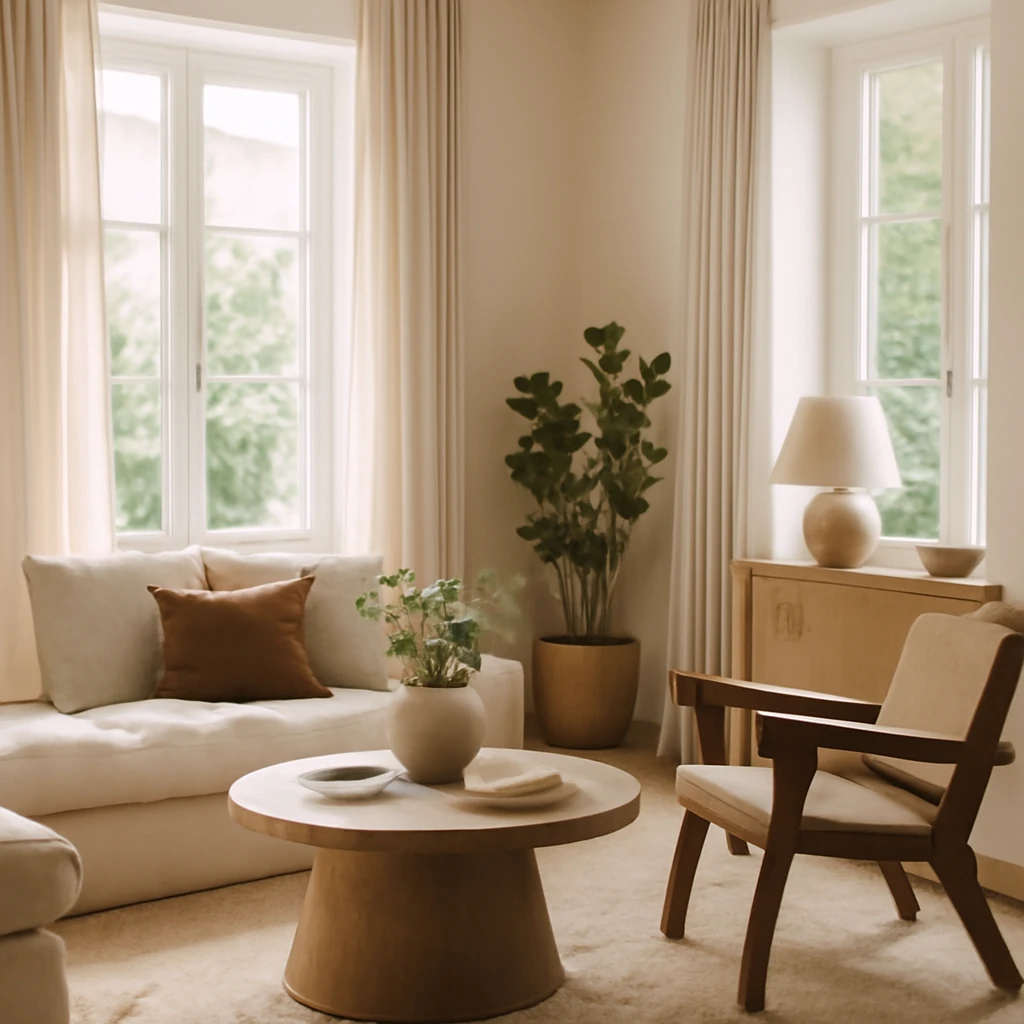
What is a euro two-bedroom apartment?
The euro two-bedroom is a contemporary European interpretation of city living that pairs a private sleeping area with a generous open plan kitchen and living space. The living zone typically accounts for about 40–50% of the total footprint, creating a bright, sociable centre of the home. In practice, these flats commonly range from around 35 to 60 square metres, with well designed schemes occasionally extending to about 70–75 square metres in larger buildings. A compact corridor or even the absence of a dedicated hallway is common, depending on the building typology and local practice.
In Europe, designers have repeatedly demonstrated how such layouts can maximise light, circulation and psychological openness while still delivering private zone options. A successful euro two-bedroom balances the needs of daily life, such as cooking, working from home and relaxing, with the desire for a calm retreat. The configuration is particularly well suited to urban living, where proximity to transport, workplaces and amenities demands efficiency without sacrificing comfort.
Historically, these plans have been developed across a range of sizes and building types, from modern new-builds to reinvented mid‑century blocks. The central kitchen‑living area often acts as the social anchor of the home, while a separate bedroom provides privacy for rest or remote work. The overall design goal is to enable easy adaptation: spaces can be re‑defined as needs change, whether a household grows, a resident starts a home office routine, or entertaining becomes a regular feature of life.
Pros and cons of euro two-bedroom flats
Pros
- Efficient use of space. The open plan kitchen and living area maximises every square metre, minimising circulation waste and allowing light to travel freely through the apartment.
- Flexible zoning. The interior can be reconfigured as life evolves, adding dedicated zones for work, study, leisure or overnight guests without major disruption.
- Cost efficiency. With fewer internal walls and corridors, renovation and construction costs are typically lower than in larger, more compartmentalised layouts.
- Contemporary aesthetic. Open plans support current design language - light, minimalism, and cohesive palettes - while offering room for personal expression through materials and texture.
Cons
- Limited isolation. For households requiring multiple private rooms or for families with children, privacy may demand careful planning and intelligent acoustics.
- Potential odours and noise spread. When the kitchen is not fully separated, cooking smells and appliance noise can travel to living spaces, high ventilation and well‑considered layout are essential.
- Acoustic challenges. Bare, open zones can amplify sound, designers must address materials, finishes and soft furnishings to create a balanced acoustic environment.
| Pros | Cons |
|---|---|
| Efficient use of space and open plan | Limited privacy for households needing independent rooms |
| Flexible zoning possibilities | Odours and noise can travel between zones |
| Lower renovation and construction costs | Acoustic treatment may be required for comfort |
| Modern, light living environments | Daylight and orientation influence design outcomes |
Who is it for?
Euro two-bedroom flats are particularly popular with young professionals and couples who prize openness and sociable spaces without compromising a private sanctuary. A spacious kitchen‑dining area offers an inviting setting for hosting friends and family, while a separate bedroom provides a retreat for rest and focus. For freelancers or remote workers, a well planned euro two-bedroom can accommodate a dedicated work zone within the bedroom or a secluded corner of the living area, provided acoustics and lighting are thoughtfully addressed.
Such layouts also suit small families where one child’s zone remains clearly separated from the shared kitchen‑living area, preserving quiet and reducing daytime disturbance. In many European cities, euro two-bedroom flats are highly desirable in the rental market, offering a compelling blend of contemporary design, practicality, and value. For owners, the space provides flexibility to adapt to changing life stages, from apartment living to potential long‑term rental returns.
Choosing a euro two-bedroom is often a matter of balancing light and air with storage and privacy. It suits those who want a home that is both generous in feel and efficient in use, with the possibility to reconfigure as tastes and needs evolve over time.
Layout options for euro two-bedroom flats
When planning a euro two-bedroom, start with a practical baseline that includes a bedroom with storage, a kitchen‑dining‑living area, and a bathroom. Some buildings may also offer a balcony or a storage room. A free layout gives owners the latitude to decide how best to delineate spaces, enabling a customised interior that reflects personal habits and living patterns. The classic configuration keeps the kitchen integrated with the living area while the bedroom remains a separate, private zone, preferred by those who want clear boundaries between cooking/entertaining and sleeping spaces.
Classic configurations can be adapted to suit modern routines. For example, a compact desk near the bedroom can support a dedicated work corner without dominating the room, while a sliding door or a partial screen can provide acoustic separation when necessary. In dense urban sites, the open plan approach can be strengthened with ceiling‑hung storage, a slim peninsula belting two functions, or a lightweight glass partition to allow daylight to pass through while preserving a sense of separation.
Other options include a more flexible, open‑plan layout where the boundary between kitchen and living area is softened by furniture cues rather than definitive walls. This approach can create a larger sense of space, while still permitting separate activity zones for cooking, dining, and relaxing. For those planning to use the space for remote work, an area with a dedicated desk, task lighting, and high data connectivity can be integrated into the sleeping zone or tucked behind a wardrobe, maintaining a clutter‑free main living area.
A practical note for European buyers and tenants is to consider daylight orientation. East or south facing living rooms can receive abundant morning or afternoon light, which enhances the perception of space and reduces the need for artificial lighting during the day. In northern climates, prioritising glass efficiency, thermal framing and controlled shading becomes essential for comfort and energy performance.
Classic layout
In the classic euro two-bedroom, the kitchen and dining area are merged with the living space, while the bedroom is kept as a distinct room. This arrangement offers clear zones for sleeping and social activities, a benefit for households where one partner works remotely or where children need a quiet space for study. The kitchen should be designed to provide an efficient work triangle between the fridge, sink and hob, with adequate storage and ventilation. A comfortable seating area and a dining table that suits the available width are essential to ensure the space remains versatile and inviting.
An alternative is to situate the kitchen adjacent to the bedroom, which can help create a calm, separate sleeping zone. For freelancers who need privacy to concentrate, a small, well‑lit home office can be positioned within the bedroom or along a hall with acoustic screening, so that the living area remains a social hub.
Zoning and space delineation
Effective zoning is the art of making a compact plan feel expansive. In euro two-bedroom flats, designers often rely on non‑structural tools to define spaces while preserving light and air. Glass or timber partitions, sliding doors, and lightweight screens can carve out zones without creating a closed feel. Tall bookcases, console units, and open shelving can act as subtle dividers while offering storage and display options. When the goal is openness, ceiling heights and consistent flooring help to unify the space and prevent the sense of confinement.
Where privacy is needed, consider partial walls or glass screens with frosted panels to soften light and respect boundaries. A bar or half‑height counter between the kitchen and living area can function as a practical boundary while also delivering a social focal point. Lighting plays a critical role, layered lighting - ambient, task and accent - further defines zones and shapes the perception of space.
In European projects, the use of one continuous material across the main living areas - such as a large porcelain tile or a uniform wood veneer - can visually stretch the footprint and create a cohesive ambience. If different zones demand variation, use carefully chosen textures or colour warmth to distinguish them without breaking the sense of flow.
For compact entryways, a well‑planned hallway area is crucial. A narrow corridor often becomes the visual spine of the home, therefore, design strategies such as wall-mounted storage, tall mirrors and light colours are particularly effective in extending perception of space.
Advice for furnishing each room
Kitchen‑living area
The kitchen‑living zone is the social heart of a euro two-bedroom. The key is to create a harmonious flow that supports cooking, dining and lounging without crowding the space. Consider a compact, angular kitchen layout that forms a comfortable work triangle between the fridge, sink and hob. A peninsula or island can define the boundary between kitchen and living space while providing extra work surface and storage. If space permits, a small island can double as a casual dining area or a place for informal meals and conversation.
Different flooring or a visual cue - such as a rug or a change in material - can help to demarcate the dining or seating zone. Lighting should be layered: recessed or track lighting for task use near the work triangle, paired with pendant lights or a decorative fixture above the dining area, and softer, ambient lighting for the seating zone. A well‑placed window treatment and efficient ventilation are essential to manage heat and cooking odours.
In smaller schemes, a corner kitchen can optimise the available width, while a straight or L‑shaped arrangement may provide a longer run of cabinetry for more storage. For those who dream of an island, ensure there is sufficient clearance to walk around it and that plumbing and electrical connections are planned with professional help. A built‑in, floor‑to‑ceiling storage wall can further maximise efficiency by concealing appliances, hanging utensils and housing pantry items.
Storage is a recurring theme in euro two‑bedroom design. Use tall, slim units to keep sightlines open, consider pull‑out pantry units and lift‑up doors to maintain a tidy, streamlined appearance. If a separate laundry is not possible, a compact combined washing machine and dryer integrated within kitchen cabinetry is a practical solution.
Bedroom
The bedroom in a euro two‑bedroom should feel calm and uncluttered. Prioritise a compact bed with built‑in storage under the frame or a bed with drawers to maximise the use of space. A wardrobe or a built‑in closet with sliding doors helps to free floor space and reduce noise transmission. Light, pale colours and natural textures - such as linen textiles or light wood - tend to make the room feel larger and more restful. If the room doubles as a home office or study, locate a compact desk in a corner with easy access to power outlets and a quiet view or quiet corner away from the main living area.
In terms of acoustic comfort, consider soft wall coverings, upholstered headboards and plush rugs to absorb sound. Blackout blinds or heavy curtains are useful for improving sleep quality, particularly in urban environments with street lighting. Multi‑functional furniture, such as a wardrobe with integrated seating or a fold‑away desk, can help maintain adaptability as needs evolve.
Small details count: warm lighting, a hint of colour in textiles or artwork, and tactile materials such as wool, cork or rattan can create a cosy sense of home while staying visually restrained.
Bathroom
In a compact bathroom, space efficiency is paramount. Choose compact sanitaryware and consider a shower quadrant or corner shower with a clear glass enclosure to preserve light and a sense of openness. Wall‑hung sanitaryware and compact storage cabinets help keep the floor clear, enhancing the perception of space. For a cohesive look, continue with large format tiles to reduce joints and visual breaks. A recessed niche in the shower or wall storage behind a vanity mirror can provide practical packing space without intruding on the floor area.
Consider a single, continuous material palette across the bathroom walls and floor to minimise seams and create a seamless surface. Round basins and soft curves can soften the room’s character and bring a touch of elegance to daily routines. If the bathroom adjoins a larger living space, ensure the door design preserves privacy when necessary and allows for good acoustic separation.
Hallway
The hallway in a euro two-bedroom is often a continuation of the main living area. To avoid a disjointed feel, ensure the finishes and colour palette flow from the entrance into the living spaces. Keep decoration to a minimum and prioritise practical storage. Slim, tall storage units, open shelving for seasonal accessories, and wall hooks can keep clutter at bay in a small space. A generous mirror or a wall of reflective panels helps to bounce light and visually extend the corridor.
In open‑plan configurations, it is worth using a lightweight screen or a low partition to carve out a moment of transition between entry and living spaces without interrupting light transmission.
Balcony or loggia
Balconies or loggias can be treated as extensions of the living area, offering a micro‑climate for plants, a compact work corner or a cosy seating nook. Weather‑resistant seating, planters and a small table can transform a narrow balcony into a practical retreat. If the balcony receives generous daylight, it can function as a productive space for potted herbs and small plants, contributing to the overall sense of well‑being within the home.
Interior styles for euro two-bedroom flats
Choosing a design style for a euro two-bedroom is a critical step, as it defines atmosphere, finishes and how durable the space will feel over time. The following styles are popular across European projects for small to mid‑sized flats, each offering a distinct character while remaining practical for compact spaces.
Scandinavian – A favourite for small spaces, Scandinavian design emphasises light, clean lines and natural materials. White walls, pale woods and understated textiles create an open, breathable ambience. Use natural textures such as wool, linen and cork to add warmth without clutter. Maximise daylight with sheer curtains and strategic placement of mirrors to amplify brightness. Plants bring life and a gentle colour accent that prevents the space from feeling sterile.
Industrial Loft – This style thrives on open plans, exposed textures and bold contrasts. In European urban environments, raw brick or simulated concrete walls, timber elements and steel hardware create a confident, metropolitan mood. Soften the look with warm timber, fabric upholstery and warm metallics. A carefully composed palette - such as charcoal, warm grey and natural wood - keeps the space welcoming while retaining the edge of an industrious aesthetic.
Minimalist – Focused on balance and function, minimalist interiors use restrained palettes and precise lines. Neutral hues - stone, sand, ash - paired with smooth surfaces and integrated storage create a calm, orderly backdrop for living and working. When colour is used, it appears as a subtle accent on textiles, artwork or a single feature wall. The emphasis is on quality, proportion and durable materials that wear well over time.
Provencal / Soft Country – A light and airy take on rural charm, with pale blues, soft greens and warm plaster tones. Natural materials such as wood beams, linen drapes and terracotta or stone floors evoke a countryside ambience that remains fresh in city apartments. This style benefits from tactile textures, gentle curves and soft textiles that soften sharp architectural lines and create a welcoming atmosphere.
Contemporary with Colour and Texture – A modern approach that plays with texture, material contrasts and point of colour. Think matte plastered walls, natural stone, glass, warm wood veneers and bold textiles. Accent walls or cabinetry can introduce a controlled burst of colour without overwhelming the compact plan. This strategy helps to establish personality while keeping the space legible and comfortable for daily use.
Across styles, it is advisable to use durable, easy-to-clean surfaces and to carry chosen materials consistently through the main zones to reinforce a cohesive feel. In Europe, sustainability and local material availability often guide decisions - think lime plaster walls, cork flooring, ceramic tiles with minimal grout lines and timber with long‑lasting finishes.
Ultimately, a euro two-bedroom is not merely a reaction to space constraints. It is an opportunity to craft a home that adapts to the rhythm of European life, offering a flexible, well‑considered space that remains inviting and stylish even as requirements change. From the initial layout to the final textures, choosing a thoughtful combination of plan, storage, materials and lighting will yield a residence that feels larger, lighter and more liveable than its footprint would suggest.
You may also like these articles
 Small Spaces
Bookshelf partitions: zoning with style for European homes
Smart, stylish shelving to zone spaces without shrinking rooms.
Tips & How-To
Four DIY tables from boards: four models with plans and practical guidance
Four practical board-based tables you can build at home, with clear plans and finishing tips.
Tips & How-To
10 Smart Ergonomic Wardrobe Strategies for European Homes
Master an organised wardrobe with 10 practical, space-saving strategies.