
Explore interior trends, AI design insights, styling guides and real transformations
Rustic Interiors Across Europe: Styles, Rules and Ideas
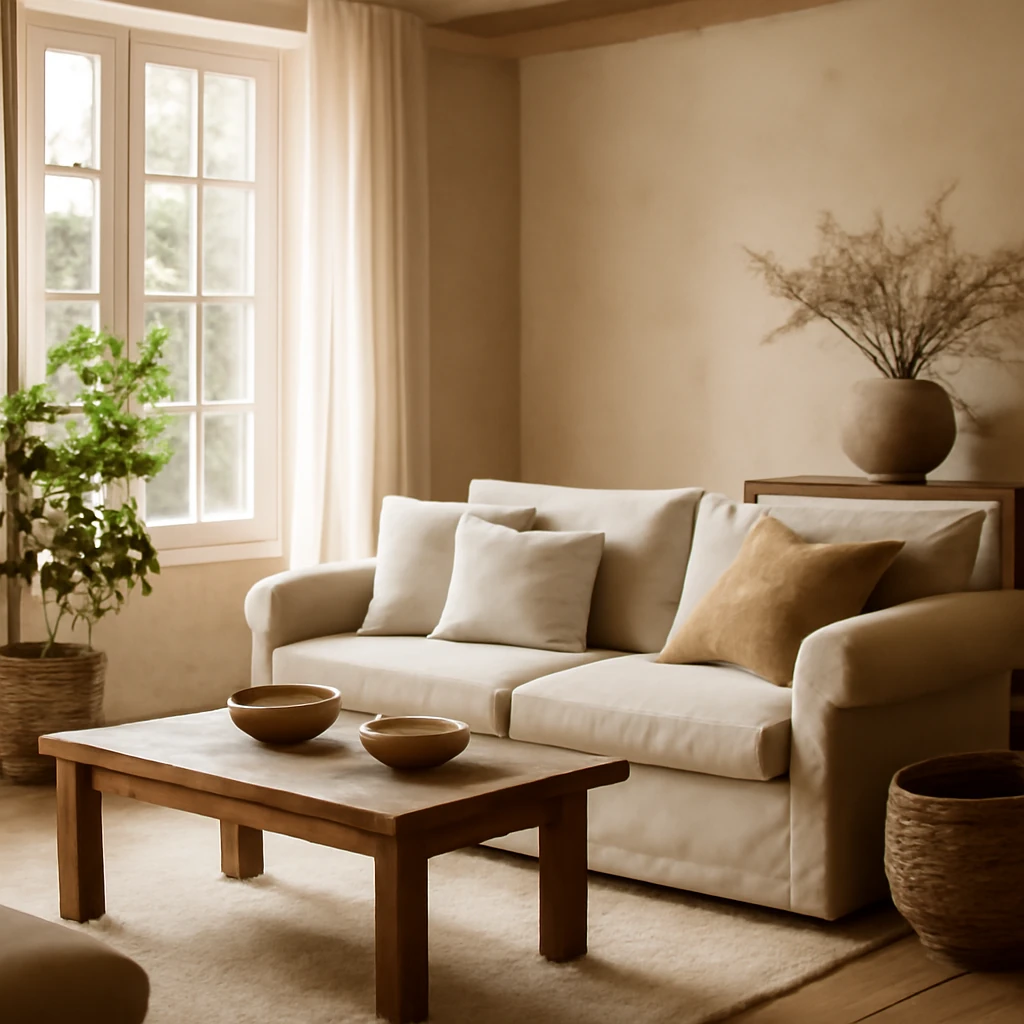
Introduction: rural aesthetics for European homes
Private homes across Europe offer a special opportunity to reconnect with nature and embrace slow living. The rural aesthetic, often described as rustic or country-inspired, is characterised by warmth, comfort and a sense of belonging to the landscape outside. In a continent with diverse terrains - forests, fields, hills, alpine villages and sun-drenched countrysides - the rural look is not a single recipe but a family of related tendencies. This article explores the main European variations of rural interior design, explains what makes each style distinctive, and provides practical rules for realising them in contemporary homes, be they in the countryside, in suburban settings or in renovated farmhouses along the coast.
Variants of rural interiors in Europe
Across Europe, rural interiors borrow from local traditions and building typologies. While the core idea remains the same - natural materials, honest craftsmanship, comfortable textures and a colour palette drawn from the surrounding landscape - each variation has its own character. Here are the most influential directions you are likely to encounter in European homes.
Rustic
Rustic interiors embrace the essence of rural life, with a strong emphasis on timber and stone. The key material is wood, used abundantly in floors, walls or ceiling details, and often left with a natural, tactile finish. Surfaces may be rugged or intentionally weathered to reveal the patina of time. Large, solid furniture pieces are common, frequently crafted from reclaimed timber, and decorative elements such as exposed beams, wide planking and chunky corbels reinforce the countryside atmosphere. Natural light is cherished, and spaces are designed to feel generous - high ceilings, wide openings and an airy, uncluttered layout help to create a generous sense of space even in modern homes.
In practice, rustic interiors are about honesty and durability: surfaces intentionally left natural or lightly treated, a restrained palette of browns, creams and greys, and a sense that every piece has a story. In regions with abundant forests, timber surfaces can be complemented by stone fireplaces, linen textiles and earthy ceramics to amplify the tactile experience. For modern homes, rustic can be scaled and refined without losing its essential warmth by balancing heavy furniture with lighter textiles and careful contrasts between rough-hewn surfaces and smooth, clean lines elsewhere.
Country
The country style has its strongest echoes in Europe through traditional farmstead aesthetics and a practical, comfortable approach to daily life. In European interpretations, country interiors often mix rustic wood with resin or painted finishes, stone floors with worn carpets, and large, inviting furniture that feels well-used and loved. Salvaged furniture, weathered surfaces and handmade items are celebrated. The look thrives on a blend of durability and charm: open shelving displaying earthenware, oversized dining tables for family gatherings, and functional storage solutions that still convey warmth and personality. Pattern plays a role here, but is usually more restrained than in other variants, with natural textures and soft contrasts taking centre stage.
In a European context, country interiors translate well to village houses, renovated barns and rural cottages alike. They pair well with glazed tiles in warm tones, plaster walls with soft imperfections, and an emphasis on craftsmanship. The result is a timeless, lived-in atmosphere that remains stylish across seasons.
English country
English country is among the most refined rural aesthetics. It favours a rich, natural colour palette dominated by earthy browns, deep greens and warm terracotta tones. The furniture tends to be substantial and well-crafted - solid timber pieces, often with gentle curvature and a sense of history. Textiles play a critical role: plaids, florals, ticking stripes and heavy drapery contribute to a cosy, layered ambience. Vintage accents, such as antique picture frames, china cabinets, and heritage-style lighting, reinforce a sense of tradition and comfort. Surfaces feature natural materials - stone, wood, leather, linen - while walls may be plastered or panelled in timber to create a quiet, venerable backdrop for daily living.
In European homes, English country can adapt to both generous family houses and compact countryside cottages, as long as the emphasis remains on comfort, proportion and a sense of story. The look thrives on textures and patterns that invite lingering moments in the kitchen, sitting room or library, making it feel like a well-loved retreat from modern life.
Provencal
Provencal interiors capture the sunlit, lavender-scented character of southern France. The palette is light and serene: whites, creams, soft greys and pale blues, with occasional touches of lavender, rosemary and sage. Materials are natural and breathable: linen textiles, stone walls, terracotta tiles and light wood. Furniture is typically elegant yet unfussy, with curved forms, woven baskets, and iron or brass accents. Decor leans into florals, checks, and subtle patterns, with an abundance of textiles - curtains, tablecloths, cushions - to create a cosy, layered atmosphere. The overarching mood is relaxed, rustic chic with a distinctly Mediterranean warmth and charm.
Provencal homes in Europe often feature light-filled spaces that celebrate airiness and a sense of easy outdoor living. It works beautifully in renovated farmhouses, seaside cottages and hill town villas alike, offering a timeless, sun-kissed elegance that remains fresh year after year.
Chalet
Chalet interiors originate in Alpine regions and are defined by a strong architectural vocabulary that carries through to the interior. Externally, chalets typically display a heavy stone base with an upper level of timber, a steep pitch roof and wide eaves designed to shed snow. Inside, the palette is warm and restrained, with natural wood, stone and rich textiles creating a cosy, cocooning effect. Expect a pronounced emphasis on comfort: thick rugs, wool throws, and generous seating around a crackling fireplace. The overall feel is rustic but elevated, with a practical, hygge-inspired charm that suits mountain homes, rural retreats and any space seeking a serene, durable aesthetic that remains inviting in winter light.
Chalet interiors in Europe embrace the strength of timber and stone, while allowing for modern conveniences and refined detailing - think large architectural beams, softly textured fabrics and tactile surfaces that encourage gathering and conversation by the fire.
Continental European farmhouse
A broader continental European farmhouse approach blends regional influences from Central, Eastern and Southern Europe into a cohesive rural language. The palette remains natural and versatile, but textures and finishes reflect local building heritage - plastered walls with slight imperfections, wooden panelling, exposed brick, or stone details. Furniture is practical and robust, often a mix of antique pieces and contemporary pieces that respect scale and proportion. Decor features handmade ceramics, woven textiles, baked clay items and softly patterned fabrics inspired by regional motifs. The aim is a warm, authentic environment where each room tells a story of place, craft and family life.
In European farmhouses, this style supports modern living by prioritising durability, easy maintenance and comfort, while still delivering the sense of heritage and quiet luxury that characterises rural interiors.
Principles for executing rural interiors in Europe
Whether you favour a rustic farmhouse, a classic English country retreat or a light Provençal ambience, certain principles consistently support a successful rural interior across Europe. These guidelines help translate historical references into a contemporary, comfortable home.
Palette
The colour story of rural interiors is rooted in natural tones. A calm base palette of warm beiges, soft greys and ivory is common across variants, chosen to reflect the surrounding landscape and to enable layered textiles to speak. Add depth with deeper browns, olive greens or slate greys in furniture, fabrics or architectural details. Provencal interiors invite sunlit azure, dusty blues or lavender accents that echo the lavender fields, English country embraces warm terracotta, mossy greens and charcoal, Chalet contexts may incorporate charcoal, stone, and timber tones. The key is cohesion: build a base that feels grounded, then introduce accent colours thoughtfully to avoid visual noise. In all European contexts, the palette should contribute to a sense of warmth and ease rather than formality.
Finishes
Finishes in rural interiors prioritise natural, breathable materials. Walls may be timber-panelled, plastered with a soft, imperfect texture, or clothed in breathable wallpaper. Floors are usually timber, stone or ceramic tile, selected for durability and ease of maintenance. Ceilings often feature exposed beams or modest plasterwork, enhancing the sense of craft and history. For kitchen and bathrooms, choose finishes that resist wear yet feel connected to the rest of the home - stone or ceramic tiles with simple textures, natural stone countertops, and integrated storage that preserves a clean, uncluttered look. Avoid overly glossy surfaces, instead favour matte or softly textured finishes that age gracefully and patinate with time.
- For American-inspired country or rustic settings, opt for solid walls with texture as a feature rather than a smooth, uniform paint.
- In Provencal or English country schemes, consider patterned wallpaper or textile-praised wall coverings on one or two walls to add depth while keeping other walls neutral.
Avoid materials that feel synthetic or harsh in high-traffic European homes. Sustainability matters, so favour responsibly sourced wood, natural stone and low-VOC paints. When implementing open ceilings or timber beams, ensure proper insulation and pragmatic maintenance access to avoid damp and mould issues.
Furniture
Furniture in rural interiors should feel honest, durable and comfortable. Prioritise natural materials - solid wood, timber veneers, rattan and woven elements. In rural European homes, traditional pieces with a sense of history are prized, whether inherited or discovered on markets and fairs. Avoid over-poluated modern reproductions, instead, look for furniture that has patina, character and scale appropriate to the room. In Provencal and English country schemes, furniture may feature softer lines and lighter finishes, but should still convey quality and sturdiness. The arrangement should encourage conversation and family life, with a central dining table or a seating cluster that invites lingering moments by the fire or a cup of tea.
- Mix new pieces with vintage finds to create a layered, curated atmosphere.
- Preserve sightlines and avoid overcrowding, spacious layouts help the interior breathe in European homes with varied ceiling heights.
Décor
Decor is where rural interiors truly come alive. Accessories should speak of place - handmade ceramics, woven baskets, period photography or prints in wooden frames, and textiles that add softness without visual clutter. Aim for a curated, story-rich display: a collection of utilitarian objects, family heirlooms, and items with tactile appeal. Lighting plays a crucial role: statement chandeliers or lanterns with warm light set the tone, while wall-mounted lamps and table lamps provide flexible ambience for different moments of the day. Textiles - heavy drapes, linen tablecloths, wool blankets and cushions - contribute texture and warmth. Use textiles to soften architectural lines and to create intimate corners within larger spaces.
- In Provencal interiors, floral motifs, checks and subtle stripes can be woven through textiles for a cohesive look.
- In English country homes, plaids and botanical prints create a layered, timeless feel.
- In chalet settings, warm wool, shearling and plaid patterns reinforce the cosy, alpine mood.
Practical steps to start a European rural project
Transforming a European home into a rural-inspired sanctuary requires thoughtful planning. Here is a practical sequence to help you realise a cohesive look while accommodating modern living needs.
- Define your focal style(s): Decide whether your project leans toward rustic warmth, English country sophistication, Provencal light-heartedness, chalet snugness or a blended continental farmhouse. You can combine elements from several variants, but start with a dominant direction to guide decisions on colour, materials and furniture.
- Assess the space and materials: Inspect structural elements such as beams, joists and flooring. Identify surfaces that could be restored or left as a feature, and plan where warmth and acoustics will be improved with textiles and soft furnishings.
- Plan the palette: Establish a base of neutrals and natural tones, then select accent colours aligned with the chosen variant. In Provence you may introduce soft blues and lavender, in England, deeper greens or browns can anchor the room.
- Choose durable furniture: Invest in high-quality, timeless pieces. Mix new and vintage items to create a lived-in feel without compromising comfort or practicality.
- Layer textures: Build depth with textiles - curtains, quilts, cushions and throws - in natural fibres such as linen, wool and cotton. Layering is essential for warmth and visual richness.
- Decor with intention: Select a core group of decorative items that tell a story about place and craft. Avoid excessive fragmentation, curate objects that complement the palette and textures.
- Address lighting: Combine ambient, task and accent lighting. Large, warm light sources such as chandeliers can act as a focal point, while softer lamps cultivate intimate corners during evenings.
- Balance authenticity with ease: Maintain a sense of heritage while ensuring contemporary comfort, insulation and practical storage. Rural interiors should be welcoming, not overwhelming, and easy to maintain for everyday living.
With thoughtful planning, European rural interiors can be both timeless and highly functional, creating spaces where daily life feels grounded in place and craft.
For ongoing inspiration and practical ideas, consider subscribing to design newsletters and following reputable design studios that specialise in European rural aesthetics. They offer curated selections of materials, finishes and furniture that fit real homes across the continent.
In summary, the rural styles across Europe share a love of natural materials, careful texture layering and a comfortable, lived-in atmosphere. The exact mixture of history and modern practicality varies by region, but the underlying principle remains the same: create an interior that feels part of the landscape, where every detail supports warmth, longevity and a sense of home.
You may also like these articles
 Bathroom Design
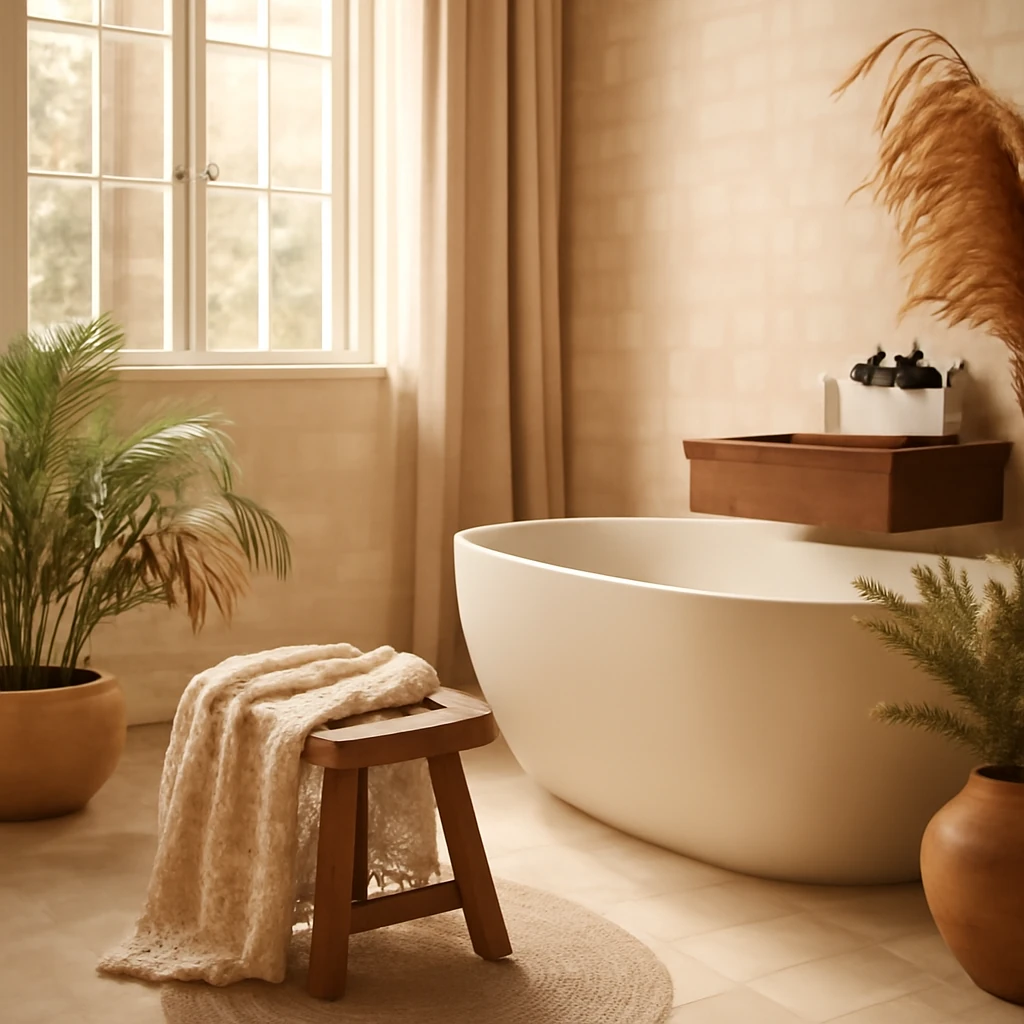
Tiles for the Bathroom in 2025: Trends Shaping European Interiors
Discover the 2025 bathroom tile trends that blend texture, tone and sustainability.
Tips & How-To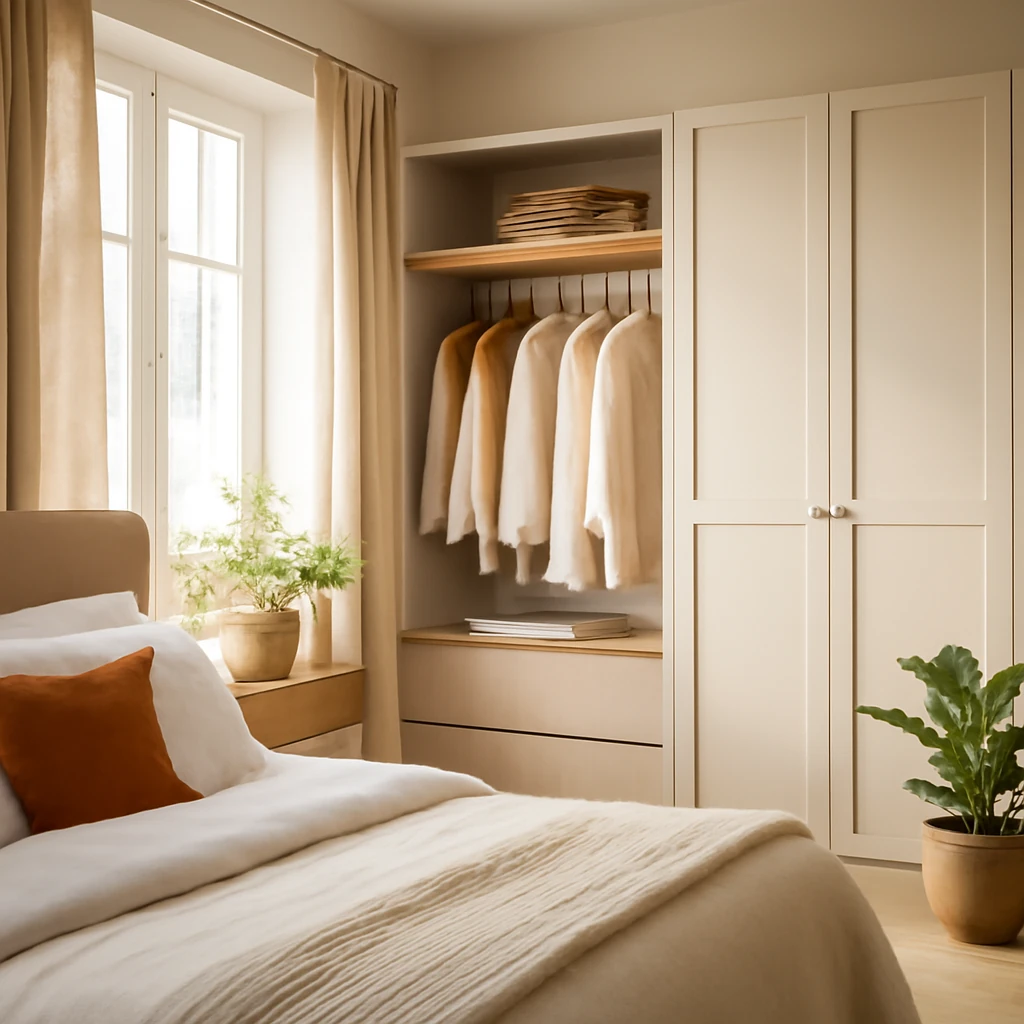
Smart Wardrobe Solutions for Modern European Bedrooms
Smart wardrobe ideas to maximise European bedroom space.
Furniture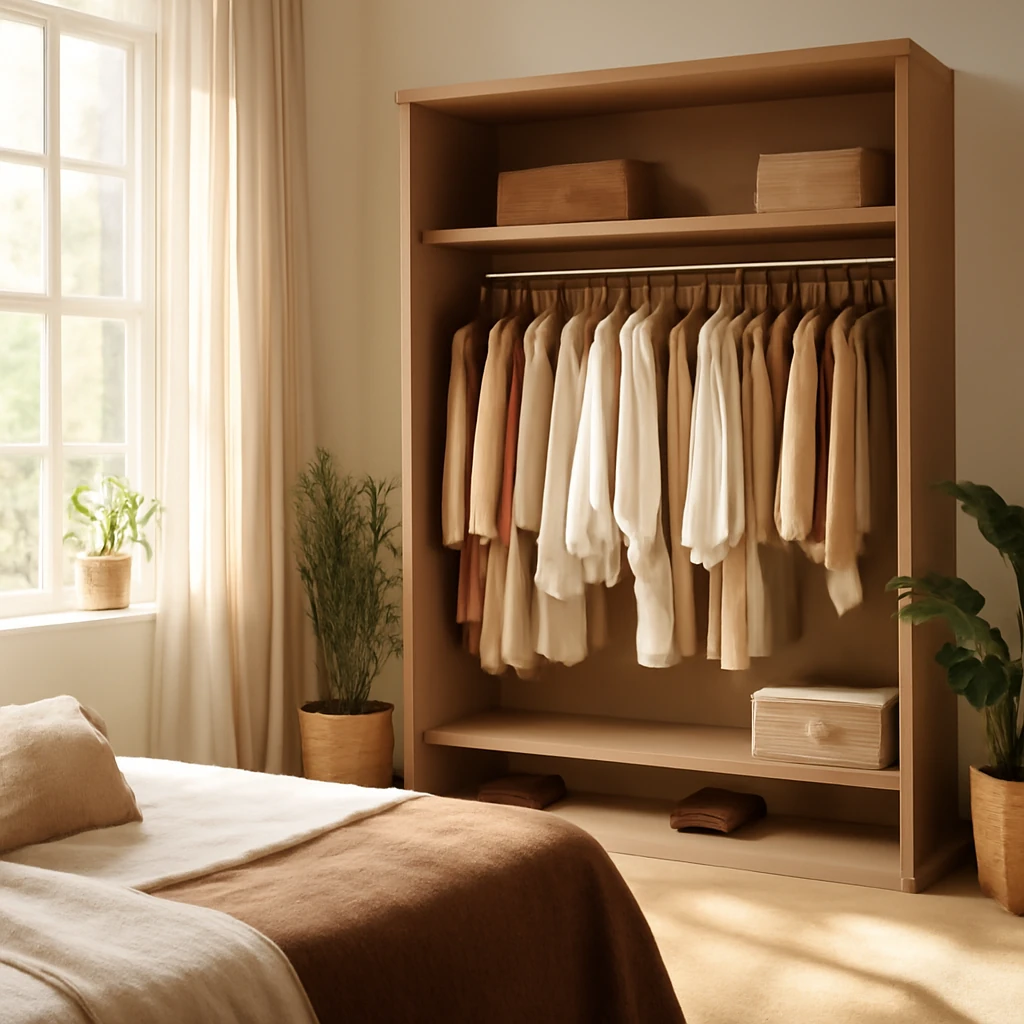
Wardrobe design for European spaces: a practical guide
A practical guide to selecting the perfect wardrobe for European homes