
Explore interior trends, AI design insights, styling guides and real transformations
Backsplashes for White Kitchens: 18 European Inspirations
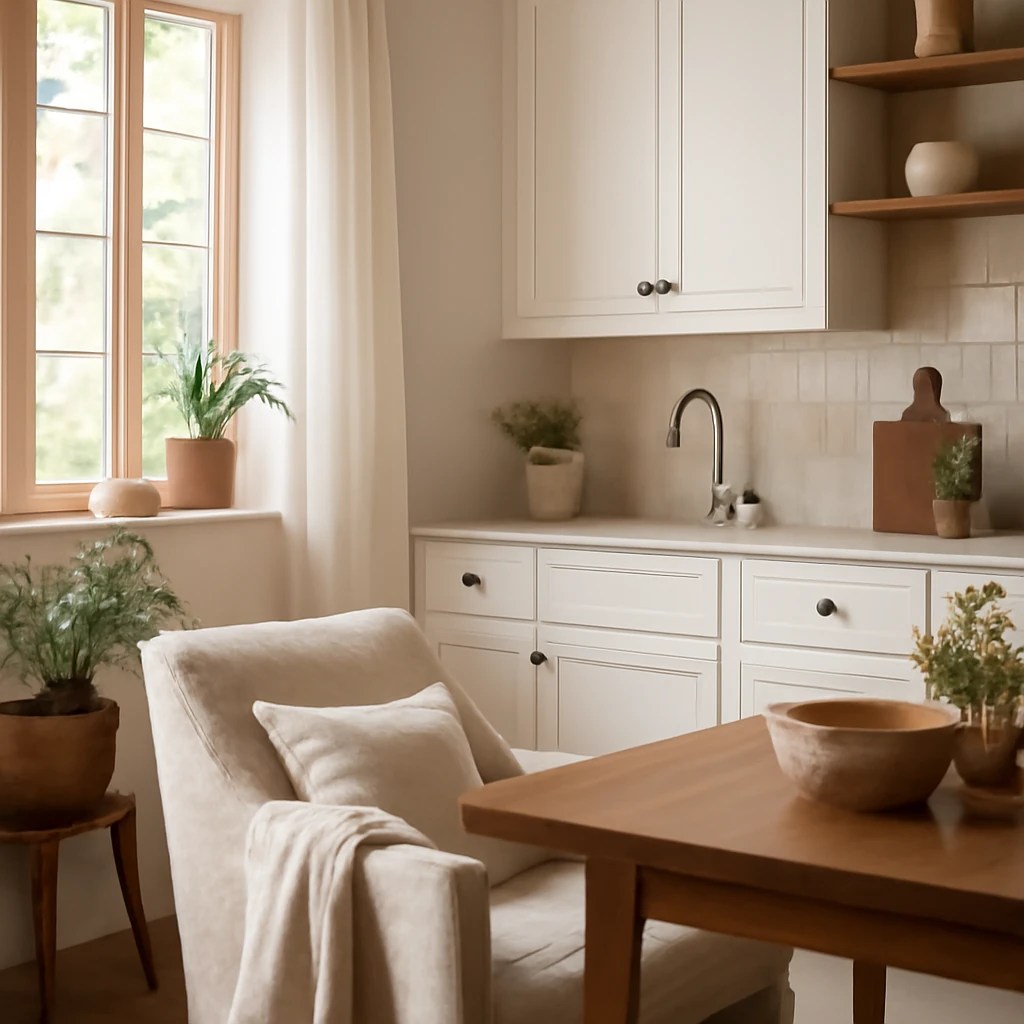
White kitchens remain favourites across Europe for their clarity, flexibility and timeless appeal. Yet the sleight of a well-chosen backsplash is what turns a pristine façade into a space with personality, texture and practicality. The right material, finish and pattern can temper glare, control reflections, and provide a durable, easy-to-clean plane that keeps pace with modern cooking routines. In this feature, we explore 18 European-friendly backsplash ideas tailored to white kitchens - from traditional tiling motifs to contemporary materials - so you can select a solution that aligns with your architectural context, lifestyle and budget.
Azulejo-inspired tile
Azulejo patterns have long graced Iberian homes, offering rhythmic geometry and a bold sense of history. A Porto- or Lisbon-inspired approach works particularly well in kitchens with white, flat-fronted cabinetry. Choose ceramic tiles in classic blue-and-white palettes, with repeating motifs across a modest area behind the hob and sink. To keep the space balanced, pair the pattern with a light, neutral grout and a discrete border tile in a tone similar to the cabinetry. For small kitchens, consider a narrower strip of azulejo at the splashback to avoid overwhelming the room. A European design studio specialising in traditional motifs can guide scale and repeat for optimal proportion.
Blue handmade tile
Handmade ceramic tiles offer depth, subtle variation and a painterly appeal. A coastal Milanese or Catalan kitchen can benefit from a rich cobalt or cobalt-tinged glaze laid in a running bond or stacked bond pattern. The irregularity of handmade tiles brings warmth to a stark white base, while a restrained grout colour - warm grey or ivory - helps the tile texture become a feature without shouting. In larger spaces, consider a vertical strip or a full-width band behind the cooker for a dramatic focal point that still feels refined.
Marble-look porcelain (large-format)
For European urban lofts and contemporary apartments, large-format porcelain slabs that mimic Calacatta or Statuario marble can deliver the luxurious veining of real stone with the practicality of porcelain. Extending the backsplash across nearly the whole wall above base units creates visual continuity, reduces grout lines and makes cleaning simpler. A white kitchen paired with cool or warm undertones in the veining can shift the mood from clinical to contemporary, depending on your choice of cabinet hardware and wall colour. If you enjoy texture, opt for a satin or matte finish to counterbalance high-gloss white cabinetry.
Ornamental Moroccan-style tile
Ornamental tiles with intricate Moroccan-inspired motifs bring colour, warmth and kinetic rhythm to a white kitchen. Use these as a feature panel behind the hob, or create a larger field by repeating a smaller motif in a controlled, monochrome palette. To maintain sophistication, limit the palette to two complementary colours - ideally a soft grey or stone alongside the tile tones. A Scandinavian or Central European setting benefits from the pattern’s rhythmic energy, while a calm, natural-toned worktop can keep the look from feeling busy.
White bevelled tile (metro tile)
The classic white bevelled metro tile remains a universal favourite for its crisp lines and timeless utility. In a kitchen with minimalist, handleless cabinetry, white bevelled tiles can extend to the full height of the wall, emphasising height and light. Choose a slim grout line in light grey to keep the surface looking seamless, or experiment with a contrasting grout to emphasise the tile profile. In European interiors, pair with warm wood tones or coloured countertop materials to avoid an overly sterile result.
Glossy wood-look tile
Wood-look ceramic tiles provide the warmth and texture of timber without the maintenance concerns of real wood. In white fashion kitchens, a high-gloss or pearlescent finish on the wood-look tile can read as a contemporary twist, or a more natural satin finish can maintain a softer, timeless feel. The key is to align the grain direction with the run of the cabinetry and to choose a grout that blends with the tile face. This option is particularly effective in open-plan spaces where the backsplash visually connects with timber flooring or seating areas.
Stainless steel splashback
A professional kitchen aesthetic can be achieved with brushed stainless steel panels behind the cooking zone. Stainless steel offers durability, heat resistance and an ultra-clean reflectivity that amplifies natural light. In domestic settings, be mindful of fingerprints and water marks, use a slightly textured finish or a protective coating if possible. Pair with white or pale cabinetry to keep the space from feeling clinical, and consider integrated lighting to counter potential flatness behind the panels.
Graphic tile or graffiti-inspired motif
Graphic ceramic tiles with bold, urban motifs can inject personality into a white kitchen. A graphic tile in a restrained palette - black, white and one accent colour - can act as a striking focal point without overwhelming the room. Place the design as a narrow band behind the hob or as a larger panel to knit the entire kitchen together. A design studio specialising in contemporary wall patterns can help you select a motif and scale that harmonises with your cabinetry and worktops.
Fish-scale (scalloped) tile
Fish-scale or scalloped tiles bring a tactile, sculptural quality to a space, softening the sharp lines of a modern white kitchen. In a pale palette, choose tiles with a subtle gloss or a soft matte finish to maintain sophistication. A pale-grey grout will highlight the pattern without creating high contrast. This approach works particularly well in smaller kitchens, where the repeating curve adds visual interest without crowding the wall.
Matte black tile
For a dramatic contrast, matte black tiles set against white cabinetry offer a bold, contemporary aesthetic. Keep grout dark or mid-grey to maintain a continuous surface and avoid a speckled look. In European apartments with compact layouts, consider extending the black tile to the full height of the wall behind the cooktop to create a gallery-like, sculptural effect. Balance with light-coloured worktops and metallic accents to prevent the scheme from feeling oppressive.
Chalkboard or chalk-wall finish
Chalkboard finishes allow for practical everyday planning and playful design moments. Coating a long stretch of wall behind the counter with chalkboard paint provides a wipe-clean surface for notes, shopping lists and seasonal menus. Pair this with a pale sink, white cabinetry and a light worktop to prevent the room from feeling heavy. The chalkboard can be refreshed with seasonal colour cues or patterns for a quick style update without price tags or installations.
Glass panel with printed geometric pattern
Glazed glass panels with a geometric print offer a light, luminous solution for kitchens with limited natural light. The glass provides a smooth surface that’s easy to wipe clean and reflects ambient light, which can help smaller spaces feel brighter. To keep the look elegant, select a pattern with restrained scale and cool tones, and ensure the glass edge detailing is recessed for a seamless finish. This option works well in contemporary European flats and penthouses where high-gloss materials are desirable but durability is essential.
Mirrored backsplash
Mirrors as a backsplash can dramatically enlarge a room’s perceived size by bouncing light around the space. In kitchens with tall ceilings or limited window exposure, mirrored panels behind the sink or along the hob wall can create a continuous, airy feel. Practical considerations include frame-less installations with tempered glass and a grout-free edge to simplify cleaning. Pair with light-toned cabinetry and a restrained palette to avoid reflections from becoming overwhelming or causing glare during cooking.
Geometric patterned tile
Bold geometric patterns - triangles, diamonds, herringbone or tessellations - can energise a white kitchen style. When using geometric tiles, a careful balance is essential, keep the rest of the room quiet with uniform cabinetry and a restrained countertop. A mid-grey or ivory grout helps the pattern read cleanly, while a larger-format tile with a reduced tile count minimises maintenance. European designers often blend large-scale geometry with minimal metal hardware to achieve a refined, modern look.
Colourful tile with relief
Tiles with dimensional relief offer tactility and colour without the heaviness of a solid pattern. A pale blue or soft mint relief tile can pair beautifully with white cabinets and natural stone counters, creating a tactile focal point near the sink. The relief catches light differently across the day, adding subtle shading and depth. Sealants or matte finishes can protect the texture while keeping the surface easy to clean in a busy kitchen environment.
Patchwork mosaic tile
A patchwork mosaic combines tiny tiles in varied hues and textures to form a cohesive surface. In a white kitchen, a mosaic panel can look deliberately artisanal and warm, especially when the individual pieces reference natural materials such as stone, ceramic, and glass. When selecting patchwork, consider a cohesive overall hue and ensure the individual tiles align with the cabinet tones to avoid a visually fractured surface. This approach is ideal for kitchens in renovated historic buildings or modern flats where the aim is a personal, eclectic accent.
Unusually shaped porcelain tile
Tiles with unconventional shapes - elongated hexagons, diamonds or chevrons - offer a contemporary language for white kitchens. The pattern can be used as a field or as an accent along a single wall to avoid overload. When using non-rectangular tiles, work with a professional installer to ensure proper joints and alignment, and consider a neutral grout that foregrounds the tile shapes rather than the gaps. This option suits modern European homes with a preference for architectural surfaces and precise detailing.
Square tile for minimalist impact
Classic square tiles in a small format provide a clean, timeless backdrop for a white kitchen. The minimalist approach highlights the purity of the cabinetry andworktops, letting hardware and lighting take centre stage. Pair with a restrained grout tone and complementary textures - such as a honed stone worktop or a velvety paint on surrounding walls - to create an understated, elegant kitchen that ages gracefully. Square tiles are versatile across city apartments and rural retreats alike, offering a quiet, enduring aesthetic.
Choosing the right backsplash for a white kitchen is about balancing light, texture and practicality. Consider the room’s orientation, the level of traffic, and how often the space is used for cooking, entertaining or family life. A backsplash should not merely protect the wall, it should actively contribute to the room’s atmosphere. In many European homes, the ability to update the feel of a space without a full remodel is highly valued. The 18 ideas above offer a spectrum - from classic, enduring options to bold, contemporary statements - so you can tailor your kitchen to your way of living while maintaining the light, airy character that white schemes promise.
You may also like these articles
 Renovation
Wall Levelling: A European Guide to Perfect Walls
Practical, step-by-step guidance on wall levelling for European homes.
Renovation
Turnkey Renovation for European Homes: A Complete Design & Build Guide
Everything you need to know about turnkey home renovations across Europe.
Outdoor & Terrace
Finishing the balcony: materials and ideas to create a stylish, practical extension
Turn your balcony into a stylish, durable extension with expert material guidance.