
Explore interior trends, AI design insights, styling guides and real transformations
Timber and Texture: European Interiors for Wooden Homes
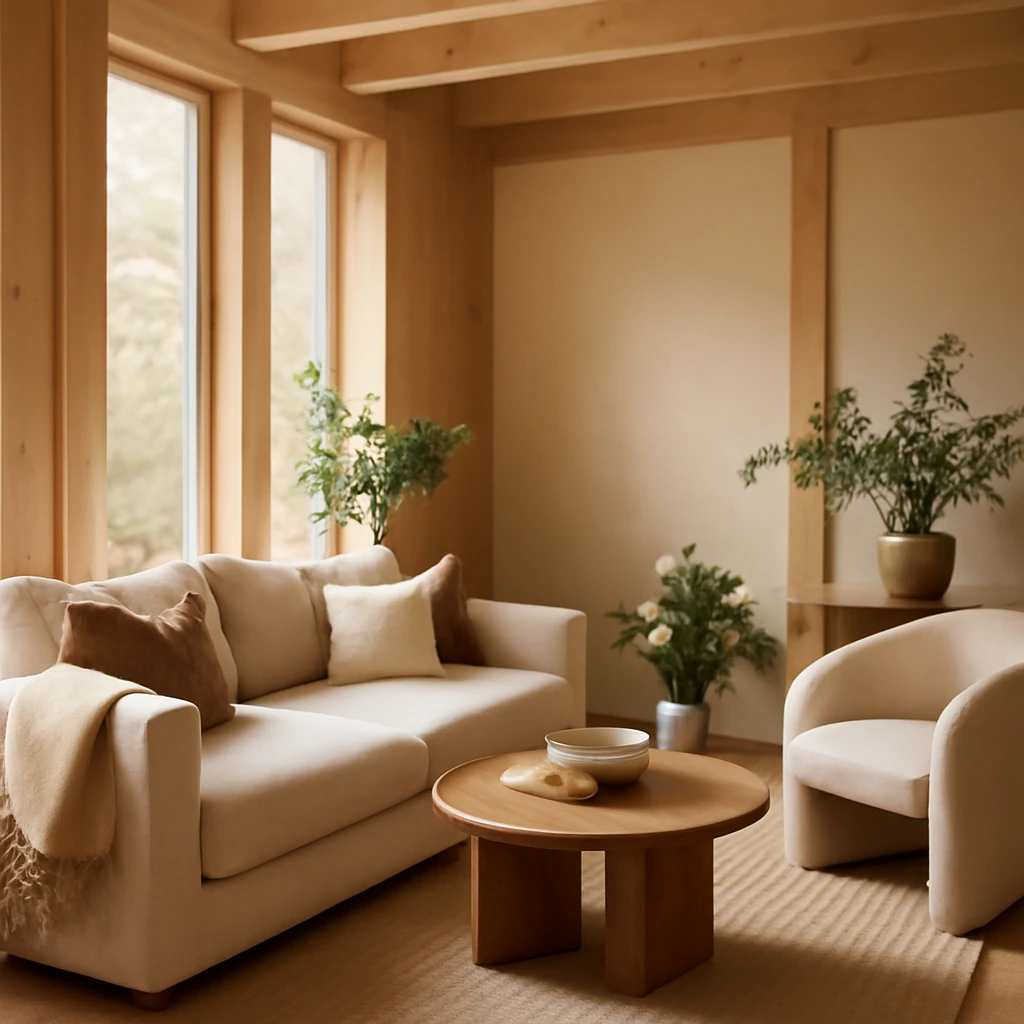
Timber and texture: European interiors for wooden homes
Across Europe, wooden houses - whether traditional timber-framed cottages, modern passive houses or coastal cabins - have become a design language in their own right. The appeal lies not only in the warmth and tactility of wood, but in how it interacts with light, climate and human needs. Contemporary timber interiors move beyond rustic clichés, fusing engineered surfaces, pared-back detailing and sustainable practices to create spaces that feel honest, comfortable and timeless. From Alpine refuges and rural farms to urban townhouses built with timber frames, the interior design approach remains rooted in the material’s natural beauty.
Features of interior design in wooden homes
One of the defining features is the harmony between exterior envelope and interior climate. A wooden façade or structural timber framework often informs the interior rhythm - visible beams, timber panelling, and warm, tactile textures that carry through the living spaces. A well-considered timber interior fosters a microclimate that feels balanced and breathable, especially when paired with intelligent insulation, moisture control and airtight ventilation systems. The goal is a space that remains comfortable year-round, with a sense of serenity that only natural materials can provide.
In European timber homes, the interplay between architecture and interior finishes is deliberate. The same material can serve both structural and decorative roles, while choices in finish and colour set the tone for the room. The emphasis is on sustainable sourcing, durability and ease of care, ensuring spaces that age gracefully without compromising aesthetic integrity.
Wall finishes and interior textures
Natural wood remains a primary interior feature, whether as full-height cladding, wall panels or subtle trims. Wood surfaces benefit from thoughtful treatment: clear varnishes that preserve the grain, hand-applied oils that enrich warmth, or translucent tints that deepen tone while maintaining the natural look. In many European projects, wall finishes are complemented by plaster and limewash, offering breathability and a gentle patina that coordinates beautifully with timber.
When larger areas of timber are not desired, architects reach for alternatives that still celebrate texture: gypsum boards with wood veneer, natural stone accents around a fireplace, or ceramic tile that mimics the look of stone yet remains practical in high-humidity zones. The objective is to maintain lightness and airiness while showcasing the beauty of the timber framework.
Palette and wood treatment: colour and glow
The colour strategy in European timber homes often starts with the wood itself. Lightly toned or whitewashed walls can amplify daylight and create an airy canvas that makes the timber grain the star of the room. To avoid an overly clinical look, designers often introduce warmth through soft neutrals - creamy whites, biscuit beige, stone, and taupe - that harmonise with the wood’s natural warmth.
Wood can be toned, stained or left natural to highlight its grain. Lightly amber or honey tones work well in contemporary schemes, while darker stains provide a more intimate, cosy atmosphere. It is common to see a restrained palette with occasional colour accents - blues, earthy greens, soft greys or terracotta touches - to keep the space visually engaging without overpowering the timber.
Interior styles in wooden homes: European interpretations
Wooden interiors do not confine themselves to a single look. Across Europe, designers reinterpret timber through a spectrum of styles, each with its own character while sharing a respect for natural materials.
Provencal-inspired rustic charm
Provencal interiors evoke rural tranquillity and sun-warmed landscapes. In timber homes, the charm comes from using natural materials: wood floors, terracotta tiles, natural stone, and handmade textiles. Decor emphasises handcrafted elements and a sense of daily life rather than polish. The colour palette is soft and muted - sun-bleached whites, sage greens, dusty blues, and pale turquoise - paired with warm timber and light stone. Dainty, handmade details such as lace, heirloom textiles or artisanal pottery can provide subtle character without competing with the timber’s natural beauty.
Nordic and Finnish influences: light, air and hygge
Nordic-inspired timber interiors prioritise space, light and practicality. High ceilings with white plaster or pale wood ceilings, large windows, and restrained decoration create a calm, uncluttered environment. The palette favours pale neutrals with occasional accents of blue, charcoal or charcoal-green, while the textures remain soft - woven throws, linen, wool, and lambswool. Wood finishes are often very light, with clean joints and minimal ornamentation. The overall result is a bright, serene home that feels effortlessly welcoming, ideal for European climates where daylight can be fleeting in winter.
Chalet aesthetics: rugged warmth and natural drama
Chalet-style interiors celebrate the rugged charm of exposed timber and stone. Walls may feature substantial logs or wide timber planks, paired with rough-hewn beams and stone fireplaces or surfaces. Natural textures - sheepskins, leather seating, and heavy blankets - add warmth and depth. The colour scheme tends toward earthy tones: ochre, burnt umber, moss green, and stone greys, with the timber providing the counterpoint. A water-based varnish or low-VOC finish on timber keeps the surface honest and breathable, while stone and timber are laid to withstand humid environments such as kitchens and bathrooms.
English country refinement: warmth, texture and comfort
English-influenced timber interiors are characterised by a cosy, layered look. Rooms feature panelled walls, rich textiles, and a gallery of meaningful objects. Fireplaces, libraries, and upholstered seating dominate the scene, with a palette drawn from natural materials: sand, stone, ivory, bronze, and muted greens. Timber is used in both structural and decorative roles - from beams to shelving and furniture - creating a sense of continuity and tradition while allowing modern comfort through updated lighting, acoustics and heating technologies.
Other European interpretations and crossovers
In many projects, designers blend timber with contemporary finishes - concrete floors, polished plaster, or glass - creating a dialogue between the old and the new. The result is a space that feels rooted in place yet prepared for modern living. The key is to keep a coherent rhythm, with timber used as a unifying thread across spaces rather than a series of isolated accents.
Interior rooms in timber homes: a room-by-room guide
Timber interiors work across all living spaces, with each room presenting unique opportunities to celebrate the material while addressing practical needs.
The living room
The living room is often the heart of a timber home. A stone or brick fireplace, surrounded by timber detailing, anchors the space. Flooring typically features solid timber planks or engineered wood with a warm finish. Exposed beams or a timber-lined ceiling establish the room’s character. Furnishings lean toward comfortable, durable fabrics - linen, wool, bouclé - paired with cushions in natural tones. Lighting combines ambient fixtures with task lighting and accent lamps to enhance the grain’s texture as daylight fades.
The kitchen
Kitchens in timber houses should balance resilience with aesthetic warmth. Moisture-prone zones benefit from durable, water-resistant finishes. Cabinetry can follow the natural wood grain or be painted in soft neutrals to maintain brightness. Worktops might be stone, quartz, or timber with a protective coating. A backsplash of ceramic tiles, glass, or natural brick adds visual texture while withstanding humidity. Appliances are integrated for a seamless look, while open shelving or glass-fronted cabinets introduce lightness and airiness.
The dining and family zones
An open-plan layout is common, linking kitchen, dining and living areas. Timber horizons - ceiling beams, wall cladding, or a feature wall - tie the zones together. Soft textiles and rugs drum up warmth and define seating areas without heavy divisions. Good acoustics are essential in timber interiors, consider fabric panels, woven wall hangings or upholstered furniture to soften reverberations.
The bedroom suite
Bedrooms in wooden homes benefit from restful palettes and tactile textures. White or pale walls become a backdrop for the grain of timber furniture, bed frames, and wardrobes. Layered lighting - ambient, task and mood lighting - allows occupants to tailor atmosphere. Natural fibres such as linen bedding, wool throws and cotton curtains create a sanctuary-like feel, while blackout shades assist sleep in light-prone environments.
Children’s rooms and multi-use spaces
Children’s rooms in timber houses thrive on flexibility. Built-in storage, modular furniture and durable finishes support growth and changing needs. Consider washable wall paints or vinyl-friendly wall coverings, protected timber edges, and soft, non-slip flooring materials to ensure safety and easy maintenance. For mezzanines or attic spaces, use a warm timber ceiling to maintain a sense of continuity and scale.
The bathroom and wet rooms
Timber in bathrooms requires careful material choices due to moisture. Timber-look porcelain or engineered wood with excellent water resistance is a practical option, complemented by natural stone, ceramic tiling, and resin-based finishes. Ventilation is crucial to prevent mould and odour buildup, consider continuous mechanical ventilation with heat recovery and humidity-sensing controls. Subtle timber details - vanities, shelving, or a small timber-framed mirror surround - can provide cohesion with the rest of the home.
Attics and lofts: light and function
Attics in timber houses are perfect for relaxation zones, home offices or guest rooms. Keep skylights or tall windows well-insulated to maximise daylight while maintaining thermal comfort. Exposed roof timbers can become a focal design element, paired with warm textiles and low furniture to preserve a sense of openness.
Design strategies for small timber homes
Compact timber houses deserve clever planning to achieve a sense of space without sacrificing warmth or material integrity. Consider open-plan layouts with light, neutral walls and timber accents to reflect light and create continuity. Built-in storage, sliding doors, and multi-functional furniture reduce clutter and maximise usable space. A well-considered ceiling height (2.4–2.7 m for compact spaces, up to 3.0 m in larger homes) helps maintain a human scale and comfort. In smaller volumes, use lighter timber finishes and reflective surfaces to enhance perceived roominess while preserving tactile richness.
Practical considerations for timber interiors
European timber homes require mindful management of climate and humidity. Timber is a natural material that responds to moisture, so high-quality insulation, vapour barriers and controlled ventilation are essential. Prioritise breathable wall systems, moisture-resistant joinery, and finishes that can be maintained over decades. Regular checks for mould or moisture pockets behind panels protect timber surfaces and indoor air quality.
Fire safety is another critical consideration. Modern timber constructions employ fire-rated treatments, compartmentalisation, and compliant passive fire protection. Fire-resistant finishes on wood, along with proper smoke detection and evacuation plans, contribute to a safer living environment without compromising aesthetics.
Lighting and textiles: shaping atmosphere
Lighting plays a pivotal role in timber interiors. A layered approach - general, task and ambient lighting - avoids a flat look and highlights timber features. Warm-colour LEDs (2700–3000 K) complement natural wood tones and create a cosy atmosphere as daylight recedes. Textiles add softness and warmth: wool rugs, linen drapery, cotton upholstery and sheepskins. Layered textiles also help regulate acoustics, a particularly welcome effect in timber-clad rooms where sound can bounce off hard surfaces.
Sustainability and timber sourcing
European timber interior design increasingly emphasises sustainability. Architects favour responsibly sourced timber, certified by recognised schemes, and prefer finishes with low VOC emissions to improve indoor air quality. Reclaimed or milled-to-order timber reduces waste, while durable, repairable components extend the life of the interior. Selecting energy-efficient windows, insulation and climate-control systems complements the timber’s natural durability and helps achieve lower running costs over time.
From concept to completion: a practical approach
Embarking on a timber interior project begins with a clear brief and site assessment. Key steps include establishing the building’s climate needs, selecting the timber system (traditional frame, CLT or engineered timber, or a hybrid with steel or concrete), and defining a cohesive aesthetic language. Early collaboration between architect, interior designer and a specialist timber contractor ensures details - such as moisture barriers, joinery tolerances, and finishing schedules - align with both performance targets and visual aims.
Material selection should balance appearance with durability. For living spaces, consider a mix of solid timber floors, timber veneers, and soft textiles to soften the environment. In wet areas, opt for water-resistant finishes and non-slip surfaces. Lighting plans should accent timber grain and architectural features while maintaining energy efficiency.
Conclusion: timber as a living philosophy
Wood offers a timeless narrative for European interiors. Its warmth, acoustic comfort and tactile richness bring natural beauty into daily living, while modern construction and finishing techniques ensure practicality and longevity. A well-considered timber interior is not merely about style, it is a sustainable stance - one that honours local materials, climate, and craft. By pairing thoughtful design with robust performance - breathable wall systems, intelligent moisture management and energy-conscious layouts - timber homes become spaces that feel both intimate and expansive, contemporary yet deeply rooted in the landscape they inhabit.
You may also like these articles
 Kitchen Design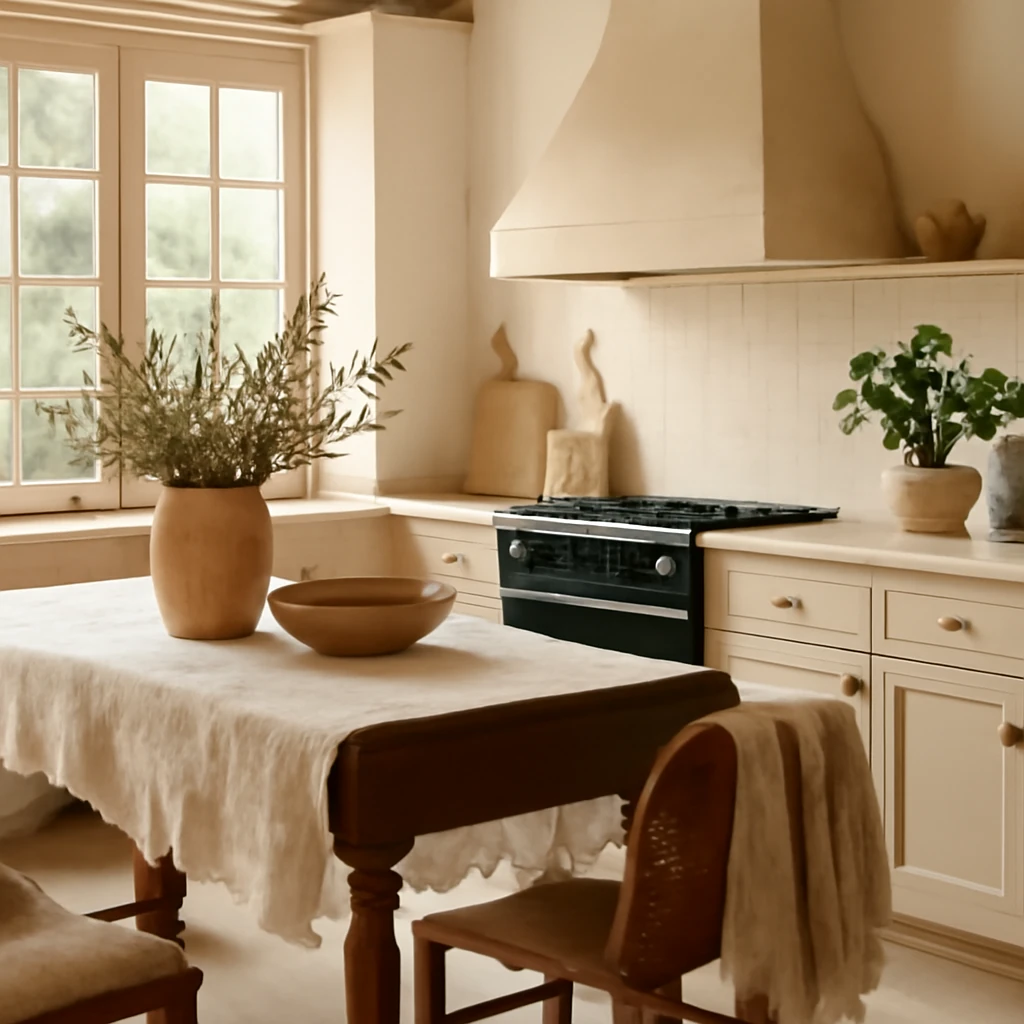
The Timeless Allure of Provencal Kitchens: A European Guide to Rustic Elegance
Sunlit Provencal kitchen design for European homes: rustic charm meets modern living.
Bathroom Design
Closing the gap: practical and decorative fixes for bath–wall joints
A practical guide to sealing and disguising the gap between bath and wall in European bathrooms.
Tips & How-To
How to Create a Full Design Project Yourself: A Practical Guide for European Homes
From first measurements to final drawings: a complete DIY design roadmap.