
Explore interior trends, AI design insights, styling guides and real transformations
Bedroom trends for 2026: calm, colour and clever layouts across Europe
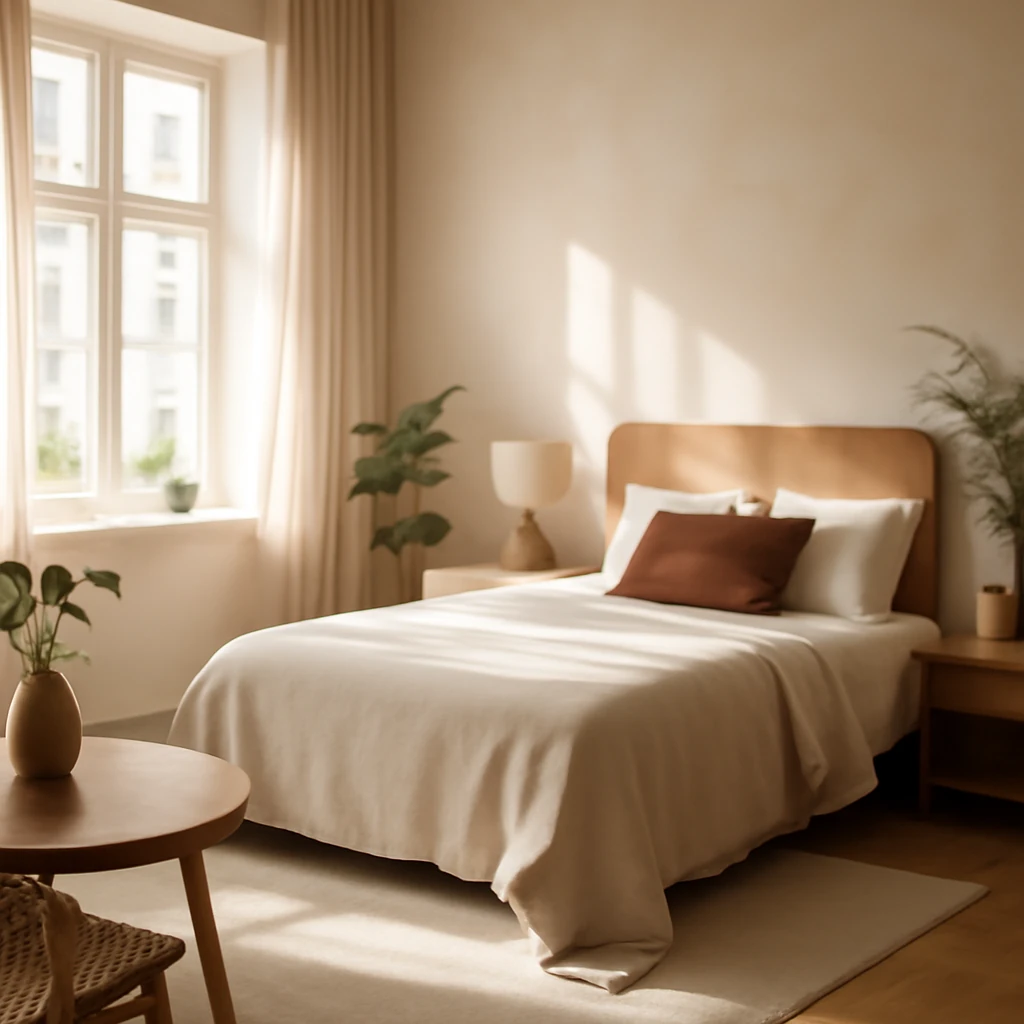
Bedroom trends for 2026 across Europe: calm, colour and clever layouts
Across European homes, the bedroom remains first and foremost a sanctuary. In 2026, designers favour spaces that combine comfort with subtle luxury, bringing warmth to minimalism and meaning to every material choice. The challenges of diverse housing - from compact city apartments to airy family rooms - are met with a shared emphasis on natural textures, tactful colour, flexible lighting and intelligent storage. The result is rooms that feel effortlessly elegant, yet are durable and easy to live in. This guide surveys the most influential approaches, translated for homes from the Baltic coast to the Iberian peninsula and from the Alpine valleys to the Aegean shores.
Colour and materials: a natural, tactile language
The palette for European bedrooms in 2026 continues to revolve around nature-inspired hues. Expect warm whites and stone greys as the grounding tones, layered with earthy browns, olive greens, broken blues and soft terracotta. The aim is to induce calm and make spaces feel grounded rather than clinical. Natural materials take centre stage: oiled or brushed timbers, linen and wool textiles, stone or ceramic surfaces, and undulating textures that invite touch.
One enduring principle is the use of a restrained base palette, with a carefully chosen accent colour to reveal personality without visual noise. A frequent approach is the 60:30:10 rule, commonly expressed in European design circles as Total White with two complementary tones and a 10% accent. This balance helps rooms feel larger and more coherent while allowing statement pieces to glow without overwhelming the senses.
Total White in a 60:30:10 balance
Total White remains a foundation for a serene bedroom, but pure whiteness can feel sterile or clinical if used without care. The recommended approach is a soft, champagne- or eggshell-white base occupying about 60–70% of the space, a secondary neutral at 20–30%, and a deliberate 10% of colour or texture as an accent. In practice, this might translate to white walls, a light stone floor, a warm-caramel or soft-grey secondary tone for bed textiles and cabinetry, and a bold accent such as deep blue, sage green, or brushed brass fittings. The point is to maintain air and ease, while ensuring the room still reads as a tailored interior rather than a showroom scene.
Note: in European projects, white is often tempered with warm undertones to prevent a chilly atmosphere, particularly in northern climates where daylight is precious in winter. The careful use of texture - matt plaster, a linen upholstered headboard, or a wool rug - absorbs light and reduces glare, reinforcing a restful mood.
Monochrome for a space that feels “uncornered”
Monochrome schemes, where walls, millwork and textiles blend in tones of the same family, create a sense of continuity and expansiveness. The absence of sharp color breaks allows architectural details to lead the eye and makes the room feel more generous. In such interventions, subtle variations in finish - matte plaster, satin wood, and silk-blend textiles - replace colour with nuance. A single feature element - such as a high upholstered headboard or a sculptural light fitting - provides focal interest without disrupting the quiet logic of the space.
Earthy, grounded tones and natural textures
Earth-toned schemes are especially popular in European bedrooms, where rooms often aim to feel connected to nature. Expect greige walls, warm sand or olive undertones, and a spectrum drawn from ochre, terracotta, stone and clay. This palette works particularly well with timber floors in light to mid tones, layered textiles in wool or bouclé, and wild or cut greenery that bring life into the room without shouting for attention.
Dark, soothing hues for a cocoon-like retreat
Deep tones - such as indigo, charcoal, or forest green - are increasingly used as walls or a principal bed space backdrop in larger rooms or in homes with abundant daylight opening. The key is proportion: the dominant colour should cover around 80% of the view, with 20% reserved for lighter companions to keep the space from feeling engulfed. A dark wall behind the bed creates a dramatic focal point, while mirror and metallic accents keep the eye moving and the room feeling alive.
Greenery, blues and the tactile greys of stone
Muted greens inspired by forests and mosses, combined with stone greys and blue-greys, create a timeless, restful atmosphere. Accent textures - woven textiles, a vale of silk or velvet, a linen-covered ottoman - enhance the sensory quality of the room and invite lingering in the evening. Plants, natural light, and soft shadows from a layered lighting plan complete the sense of a living, breathing space.
Wood as colour: pale timbers and warm finishes
Wood continues to act as the principal colour in many European bedrooms, valued for its warmth and longevity. Light woods such as ash, oak or ash walnut offer a gentle counterpoint to cool walls, while darker timbers bring ceremonial depth to larger spaces. Whether used for built-in wardrobes, bed frames or flooring, timber is most effective when finished to enhance its natural grain and paired with textiles that celebrate its tactile beauty.
Pattern and texture as co-stars
Decorative surfaces - textured plaster, wall panels, and large-scale wall coverings - are used sparingly to avoid visual overload. When patterns are employed, they are usually reined in through scale and colour, often with a single bold motif set against a neutral field. The aim is to add character without creating visual competition with the bed, which remains the room’s primary focal point.
Space planning for bedrooms of different sizes
European homes vary greatly in plan and proportion. The most successful bedrooms in 2026 are those that acknowledge the room’s size and adapt storage, lighting and furniture to it - rather than forcing a preconceived layout. Below are practical guidelines for small, medium and large bedrooms, plus strategies for square and rectangular plans.
Interiors for small bedrooms
In compact spaces, the objective is to maximise perception of space and to keep the floor as clear as possible. Light, neutral walls paired with a low-profile bed help to make the room feel airier. Built-in wardrobes with mirrored or reflective fronts expand the sense of depth. Where possible, opt for slender bedside consoles instead of bulky nightstands, and use under-bed storage to conceal items out of sight. Multi-layered lighting is essential: a recessed ceiling light for ambient illumination, plus small wall lights by the bed and a couple of task lamps for reading and dressing. Finally, consider a large-scale mirror to capture daylight and to visually double the space.
Interiors for larger bedrooms
In more generous rooms, it is worth creating definable zones: a sleeping area, a dressing or wardrobe zone, a reading corner and a small workspace if needed. The bed should have a proportionate presence - an upholstered headboard with soft edges adds comfort and a sense of luxury. Introduce a seating area with a pair of comfortable chairs or a chaise, plus a soft rug that grounds the bed and anchors the space. Wardrobes can be freestanding with custom detailing or built-in with a light-gloss finish to reflect light. A larger room benefits from a layered lighting plan: a decorative ceiling form for general light, supplemented by wall sconces near the bed, a floor lamp for the seating area, and a dimmable desk lamp if a desk is present.
Square bedrooms: balancing symmetry with softness
In square plans, symmetry helps create calm. Positioning the bed on one wall, with balanced storage on either side, reinforces a balanced, orderly feel. To avoid a rigid box-like impression, introduce asymmetry in textiles or lighting elements - one shelf or one pair of side lamps with a different finish can subtly disrupt rigidity without sacrificing harmony.
Rectangular bedrooms: breaking the line, enhancing flow
Rectangular rooms benefit from a longitudinal lighting strategy and a careful distribution of furniture along the longer axis. Consider a shallow wardrobe that runs along one wall and a seating area at the opposite end, with a rug that visually anchors the bed and defines the primary zone. Use horizontal lines in the furniture to emphasise width and create a sense of movement through the room.
Finishes and decoration: making rooms feel handcrafted
Decoration should reinforce comfort and individuality, not overwhelm it. In European projects, designers combine restrained colour with artisanal details - hand-painted textures, bespoke wood paneling, and carefully crafted textiles that reflect regional craft traditions while remaining timeless. Subtle decorative elements - embossed wallpaper, a carved headboard, or a handwoven throw - offer personality without compromising serenity.
Lighting for the sleeping environment
Lighting is central to sleep quality and multifunctional living. A well-designed bedroom uses layered lighting to transition from waking hours to rest. A central ceiling pendant or a flush mount supplies ambient light, wall lamps or sconces centred by the bed provide warm, relaxing illumination for evening reading, a floor lamp or a small table lamp at the dressing area adds targeted light without glare. Dimmable fixtures and warm-colour bulbs (2700–3000 Kelvin) help cultivate a soft, inviting atmosphere. Commissioning a lighting plan that includes zones for sleeping, dressing and reading ensures the room adapts to different rituals and times of day.
Furniture and storage: combining function with aesthetics
When selecting furniture for a European bedroom, consider comfort, durability and environmental impact as core criteria. A well-proportioned bed is essential: the width and height should suit the user’s physiology, and the mattress should be supported by a robust base that complements the chosen bed frame. For storage, built-in wardrobes with sliding doors conserve space and maintain a clean line, interior organisation is key to avoiding visual clutter. A compact chest or dresser can offer surface space for essentials, while a bench at the foot of the bed provides a place to sit or place items temporarily. A compact seating area, such as a pair of chairs or a small banquette, can create a tranquil corner for reading or dressing without crowding the room.
The sleeping bed as a design statement
In many European bedrooms, the bed itself becomes a focal point - a generously upholstered headboard in a tactile fabric or a sculptural platform form can anchor the space. The headboard does not merely cushion the head, it silhouettes the room, shaping the perception of scale. Light-coloured fabrics with a soft sheen reflect warmth, while darker, textured fabrics add drama without heaviness when balanced with lighter surroundings.
Storage that disappears when not needed
Integrated storage is essential in modern European bedrooms. Consider concealed wardrobes with flush-fit doors or retractable panels, and use vertical space for slim bookcases or shelves. The goal is to achieve a calm, uncluttered surface area - every item has its place, and every place is chosen with care. Where space allows, consider a walk-in wardrobe, designed with an unobtrusive entry and a soft interior lighting system to reveal contents without glare.
Decoration and personalisation: quiet luxury
In 2026, bedrooms gain personality through texture, artful textiles and curated objects rather than through overt ostentation. A carefully chosen rug can define the sleeping zone and reduce sound reverberation, textiles such as a bouclé throw, cashmere or linen curtains add tactile richness, wall surfaces may feature a restrained mural or a subtle tonal variation to add depth. The objective is a space that feels human - comforting and liveable - yet refined enough to feel special.
Maintenance, durability and sustainability
European interiors increasingly prioritise materials that stand up to daily life and endure. Durable woods, treated surfaces that resist wear, natural textiles that age gracefully, and finishes that can be refreshed with minimal effort are highly valued. Sustainability also means choosing locally produced or responsibly sourced materials where possible and designing for longevity rather than disposability. A well-considered bedroom should age gracefully, with the capacity to accommodate evolving lifestyles and technologies without losing its core calm and clarity.
Frequently asked questions
What materials and textures best suit a contemporary European bedroom?
Materials that combine tactility with durability are preferred: matte plaster or plaster-like finishes on walls, timber or cork flooring, linen or bouclé upholstery, and soft-wibre fabrics for curtains and cushions. Lighting fixtures with metal or brushed-brass components provide warmth and subtle sparkle. A restrained approach to patterns allows the room’s architecture to breathe and keeps daily use practical.
Which colour palettes are most common in modern European bedrooms?
Expect a spectrum that moves from warm whites and stone greys to earthy tones such as taupe, olive, and terracotta, with accent walls or textiles in deep navy, forest green or slate blue. A cap of black or graphite detailing can ground the space, while metallics in brass or warm nickel add a touch of luxe without shifting the mood from restful to raucous. The core rule remains: limit main colours to three or fewer to sustain coherence.
- General guideline: use at least two neutrals as a base, and reserve one bold colour for a single feature zone.
- Examples of suitable room scenarios include compact city flats of around 25–40 m² and larger boulevardside bedrooms of 60–110 m².
- Consider the room’s light exposure when determining the depth of the accent hue, cooler climates may benefit from warmer accents to simulate daylight warmth.
What common mistakes should be avoided in a stylish European bedroom?
- Overloading the space with decor, a minimalist approach helps air and light to circulate and creates a calmer ambience.
- Using overly harsh overhead lighting, layered lighting with dimming options is preferable for changing moods and tasks.
- Mixing too many textures and patterns, aim for 2–3 primary materials and 2–3 pattern scales to keep the scheme cohesive.
- Poor storage planning, visible clutter undermines a serene environment, so design discrete storage that hides anything not in use.
- Disproportionate furniture, large beds in small rooms can dominate the space, while undersized pieces can feel insubstantial in larger rooms.
In the end, a bedroom designed for 2026 in Europe should feel effortless, personal and restorative. It should reflect a respect for craft and sustainable materials, while embracing the flexibility needed for modern living. A room that is both a sanctuary for sleep and a practical ally for daily routines - dressed in refined textures, lit by a layered, adaptable lighting scheme, and furnished with well-proportioned pieces that last beyond trends - is a bedroom that will remain relevant for years to come.
You may also like these articles
 Small Spaces
Small-space Mastery: European apartments redefined for city living
Ten compact European homes show how small spaces can feel expansive.
Tips & How-To
How to Create a Full Design Project Yourself: A Practical Guide for European Homes
From first measurements to final drawings: a complete DIY design roadmap.
Small Spaces
Kitchen niche in European homes: planning rules and practical layouts
A guide to European kitchen niches: planning, rules, and compact layouts for small spaces.