
Explore interior trends, AI design insights, styling guides and real transformations
A European Guide to Country Kitchen Design: Warmth, Craft and Comfort
Introduction
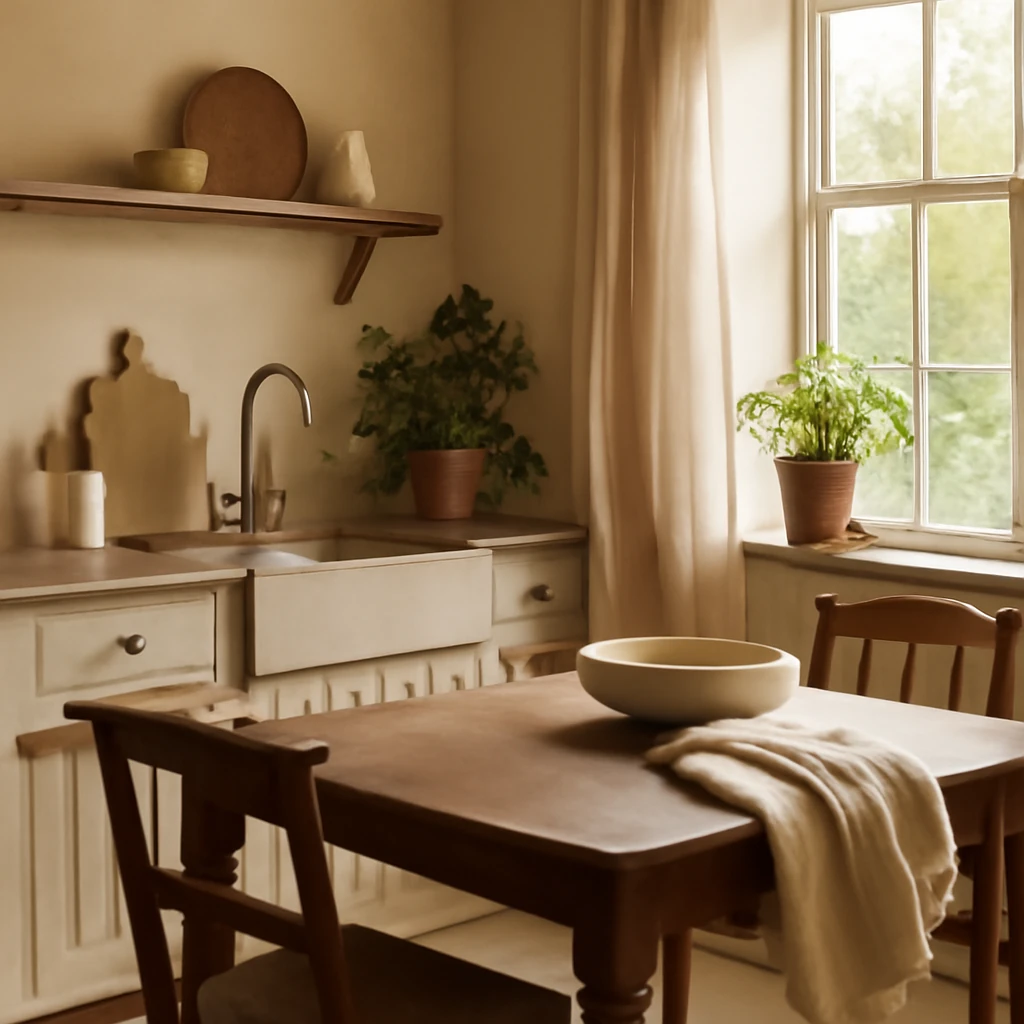
The appeal of a country kitchen across Europe lies in a nuanced balance between rustic warmth and contemporary practicality. It is a space that invites cooking, conversation and slow meals, a room that wears its age with quiet pride and becomes more hospitable as the years pass. Whether tucked into a compact urban apartment or housed in a stone-walled villa, this style blends authentic craftsmanship with modern functionality through thoughtful material choices, soft colour palettes and handmade detailing.
In this guide we explore the European countryside kitchen as a living tradition - one that honours the past while embracing sustainable materials, timeless silhouettes and intelligent layouts. We look at regional variants, core design principles, and practical steps to create a kitchen that feels down-to-earth yet thoroughly equipped for today’s busy households.
Styles and influences
Over the centuries, the country kitchen has absorbed a spectrum of regional flavours. Here are some of the most enduring European expressions, each with its own mood, materials and detailing, but all anchored in comfort, durability and a sense of place.
French Provençal kitchen
This variant is defined by soft lines, warm pastel colours and a sunlit, welcoming atmosphere. Think creamy walls, gently distressed timber, open shelving that displays beloved ceramics, and limestone or terracotta flooring. Decorative tiling, handmade earthenware and ceramic backsplashes are common, while furnishings favour carved detailing and a relaxed, lived-in feel. The overall effect is light, airy and timeless, with a nod to rustic elegance rather than rustic harshness.
Italian country and Tuscan rustic
Drawing on a warm palette of ochre, terracotta and earthy reds, Italian country design embraces robust textures - exposed timber beams, terracotta floor tiles, and hand-painted ceramic accents. Furniture is substantial but well scoped, often with a warm patina. Spaces feel uplifting and convivial, with a focus on hospitality and shared meals. The palette remains earthy and grounded, never loud, with white or cream plaster walls to balance the deeper tones.
Mediterranean coast
Inspired by sun-drenched shores, this style favours natural materials in light finishes: stone, pale woods, linen and cotton fabrics, and ceramics with a coastal glaze. Colour accents lean toward cobalt or turquoise in small doses, paired with deep sky blues and warm neutrals. The atmosphere is relaxed and sunlit, with plenty of daylight and carefully chosen crafts that reflect a sea-salt freshness.
Nordic countryside
In Nordic countryside kitchens, pale, luminous spaces are tempered by warm timber and tactile textiles. White-painted or pale timber walls, light-coloured floors and simple, functional furniture characterise this look. The emphasis is on clean lines, practical storage, and a sense of quiet order that still contains warmth through natural fibres, woollen textiles and subtle stone accents.
Alpine chalet vibe
Evoking mountain refuges, this style relies on heavy timber, stone, and cosy textiles. A central fireplace or stove, rugged timber cabinetry, and a mix of linen and sheepskin textures create a sheltering ambience. Colour is typically restrained, with deep charcoals, forest greens or burgundies used sparingly as accents to emphasise architectural features and craft details.
Core characteristics
Regardless of which regional flavour you favour, country kitchen design follows a set of shared principles that ensure comfort, practicality and authenticity:
- Natural materials predominate in finishes - timber, stone, brick, ceramic and hemp or linen textiles.
- A deliberate sense of age: subtle wear, patina and handcraft details are celebrated rather than hidden.
- A restrained colour palette rooted in natural tones, with colour mainly applied to accents or soft, creamy walls.
- Furniture and fittings often feature handmade or traditional construction, with a preference for repairable, durable pieces.
- Decorative motifs draw on botanical or agricultural themes, and may reflect regional heritage.
- The kitchen expresses the country of origin’s character, while remaining fully functional for modern living.
Colours
For a country kitchen that feels calm and timeless, avoid loud contrasts. Instead, favour soft, natural tones that brighten the room and enhance the sense of space. Recommended hues include cream, ivory, warm white, pale butter, soft greys, and light stone, these form a versatile backdrop for timber and stone. Subtle yellows, lilac or powder blue can be introduced through furniture finishes, textiles or ceramic tiles to add warmth without visual noise. Darker colours are best reserved for focal points such as an island, a built-in fireplace surround, or a statement tile.
Materials
Materials in a European country kitchen are chosen for their durability, tactile quality and ability to patina with time. The following are commonly preferred:
- Roughly finished or richly textured timber for cabinetry and furniture.
- Natural brick or brick-look surfaces for warmth and texture.
- Natural stone or ceramic tiles - especially for work surfaces, floors or splashbacks.
- Hand-painted ceramics, floral motifs and traditional patterns in tiles or pottery.
- Rough-hewn textiles in linen and cotton for textiles and curtains.
- Wicker and woven baskets for practical storage and rustic charm.
- Decorative plaster or limewash walls to achieve a soft, breathable surface.
Layout and finishes
The layout and finishes of a country kitchen should support social cooking and everyday use. Pay attention to how wall, floor and ceiling treatments reinforce the overall mood and practicality of the space.
Walls
Avoid glossy, clinical surfaces. Opt for warmth and texture through painted plaster, limewash, or pastel-painted walls. If using wallpaper, choose subtle prints such as tiny florals or checks in soft tones. Wall panels or timber cladding can be used to create a cottage-like ambience, especially around dining zones or islands.
Practical wall options include decorative plaster with a matte finish, ceramic wall tiling in the working area, or timber panelling that runs part way up the walls for a rustic nod without overwhelming a compact kitchen.
Floors
Traditional country kitchens favour timber floorboards or natural stone - materials that age gracefully and bring warmth underfoot. In smaller apartments, engineered timber or large-format ceramic tiles that mimic wood can achieve the same look with improved durability. When using timber, consider a subtle distressed finish or a light stain that enhances grain without sacrificing cleanliness.
In regions with cold winters, heated floors beneath natural stone or timber surfaces can significantly improve comfort, while maintaining a traditional aesthetic.
Ceiling
Exposed beams are a hallmark of many European country kitchens, providing architectural character. If original beams are not feasible, alternative treatments include painted beams, timber slat ceilings, or a whitewashed ceiling to reflect light. A flat, white ceiling with concealed lighting can also work well in a modern reinterpretation, as long as the surrounding details convey rustic authenticity.
Doors and windows
Windows in country kitchens are typically timber-framed and painted in light colours to brighten the room. Where possible, consider French doors that open to a terrace or garden, extending the living space outdoors. Doors may be lightly aged or have a soft, weathered finish to echo rural character. For entry doors, glazing or frosted panels can introduce light while preserving privacy.
In compact urban settings, consider adopting larger window openings or glass doors to maximise daylight, while using internal timber panelling or brick reveals to retain a cottage feel.
Lighting
Country kitchens thrive on daylight and warm, layered lighting. Natural light should be complemented by carefully chosen artificial sources that emphasise comfort and practicality.
- Over the dining area, hung pendants or a wrought-iron chandelier with a warm glow can create a focal point that anchors the space.
- Task lighting should illuminate work zones - under-cabinet LEDs or hidden coves help you see clearly while cooking.
- Wall sconces or lantern-style fittings on the walls contribute to a vintage, comforting atmosphere.
- For rural or traditional homes with low ceilings, opt for compact, warm fixtures that blend with timber features rather than compete with them.
Furniture and appliances
Furnishings in a country kitchen are both functional and tactile, prioritising comfort and character over ostentation. Consider the following approaches:
- Kitchens with wooden or veneer-fronted cabinetry, possibly with decorative carving or glazing on doors.
- Open shelves displaying well-loved pottery, glassware and everyday crockery. These shelves should feel purposeful - every item should have a function and a story.
- A substantial central island in timber or painted finish provides work space and a gathering point for family meals.
- Appliances can be integrated or chosen in a retro or heritage style to harmonise with the overall aesthetic. Use panelled fronts or colour-matched cabinetry to reduce visual weight.
- Consider a farmhouse sink or a deep ceramic sink with a traditional design to reinforce the country mood.
Textiles, decor and accessories
Textiles and decorative pieces are the easiest way to personalise a country kitchen while staying true to the style’s essence. Choose fabrics with natural textures and muted patterns, such as linen, cotton or wool blends. Accessories should feel useful and considered, not merely decorative.
- Embroidered or handmade textiles - table runners, napkins and curtains in natural fibres.
- Woven baskets for storage and display, adding tactile geometry.
- Ceramic or terracotta tableware left on open shelves to evoke everyday life in the countryside.
- Handmade ceramics, pottery and glazed tiles with botanical or geometric motifs.
- Fresh herbs in portable terracotta pots or wooden boxes for a lived-in look and home-grown scent.
Smart planning and sustainability
A country kitchen should be robust, easy to maintain and good for the planet. Practical strategies include:
- Select durable, repairable materials with a long lifespan and low maintenance requirements.
- Choose natural, low-toxicity finishes and paints to improve indoor air quality.
- Invest in energy-efficient appliances with well-sealed cabinetry to minimise heat loss and improve performance.
- Opt for modular storage that adapts to changing family needs - tall pantries, deep drawers, and open shelves that invite organisation rather than clutter.
- Where possible, repurpose vintage or salvaged pieces to add character and reduce waste.
Small spaces: smart layouts for urban homes
In city apartments, the country kitchen can be compact yet warm and functional. Consider the following approaches to maximise space while preserving charm:
- Use light-coloured cabinetry and walls to reflect daylight and create a sense of airiness.
- Incorporate a compact island or a slim breakfast bar to facilitate food preparation without overpowering the room.
- Freely accessible storage - pull-out pantry shelves, corner carousels and tall larders - minimise clutter and improve workflow.
- Choose integrated appliances with front panels that blend with cabinetry to maintain a cohesive look.
Practical steps to realise a country kitchen
Transforming a space into a European country kitchen involves thoughtful planning and a dash of patience. Here is a practical roadmap:
- Define the scope: determine how much to alter the structure, electricals and plumbing and whether to restore original features (beams, stone flooring) or replace them with faithful equivalents.
- Set a palette: choose a base of warm neutrals, then pick one or two accent colours for textiles or tiles.
- Select materials: prioritise timber, natural stone, brick and ceramics, ensure compatibility with maintenance and humidity levels in kitchens.
- Plan zones: establish a clear work triangle between sink, stove and fridge, while allocating a comfortable dining or social zone.
- Detail the finishes: curate a mix of textures - matte timber, soft plaster, subtle plaster or brick textures - to achieve warmth and depth.
- Source fixtures: seek regional craftspeople or reputable suppliers that offer high-quality, repairable components and appliances with period-inspired styling.
- Implement thoughtfully: allow for a phased approach if necessary, starting with structural and essential fittings, followed by decorative elements and textiles.
- Evaluate sustainability: choose durable materials, low-VOC paints, efficient heating, and waste-minimising practices.
Conclusion
A European country kitchen is more than a design trend, it is a philosophy of home. It speaks of slow food, honest craft and a daily ritual of nourishment and gathering. By blending regional influences with timeless materials, soft colour palettes and thoughtful layouts, you can craft a space that feels anchored in tradition yet perfectly suited to contemporary life. Whether in a sun-warmed Provençal villa, a Nordic coastal cottage or a city apartment with a courtyard, the country kitchen remains a versatile, universally appealing canvas for warmth, resilience and everyday joy.
You may also like these articles
 Bedroom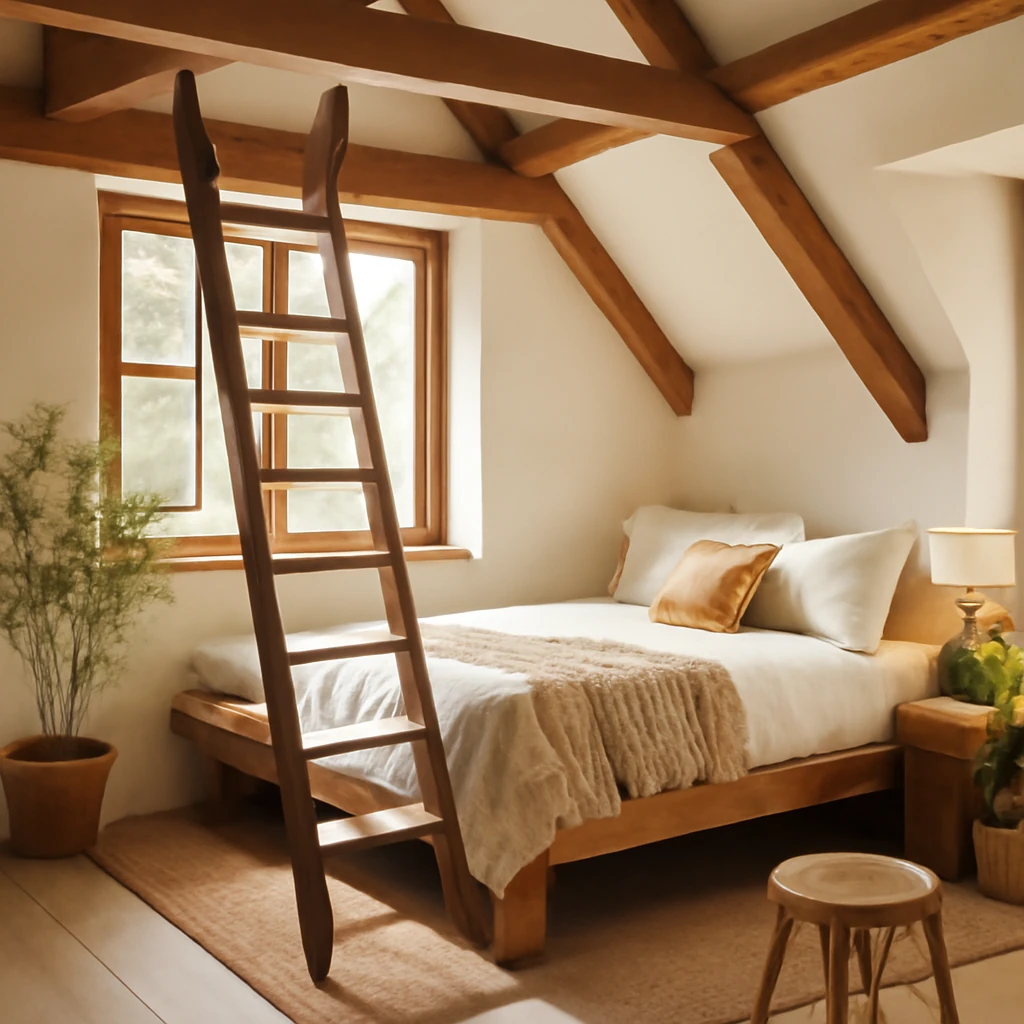
Bed Heights for European Homes: Loft, Mezzanine and Attic Solutions
Master bed height for lofts, mezzanines and unusual spaces.
Colour & Materials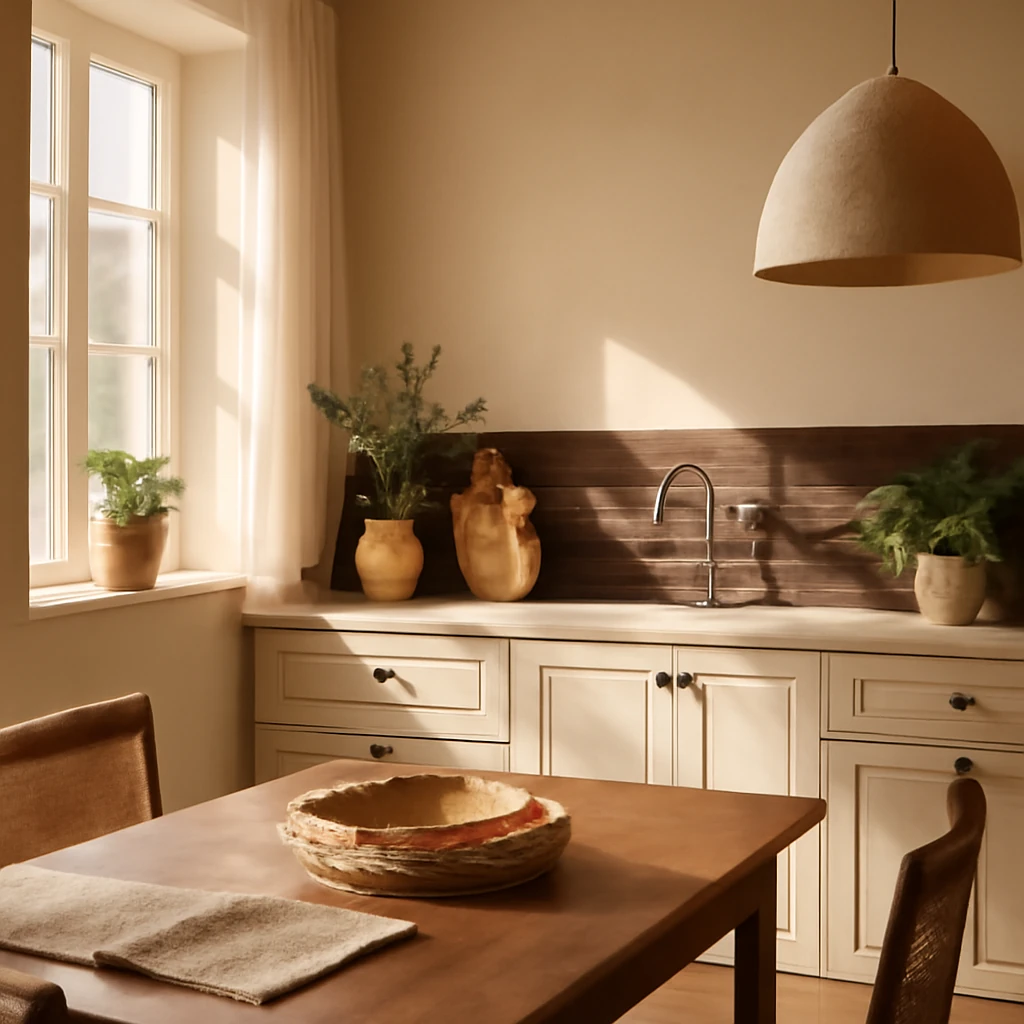
Colour-smart kitchens: nine wall palettes for European homes
Nine versatile kitchen wall colour palettes for European homes
Bathroom Design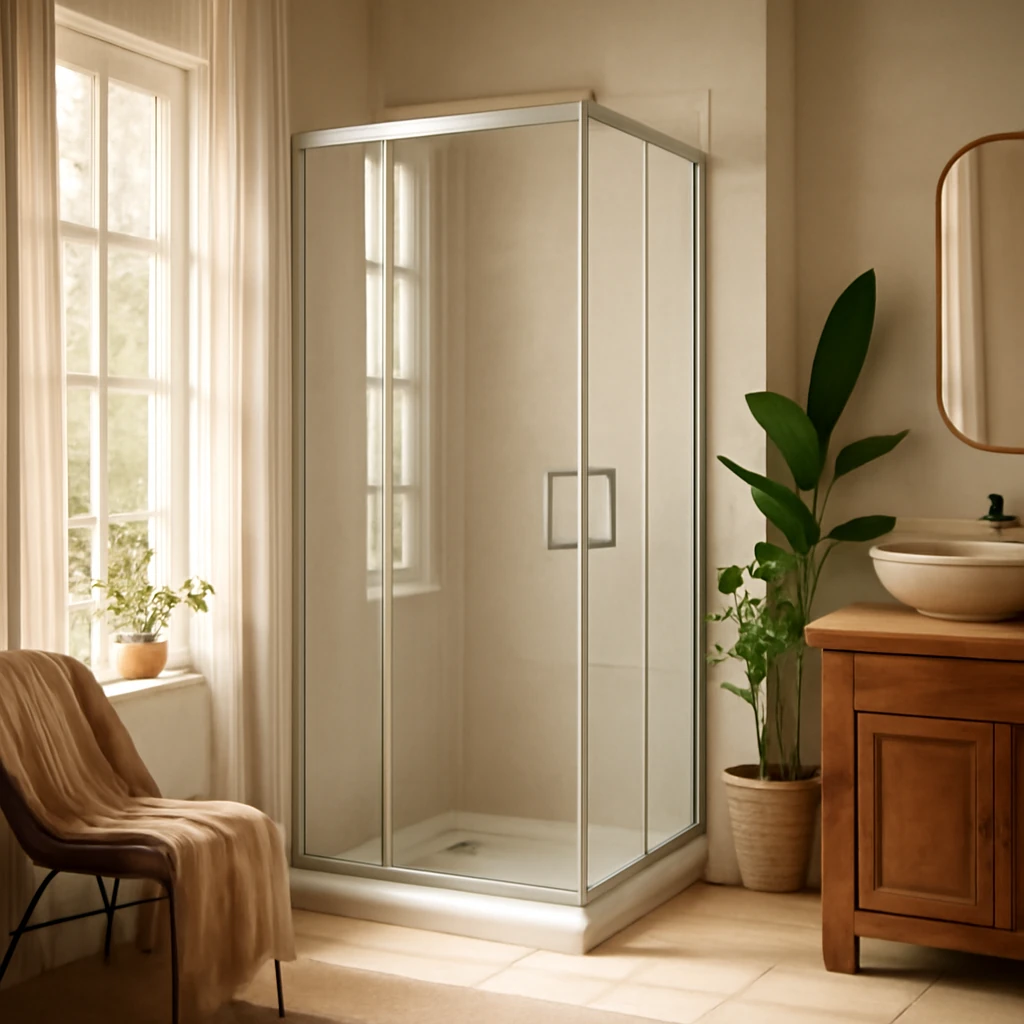
Shower Cabins in European Bathrooms: From compact corners to spa-inspired spaces
Design-forward shower solutions for compact and spacious European bathrooms.