
Explore interior trends, AI design insights, styling guides and real transformations
Modern Interiors: An Evolution for European Homes
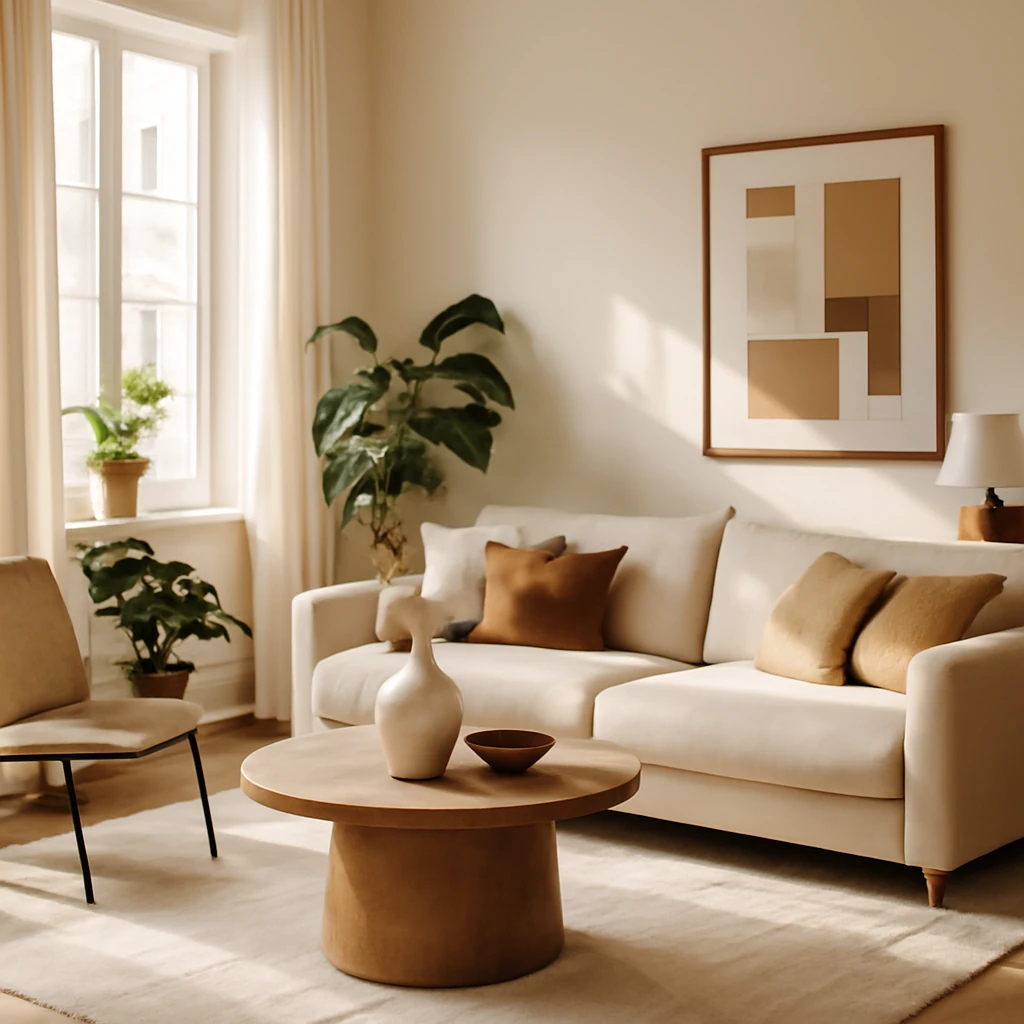
What is Modern Interior Design?
Modern interior design is a historical lineage that has evolved across Europe over more than a century. In the European context, the term is closely linked with a family of styles that share a disciplined language of form: clear geometry, restrained colour, and a close relationship between interior and architecture. It is often described as a continuum rather than a single look, spanning from late nineteenth‑century Art Nouveau through mid‑century experimentation to today’s refined interpretations.
In Europe, the initial wave of Modern is commonly associated with Art Nouveau, a movement that flourished roughly from 1880 to 1920. The approach varied by country but shared essential traits: curvilinear lines inspired by nature, integration of decorative details with architecture, a belief in craftsmanship, and a willingness to redefine interior spaces as a total work of art. Across Britain, France, Germany, Austria, Italy, and the Nordic countries, designers interpreted Modern with regional twists, from sinuous façades to streamlined interiors. The result is spaces that feel luxurious yet organic, where light, texture and proportion are orchestrated as a single composition.
Historic Modern
In Europe the first major phase of Modern aligns with Art Nouveau and its regional variants such as Jugendstil in Germany, Secession in Austria, Stile Liberty in Italy, and Liberty in Britain. The language favours natural forms, asymmetric layouts, and handcrafted fittings that blur the boundary between architecture and interior decoration. Interior surfaces flow from walls to furniture, with mouldings, decorative panels, and integrated lighting contributing to a holistic atmosphere. The goal is a space that reads as a seamless whole rather than a collection of parted pieces.
Although the visual vocabulary differs by country, historic Modern in Europe shares a common belief: design should be honest, tactile, and expressive of its materials. This is where interior and architecture converge, yielding environments with a timeless quality rather than a transient fashion.
Mid-century Modern
The next major phase arrived after the Second World War, roughly between the 1940s and 1960s. Mid-century modern drew on early functionalism, constructivism, and new materials, but brought a lighter, more optimistic touch. Key features include straight, honest lines and a focus on function, the use of wood, glass, laminates, and synthetic materials, open plans with generous daylight, and furniture with low profiles and minimal ornament. Although it is now widely recognised as a distinct movement, mid-century modern remains closely related to the earlier Modern, sharing an emphasis on streamlined geometry and accessible design suitable for European homes and apartments.
Contemporary Modern
Today’s interpretation of Modern is less about replication and more about a refined, contemporary reading of core principles. The aim is spaces that feel calm, cohesive, and built with intention. Core characteristics include neutral, restrained colour palettes with little to no high‑contrast accents, clean lines with minimal curvature, natural materials such as timber, stone, leather, and wool, open‑plan layouts that connect kitchen, dining, living and sometimes sleeping areas, daylight as a design material, and meticulously considered details. Modern interiors in Europe emphasise longevity and restraint, not fashion. If a living room previously relied on bold colour or heavy ornament, a contemporary Modern approach nudges the palette and furnishings toward balance and simplicity.
In practice, contemporary Modern for European homes is about spaces that endure. The look is not about chasing trends but about shaping environments that age gracefully, where every object has a reason to exist and contributes to a calm, cohesive whole.
To imagine how these ideas translate in a typical European city flat, picture an open‑plan living area with timber floors, high ceilings, and an abundance of natural light. The design intention remains constant across decades: a cohesive, legible frame in which the furniture, finishes, and fittings all speak the same language of form and material.
Who is Modern Interior Design For
Modern interior design appeals to those who want spaces that feel timeless, tranquil and well‑balanced for daily life. It suits homes in busy urban centres and quieter regional towns alike. People drawn to this style often prefer:
- a neutral palette that does not require constant repainting or updating;
- clear lines and an orderly, unambiguous layout, which makes furniture choices straightforward;
- an emphasis on ecological materials and sustainable sourcing in finishes;
- calm, comfortable environments that prioritise living over display.
Additionally, Modern interiors tend to be highly adaptable. A well‑considered layout can accommodate changes in family life, remote working, and evolving technologies without losing coherence. Benefits include better daylight use, flexible storage, and furniture that ages gracefully rather than following fleeting fashion.
Materials and Colours
At the heart of the Modern aesthetic is a fidelity to natural materials and a disciplined colour story that supports calm, restrained moods. European interpretations often lean into warmth and tactility, so texture and materiality take centre stage rather than loud decoration.
Wood and Timber Tones
Wood is the backbone of Modern interiors. Across Europe designers favour a spectrum from pale ash and lime to warm oak and walnut. Grain and finish are as important as the material itself, whether surfaces are smooth and polished or lightly textured with a wire‑brushed or oiled finish. Wood is used for flooring, wall panelling, and casegoods to create a continuous, cohesive flow from room to room. Where sustainability matters, responsibly sourced timber and clear certification reassure homeowners and designers alike. The look remains timeless when timber is finished in restrained tones that harmonise with the broader palette.
Natural Leather
Leather provides a durable, natural surface with a rich, tactile quality. In Modern interiors it is commonly used for upholstery in earthy tones such as tobacco, cognac, and charcoal, preserving the natural grain and making the piece feel both warm and refined.
Natural Fabrics
Textiles in Modern interiors prioritise quality and texture over bold patterns. Linen, wool and cotton blends are standard for upholstery and soft furnishings. Finishes tend to be smooth or subtly textured, with minimal prints and geometric or tonal patterns. Colour ranges span light greys and warm beiges through to deeper taupes and charcoals, always chosen to support the space rather than dominate it.
Metal
Metalwork is typically matte and understated - nickel, brass, or blackened tones. Used in lighting, hardware and select furniture details, metal provides a quiet shimmer when integrated with timber and stone, reinforcing the Modern principle of subdued elegance.
Stone
Stone surfaces, particularly marble or limestone, appear in countertops, floors, and occasional walls. Stone brings a luxurious cooler balance to the warmth of timber and textiles, anchoring a space with natural gravity. In Europe this combination of stone and timber is a hallmark of refined Modern design.
The quintessential Modern palette in Europe tends toward complex greys, beiges, and browns with blue or green tones kept deliberately soft.
Furniture, Accessories and Decoration
Furniture: Grounded and Minimal
Modern interiors are forgiving when it comes to furniture choices, provided pieces are grounded, elongated, and free of excessive ornament. Natural materials or high‑quality composites are preferred. Bold colours are uncommon, a beige or light grey sofa is typically more versatile than a red one. A well‑proportioned, low‑profile sofa becomes the anchor of the living area, complemented by long, simple tables and storage units that unite the space without crowding it.
In European practice, the emphasis on low profiles helps to preserve the sense of openness in smaller rooms. Curves appear sparingly, but when used they are deliberate and restrained, contributing to a calm rhythm rather than a playful one.
Decor: Functional and Architectural
Decor in Modern interiors tends to be functional rather than decorative for decoration's sake. Lighting, tables, and vases are chosen for sculptural form and material honesty. Architectural details such as mouldings, panels, cornices and discreet wall motifs provide texture and rhythm, without cluttering the space. The aim is a refined cohesion where architecture and decoration are not competing elements but complementary parts of a single story.
In European homes, you may encounter mouldings and wall paneling that articulate ceilings and walls, creating a human scale and a sense of architectural order. Decorative elements thus become parts of the structure itself, and their placement is purposeful rather than excessive.
Lighting and Atmosphere
Lighting is essential in Modern interiors. The goal is layered illumination: ambient light for general ambience, task lighting for workspaces, and accent lighting to highlight materials or architectural features. Fixtures typically feature clean lines and understated finishes, helping to enhance the space without overwhelming it. In European homes, daylight is celebrated as a design material, large windows and careful light management are integral to the overall mood.
Special Features of Modern Across Rooms
Living Room
The living room in a Modern European home usually centres around a long, low sofa, paired with simple armchairs and minimal coffee tables. The decor is quiet, with surfaces such as stone, timber, or tile creating the primary texture. Lighting and accent pieces are chosen to emphasise architectural elements or the natural materials used throughout the space. The aim is a room that breathes, with visual clutter minimised to maintain a sense of calm and coherence.
Kitchen
Modern European kitchens are frequently open to dining and living areas. Cabinetry tends to be handleless or with minimalist hardware, finished in subdued tones that blend with the surroundings. Work surfaces are solid and seamless, often in quartz or stone. Islands or peninsulas provide informal dining and implement functional zones for cooking, storage, and appliances. The interplay of light and texture - wood veneers, stone textures, and matte metal accents - creates a tactile, cohesive kitchen that feels both practical and luxurious.
Bedroom
Bedrooms in Modern interiors prioritise calm, comfort, and a sense of retreat. A low platform bed, a restrained headboard, and carefully chosen textiles establish the mood. Built‑in storage and slim nightstands reduce visual clutter, while dimmable lighting allows transitions from day to night. The palette remains natural, mirroring the rest of the home to deliver a serene, coherent atmosphere.
Bathroom
Bathrooms in Modern interiors favour natural materials and a spa‑like calm. Wall and floor finishes such as marble‑inspired porcelain or natural stone, warm timber detailing, and matte fixtures create a refined, soothing environment. Lighting is discreet and well integrated to support a sense of wellness and cleanliness.
Hallway and Entrance
The entrance to a Modern home should feel welcoming yet uncluttered. Storage is practical and concealed, with built‑in wardrobes, a console, and a seat for convenience. Mirrors expand the sense of space, while warm, indirect lighting helps transform a utilitarian corridor into a refined transition zone.
Regional Flavours: Nordic, Central, and Southern Europe
Regional variations influence how Modern is interpreted across Europe. Nordic spaces emphasize bright, airy rooms with pale timbers, soft textiles, and a merit for quiet warmth and rugged practicality. Central European interiors balance warmth with natural stone, deeper wood tones, and a more tactile fabric expression. Southern European homes celebrate warmth and earthiness, with terracotta walls, warm plaster, and stone accents that integrate with timber and refined metal details. Across these regions, the core Modern principles endure: clean lines, natural materials, and a restrained colour story that supports a calm everyday life.
Renovation Considerations for European Homes
Renovating a European home to a Modern standard involves a blend of respect for structure and a practical approach to contemporary living. Consider the following when planning a project:
- Assess the building structure and daylight availability. Open plans work best where load-bearing walls permit, where not, consider light‑reflective finishes, glass partitions, or sliding panels to connect spaces without removing walls.
- Plan for energy efficiency. European guidelines favour well‑insulated walls, triple glazing where possible, and efficient, quiet mechanical services that do not disrupt the calm interior.
- Choose materials with longevity in mind. Opt for timber from certified sources, natural stone, and well‑designed metalwork with durable finishes. Use low‑VOC paints and sustainable adhesives to support a healthy indoor environment.
- Integrate storage to support minimal aesthetics. Built‑in wardrobes, concealed cabinetry, and clever alcoves help maintain the uncluttered Modern look.
- Think about acoustics. In compact city apartments, acoustically treated walls and soft textiles help reduce echo and create a comfortable living space.
- Balance between open and defined zones. Use furniture arrangement and architectural features to delineate spaces without heavy barriers, preserving flow and light.
- Plan for longevity over trendiness. Choose timeless shapes and materials that age gracefully, with finishes that can be refreshed rather than replaced.
Checklist: How to Build a Modern Interior in a European Home
- Keep spaces open and fluid, with a clear relationship between kitchen, dining and living areas.
- Allow daylight to fill the space, use reflective surfaces and light colour to maximise brightness.
- Adopt a restrained palette of two or three neutrals, adding an accent colour sparingly.
- Prioritise natural materials such as timber, stone, leather and wool.
- Select furniture with proportionate, low‑profile lines to maintain a sense of airiness.
- Make decor functional and architectural rather than ornamental.
- Invest in layered lighting to create depth and mood.
- Ensure storage is integrated and discreet to uphold the minimalist aesthetic.
- For smaller spaces, embrace flexible furniture and built‑in solutions to maximise usable area.
- Choose finishes and materials that stand the test of time and can be refreshed with simple updates.
European homes benefit from a careful balance of light, materiality, and proportion. Modern interior design is about shaping spaces that feel generous and timeless, even in modest city apartments. The checks above can guide a renovation project or new build to remain faithful to the Modern ethos: creating environments that age gracefully with a calm and cohesive language in every room.
You may also like these articles
 Small Spaces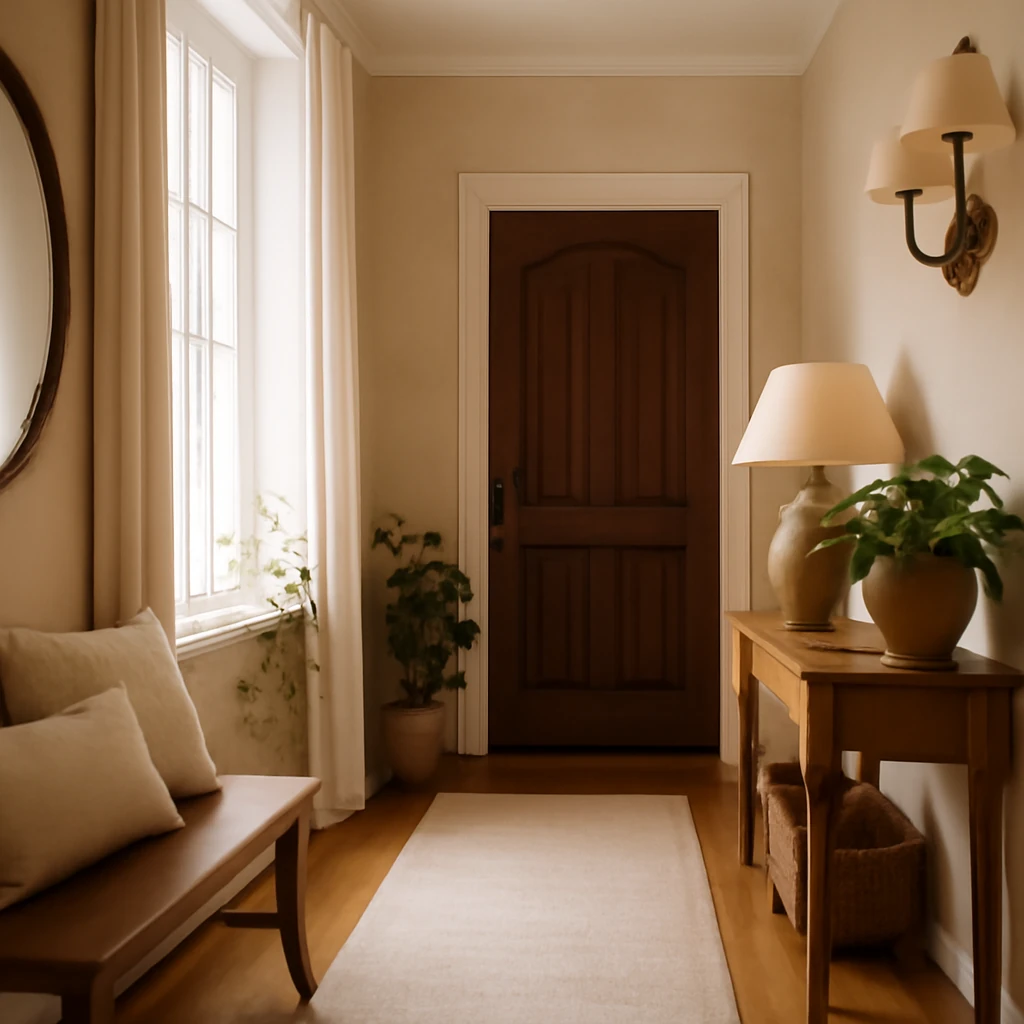
Welcoming Entrances: Designing a Practical and Stylish European Hallway
A guide to stylish, space-saving hallways across European homes.
Tips & How-To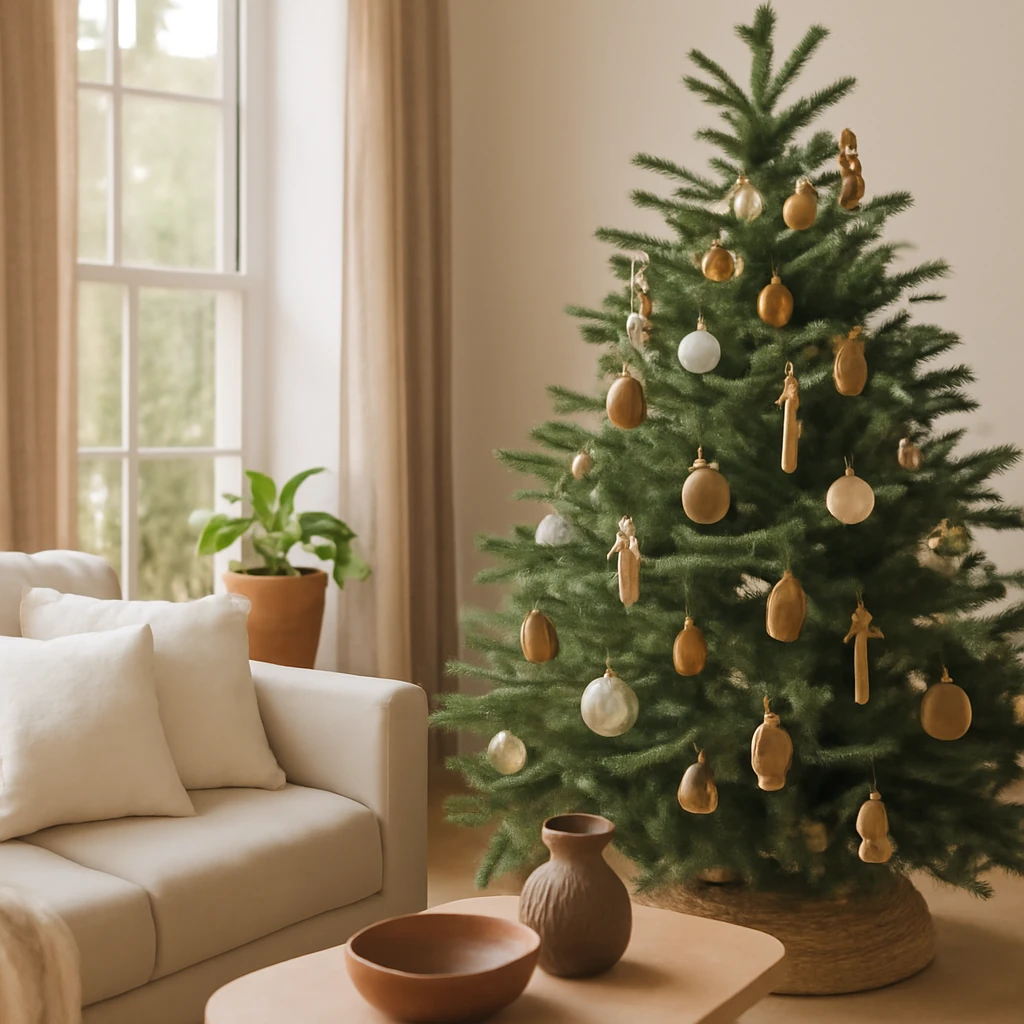
Crafting a Personal Christmas: 13 Handmade Ornaments for a European Tree
Create unique, eco-aware Christmas tree decorations with everyday materials.
Tips & How-To
Preparing for the Handover: A Comprehensive European Guide to New-Build Flats
A practical guide to inspecting and accepting a European new-build flat.