
Explore interior trends, AI design insights, styling guides and real transformations
Creating a Centre of Calm: European Living Room Design Guide
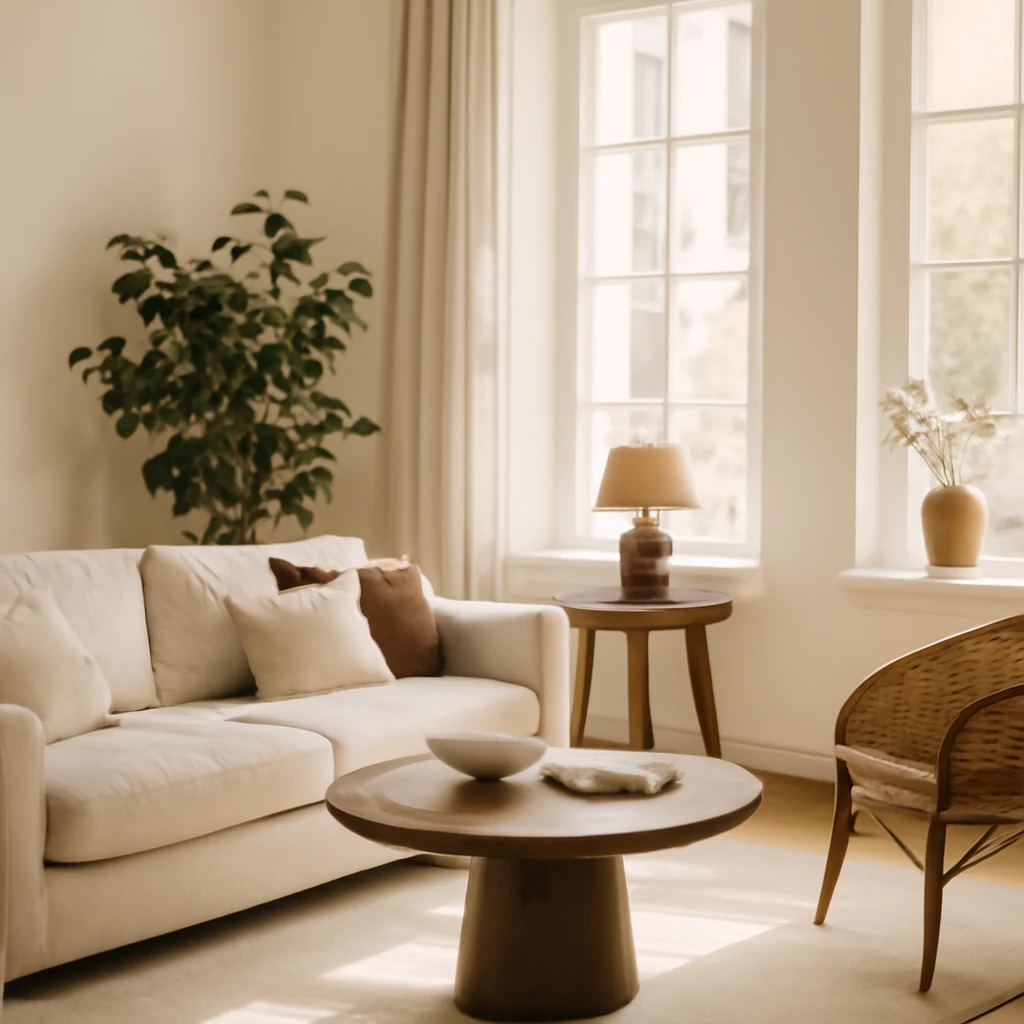
Introduction: The living room as the heart of a European home
The living room is where family life and sociability converge. Across Europe, it serves as a sanctuary and a social hub for conversations, films, reading, and remote work. Designing this space requires balancing comfort with versatility, and considering how daylight, climate, and city living influence layout, materials and finishes. Whether you inhabit a compact flat in a historic centre or a spacious apartment on the outskirts, the aim remains consistent: craft a room that adapts to daily life and the changing seasons.
In many European homes the living room doubles as a multi functional space. It may host a work corner, a play area for children, or a cosy reading nook beside a window seat. thoughtful planning at the outset helps ensure each activity has its own zone while preserving a sense of openness and cohesion. The right combination of furniture, textures and light can transform an everyday room into a flexible sanctuary for relaxation, sociability and creativity.
Defining the centre of the living room
In contemporary living room design, the central focus anchors the space without crowding it. Seating should not simply line the perimeter, instead, create a central group that invites conversation and connection. The sofa often forms the core, paired with one or two chairs and a coffee table. A fireplace or a feature wall can also serve as a compelling focal point, particularly in larger rooms, while still allowing for movement around the seating cluster.
In open plan layouts, establish transitions between zones to maintain flow. A dining area, a reading corner, or a small desk can sit within sight of the main seating without interrupting dialogue or sightlines. When space allows, consider transformable furniture that adapts to changing needs, such as sofas that convert to beds, extendable coffee tables, and modular storage that can reconfigure to accommodate guests or a different use of the room.
Central seating and zoning ideas
Place the main sofa so it faces the room’s anchor, whether that is a TV screen, a fireplace or a panoramic view. Arrange chairs to form an intimate circle or angled group that encourages conversation. Leave clear pathways for movement and avoid blocking natural traffic routes. For longer rooms, create two intimate clusters linked by a low console or a narrow divider that hints at separate zones without closing off the space. In smaller rooms, a single, well proportioned seating arrangement and discreet storage can still create a sense of calm and order.
Colour palettes and light
Colour decisions should respond to the room’s light, climate and character. Northern facing living rooms that receive little direct sun benefit from warm neutrals and light, reflective surfaces that maximise what daylight is available. In brighter, southern facing spaces, you can embrace stronger contrasts and deeper accents without overwhelming the eye. A popular European approach is the blank canvas: white walls or pale plaster as a backdrop, with texture and colour introduced through furniture, textiles and art. This makes it easier to refresh the room with relative ease when fashion or mood shifts.
Lighting is not merely functional, it shapes atmosphere. A layered approach supports different activities from daytime reading to evening entertaining. In smaller rooms, recessed ceiling lights or wall mounted options keep surfaces uncluttered while delivering flexible brightness. In larger spaces, consider statement pendants or sculptural floor lamps that add character and help to define zones.
Materials and finishes
Walls
Wall finishes should suit the room size and the desired mood. Light plaster or washable wallpapers offer durable, low maintenance options, while accent walls in textured paint or plaster add depth. Built-in niches and shelving can be both decorative and practical, an especially valuable feature in European homes where space is at a premium. If choosing wallpaper, select moisture resistant variants for kitchens or bathrooms that are adjacent to the living room, or use them as feature walls in sheltered living spaces.
Ceiling and architectural features
Ceiling design strongly influences the perceived scale of a room. In compact spaces, a simple light ceiling with unobtrusive lighting is most effective. A subtle ceiling cornice or a recessed cove can add depth without visually shrinking the room. For larger rooms, consider coffered or suspended ceiling details to create distinct zones or to house concealed lighting. Avoid heavy or overly elaborate ceiling treatments in small spaces, which can feel oppressive.
Flooring and textiles
Flooring should balance durability with warmth and comfort. European homes commonly feature engineered timber floors, wide plank oak or limestone tiles. Underfloor heating is prevalent in many regions and pairs well with timber or stone. Layer with textiles to soften acoustics and add tactile warmth: large woven rugs, wool throws, linen drapes. A well chosen rug can anchor a seating group and help scale a room with differing dimensions.
Combining materials
Modern design thrives on mixing textures and materials. A plaster wall paired with a timber floor and a fabric sofa creates a layered, tactile palette. Introduce metal, glass, or stone as accents to provide contrast, but use restraint to avoid a cold or busy outcome. This approach is especially effective in European homes where historic fabric meets contemporary fittings. It allows old structures to feel current while preserving a sense of history.
Lighting and ambience
Lighting is a principal element of mood and function. A well lit living room supports reading, conversation, media viewing and work tasks. Build a layered lighting plan: ambient lighting for general coverage, task lighting for reading and desk areas, and accent lighting to emphasise artwork or architectural features. In smaller rooms, built in or surface mounted lights keep the ceiling line clean, in larger rooms, a statement pendant or a pair of floor lamps creates focal points and a sense of theatre.
- Ambient lighting: a central fixture or evenly spaced recessed lights to illuminate the room.
- Task lighting: adjustable floor lamps near seating or a compact desk area.
- Accent lighting: wall washers, picture lights or shelf lighting to highlight focal points.
- Decorative lighting: sculptural lamps that contribute to the room’s aesthetic value.
With energy efficiency and convenience in mind, use dimmable LEDs and consider smart lighting to automate scenes for different times of day or activities. In modest spaces, integrated ceiling lighting and wall mounted fixtures help maintain clean sightlines while offering flexibility.
Choosing a style for your living room
Style should reflect how you live, not solely what you own. When selecting a direction, assess the room size, building character and how the rest of the home reads. European cities often inspire nuanced blends: a calm Scandinavian core with touches of Classic or Minimalist High Tech can create a sophisticated, lived-in environment. Keep in mind that smaller spaces may benefit from more restrained styles such as Scandi, light Classic, or Modern Minimalism, while larger rooms can happily accommodate more expansive palettes and focal features.
Classic and timeless elegance
Classic interiors celebrate natural materials and craftsmanship. Expect solid timber furniture, quality upholstery, and refined textiles. Palettes tend to be soft and restrained, with strategic use of warmer tones and occasional contrast. Fine wallpapers, paintings, vases and traditional lighting fixtures can frame the room elegantly. Within Classic there are variations from a regal, palace inspired approach to more subdued English or Continental interpretations, including neo-classical and restrained traditional styles.
- Materials: solid wood, high quality MDF or veneered surfaces, natural fabrics such as linen and wool.
- Proportions: balanced furniture with elegant lines, avoid overly ornate clutter.
- Lighting: delicate chandeliers or paired wall sconces with warm finishes.
Minimalism and High Tech
Minimalist interiors prioritise form and function with restrained colour and surface finishes. Furniture lines are clean and low profile, storage is integrated, and clutter is minimised. High Tech variants emphasise clarity of material and technological performance, often featuring metal, glass and lacquered surfaces. In both approaches space and light dominate. Minimalism offers calm and clarity, High Tech delivers precision and contemporary rhythm.
- Colours: cool neutrals, white or light grey with restrained accents.
- Furniture: modular, low profile sofas, floating consoles, hidden storage solutions.
- Lighting: track lighting, recessed fixtures, and sculptural lamps that double as art.
Country and Provence inspired warmth
Country and Provence styles create a welcoming atmosphere with natural materials and artisanal touches. Expect weathered timber, soft textiles and muted botanical prints. Provence favours pale, sun washed tones and linen fabrics that feel light and breathable. Country styling embraces rustic charm with hand crafted furniture, woven textures and practical storage. The balance lies in comfort and modern convenience, enabling busy European households to enjoy timeless charm without sacrificing daily ease.
- Palette: warm neutrals, cream, soft greens and blues, earthy ochre tones.
- Textures: linen, wool, cotton, woven textiles, wicker storage.
- Key pieces: a large timber dining table, a comfortable sofa with durable upholstery, a practical bar area for entertaining.
Scandinavian simplicity
Scandinavian design combines light, air and warmth. The look is fresh, practical and friendly, with simple lines and natural textures. Soft textiles, light woods and restrained colour saturation create a cosy, contemporary atmosphere ideal for city living or apartments with modest footprints. A Scandinavian living room often prioritises daylight and storage efficiency, making it a popular choice for compact European homes.
- Palette: whites, pale greys, soft wood tones, small, purposeful colour accents.
- Materials: pale timber floors, wool and cotton textiles, natural fibres.
- Layout: flexible seating and integrated storage to maintain clarity and openness.
Mediterranean and coastal influences
Where climate and light condition support it, Mediterranean style brings brightness and warmth. Pale walls, stone or tile floors, and breathable textiles evoke sun drenched interiors. Introduce colour through ceramics, cushions and art inspired by sea and landscape. This style works especially well in homes with large windows, terraces or access to outdoor living spaces.
- Palette: white and warm beiges with terracotta, blues and turquoise.
- Textures: plaster, stone, terracotta, woven fibres.
- Furnishings: comfortable lounges, low coffee tables, casual and inviting arrangements.
Choosing furniture for the living room
Furniture should define zones and support daily life. Start by mapping the space and listing activities that must occur in the room: socialising, watching television, reading, remote work, and pet or child play. A thoughtful arrangement ensures sightlines, comfort and practicality for all inhabitants and visitors.
- Seating: select a sofa with appropriate scale, consider modular or sectional designs for flexibility, position chairs to form an intimate circle around the focal point.
- Tables: choose a coffee table proportionate to the seating, consider extendable options for guests and an ottoman that can function as seating or a surface.
- Storage: prefer low profile media units with integrated storage to keep wires tidy, open shelving for display combined with closed compartments for clutter control.
- Special additions: a compact bar cart doubles as a surface for drinks, or a small desk nook can serve remote work without dominating the space.
In smaller rooms avoid bulky cabinets and heavy collections of furniture. Opt for lighter, leggy pieces or wall mounted storage so that sightlines remain open. Clear or mirrored surfaces can visually enlarge a room, while deep, saturated colours can be used as accents to ground the space.
Fireplaces and heating in living rooms
Fireplaces remain a cherished focal point in many European homes. In city apartments with limited space, traditional hearths are rare, but elegant alternatives exist: electric or bioethanol fires offer authentic glow with minimal maintenance. Modern models can feature realistic flames, sound or scent options for a multisensory experience. Choose a design that harmonises with the room style, from a classical mantel to a slim modern wall unit.
Position the fireplace to anchor the seating arrangement and to create a natural energy around the space. If a fireplace cannot be incorporated, a warm feature wall with concealed lighting can provide a similar focal anchor and contribute to the room’s ambience.
Open plans and acoustic comfort
Open plan living rooms are common across European cities, combining kitchen, dining and lounge into a single sociable space. The challenge is to define zones without sacrificing unity. Acoustic comfort becomes essential: soft textiles, ample rugs and well chosen curtains dampen echoes and reduce harsh reflections, particularly in rooms with high ceilings and hard surfaces. Introduce sound absorbing panels or heavier drapery behind seating to improve speech intelligibility and comfort.
Window treatments and privacy
Window coverings influence light levels, temperature and privacy. In bright climates, light fabrics or linen blends offer shade without blocking daylight. In cooler climates, heavier drapes with thermal lining enhance comfort and energy efficiency. Consider motorised rollers for convenience and to simplify daily routines, especially in larger lounges or rooms with hard to reach windows.
Textiles, climate and colour management
Textiles help regulate temperature and sound, while also dictating the room's character. In warm summers, choose breathable fabrics such as linen or cotton for upholstery and drapery. In cooler seasons, richer textures such as wool throws or boucle fabrics add warmth. The palette can shift with seasons: lighter tones in summer and deeper hues in winter for cosiness and visual depth.
Artwork, accessories and layering
Layering is key to a lived-in yet refined living room. Support a curated collection of artwork with a few well chosen frames rather than a crowded wall. Mix textures and scale in cushions, throws and accessories to create depth. Keep a consistent strand of colour across accessories to unify the space, while allowing focal points such as a chair or rug to introduce personality.
Outdoor connections
Many European living rooms benefit from direct connections to outdoor spaces. A terrace, balcony or generous balcony doors can extend the living area and bring in natural light. Design considerations include seamless flooring transitions, view framing and indoor outdoor fabrics that withstand sun exposure and humidity. When linking to exterior spaces, extend a coherent colour and material language between indoors and out for a seamless transition.
Practicalities: technology, sustainability and maintenance
Modern living rooms accommodate technology while maintaining visual calm. Conceal electronics behind panels or within furniture, prefer wireless devices and well managed cables. Ensure power outlets are plentiful and discretely positioned for lamps, charging points and devices. For sustainability, prioritise energy efficient lighting, responsibly sourced materials and timeless pieces designed for longevity. Choose repairable furniture with replaceable parts where possible to support a circular economy.
- Power planning: outlets positioned near seating, charging points and audiovisual equipment without visible cables.
- Materials: durable, low maintenance finishes, washable paints and scratch resistant surfaces for long life.
- Sustainability: responsibly sourced timber, low VOC finishes, longevity of furniture and modular components that can be updated rather than replaced.
Small spaces and storage optimisation
European interiors often demand clever storage solutions in compact lounges. Use built in shelves, wall mounted cabinets and furniture with concealed storage to minimise clutter. A mirror wall can visually expand a room, while a slender console can serve as a divider and display area. Always measure doorways and corridors before delivery and installation to ensure smooth movement of furniture into the space.
- Access: ensure clear pathways of at least 90 cm for comfortable movement.
- Proportions: keep furniture slim and with exposed legs to preserve sightlines.
- Flexibility: modular systems that adapt to changing needs over time.
Planning steps and practical guidance
- Assess the space: measure length, width, ceiling height and access points, note windows and radiators.
- Define zones: mark seating, work and storage areas, determine focal points and sightlines.
- Choose a style and palette: select a restrained set of colours and materials, balance warmth with ease of maintenance.
- Test layouts: use floor planning software or simple masking tape to simulate footprint of furniture.
- Seasonal refresh: swap textiles and accessories rather than large furniture to keep the space feeling current.
Renovation considerations across European homes
In older or listed buildings, structural changes may be subject to regulations. When planning large alterations to a living room such as altering wall positions, removing or adding features or installing built in storage, consult local planning guidance and seek professional advice. In rental apartments or condominiums, obtain permission before making major changes. Aim for reversible, non invasive solutions where possible: freestanding partitions, temporary screens and modular storage systems can transform a room without permanent modifications.
Conclusion: The European living room as a flexible sanctuary
Designing a living room that supports daily life, entertaining and downtime requires thoughtful planning, durable materials and a clear sense of proportion. By focusing on a strong centre, layered lighting, adaptable furniture and a palette responsive to light and climate, you can craft a space that feels both contemporary and timeless. Across European homes, the living room remains the heartbeat of the house - a place to gather, reflect and unwind, whatever the weather outside.
Checklist for a well planned living room
- Define a central focal point and ensure comfortable sightlines from all seating positions.
- Plan zones for living, working and storage with a natural flow between them.
- Choose a restrained palette and layer textures to create warmth and interest.
- Incorporate layered lighting for ambience, task work and accent features.
- Select durable, flexible furniture that can adapt to changing needs.
- Ensure adequate storage with a combination of closed and open solutions.
- Consider outdoor connections and how to extend the space visually and physically.
- Address acoustics to maintain a calm, comfortable environment.
- Plan for sustainability and longevity in materials and finishes.
You may also like these articles
 Small Spaces
A 49 m² European Home: Neoclassical Calm, Clever Zoning and Hidden Storage
Clever zoning transforms a 49 m² European apartment into warm, functional living.
Colour & Materials
Painting Walls: 10 Practical Mistakes and How to Get It Right
Master the art of wall painting with ten expert pitfalls and fixes.
Interior Design
Designing European Private Homes: From Open Plans to Countryside Charm
A practical, style-forward guide to designing comfortable European private homes.