
Explore interior trends, AI design insights, styling guides and real transformations
From Timber to Glass: A European Guide to Kitchen Fronts and Finishes
Features of choosing: when material matters
The kitchen front, or façade, is more than a surface. It defines the room's character, influences maintenance, and withstands daily use in a busy family hub. In European homes, kitchens must balance aesthetics with practicality: humidity from cooking, heat from the oven, and regular cleaning demands every day. The material chosen for the doors and panels will determine how long the unit keeps its look, how easy it is to clean, and how well it ages in varied climates - from the coastal climates of the Atlantic to the temperate interiors of central Europe.
Material choice affects not only appearance but also resilience. Some finishes are perfectly suited to open-plan spaces where light travels freely, while others excel in compact layouts where every edge and seam counts. The right façade materials can contribute to a calmer, more cohesive interior or, conversely, create a bold focal point. The guide that follows outlines a spectrum of commonly used finishes, their strengths, and practical care tips tailored for European living.
Which varieties exist: ideas for inspiration
Across a broad range of contemporary projects, designers in Europe experiment with finishes that prioritise longevity, maintenance, and visual impact. Below are the most prevalent options, described in practical terms and with care guidance to help you choose the right fit for your home.
1. Wooden - style and status
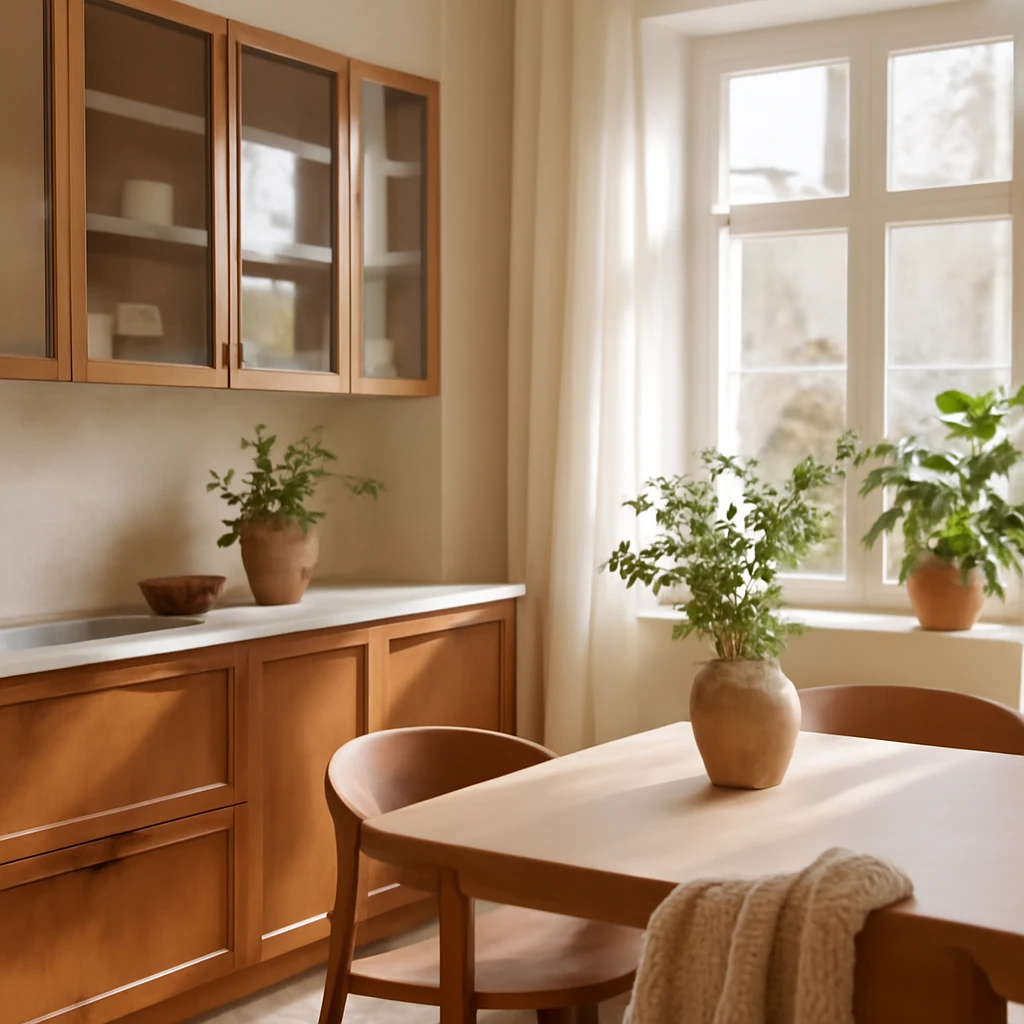
Solid wood fronts exude warmth, craftsmanship and a sense of timeless luxury. They are among the most durable options when properly sealed and maintained, and they can be refinished to refresh colour or restore surface integrity after years of use. Natural timber trades a refined ambience to both classic and contemporary kitchens. However, solid wood is sensitive to fluctuation in humidity and temperature, interfaces can move, joints may open, and panels can crack if poorly ventilated or over-exposed to moisture.
Care tip: regularly dust with a soft cloth and promptly wipe up spills, use a specialist timber treatment and periodic protective coatings to preserve stability and levelling. For European homes with heightened humidity or sun exposure, consider engineered timber options with robust veneers that mimic real timber while offering greater dimensional stability.
In practice, timber fronts are often paired with stone or warm-toned worktops to underscore a restrained, premium look.
2. Particleboard and laminated boards - practicality and accessibility
Particleboard and high-density fibreboard with laminate surfaces offer an economical route to contemporary aesthetics. These boards resist wear, do not warp easily, and can imitate wood, stone, or achieve a solid, uniform appearance. They’re widely used in compact kitchens and social spaces where budget considerations are essential. The main drawbacks are moisture sensitivity at edges and limited ability to resist edge chips or delamination if the protective layer is compromised.
Care tip: wipe with a damp cloth and mild detergent, then dry. Avoid harsh abrasives and solvents that can detach the edge banding. In humid climates or where steam is frequent, ensure proper ventilation and seal edges well to prolong life.
In practice, these surfaces pair well with practical, heat- and stain-resistant worktops such as laminate or stone composites.
3. MDF with veneer - natural aesthetics at a gentler price
MDF core with a thin natural veneer offers a high-end appearance at a more accessible cost. The grain and depth of real timber elevates the interior, while the MDF substrate delivers stability and uniformity. Veneered fronts resist daily wear and can be refinished by light sanding and re-finishing the veneer layer. They require careful maintenance to prevent water ingress at joints, which can cause veneers to separate or warp if moisture enters the core.
Care tip: wipe along the grain with a dry or slightly damp cloth, avoid harsh chemicals and standing water on joints. Veneered fronts respond well to regular, gentle care and periodic re-oiling or sealing of exposed edges in high-traffic areas.
In contemporary European homes, veneered MDF fronts are frequently used in conjunction with glass or stone-effect worktops to achieve a balanced, natural look.
4. Foil panels - design without limits
Foil finishes are created by applying a flexible foil to a substrate such as MDF or particleboard. This gives a remarkable range of colours and textures, including wood grains, stones and bold solid hues, at a reasonable price. Foil fronts are popular for their clean lines and high resistance to fading in well-lit spaces. A potential downside is edge wear over time, which can be more evident on frequently touched surfaces. They also require careful maintenance to prevent surface scratches from becoming visible.
Care tip: use a soft cloth and neutral cleaner, avoid abrasive pads and solvents that could lift the foil. Ensure seals along the edges are intact to prevent moisture ingress.
Foiled fronts are preferred in kitchens that aim for a crisp, modern look with colourful or pattern-rich accents.
5. Painted MDF - colour by design
Painted MDF fronts offer an almost unlimited palette and a contemporary, minimal aesthetic. The surface is smooth, uniform and highly legible under light. Painted MDF is resilient to moisture when finished with appropriate water-based coatings, but it is prone to chipped edges and surface scratches in high-traffic zones if not properly protected. Matte, satin, or high-gloss options allow a wide range of expressions from understated to vibrant.
Care tip: avoid abrasive cleaners and implement a gentle, wipe-down routine. If marks appear, touch up with matching paint rather than stripping and refinishing the entire door.
In many European projects, painted MDF is used for upper cabinetry to create a bright, airy feel, paired with contrasting timber or stone textures.
6. Lacquered - seamless colour, durable finish
Lacquered fronts deploy a tough, uniform layer that can be either gloss or matte, offering a sleek, modern aesthetic. They resist moisture and UV exposure, making them a solid choice for kitchens with generous daylight. The trade-off is the potential sensitivity to surface scratches, fingerprints on gloss finishes, and the need for careful cleaning with non-abrasive products. Repainting is straightforward should a colour refresh be desired.
Care tip: wipe with a soft, non-abrasive cloth, avoid harsh cleaners and ensure that the room’s humidity remains stable to preserve the finish. A careful placement of lighting can mitigate visual imperfections on lacquered surfaces.
Lacquered fronts are a staple in contemporary European kitchens for those seeking a refined, cohesive look with minimal detailing.
7. Plastic - bold and practical
High-quality plastic (PVC or similar polymer) fronts provide a durable, wipe-clean solution with a broad range of colours and finishes, including matte, gloss, or textured surfaces. They handle humidity and moisture well and resist staining, making them a favourite for family homes and busy kitchens. The main caveat is a potential “plastic” aesthetic if overused or paired with overly heavy hardware. For most interiors, a balanced mix of plastic with natural textures keeps the look warm and contemporary.
Care tip: use mild detergents and soft cloths, avoid abrasive pads and aggressive chemicals that can dull the surface.
Plastic fronts are a pragmatic choice in many European homes where practicality and price are priorities without compromising style.
8. Glass - lightness and transparency
Glass fronts create a sense of openness, especially in compact kitchens or open-plan layouts. They can be frosted, tinted, or fully transparent and are typically framed in aluminium, timber or solid timber for structural clarity. Glass fronts tolerate humidity well and brighten spaces by reflecting light. They do, however, show smudges and fingerprints unless treated or regularly cleaned, and they require careful surface care to prevent scratches.
Care tip: use a glass cleaner or a gentle detergent with a non-abrasive cloth, dry thoroughly to avoid streaks. For matte or etched glass, follow the manufacturer’s cleaning guidelines.
Glass fronts are often combined with light worktops and contemporary hardware to emphasise a crisp, contemporary aesthetic.
9. Ceramic - innovative beauty and resilience
Ceramic panels bring the latest in durable, high-end finishes. They resist moisture, heat, scratches and daily chemical exposure, maintaining a pristine look for many years. Ceramic is well suited to minimalist kitchens or industrial-inspired spaces. The trade-off is weight and cost, and in some configurations, the need for specialised hardware and installation expertise.
Care tip: wipe with a soft sponge and a mild neutral detergent, then dry with a microfibre cloth. Avoid abrasive tools that could scratch the surface or chip the edges.
Ceramic fronts are increasingly chosen for premium European interiors where longevity and a refined, contemporary edge are desired.
10. Metal - technology and robustness
Metal fronts, typically stainless steel or aluminium, convey a technical, industrial vibe. They are highly durable, resistant to moisture and temperature variations, and easy to clean. Metallic surfaces are less forgiving of careless use and fingerprints are more visible on certain finishes, but they offer a striking contrast when paired with warm textures. Metal fronts are best used in kitchens that aim for a high-tech or bold, urban look.
Care tip: polish minor scratches with appropriate metal cleaners and use soft cloths to avoid marring the surface. Avoid harsh acids or abrasive pads that can damage coatings.
Metal fronts are a bold choice for contemporary spaces seeking an iconic, enduring statement.
11. Acrylic - depth and colour brilliance
Acrylic fronts provide an intense depth of colour and a glossy, reflective surface that visually expands spaces. They are non-porous, highly resistant to moisture and staining, and easy to clean. Drawbacks include higher cost and sensitivity to impact, scratches can be more visible on lighter tones, though these can be repaired or refinished by professionals.
Care tip: use a soft microfiber cloth with a non-abrasive cleaner, always wipe dry after cleaning to prevent water marks. Avoid sharp objects that could mar the surface.
In stylish European kitchens, acrylic fronts frequently appear in high-gloss white or bold hues to create a contemporary, energised atmosphere.
12. Framed - elegance in detail
Framed fronts combine a solid decorative frame with an inset panel, offering a timeless, architectural look. They enable creative material combinations - timber frames with glass panels, stone or ceramic inserts, unusual textures - whilst keeping a well-defined geometry that suits both traditional and contemporary interiors. Properly framed designs maintain structural integrity and moisture resistance when fabricated with suitable materials and correctly sealed joints.
Care tip: wipe with a soft, damp cloth and dry, avoid harsh solvents that could degrade edge bands or the frame. Regularly inspect seals to prevent moisture ingress, especially in humid kitchens.
Framed fronts are a versatile solution for European homes aiming for a refined, classical-leaning contemporary look.
Recommendations for choosing a kitchen facade
- For families with children or frequent cooking, opt for plastic, acrylic or foil panels - easy to clean, resistant to stains and impact.
- If you’re seeking a premium look, consider timber, veneer or painted MDF. They emphasise quality and longevity for a long‑lasting interior.
- To create a visually expansive kitchen, choose glass, high-gloss acrylic or light, lacquered surfaces - these reflect light and visually enlarge the space.
- In industrial or loft-inspired interiors, metal, ceramic, or framed fronts with matte inserts align with the design language.
- Remember that even the most expensive façade will not compensate for poor fittings, choose proven hardware and reliable mechanisms.
- Consider operating conditions: frequent steam and humidity call for moisture‑resistant options and well-sealed edges.
In a representative European apartment, a modular kitchen with mixed finishes can balance practicality with a refined aesthetic, proving that materials can be both beautiful and robust.
Useful tips
Today’s kitchens are more than utilitarian zones, they express the owner's personality and lifestyle. The right façade material supports both function and mood, whether you favour understated elegance or a bold design statement.
Choose fronts that respond to your lifestyle. Do not shy away from experimenting with materials and colours. If you lead a busy life, prioritise practical finishes with straightforward maintenance. If environmental impact matters, look for surfaces manufactured from recycled or responsibly sourced materials.
Mix textures and materials. Pair opposing textures within a single kitchen. For example, matte lower units with gloss upper cabinets, or combine timber with metal, glass with concrete. The contrast creates a compelling, cohesive concept worth talking about.
Blend open and closed storage. A balanced mix of closed cabinetry for everyday items and open shelves for display pieces remains both practical and stylish. This approach keeps the space calm and organised while showcasing favourite objects.
For a contemporary European apartment, careful layering of materials and finishes can elevate a kitchen from merely functional to beautifully expressive.
Subtle considerations for lifespan and care
Even the finest façade will not perform well without thoughtful detailing. Edge finishing, seam quality, and proper ventilation are essential, particularly in kitchens where steam and heat are frequent companions. Select high-quality hinges, soft-close mechanisms, and well-sealed edges to prevent moisture penetration and to ensure the front ages gracefully.
When designing across a European home, coordinate the kitchen with adjacent living areas. A cohesive palette - whether drawn from nature or urban textures - helps the kitchen blend with living zones, dining areas and outdoor connections, creating a seamless home experience.
Subheading: practical layouts and environment-aware choices
The arrangement of the kitchen and the choice of fronts should respond to how rooms are used. In compact urban flats, lighter colours and reflective surfaces can enhance brightness and perceived space. In larger, open-plan kitchens, deeper tones or timber grains can create warmth and define zones within a shared space. In coastal or high-humidity regions, moisture-resistant finishes, sealed edges and robust hardware will extend the life of the fronts and keep maintenance manageable.
Subsection: maintenance and refurbishment considerations
Planning for future refurbishment is prudent. Painted or lacquered fronts can be refreshed with a colour update without replacing the entire unit, while veneer and timber fronts may require re-finishing to maintain their appearance. When selecting surfaces, consider access to skilled trades for refinishing or replacement, and ensure that the chosen materials align with local supply chains and environmental standards. A well-chosen front can last for decades with proper care, reducing long-term costs and waste.
Concluding thoughts
There is no single “best” kitchen front. The right choice depends on how you live, how much you cook, what you value aesthetically, and how much you are prepared to invest. Each material brings distinct advantages: the warmth and character of timber, the practicality of laminates, the gleam of lacquer, the resilience of glass or ceramic, or the high-tech presence of metal and acrylic. The secret is balance: combining textures, finishes and hardware to create an interior that feels intentional, durable and distinctly yours.
In a contemporary European residence, the kitchen becomes an anchor for everyday life - where function and beauty meet, and every gesture in the room is filed with intention.
Q&A
Which fronts are in vogue today: flat or ribbed, with handles or without?
In 2025, minimalism and functionality dominate. Ribbed and carved doors add depth and movement, while flat, handleless fronts with push‑to‑open systems remain highly popular. A nuanced palette - earthy greens, blues, and sophisticated neutrals - completes the look.
Emerging palettes favour natural, serene tones that pair well with timber and stone textures.
How to pick a façade that is easy to clean?
Look for smooth, non-porous finishes such as acrylic, lacquer, or sealed laminate. Avoid highly textured or deeply grooved surfaces that trap dirt. For high‑traffic kitchens, choose fronts with edge-banding and moisture-resistant coatings, and ensure the hinges and runners are equally durable.
Keep in mind that regular maintenance and a simple cleaning routine extend the life of any finish.
How to pair facades with worktops and fittings?
Aim for two to three dominant tones: one primary, one secondary, and a third for accents. Pair smooth, solid-front units with worktops that introduce texture - stone, concrete, or timber - while selecting hardware that complements the overall style. For busier fronts, opt for simple, neutral worktops to maintain balance, for more restrained fronts, you can introduce texture through the worktop or backsplash.
In European interiors, careful harmony between cabinets, worktops and fittings is essential to achieving a coherent, elegant kitchen.
You may also like these articles
 Bathroom Design
Rethinking Bathrooms: Wall and Floor Alternatives to Tiles
Moisture‑friendly bathroom finishes beyond tiles for walls and floors across Europe.
RenovationWhite Box Finishes: How to shape a European new-build to your taste
A practical guide to white box homes across Europe.
Kitchen Design
Small Kitchen, Big Style: Designing a 12 m² Kitchen Across Europe
Smart layouts and finishes for a 12 m² kitchen you can live in.