
Explore interior trends, AI design insights, styling guides and real transformations
Loft Kitchen Design: Industrial Chic for European Homes
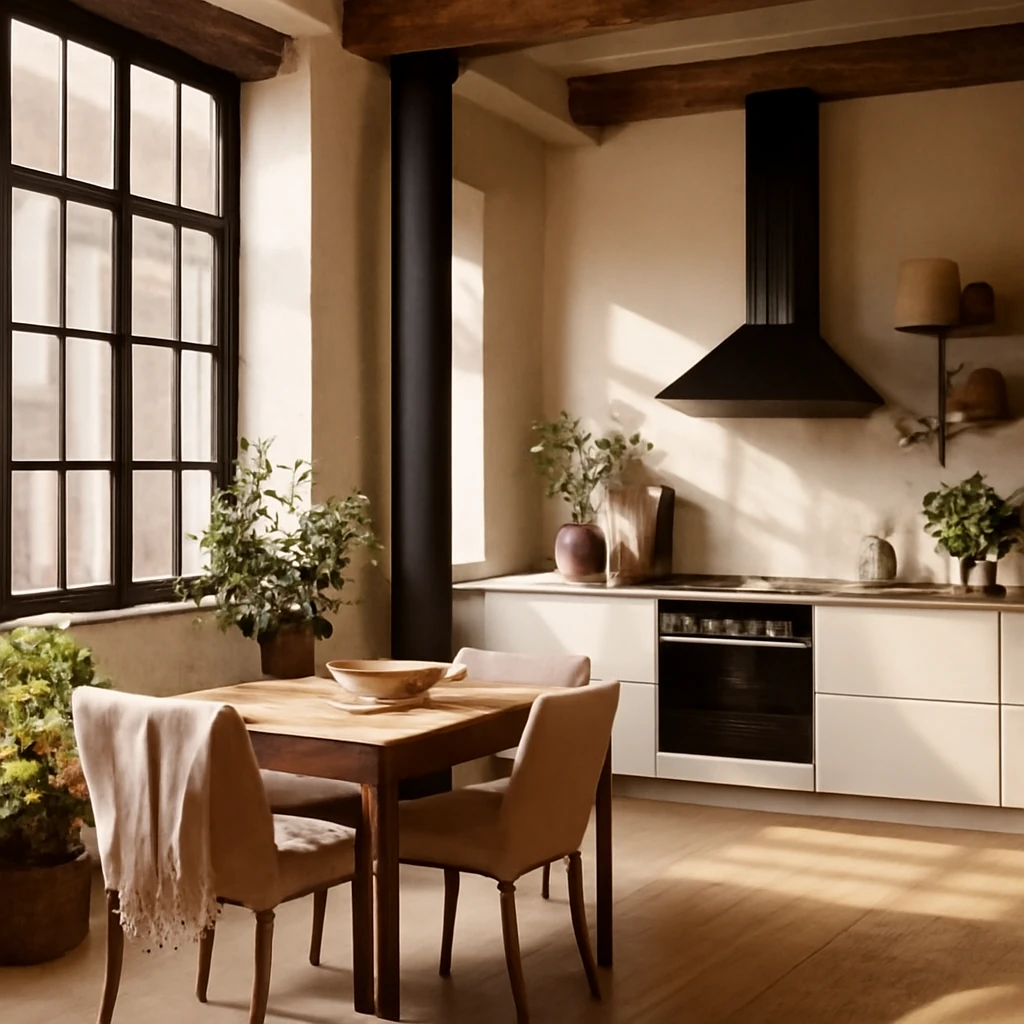
Key features of loft style in the kitchen
The loft aesthetic has shed its raw, urban reputation and evolved into a refined, welcoming approach to kitchen design. In European homes, it translates the appeal of industrial spaces into practical living areas that are both durable and expressive. A loft kitchen is not merely about exposed brick and steel, it is a philosophy of space, texture, and light. It blends rugged materials with carefully considered organisation to deliver a space that remains hospitable, functional and visually striking.
At the heart of the loft kitchen lie a handful of enduring characteristics that designers in Europe consistently reference when planning a project:
- Spatial openness - generous planning that emphasises air and light, with minimal visual clutter and a restrained decorative layer.
- Textural warmth - tactile materials such as timber, brick, stone and treated metals create a lived-in, comfortable ambience.
- Contrast of old and new - authentic, weathered finishes sit alongside sleek, contemporary surfaces for a layered depth.
- Enhanced ergonomics - the layout is deliberately considered to support efficient cooking, storage and social activity.
- Expanded utility - modern appliances are integrated strategically, and a large island with targeted lighting can anchor entertaining and culinary tasks alike.
Layout and planning
The layout of a loft-style kitchen is dictated by the architectural constraints of the space. In Europe, common room variables include floor area, ceiling height, room configuration, and the presence of niches, load-bearing walls or exposed services. The goal is to achieve a sense of coherence and ease of movement while preserving the characteristic loft spirit.
- Size matters - larger rooms can accommodate generous islands and social zones, compact spaces require careful zoning and clever storage to avoid crowding.
- Ceiling height - higher ceilings amplify the sense of space and permit vertical storage or suspended lighting that enhances the architectural feel.
- Configuration - straight (linear) layouts suit narrow footprints, L-shaped and U-shaped configurations optimise corner opportunities, open-plan studios benefit from a central island that acts as a social and functional divider.
- Services and constraints - consider the location of ventilation, plumbing and electrical lines, and plan cabinetry to conceal or integrate these elements gracefully.
Narrow kitchen
In narrow European apartments, a two-zone approach helps to reframe the geometry. Place a compact linear kitchen along one wall and introduce a slim island or peninsula to create a visual break. A corner-aspect arrangement with an L-shape or two parallel run units can also improve workflow. A slim, tall pantry near the cooking area often resolves storage challenges without visually crowding the room.
Small kitchen
For small kitchens, a linear layout on a single wall is usually the most practical solution. Consider a compact bar-height counter or a small round dining table to provide an eating area without stealing valuable floor space. Choose furniture with light frames and delicate legs to maintain a feeling of airiness. Multi-functional units and pull-out systems maximise every square centimetre.
Corner kitchen
An angled or corner kitchen moulds efficiency by bringing the work triangle into clear view. The aim is to position the hob, sink and refrigerator in close proximity while leaving room for a dining nook. A well-designed corner layout often relies on tall storage to free up counter space and maintain clean lines.
Studio or open-plan
In a studio, the kitchen is typically placed within a recess or along a torpedo-like end wall. A linear layout is practical here, with a social island that doubles as a prep area and dining surface. If space allows, the island can incorporate storage, a compact sink, and cooking equipment. The island’s edge may extend into a bar area with seating, serving as a natural divider between kitchen and living zones.
Whichever arrangement is chosen, the loft kitchen benefits from a robust, geometrically honest island - often with a welded metal frame - to house storage, a ventilation canopy, and integrated lighting. A well-conceived island anchors the space and visually clarifies the separation between kitchen tasks and social areas.
Zoning within loft kitchens
Zoning is essential to keep a loft kitchen from feeling chaotic. The approach favours furniture and architectural elements to define areas while preserving the overall sense of openness. Consider the following considerations:
- Functional segments - clearly delineate the cooking zone, prep area and dining/entertaining zone using furniture arrangement and lighting rather than walls.
- Cabinetry layout - determine whether to pursue open shelving for dramatic display or closed storage to keep surfaces uncluttered.
- Spatial features - use architectural traits such as a mid-height island, a step down for a dining area, or a frosted glass divider to softly separate spaces while maintaining visibility and flow.
Dining area
The dining zone in a loft kitchen can take many forms, depending on space and temperament. Options include a traditional dining set, a long workbench-style table with industrial stools, a bar-height counter with compact stools, a circular bistro table, or an island with an extended surface that acts as a dining platform. Where possible, position the dining area near a window or source of natural light but avoid obstructing movement or the main work triangle.
In European lofts, it is common to group seating with minimal, sturdy frames and durable finishes. A wooden bench along one side of a long table invites sociable seating and maximises floor area, while slim metal chairs add an urban edge without visual bulk. The key is to keep the dining zone legible and accessible from the kitchen work zone.
Working zone
The working zone is designed for efficiency, where the arrangement mirrors the traditional kitchen triangle: hob, sink and cooling area should form an efficient workflow. In loft settings, this often translates to a linear or island-based configuration that places primary appliances within easy reach of prep surfaces. A generous, uninterrupted worktop with integrated features and discreet finishings is preferred to maintain clean lines and a sense of calm even during busy cooking sessions.
Colour palette and atmosphere
Loft kitchens embrace both light and dark palettes, with emphasis on authentic textures and tactile finishes. The European interpretation of loft colour ranges from pristine whites to deep, moody tones. The palette is chosen not merely for aesthetics but to reinforce the material language and the intended mood of the room.
White loft
White loft kitchens emit airiness and lightness, making them ideal for compact spaces or interiors with limited daylight. White brick or brick-effect walls, aged white cabinetry, and time-worn brass or bronze hardware can add warmth and character to otherwise pale surfaces. The white base allows natural materials such as timber and metal to take a more expressive role.
Black accents
Black can be used selectively to add drama and depth. It works well in metal frames, lighting components, or as a ceiling treatment to create a dramatic backdrop. A black ceiling, for instance, can visually lower the space while enhancing the brightness of pendant lighting and reflective surfaces. Pair with lighter worktops to maintain contrast without overloading the room.
Grey tones
Grey is a staple in loft aesthetics, spanning from pale cement hues to anthracite. A layered grey palette across walls, cabinetry and stone can create a sophisticated, monochromatic field. Introduce warmer textures or a pop of colour through furniture, textiles or artwork to prevent the space from feeling cold.
Green accents
Deep green or botanical greens provide earthy contrast against concrete or brick textures. Use green cabinetry or a graphic splashback to evoke a sense of calm and depth, pairing with matte blacks or brushed metals for a contemporary edge.
Brown and earth tones
Warm browns - from coffee to terracotta - ground the palette and complement stone, timber and brass. Rich, saturated browns harmonise with cool greys and blacks, creating a balanced, inviting atmosphere.
Bold accents
In loft kitchens, bold accents come from furniture or appliances rather than overwhelming wall treatments. Think vibrant bar stools, a statement refrigerator, or a colourful cooker hood. Used sparingly, these accents celebrate personality without compromising the room’s architectural integrity.
Finishes and materials
The loft aesthetic favours tactile, robust materials with genuine texture. The finishes chosen for floors, ceilings, walls and splashbacks define the interior’s depth and character. European loft kitchens often mix industrial sources with natural warmth to prevent the space from feeling fragmentary or cold.
Flooring
Flooring in loft kitchens typically imitates industrial conditions while remaining comfortable underfoot. Expected choices include durable resin or polymer floors, cement-look tiles (often large-format for Terrazzo-inspired patterns), porcelain stoneware, and resilient linoleum. The texture and colour should complement the overall palette and contribute to a seamless flow with adjacent living areas.
Ceiling
Ceilings may be left in their natural state to emphasise structure, or treated with a concrete-look plaster for a raw yet refined finish. Exposed timber beams or metal girders add authenticity and warmth, while suspended or concealed lighting can highlight architectural features without overpowering the space.
Walls and splashbacks
Wall treatments often lean on textured plaster, concrete-look finishes or aged brick for genuine character. Other generous options include plaster with a tactile finish, brick veneer, wooden cladding, or ceramic tiles with a rustic or handmade look. For splashbacks, consider steel sheets, hand-painted tiles, patterned ceramics in a vintage style, cement tiles, glass blocks or robust splashbacks that echo the industrial mood while remaining easy to clean and maintain.
Doors
Loft spaces favour openness, with doors kept to a minimum. When doors are necessary, barn-door styles with rough-hewn timber or metal hardware are a practical nod to the industrial heritage. Alternatively, hidden, sliding doors on a robust track can preserve sightlines and floor area while providing flexible separation when required.
Kitchen cabinetry and appliances
Cabinetry in loft kitchens embraces a restrained, honest aesthetic. Facades often showcase natural wood, linings or painted finishes that mimic raw timber or stone. If colour is introduced, it tends to be in deep, subdued tones such as navy, olive, charcoal or moss, rather than bright primaries. The aim is to celebrate texture and form rather than surface ornament.
Kitchen layout options
- Linear (straight) - a single run along one wall, ideal for narrow footprints or spaces with alcoves.
- Corner (L-shaped) - efficient for near-wall workflow and can be extended with a tall unit or an island.
- Genuine U-shape (P-образной) - maximises storage and worktop space, creating a complete enclosed cooking area in larger kitchens.
Loft kitchens often benefit from an additional architectural element - a functional island with welded metal framing to store utensils, support lighting, conceal ventilation and provide a surface for social dining. The island becomes a focal point and a practical hub for the room.
Storage systems in loft kitchens should balance closure and display. If the plan permits, avoid wall-mounted cabinets above the primary work zone and opt for open shelves to reveal handsome dishes and glassware. Consider a tall, ceiling-height unit or a ceiling-raised block to house the oven, microwave and refrigeration while keeping the main work surface pristine.
Cabinetry and materials
Cabinet doors in loft kitchens lean toward minimalism. If wooden finishes are used, expect obvious grain and natural imperfections as a design feature. If the palette is darker or matte, consider cabinet fronts with subtle texturing to maintain warmth without glare. When colour is introduced, deep blues, greens or charcoal provide a contemporary contrast to concrete, brick or timber textures.
Appliances
European loft kitchens accommodate a mix of high-tech, built-in appliances and retro-inspired pieces used as statement elements. Integrating appliances within cabinetry creates a streamlined look, while selectively featuring a bold appliance (for example a red range cooker or a striking hood) can function as a design anchor. The emphasis is on practicality and proportion - ensure that appliance sizes align with the available cabinet widths and that the overall silhouette remains slender and cohesive.
Lighting and illumination
Lighting in loft kitchens is deliberately layered to cope with zones while sustaining the aesthetic. A well-conceived lighting plan supports the character of the space and emphasises materials and textures. The approach generally includes three levels of light:
- General lighting - a track system or ceiling-mounted fixtures provide broad, even illumination and flexibility in directing light where it is needed most.
- Task lighting - under-cabinet LED strips or linear lighting illuminate work surfaces with precise brightness for cooking and food preparation.
- Accent and decorative lighting - pendant lights over the island or dining zone on long fabric or metallic cords add atmosphere and character, statement luminaires reinforce the industrial mood without overpowering the space.
Decor and accessories
Loft interiors thrive on restraint. Decorative elements should reinforce the architectural language rather than saturate the space with patterns. Thoughtful pieces can act as punctuation marks within the room:
- Large wall clocks in metal frames, typically with clear, bold numerals, offer both function and sculptural drama.
- Neon signage or glow fixtures can provide urban charm while remaining tasteful when used sparingly.
- Graphic wall panels or edge-lit back panels in stone or metal tones can extend the industrial mood while remaining refined.
- A robust, metal-framed wine shelving unit is both practical and decorative, reinforcing the utilitarian heritage of loft design.
Functional appliances can themselves become décor - choose capable, visually striking pieces in bold colours such as red, teal or brass to create focal points without cluttering the surface area.
Materials, finishes and maintenance
Sustainability and longevity guide material choices in European loft kitchens. The best combinations balance durability with tactile appeal, and allow for easy maintenance in daily life. Practical considerations include:
- Flooring that resists wear and is easy to clean, such as reinforced concrete-look tiles, polished concrete or resin floors, with a non-slip finish in wet zones.
- Ceiling treatments that preserve the structure’s honesty while adding warmth through timber or metal accents.
- Wall finishes that rebuild the industrial mood with warmth, such as aged bricks, plaster with a lived-in patina, or cement-effect plaster for a modern, tactile surface.
- Splashbacks in stainless steel, ceramic tiles with a rustic pattern, or cement tiles that nod to Terrazzo aesthetics give the kitchen a strong personality while staying practical.
Storage and organisation
Smart storage is essential in loft kitchens. A blend of closed cabinetry, adjustable open shelving and vertical storage solutions helps maintain a calm, uncluttered surface while offering display opportunities for frequently used items. Consider the following approaches:
- Hide appliances within tall cabinets or integrate them behind cabinet fronts to keep the work zone visually clean.
- Use great-length drawers and pull-out organisers to maximise the efficiency of every square centimetre.
- Incorporate a floor-to-ceiling pantry if space permits, enabling generous storage for dry goods, coffee stations and small appliances.
- Maximise under-counter storage with deep drawers for pots, pans and baking trays, plus a dedicated space for utensils and cutlery.
Budgets and practical tips
Loft-inspired design can be realised across a wide budget spectrum. Several strategies help achieve the industrial chic without oversized bills:
- For a budget-friendly look, use decorative panels or vinyl images that mimic brick or stone textures rather than solid, costly materials.
- Expose and celebrate a cost-effective service route by running concealed cable traces and wiring, then fittings placed with a minimalist eye rather than elaborate concealment.
- Choose affordable, authentic-looking materials that reproduce the look of timber or stone through more economical finishes.
- Minimise wall cabinets in favour of open shelving to reduce cabinetry costs and add airiness.
- Opt for modern, compact appliances with chrome detailing rather than bespoke retro models, they create the same “industrial” vibe at a more accessible price point.
Even with a controlled budget, the loft kitchen can be engaging and durable. The emphasis should be on texture, proportion and light, rather than an overabundance of decorative touches. A restrained palette, honest materials and thoughtful layout are the quickest routes to a timeless loft look that fits European homes well.
Maintenance and practicality
The loft kitchen invites everyday use, which means choosing materials and finishes that tolerate wear and resist staining. Regular cleaning rituals, a simple maintenance plan for timber surfaces, and periodic checks on hardware and lighting will keep the space looking pristine and functional for years to come. Remember that the industrial look is not a license for neglect, the beauty of a loft kitchen comes from the way its textures age gracefully when cared for properly.
Conclusion: a timeless balance of form and function
In contemporary European architecture, the loft kitchen represents a mature synthesis of industrial charm and domestic ease. It respects the integrity of the architecture, while inviting warmth through natural textures, well-considered lighting, and efficient layouts. Whether you are renovating an older city apartment, reimagining a compact kitchen in a modern flat, or designing an open-plan family space, the loft approach offers a disciplined framework that can adapt to diverse tastes and budgets. The result is a kitchen that feels both sturdy and inviting - a place for serious cooking, casual dining, and social gathering, all within an interior that speaks with quiet confidence about its industrial lineage and contemporary sensibilities.
You may also like these articles
 Interior Design
Loft living in Europe: crafting an industrial-inspired home
Open plans, exposed finishes and bold textures define European loft living.
Bedroom
Colour Dreams: How to Paint a Bedroom for Calm, Comfort and Style
Colour psychology meets practical painting for a serene European bedroom.
Colour & Materials
Colour, Circles and Calm: The Itten Wheel in European Interiors
A practical guide to using the Itten wheel for harmonious European interiors.