
Explore interior trends, AI design insights, styling guides and real transformations
Grey Living Room: The Neutral Base You Can Build On
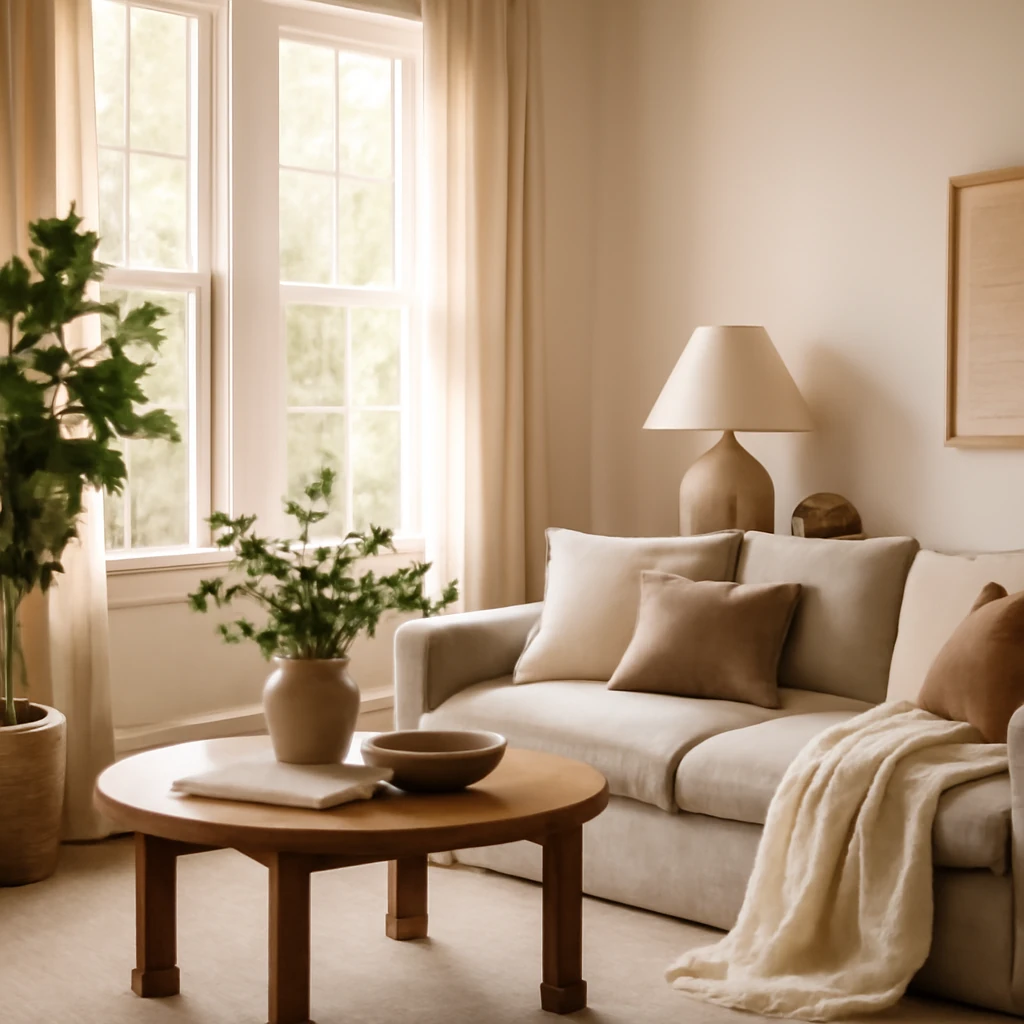
Grey as a timeless base for European living rooms
Grey can anchor a sophisticated living room across architectural styles from Nordic minimalism to industrial chic. It acts as a quiet, adaptable canvas that responds to texture, light and colour. In many European homes, a well-considered grey scheme harmonises plaster walls, timber floors, stone surfaces and traditional radiators, delivering spaces that feel both contemporary and timeless.
Why grey works
- Universal base that adapts to seasons and trends, refresh the mood by swapping textiles, cushions and throws.
- Practical and forgiving, resists showing dirt and wear more than pale whites while remaining brighter than deep charcoals.
- Compatible with a broad range of architectural styles, from bare-boned modernism to refined classicism.
- Promotes calm and focus, aiding conversation and relaxation in the living room.
Palette options
Two elegant strategies to handle greys in a living room: monochrome and colour-infused. The choice depends on light, space, and the emotional atmosphere you wish to achieve.
Monochrome greys
In a monochrome scheme you manage a spectrum of greys plus white and black. There are more than 250 grey tones available, spanning warm taupe-inflected greys to cool blue-leaning shades. The trick is balancing light and dark, and playing with textures - matte walls against glossy floors, soft fabrics against hard surfaces. This approach suits contemporary, minimalist and Scandinavian-inspired interiors.
Practical tip: introduce one active print or bold texture to prevent monotony. A statement rug, a striped armchair, or a single graphic throw can anchor the room. Keep other textiles neutral to retain harmony. Metallic accents - brass, antiqued gold or brushed nickel - add warmth without breaking the calm.
To deepen the effect, vary finishes across surfaces: a matte wall with a satin ceiling, or a stone or marble surface with a soft textile opposite. Wood brings warmth: light ash or dark walnut can both feel at home in grey spaces, depending on the undertone you choose.
Adding colour in a grey space
If you prefer colour, do it with intention. Complex tones are created by combining the base greys with warm or cool undertones. Think mustard or ochre, burgundy or terracotta, olive or sage, teal or navy. The key is restraint, too many hues compete for attention. Start with small injections: a vibrant throw, a single accent chair, or a bold artwork. Use textiles with depth - velvet, bouclé, tapestry - to ensure the colour reads as luxurious rather than loud. Repeat the chosen colour in cushions, lighting, and other accessories to unify the palette.
As you introduce colour, consider the room's natural light. Northern light can cool a space, warmer bulbs and reflected light help preserve warmth. For larger rooms, you can introduce a stronger accent wall or a large-scale patterned wallpaper as a focal point, always balancing with quieter surroundings elsewhere.
Finishes and materials: how to apply the rules
Wall finishes
Walls in neutral greys should be considered timeless backdrops. For smaller rooms, lighter greys or near-whites maximise perceived space. The ceiling should usually be lighter than the walls to emphasise height. Textured plaster, decorative panels that mimic stone or concrete, or a restrained wallpaper can add depth without overpowering the room. Consider limewash or microcement for a contemporary, tactile feel that ages gracefully.
Flooring
Flooring often anchors the scheme. A shade slightly darker than the walls creates cohesion, while timber floors in ash, oak or walnut introduce warmth. In urban spaces, concrete-look tiles or large-format porcelain tiles in cool greys reinforce the modern aesthetic. Add warmth with a large rug in natural fibres or a textured pile that softens the room and integrates the furniture.
Furnishings
Grey furniture is a stylish choice that offers longevity. If you opt for a monochrome palette, keep furniture within the same tonal family, in a colour-rich scheme, choose neutral sofas and cabinets to balance vibrant upholstery. Avoid clustering too many large items, one or two statement pieces with several smaller items keeps proportions elegant. A slim-legged sofa, a low media cabinet, and a compact coffee table can preserve airiness in smaller rooms.
Decor and textiles
Accessories define the space. In restrained interiors, decor and textiles should still bring life. Layer textures such as linen, wool, boucle and velvet, and select a restrained colour palette for cushions and throws. Metallic accents in warm brass, bronze or antique gold add luxury. Plants introduce colour and texture without overwhelming the palette, while keeping the room feeling fresh.
- Window treatments: choose curtains or blinds in textiles that add depth - linen blends or heavy bouclé create sophistication. For rooms with strong daylight, a sheer layer softens light without dulling the view.
- Art and wall decor: select works that echo the palette, black, white or natural wood frames maintain coherence and avoid visual clutter.
- Soft furnishings: introduce one or two high-end fabrics such as velvet or boucle, a rug can anchor the seating area and unify the palette.
Lighting and ambience
Layered lighting is essential to bring grey spaces to life. A combination of ambient, task and accent lighting defines mood and function. In European living rooms, aim for warm light around 2700K-3000K, with dimmable fixtures to adjust the atmosphere. Reflective surfaces, like glass or polished stone, help bounce daylight and evening light, reducing the perceived cold of grey.
Design hacks for different room sizes
- Small living rooms: opt for light walls, a white or pale ceiling, and a minimal footprint for furniture. Use a single accent chair or pouf in a saturated colour to create a focal point, and choose slim-profile furniture to preserve airiness. A mirror can visually expand the space when placed thoughtfully.
- Medium to large living rooms: introduce a feature lighting fixture or a painted ceiling for drama. A large artwork or a statement rug can act as a focal anchor. Soften the grey with warm wood tones in a coffee table or sideboard to balance cool hues.
- Open-plan spaces: define zones with rugs and furniture arrangements while maintaining clear sightlines for circulation. Use the same grey base across zones, and introduce colour accents to delineate function (living vs dining).
Practical pitfalls to avoid
- Avoid stacking greys that are too close in tone, the room can feel flat or clinical. Bring warmth through varied textures and carefully chosen colour accents.
- Be cautious with glossy greys, high-gloss finishes can feel cold in rooms with limited daylight. Pair with matte textures and soft fabrics to balance.
- Plan lighting in advance, insufficient lighting will mute the space and make it feel dampened. A proper plan includes overhead, wall, and task lighting.
European case scenarios: typologies and solutions
Across Europe, living rooms range from compact city apartments to generous rural lounges. The guiding principle remains the same: grey provides a disciplined backdrop that can be dressed for character or pared back for minimalism. In city flats with tall windows and pale plaster walls, a soft mid-grey on the walls with light timber floors creates a serene, contemporary mood. In older homes with mouldings and high ceilings, warm-grey tones blend with period details, while curated textiles introduce modern personality. In urban lofts with exposed brick or concrete, a cool grey palette harmonises with metal and glass, while wood adds welcome warmth. In coastal houses, pale greys evoke sea air and driftwood, soft taupe and sand textiles bring warmth. Lighting and radiators are often integrated into the interior design, becoming part of the aesthetic rather than an afterthought.
Design-optimised hacks and quick fixes
- Layer natural textures: linen, wool, cotton, and wool or linen blends for drapery and rugs to add tactility and warmth.
- Introduce plants to soften the palette and bring life without overpowering the space.
- Mix lighting temperatures: warm bulbs for living zones, cooler accents for work corners if present.
- Choose a single bold accent colour and echo it in small doses for cohesion rather than saturation.
- Mind scale: large rooms suit oversized art and furniture, small spaces benefit from well-spaced, airy layouts and compact pieces.
Conclusion: grey as a practical, stylish foundation for European living rooms
Grey is not a bland fallback, it is a considered, enduring base that rewards thoughtful texturing, light management, colour accents and proportion. When planned with attention to light, materials, and personality, grey living rooms can be serene, sophisticated, and utterly comfortable - perfect for contemporary European homes.
You may also like these articles
 Renovation
Design-Driven Apartment Renovation: A Practical Guide
A practical blueprint for smart, stylish apartment renovations across Europe.
Colour & Materials
Green Interiors: A European Guide to Palettes, Psychology and Mood
Exploring green in European homes: palettes, psychology and rooms.
Colour & Materials
A Practical Guide to Green Sofas for European Living Rooms
Why green sofas work beautifully in European living rooms.