
Explore interior trends, AI design insights, styling guides and real transformations
Grey Living Rooms: A Modern European Guide to Colour, Texture and Light
Introduction
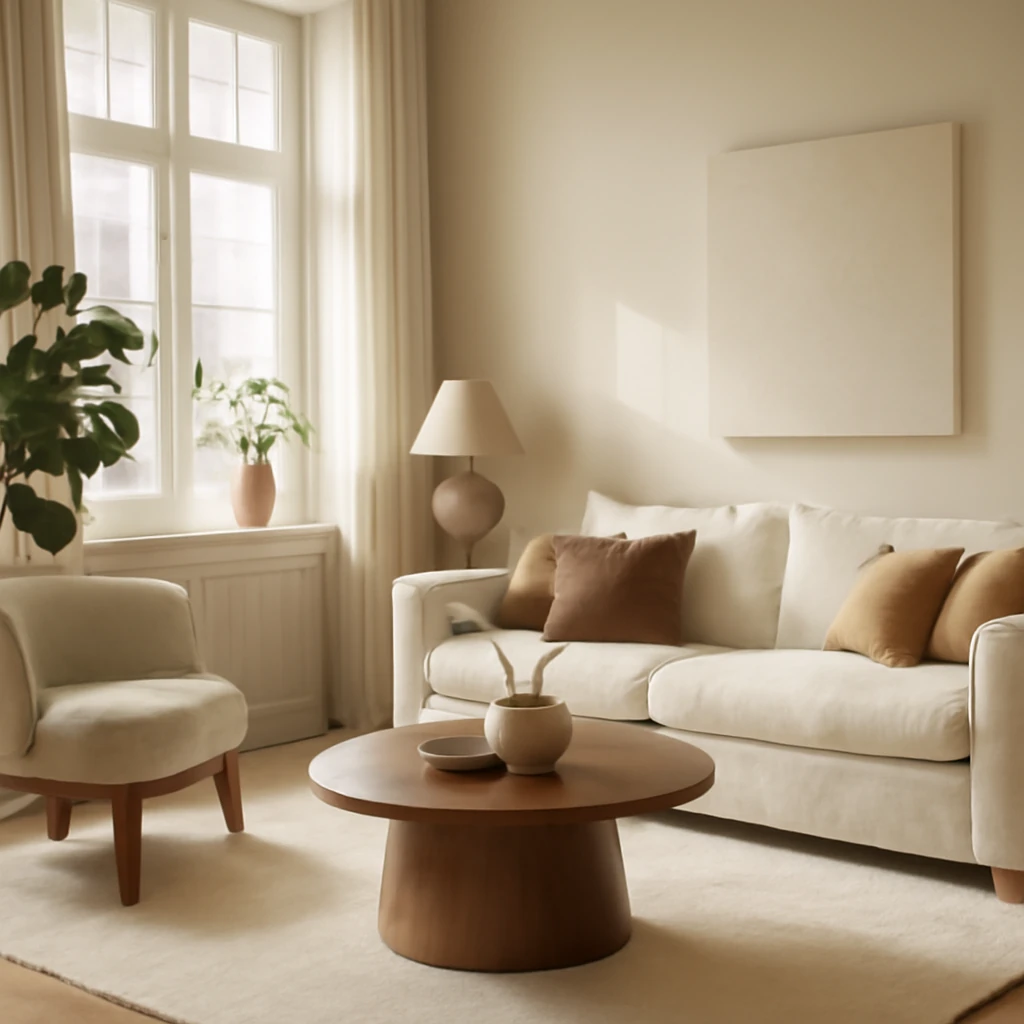
Grey has long stood at the centre of contemporary European living rooms, prized for its quiet sophistication and remarkable versatility. Far from a dull or clinical shade, grey acts as a flexible backdrop that can warm up or cool down a space, depending on lighting, texture, and the colours with which it is paired. In European homes - from compact city apartments to generous, light-filled living rooms - the grey palette can be tuned to suit climate, daylight, and lifestyle. This guide explores how to use grey to create spaces that feel intimate, elegant, and welcoming, even in the most challenging layouts.
Pros and cons of grey in living rooms
- Pros: extraordinary versatility, it harmonises disparate elements, from architectural details to soft furnishings;
- Pros: great for unifying a room with varying textures and materials, from concrete to fabric, wood to metal;
- Pros: practical for everyday living - stains and wear are less noticeable than with lighter or brighter colours;
- Cons: a monotonous greyscale can feel cold or flat without thoughtful lighting, textures, and accents;
- Cons: in poorly lit spaces, excessive grey can appear heavy, it benefits from strategic contrasts and warmth.
When balanced correctly, grey becomes a sophisticated canvas that allows other design elements - wood tones, fabrics, artwork, and greenery - to shine.
Foundations: rules for using grey effectively
- In smaller rooms, start with lighter greys on walls and ceilings to maximise light and airiness, reserve deeper greys for features or built-in elements to create depth.
- Bridge grey with warm neutrals - beiges, creams, and soft taupes - to prevent the space from feeling chilly, especially in northern European climates with shorter daylight hours.
- For compact living rooms, keep ceilings bright and consider painting nooks or alcoves in slightly darker tones to visually sculpt the space and add interest.
- In larger rooms, embrace a monochrome approach with varying textures - exposed brick, stone, lacquered surfaces, and tactile fabrics - to avoid a flat look.
- Avoid matching every item exactly to grey walls. Use furniture and textiles in a slightly lighter or darker shade to establish visual separation and layering. In very small rooms, the opposite approach can work: furniture in the wall colour to reduce visual bulk, provided the room has good daylight and well-chosen lighting.
- Introduce vivid or muted decorative accents to keep the palette engaging: warm browns, mustard tones, petrol blues, or soft greens can all work as intentional counterpoints.
Accent elements: bringing life to a grey living room
Accent colours play a crucial role in a grey living room. They should be deliberate, well-placed, and proportionate to the room’s size and natural light. In European settings, where living rooms often function as hubs for social life, accents can come from several sources:
- Textiles: cushions, throws, curtains in rich, saturated hues or gentle tonality balanced against the walls.
- Statement furniture: a coloured armchair, a bold coffee table, or a velvet ottoman to anchor the seating arrangement.
- Art and objects: frames and artworks that introduce warm or cool tones without overpowering the core palette.
- Plants: architectural greenery adds colour, texture, and a breath of life to grey backdrops.
Blue brings a note of calm and formality, while ochre or warm browns introduce a sense of heritage and comfort. A well-chosen red or pink accent can energise a space without dominating it, provided the quantity and placement are controlled. Remember: in a grey room, accents should feel intentional, not accidental.
Wall treatment and surfaces in grey
Selecting the right shade of grey begins with daylight. Northern and central European homes benefit from lighter greys that reflect available light, while southern exposures may tolerate deeper greys that enhance mood and drama. When planning the finish for walls, floors, and ceilings, follow these practical guidelines:
- The floor colour should be darker than the walls to ground the space;
- The ceiling should be lighter than the walls to maximise perceived height;
- In a room with soft furnishings that are predominantly light, a slightly darker wall creates contrast and helps furniture stand out.
A high, light-reflecting ceiling can visually expand a space, while darker end walls can make a long, narrow room feel shorter but more human. In elongated rooms, consider ending walls in deeper tones to balance the gaze and create a sense of proportion.
Grey works across a spectrum of wall treatments - paint, plaster, and high-quality wallpapers with textures such as linen, concrete, or subtle metallic sheens. When used strategically, wallpaper can add depth and warmth without overwhelming the room.
Pairing greys with white
Grey and white is a classic, serene pairing that reads as modern and refined. In European interiors, this combination is particularly versatile, lending itself to modernist, art-deco, and even more traditional settings when textured materials are introduced. Instead of pure white, consider ivory, cream, or warm white to soften the contrast and add a sense of cosiness. Layer different textures - matte paint, satin wallpaper, and brushed metal - to create depth and interest without sacrificing restraint.
Grey and brown: a calm, rustic-elegant mix
Grey paired with natural wood or warm brown tones evokes a comfortable, countryside-inflected elegance that resonates across Europe. This combination is well-suited to spaces designed to feel inviting, crafted, and timeless. Ways to implement include:
- Natural wood furniture with grey upholstery;
- Milk-toned furniture against grey walls, complemented by a brown or taupe rug;
- Brown feature walls with grey cabinetry or shelving, creating a layered, luxurious look.
This pairing works particularly well in living rooms that aim to balance heritage with contemporary comfort, echoing traditional European interiors while remaining perfectly current.
Grey with pink: soft, contemporary warmth
Soft pink accents in a grey setting bring a gentle warmth and a contemporary sensibility that suits minimalist or loft-inspired spaces. Used sparingly - as cushions, lampshades, or a single accent chair - pink can soften the geometry of a room and add personality without overpowering the base palette.
Introducing green: nature-inspired calm
Green tones - olive, sage, or eucalyptus - introduce a natural, restorative atmosphere that resonates with European design ethos that values connection to nature. Use green in textiles, plants, or small furniture pieces to inject colour without sacrificing the tranquil mood of the grey backdrop. Be mindful not to overwhelm the space, a few well-chosen pieces are more effective than a sea of green.
Grey and red: controlled energy
Red is inherently energising and should be used sparingly in a grey room. Consider red for a single high-impact element, such as a pair of chairs, a dramatic throw, or an accent rug. This restraint ensures the room remains balanced, sophisticated, and not fatigued by stimulation.
Introducing blue: cotemporary cool
Blue and grey together create a serene, authoritative atmosphere that remains welcoming. For a refined European look, pair navy or slate blue with cooler greys, and consider gold or brass accents to add luxury. In brighter rooms, lighter blues - powder or sky blue - can elevate the space while preserving a calm, airy feel.
Grey with a spectrum: from near white to near black
Grey encompasses a wide range, from almost white to near-black. This empiricism allows designers to craft spaces that feel noble, moody, or luminous depending on the context. Warm greys with brown undertones offer traditional elegance, while cool, steel-like greys lend a modern, industrial edge. The key is to create a cohesive system of shade, texture, and light to maintain harmony across walls, furniture, and accents.
Furnishings for a grey living room
In grey interiors, furniture tends to declare presence through texture and silhouette rather than colour. Common choices include:
- Leather or fabric sofas in light or mid-greys with contrasting cushions;
- Wooden tables and storage that add warmth and organic texture;
- Metallic accents in brushed nickel, brass, or blackened steel to punctuate the palette;
- Statement pieces - a velvet armchair, a sculptural coffee table, or a bold entertainment unit - that anchor the room.
Complementing greys with varied textures - stone, linen, wool, and leather - creates depth and interest. The objective is to avoid a flat field, instead building a tactile, layered environment that feels comfortable and refined.
Grey textiles and accessories
Textiles are essential in softly modulating the grey space. Curtains in dampened or warm tones can warm a space, throws and cushions in contrasting textures (knit, boucle, velvet) can add depth. Metallic light fixtures with warm-toned bulbs help counterbalance the coolness of grey, producing a balanced, inviting ambience. Soft furnishings should be carefully chosen to reflect the room’s purpose - relaxation zones prioritise cosy textures, while entertainment areas can experiment with sharper lines and glossier finishes.
Styling directions for grey interiors
European designers frequently explore several stylistic directions when working with grey:
- Loft and industrial-inspired spaces use concrete textures, steel finishes, and a restrained colour story to accentuate architectural details;
- Minimalist interiors rely on a restrained palette, precise lines, and high-quality materials to express calm precision;
- Hi-tech schemes integrate sleek surfaces, hidden storage, and intelligent lighting to enhance the grey backdrop;
- Modern and contemporary styles blend classical forms with contemporary materials, using grey as a unifying language;
- Classic or retro inflections emerge through mid-tones and vintage furniture silhouettes, softened by texture and light.
While the above styles are easily aligned with grey, it is possible to achieve a Mediterranean-inspired feel by pairing cool greys with warmer alabaster tones and subtle pearl highlights, provided the space has ample natural daylight and well-considered window treatments.
Practical considerations for European homes
European living rooms vary widely in size, natural light, and heating regimes. Grey can adapt to these conditions, but some practical points help ensure success:
- In regions with long winters and limited daylight, favour lighter greys with soft, luminous whites and reflective surfaces to maximise brightness;
- In generously lit southern-facing rooms, deeper greys can create drama and sense of grounded elegance without feeling oppressive;
- Consider thermal performance: greys paired with timber and natural fibres can feel warm and cosy, while too much matte grey on large surfaces may absorb light, introduce sheen or texture to counterbalance;
- Lighting planning is essential: layered lighting (ambient, task, and accent) plus dimmability ensures the room adapts from day to night and mood to mood;
- Window treatments matter: light, airy drapery keeps rooms lively, whereas heavier curtains may soften an overly stark palette and improve thermal comfort.
Small spaces: making compact living rooms feel larger
Grey can be a powerful ally in small rooms. The key is selecting the right shade and leveraging light and texture to create perception and depth. Practical strategies include:
- Use a predominantly light grey on walls, introduce darker accents in architectural details or furniture to create definition;
- Incorporate reflective surfaces or glossy finishes for furniture or accessories to bounce light around the room;
- Choose furniture with slender profiles and legs that visually open up floor space;
- Introduce vertical elements and mirrors to enhance the sense of height and space, avoid heavy drapery or overly chunky furniture that can overwhelm the room.
Care and maintenance of grey interiors
Greys can be forgiving, but some finishes require regular care. Painted walls with washable finishes allow easy spot cleaning, fabrics in durable weaves offer longevity and resistance to pilling. For natural textures such as wool or linen, consider professional cleaning where advised by manufacturers. When using metallics or glossy surfaces, wipe with a soft dry cloth to maintain the lustre and prevent smudges from becoming dominant features.
Conclusion: Grey as a refined, versatile European language
Grey is more than a colour, it is a design language that speaks of restraint, craftsmanship, and modern living. In European homes, grey can be layered with warmth through timber, textiles, and light, or styled with bold contrasts for dramatic effect. The approach is intentionally pragmatic: start with light greys to reflect daylight, add warmth through material choice and textures, then introduce calibrated accents that reflect individual taste and regional character. When done thoughtfully, a grey living room becomes a timeless space that accommodates daily life, social gatherings, and quiet moments of respite alike.
You may also like these articles
 Tips & How-To

Crafting a Personal Christmas: 13 Handmade Ornaments for a European Tree
Create unique, eco-aware Christmas tree decorations with everyday materials.
Tips & How-To
11 Elegant Napkin Folds to Elevate Your Festive Table
Master 11 stylish napkin folds to transform festive tables across Europe.
Tips & How-To
How to Assemble a Bed: A Practical Guide for European Homes
A practical, step-by-step guide to building a sturdy bed.