
Explore interior trends, AI design insights, styling guides and real transformations
Gypsum Board Ceilings for European Living Rooms: Design Ideas
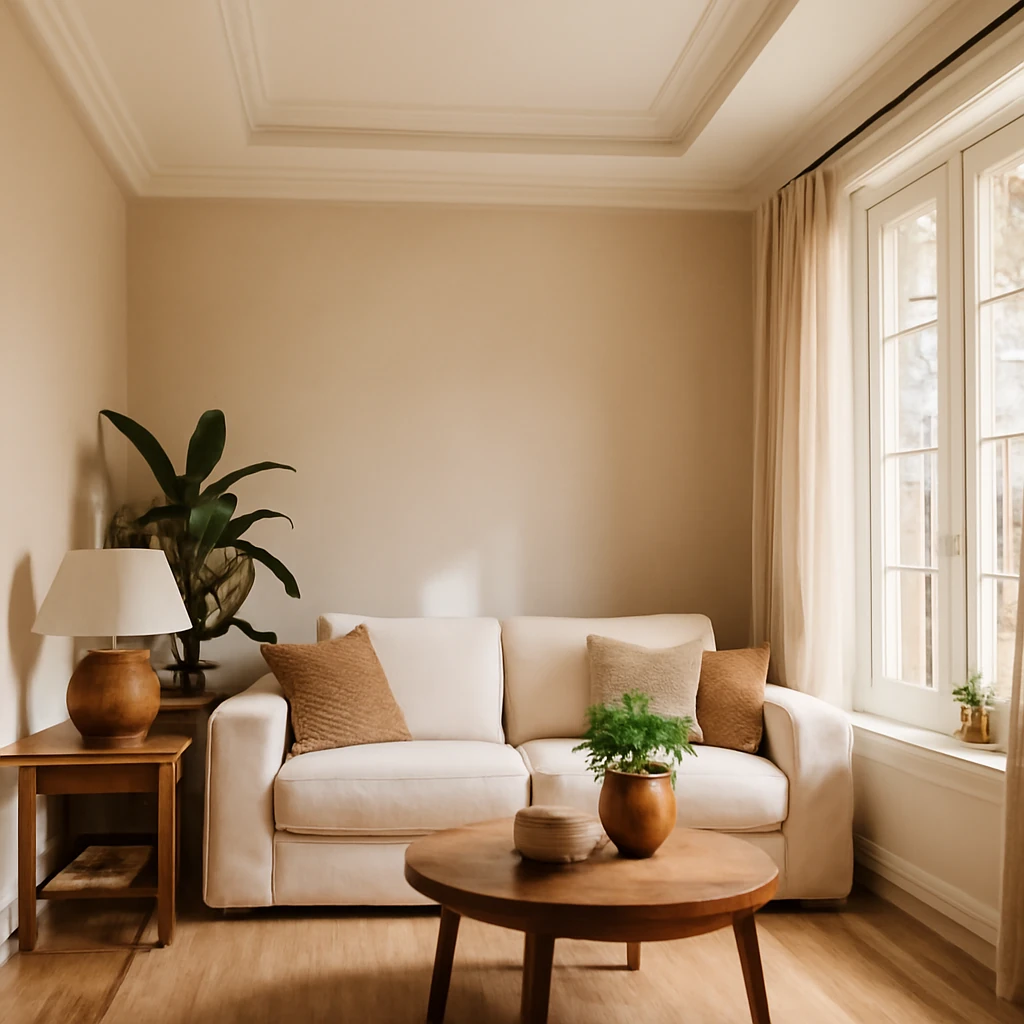
Gypsum Board Ceilings in the Living Room
A smooth, white ceiling has long been the conventional backdrop for a living space. Yet contemporary homes across Europe increasingly demand ceilings that are more expressive, characterful and technically robust. One of the most accessible ways to achieve this without a significant budget hike is the use of gypsum plasterboard, commonly referred to as gypsum boards. They offer a practical, adaptable solution for creating ceilings that are not only sightly but also highly functional.
Gypsum board ceilings are a familiar feature of modern European interiors, valued for their clean lines, flexibility and ease of maintenance. When designed with care, they can enhance light, acoustics and the perceived scale of a room while concealing wires, ducts and other services. The following guide explores how gypsum boards can transform a living room, from simple, single-level ceilings to more complex, multi-level schemes, and how to pair these with appropriate lighting, finishes and colour palettes.
Why choose gypsum board ceilings?
The appeal of gypsum board ceilings goes beyond cost. The material offers a range of practical and aesthetic benefits that make it a preferred choice for European living rooms:
- Environmental safety and compliance: gypsum boards are inert, non-toxic and, when properly installed and finished, contribute to healthier indoor environments.
- Design versatility: they can be cut, curved and configured into almost any form, from gentle curves to sharp angles.
- Ease of installation: two people can assemble most configurations, with a relatively straightforward fixing system to timber or concrete substrates.
- Acoustic and insulation benefits: many gypsum board assemblies offer improved sound absorption and thermal comfort.
- Concealment of services: wiring, HVAC runs and other services can be neatly hidden behind the ceiling plane.
- Fire safety: gypsum has inherent fire retardant properties, contributing to overall safety in the home.
- Potential for heirloom and contemporary finishes: painted surfaces, wallpaper, metallic foils or matte textures can be applied to achieve the desired aesthetic.
Ceiling designs in the living room
Gypsum boards excel in enabling diverse ceiling configurations. Their pliability, combined with modern fixing systems, empowers designers to realise bold or restrained concepts that suit the room’s proportion and style. The main categories used in living rooms are outlined below.
Single-level ceilings
Single-level (or flat) ceilings remain a popular choice for small to medium-sized living rooms. They provide a straightforward way to achieve a perfectly level surface, essential for areas where imperfect existing ceilings would otherwise be visible. A single-level gypsum board ceiling can be used to hide unevenness, masks for lighting coves or discreet flexibilities for acoustic panels. Finishes range from matte paint to textured wallpapers or gentle gloss. In spaces with limited headroom, choosing light colours and a low-gloss finish helps to preserve an airy feel. Where headroom allows, a slightly tinted white or pale colour can add warmth without shrinking the space.
Design tip: consider a concealed lighting plan with recessed LEDs or micro-pendant fixtures that sit just inside the ceiling plane. This approach reduces visual clutter and amplifies wall colour and architectural details elsewhere in the room.
Multi-level ceilings
Multi-level ceilings introduce depth and drama and are especially suited to larger living rooms or open-plan spaces. They create distinct zones, such as a cooking and dining area in an open-plan arrangement or a separate lounge niche within a generous living space. Multi-level systems can range from gentle differences in height to dramatic, sculptural forms, with steps, recesses and cove lighting that plays with light and shadow. While more complex and time-consuming, these ceilings offer significant visual impact and can be more economical than bespoke plasterwork when designed carefully.
In European projects, many multi-level schemes are built with two primary levels and offset sections to create a sense of floating planes. Light plays a crucial role here: LED strips along the inner edges or soft backlighting behind coves can emphasise the geometry without overpowering the room. Consider combining matt and satin finishes to add texture without glare.
Figured and sculptural ceilings
Figured ceilings, featuring ornamental patterns such as leaf motifs, floral scrolls, stars or celestial forms, showcase high craftsmanship. These are less common but highly prized for spaces that aim to be unique. Achieving such forms requires skilled installation and precise finishing to ensure clean joints and a durable surface. In a European context, it is common to integrate carved panels or reliefs within a gypsum framework, paired with careful colour coordination to wall surfaces and furnishings.
Color coordination is essential here: the carved or ornamented elements should harmonise with wall colour and furniture to create a coherent design language rather than a mishmash of disparate motifs.
Framed suspended ceilings (frame-and-panel)
A framed ceiling uses a perimeter or central frame built from gypsum boards to create a “box” or series of frames that define zones within the room. This approach can be used to host lighting, acoustical panels or texture changes. Frames can be kept simple with straight lines or embellished with gentle curves to soften the geometry. Perimeter framing is especially effective in rooms with tall walls, as it visually lowers the ceiling line without reducing light and airiness.
Diagonal and non-orthogonal ceilings
Diagonal or non-orthogonal ceiling designs break from strict right angles to introduce dynamic movement. This approach is particularly effective in irregularly shaped living rooms or spaces where a conventional ceiling would feel too conventional. Techniques include zigzag edges, curved transitions and asymmetrical levels. The result is a space that reads as contemporary, sophisticated and well-considered.
Hybrid ceilings with stretch panels
Hybrid systems combine gypsum board with stretch ceilings (PVC or fabric), delivering the best of both worlds: the architectural flexibility of GPB and the flawless, highly reflective surface of stretch ceiling. A typical configuration may place a gypsum board frame around the room’s perimeter with a central slim PVC panel or decorative insert. The stretch element can be luminous, allowing a seamless sweep of light that enhances mood and spatial perception. This approach is increasingly popular in European city apartments where ceiling lines are used to delineate zones or to introduce a dramatic focal point without consolidating the entire ceiling in one plane.
Materials and installation: what you need to know
Beyond the gypsum boards themselves, a successful ceiling relies on a reliable carrier system, careful measurement, proper fixing and correct finishing. The core components typically include metal profiles, hangers and connectors, plus fasteners suitable for concrete or timber substrates. The process requires careful planning, particularly when integrating lighting or ventilation runs.
Key steps in a typical installation include:
- Establishing a level reference with laser tools and marking the perimeter lines on the walls, this defines the ceiling plane and any offsets for multi-level schemes.
- Installing the carrier framework with vertical and horizontal supports, paying close attention to spacing to ensure rigidity and even load distribution. In practice, suspensions are placed at regular intervals, and cross members are added to enhance stiffness.
- Fixing the gypsum boards to the framework with appropriate screws, ensuring fixings are slightly recessed to avoid tearing the board surface. Edge alignment and joint placement are crucial to a seamless finish.
- Ceiling finishing, including applying joint tape and multiple coats of filler to create a continuous, smooth plane. Sanding is performed carefully to avoid gouges or puckers, then priming and painting or applying chosen wall coverings.
Lighting integration is a critical part of the process. If the ceiling will accommodate recessed spots or a central pendant, the locations must be planned in advance so electrical conduits are routed cleanly and securely. In many European projects, a two-switch arrangement is used: one controlling recessed fixtures and the other controlling a central pendant or chandelier. A professional electrical contractor should handle all wiring and compliance checks with local regulations.
Finish, colour and surface treatments
Finish choices play a decisive role in how the ceiling contributes to the room’s atmosphere. Options include matte, satin and gloss paints, wallpapered or textured surfaces, and, in some cases, metallic or mirrored accents. In smaller living rooms, light-coloured finishes with a satin or soft-matte sheen tend to maximise light and perceived space. In larger rooms, you can indulge in warmer tones or subtly tinted whites to add character without overpowering the surrounding decor.
Colour can be used strategically to alter perception: near-window walls may benefit from slightly lighter tones to enhance daylight, while darker accents can emphasise architectural features or zone delineation within an open plan.
Lighting: choosing the right fixtures for plasterboard ceilings
The choice of lighting is intimately tied to ceiling design. Gypsum ceilings are ideally suited to recessed lighting, which sits flush with the surface and minimises visual intrusion. The two common formats are:
- Recessed light sources: these fixtures are installed within the ceiling plane and can be mounted flush or slightly inset. They are ideal for guiding tasks and establishing a uniform ambient glow, particularly when combined with dimming controls.
- Pendant or suspension lights: these fixtures anchor to a robust ceiling point or a fixed element within a frame. They work well as focal points or to define a seating or dining zone within an open-plan living area.
Lighting sources vary by energy efficiency and output. The most common European practice favours LED solutions for their longevity, low heat emission and dimmable capabilities. When selecting fixtures, consider brightness (lux levels), beam angles and compatibility with dimmers. A balanced mix of ambient, task and accent lighting yields the most flexible and comfortable living environment.
Choosing a style for a European living room ceiling
Gypsum boards adapt to almost any design language. Below are some well-trodden stylistic avenues commonly explored in European homes, with notes on how to implement them using GPB ceilings.
Classic and refined
To echo a timeless interior, a two-level or framed ceiling paired with soft, neutral paintwork - think ivory, pale grey or pale taupe - creates an elegant backdrop for substantial furniture, tall bookcases and heavy draperies. Consider a central, statement light fixture that anchors the space and generates a sense of luxury without ostentation.
Modern and minimal
In contemporary interiors, a clean, flat ceiling with concealed lighting delivers an uncluttered canvas. The emphasis rests on material textures and furniture forms rather than decorative ceiling details. A subtle skyline effect or a recessed cove with LEDs can introduce depth while preserving a crisp, minimal feel.
High-tech and industrial
High-tech interiors tolerate bolder ceiling geometry, often combining metal profiles, dark-toned finishes and reflective surfaces. In loftier spaces, a restrained grey-toned ceiling with a low-profile LED system can complement glass, concrete or steel elements. Exposed or faux-joist features (achieved with gypsum board panels) can also contribute to the desired industrial vibe.
Loft-inspired warmth
Loft aesthetics benefit from a ceiling that softens rough surroundings while retaining an urban edge. A lighter ground plane with artificial timber or warm white paints can soften brick or concrete walls, while discreet cove lighting adds a human scale to the volume.
Framing and panels as architectural expression
Perimeter frames or panel insets can become the room’s architectural signature. Framed ceilings provide opportunities to integrate lighting into the frame itself, creating soft, even illumination that avoids hotspots and glare. Contrasting textures - matte frames with gloss inserts, or a light frame with a slightly darker field - can deliver a sophisticated visual rhythm.
Small living rooms: making the most of modest volumes
In smaller living rooms, the ceiling can be a powerful tool to enlarge the space and improve proportion. Consider the following approaches:
- One level, light palette: keep the ceiling light and uniform to maximise perceived height and brightness.
- Continuous colour and minimal interruptions: avoid heavy edge detailing that can visually shrink the space, a seamless ceiling with wall-to-wall continuity helps the room breathe.
- Strategic lighting: use a combination of recessed lighting and a slim pendant to define focal areas without crowding the ceiling line.
- Reflective elements: incorporate mirrors or glossy surfaces on walls to bounce light and create a sense of depth.
- Two-level accents with care: if you introduce a two-level ceiling, ensure the overall height remains comfortable and the lower zone does not overwhelm seating arrangements.
Ceiling and stretch-ceiling hybrids
Hybrid systems merge gypsum board with stretch ceilings to deliver ultra-smooth surfaces or glossy planes where required. A common configuration places a GPB frame along the room’s perimeter, with a central square or rectangle of stretch material. The advantages include the ability to introduce seamless lighting along the central panel and create dramatic reflections that change with the room’s daylight and artificial lighting. Hybrid configurations can be tailored to suit historic or contemporary interiors, enabling a refined balance between architectural form and surface finish.
Practical considerations for installation and maintenance
施工 and finishing require attention to detail. When planning a gypsum board ceiling, consider the following practicalities:
- Structure and anchors: the choice of profile and fixings depends on the substrate - concrete, masonry or timber. Professional installers will determine appropriate anchor types and spacing to achieve rigidity and long-term performance.
- Lighting layout: pre-determine the layout for downlights, pendant fixtures and any integrated lighting. Having a clear plan reduces the risk of inaccuracies during installation and saves time on site.
- Joints and finishing: use professional jointing tapes and multi-layer filler to achieve a smooth, crack-free surface. Proper sanding and priming are essential before painting or wallpapering.
- Alignment and planarity: calibrate to ensure straight edges and uniform planes, especially in multi-level designs where slight deviations can be visually jarring.
- Finish durability: select finishes appropriate to the room’s use and lighting. In brighter living rooms, matt or satin paints are typically preferred for their non-reflective quality.
Colour strategies for gypsum ceilings
A well-chosen ceiling colour sets the tone for the entire living room. In European interiors, colour strategies vary with room size, light availability and the broader interior palette. Practical guidance includes:
- Small rooms: opt for light whites, ivory, pale greys or soft neutrals to maximise light and airiness. A warm tint can gently offset cool daylight and white furniture.
- Medium to large rooms: you can introduce subtle colour variations, such as a pale grey ground with a slightly warmer panel insert or a soft hue for focal zones.
- Accent colours: incorporate accent tones (for example, slate blue, charcoal or soft taupe) through lighting rakes, panel inserts or indirect lighting to enrich the spaces without overwhelming them.
Colour decisions should be guided by the room’s function, seating arrangement and the overall palette of walls, furniture and textiles. The ceiling, while often a quiet partner, can be the stage for a restrained pop of colour or a sophisticated tonal shift that elevates the design language of the room.
Key considerations for European living rooms
While gypsum board ceilings offer flexibility and efficiency, certain European considerations help ensure success:
- Regulatory and safety compliance: ensure materials meet local fire safety and building regulations and are installed by qualified professionals.
- Acoustic performance: consider additional acoustic layers or mineral wool insulation if the living room needs sound control, particularly in open-plan spaces or rooms adjacent to busy thoroughfares.
- Moisture management: in spaces with potential humidity (near kitchens or baths), use moisture-resistant boards where appropriate and ensure adequate ventilation.
- Maintenance and durability: choose finishes that are easy to clean and resilient to day-to-day wear, particularly in families with children or pets.
- Energy efficiency and lighting: opt for LED options with high colour rendering index (CRI) to maintain true, pleasant colour perception under artificial light.
Design process: from concept to completion
A successful gypsum board ceiling project typically follows a clear design process. A professional European practice will usually entail the following stages:
- Brief and programme: establish the living room’s goals, budget and timeline, along with the preferred ceiling type and lighting strategy.
- Concept sketching: develop several ceiling concepts that respond to the room’s geometry, furniture and existing architectural features.
- Technical design: translate the concept into a precise construction plan with measurements, materials, lighting placements and fixing details.
- On-site installation: execute the build with skilled trades, ensuring alignment with approved designs and safety standards.
- Finishing and testing: complete jointing, sanding and painting, verify lighting performance and adjust as needed.
Conclusion: an adaptable, durable choice for European living rooms
Gypsum board ceilings offer European homes a flexible, affordable and visually engaging solution for the living room. Whether you favour a restrained, single-level plane or an intricate, multi-level composition with integrated lighting, GPB ceilings can be tailored to your space, light conditions and style direction. With careful planning, expert installation and thoughtful finishing, a gypsum board ceiling becomes more than a backdrop - it becomes a defining architectural element that enhances light, acoustics and the overall atmosphere of the room.
If you are considering a ceiling project, collaborate with a European design practice that understands your local building codes, climate and aesthetics. A well-executed gypsum board ceiling can elevate a living room’s proportions, improve comfort and set the stage for furniture, textiles and art to shine.
You may also like these articles
 Interior Design
Country-Style Interiors: Timeless European Charm for Rural Homes
Embrace rustic warmth with European country style.
Living room
11 Designer Ideas to Style Your TV Zone in the Living Room
Elevate your living room with framed, concealed and textured TV zones.
Tips & How-To
Six elegant ways to decorate the wall above the dining table
Six stylish ideas to elevate the dining-wall space.