
Explore interior trends, AI design insights, styling guides and real transformations
Designing the kitchen TV zone: practical guidance for European homes
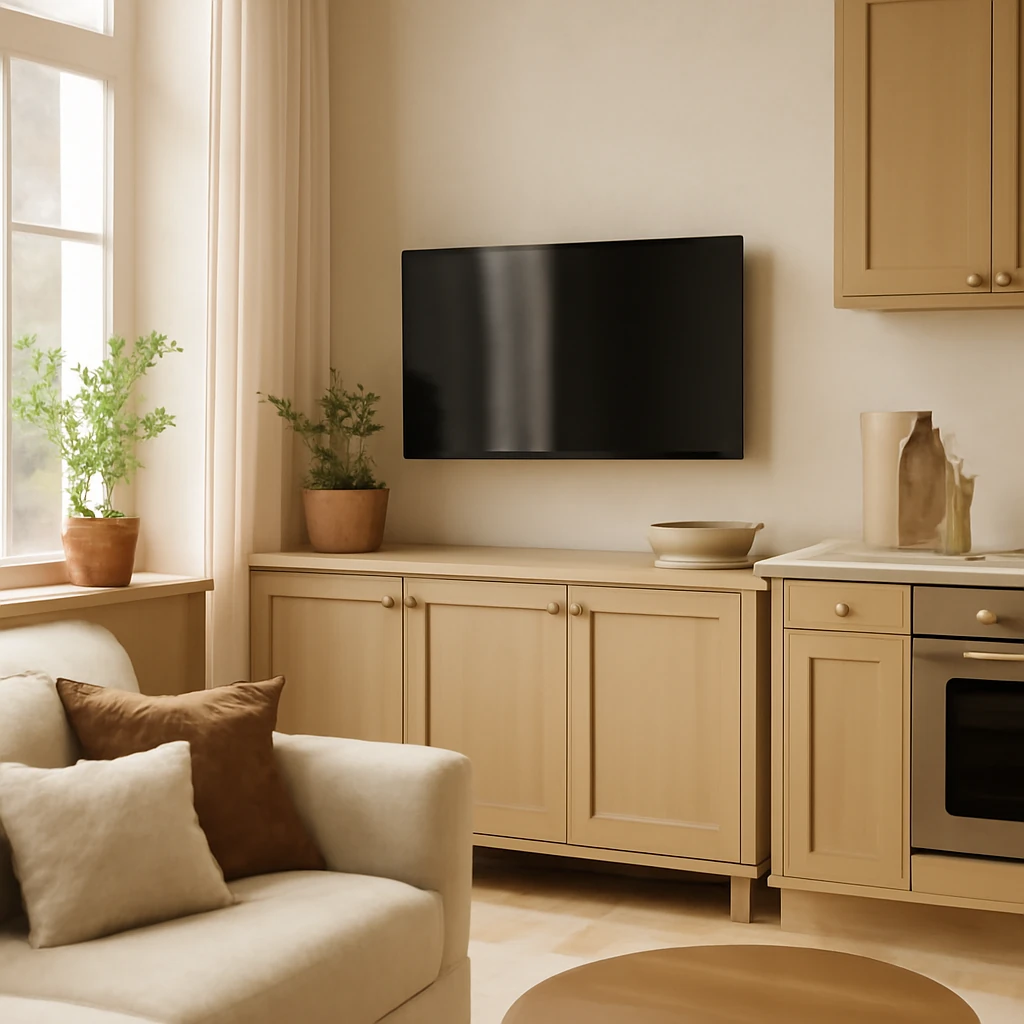
Introduction: the kitchen as a social hub in European homes
The kitchen is increasingly the heart of European homes, a space where cooking, dining and casual entertainment intersect. A television can enhance this hub, offering recipes, streaming content and news as a backdrop to everyday life. Yet installing a TV in the kitchen requires careful design to cope with humidity, heat, glare and compact layouts. This guide provides practical, design-led guidance for planning a kitchen TV zone that blends function with style across diverse European contexts.
Key considerations when selecting a kitchen TV
Choosing a television for the kitchen differs from selecting one for a living room or bedroom. Consider the following factors to ensure reliability, comfort and longevity in a busy culinary environment.
- Durability and finish: look for models with splash-resistant screens and robust construction. Where possible, choose displays with tempered-glass protection or sealed bezels to withstand steam and spray from the hob.
- Screen size relative to room size: optimise the diagonal to suit the space. In kitchens up to about 8 m², a compact screen around 48–56 cm diagonal is appropriate. For 8–12 m², 60–81 cm works well. In larger kitchens or open-plan schemes, screens from about 102–140 cm diagonal can be comfortably viewed from seating zones without dominating the room.
- Viewing angles and flexibility: wide viewing angles are advantageous in open-plan layouts where multiple seats may watch. A wall bracket with tilting or swivelling capability helps tailor the view to different positions.
- Resolution and features: HD Ready or Full HD can be sufficient for kitchen use, 4K may offer a sharper image but adds cost and may be unnecessary in this setting. Prioritise reliability, easy cleaning, anti-glare surfaces and straightforward menus. Smart features are convenient but not essential for every kitchen.
- Sound and speech clarity: kitchens can be noisy. Consider compact built-in speakers or a small soundbar to ensure dialogue is clear while cooking or dining.
- Connectivity and convenience: built‑in digital tuners reduce cable clutter, and USB ports allow viewing family photos or recipe videos during meal preparation.
- Distance and ergonomics: a guiding rule is that the eye-to-screen distance should be roughly three to four times the screen diagonal. Adjust for personal comfort and seating height.
Where to place the TV in the kitchen?
The ideal location depends on layout, usage patterns and the flow between preparation, cooking and dining areas. Below are common, effective strategies.
- Surface placement: set the TV on a sideboard, a dedicated trolley, or adjacent dining furniture. This approach keeps counter space free but requires a stable surface for the device.
- Wall mounting: a wall bracket with tilt or swivel enables precise direction toward dining or prep zones. This is especially useful in open-plan kitchens or where seating is nearby the work area.
- Cabinet integration: hide the TV within tall cabinetry or a dedicated niche. A front panel or a lift mechanism can reveal the screen when needed, delivering a streamlined look and protection from moisture.
- Within the hood or splash‑back area: some projects accommodate a recessed niche behind a vented panel or inside a bespoke cabinet. This can conceal cables while preserving airflow around the range hood.
- Island or peninsula mounting: placing the TV at the end of an island creates a natural focal point for diners. A ceiling-mounted or wall-mounted arm can offer flexibility to serve different seating configurations.
Regardless of placement, ensure the TV remains away from heat sources, steam and water. Adequate ventilation around the device is essential, and cable management should be tidy and protected from moisture and splashes. In compact kitchens, aim for a solution that preserves counter space and sightlines toward the dining area.
Recommended placements by kitchen size
Different European kitchen typologies - compact galley kitchens, L-shaped kitchens and open-plan spaces with islands - benefit from tailored TV placements. The following guidelines offer practical starting points for professional designers and homeowners alike.
- Small kitchens (up to 8 m²):
- Choose a compact screen around 48–56 cm diagonally, mounted on a wall or on a slim bracket that keeps counter space free.
- Experiment with light-colour wall finishes and shallow cabinetry to help the TV blend into the wall when off. A discreet, retractable option maintains a calm cooking zone.
- Align the screen height with the eye level of the primary seated viewer, typically the dining height, in stand-up configurations, use a tilt mount to optimise legibility without straining the neck.
- Medium kitchens (8–12 m²):
- Consider a 60–81 cm diagonal screen for steady viewing from the dining area without overpowering the space.
- Wall-mounted or integrated cabinetry works well in an L-shaped layout, tilt the screen to minimise glare from lighting or daylight reflections.
- Maintain clear circulation between the cooking zone and the TV viewing point to avoid congestion or overheating concerns.
- Large kitchens or open-plan spaces (over 12 m²):
- Larger screens (102–140 cm diagonals) can serve both kitchen and living zones, especially when the seating area is nearby.
- Integrated cabinetry remains popular for a cohesive look, alternatively, a low-profile stand with easy repositioning can adapt to entertaining layouts.
- Position the screen to align with the main seating arrangement to avoid uncomfortable viewing angles or neck strain.
Optimal height, distance and viewing posture
Correct height and distance are essential for comfort and long-term eye health. The aim is to balance visibility with ergonomic posture and the kitchen’s activity patterns.
- Eye level: For many diners, the ideal screen centre is near eye level. This often falls around 100–110 cm from the floor, depending on average chair height. When the primary viewing occurs while standing at the preparation counter, a lower screen with tilt can maintain a comfortable line of sight.
- Viewing distance: A practical guideline is three to four times the screen diagonal. For example, a 60 cm diagonal screen is best viewed from roughly 180–240 cm away, while a 90 cm diagonal screen benefits from 270–360 cm distance. Adjust for room layout and personal comfort.
- Angle and glare control: Kitchens often feature bright lighting and glossy finishes. Tilting or swivelling mounts help steer the image away from reflections. If glare persists, consider an anti-glare screen or a matte finish on surrounding cabinetry to reduce reflections.
- Posture: Avoid prolonged neck extension. Keep the screen within a comfortable arc of vision and ensure seating aligns with the viewing axis for prolonged programmes or recipe videos.
In practice, European designs frequently integrate the TV with the dining area to create natural sightlines. This approach minimises neck strain and maintains a cohesive interior rhythm.
Design integration: cabinetry, niches and surfaces
A well-integrated TV reads as part of the architecture rather than a standalone gadget. The following strategies help create a durable, stylish installation that withstands daily kitchen life.
- In-cabinet placement: install the TV in a dedicated niche within tall cabinetry, concealed behind a panel or on a lift mechanism that brings the screen into view when required. This preserves surface area and keeps the space uncluttered.
- Under-cabinet or splash-back integration: mounting the TV beneath wall cabinets or behind a glass splash-back can conceal wires and keep the device protected from splashes. Ensure adequate ventilation and ease of access for maintenance.
- Island or peninsula mounting: for island layouts, place the screen at the end of the island facing diners. A ceiling-mounted arm or a robust wall-bracket provides flexibility to accommodate different seating configurations.
- Open-plan harmony: select a frame finish and cabinet material that echoes the kitchen’s colours and textures. A flush-mounted or frameless screen often reads as a design feature, not a gadget.
- Ventilation considerations: avoid obstructing the device’s ventilation with cabinetry. Use slotted panels or perforated shelves to promote airflow and prolong the TV’s life.
Electrical, data, and cable management
A tidy cable plan is essential in a busy kitchen. Plan for power, data and clean cable routes during the design stage to prevent clutter and hazards around heat sources and damp areas.
- Power supply: position outlets at accessible heights within cabinetry or on the wall, ideally on dedicated circuits to avoid overloading existing outlets.
- HDMI and data: route data cables behind panels or within cabinets, using high-quality, shielded HDMI cables to preserve signal integrity.
- Wireless options: where practical, use wireless streaming devices to reduce cabling. Ensure robust Wi‑Fi coverage across the kitchen and dining areas.
- Safety: keep cables away from heat, water and steam. Use grommets, cable channels or integrated slots to protect wires and keep the surfaces easy to clean.
Maintenance and sustainability
Quality kitchen screens are designed for frequent use and should be easy to clean. Consider the following maintenance practices to prolong the life of the installation.
- Cleaning: wipe the screen with a soft, slightly damp cloth. Avoid harsh chemicals that could damage the display or seals around the bezel. Clean regularly but gently to prevent residue buildup in humid environments.
- Ventilation: maintain clear airflow around the device and keep maintenance vents unobstructed by cabinetry or decorative elements.
- Energy efficiency: choose energy-efficient models with intelligent sleep modes to reduce electricity use during long cooking sessions or quiet evenings.
Illumination and glare control
Natural daylight and kitchen lighting can create reflections that hinder viewing comfort. Implement lighting and screen strategies to minimise glare and preserve ambience.
- Ambient lighting: employ a dimmable lighting plan and task lighting around the dining area to reduce reflections behind the screen. Avoid direct lighting from behind the viewer or directly onto the screen.
- Window management: in sunlit kitchens, use sheer curtains or window films to soften daylight and lower glare on the screen.
- Screen finishing: select anti-glare or matte frames where possible to reduce reflections from glossy surfaces and highlights in the room.
Practical examples by layout type
Three common European kitchen layouts illustrate how the principles translate into real spaces.
Galley kitchen
In a narrow galley, a wall-mounted screen near the end of the corridor is viewable from both the cook zone and the dining seat. A compact 48–56 cm screen minimises intrusion, while a tilting mount allows adjustment for glare and seated height. Concealed wiring behind tall storage units keeps the corridor uncluttered.
L-shaped kitchen
In an L-shaped kitchen with a dining niche, integrate the TV into a tall cabinet that forms part of the dining zone. The cabinet can include a concealed panel to retract the screen when not in use. If space allows, place the TV at the corner where the two legs meet to offer broad visibility from both the prep counter and the dining area.
Open-plan with island
The open-plan island layout supports a central social hub. Mount the TV at the end of the island facing diners, or position a wall-mounted screen on the wall opposite the seating area. A counter-height sofa or banquette can create a relaxed living zone around the kitchen’s activity. Flexible mounting solutions are invaluable for entertaining.
Table of recommended sizes and distances
Use the following table as a quick reference when specifying screen sizes in a kitchen project. Distances are approximate and should be tailored to the actual seating arrangement and user comfort.
| Screen diagonal | Recommended viewing distance |
|---|---|
| 19–22" (48–56 cm) | 1.5–2.0 m |
| 24–32" (60–81 cm) | 2.0–2.6 m |
| 40–55" (102–140 cm) | 3.0–4.0 m |
Case studies and design tips
Although every kitchen is unique, several professional patterns recur in European projects. The following considerations reflect common practices that balance aesthetics, practicality and durability.
“A well-considered kitchen TV installation should read as part of the architecture, not a separate gadget. The screen should be easy to view from the dining area while preserving counter space for cooking.”
Tip 1: In compact kitchens, use a wall niche behind a panel or a retractable mount to tuck the screen away when not in use, preserving clear work surfaces. Tip 2: In open-plan spaces, align the TV with the dining seating to create natural sightlines across both zones, reinforcing a cohesive interior language.
Conclusion: crafting a kitchen TV zone that harmonises with European interiors
When thoughtfully designed, a kitchen TV installation enhances daily life and social occasions without dominating the space. By considering room size, layout, lighting, durability and cabling, designers can create a flexible, elegant solution that withstands humidity and heavy use while maintaining a refined European aesthetic. The result is a kitchen that feels integrated, balanced and ready for contemporary living.
You may also like these articles
 Colour & Materials
A Practical Guide to Green Sofas for European Living Rooms
Why green sofas work beautifully in European living rooms.
Tips & How-To
Room Dividers: Zoning Solutions for European Homes
Smart room dividers that transform open spaces into distinct, functional zones.
Interior Design
Euro Three‑Room Living: Optimising Space, Style and Comfort
A practical guide to planning European euro-triple homes: layout, zoning and finishes.